
In an era where data breaches dominate headlines and centralized platforms dictate who you are online, self-sovereign identity ZK wallets emerge as a beacon of true autonomy. Imagine proving you're over 18 or a verified professional without revealing your birthdate, name, or any extraneous details. This is the promise of SSI verifiable credentials zero knowledge technology, where users hold the reins through privacy-first identity wallets like ZKCredWallet. com.
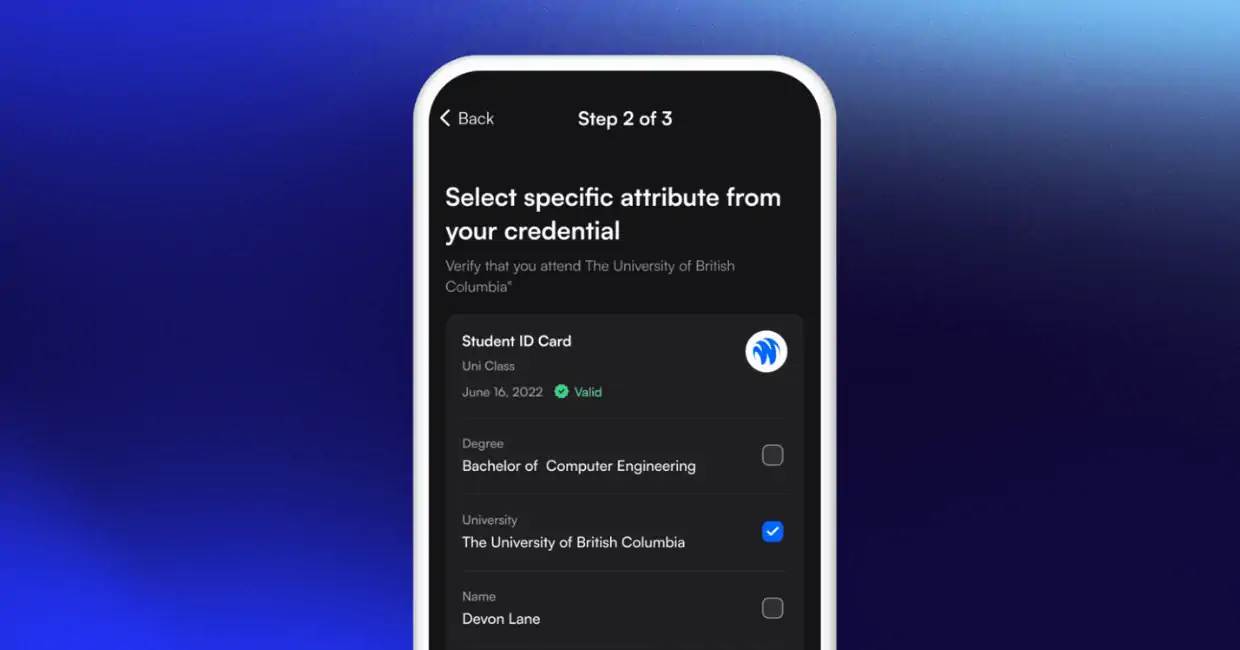
These wallets transform how we interact in Web3 by storing verifiable credentials as tamper-proof attestations. Issuers, such as governments or employers, sign digital claims that holders manage in non-custodial apps. Verifiers then check proofs without accessing the underlying data, a feat powered by zero-knowledge proofs.
Why Traditional Identity Systems Fail Web3
Web2 identity relies on siloed logins from Google or Facebook, breeding surveillance capitalism. Users surrender control, facing endless KYC hurdles that expose sensitive info repeatedly. Blockchain promised decentralization, yet many dApps demand wallet signatures revealing full histories. Self-sovereign identity flips this script: decentralized identifiers (DIDs) anchor credentials on chains like Polygon or IOTA, verifiable anywhere without intermediaries.
Dock Labs nails it in their 2025 guide: SSI grants full ownership sans third parties. Yet without ZK, selective disclosure remains clunky. Enter zero-knowledge credentials, enabling proofs like 'I hold a degree from X university' minus the diploma scan.
Core ZK SSI Advantages
- Unmatched privacy via selective disclosure: Prove attributes without revealing full data, as in Altme Wallet and IOTA.

- User-controlled portability: Credentials held in SSI wallets like ZKId travel across ecosystems without third-party reliance.
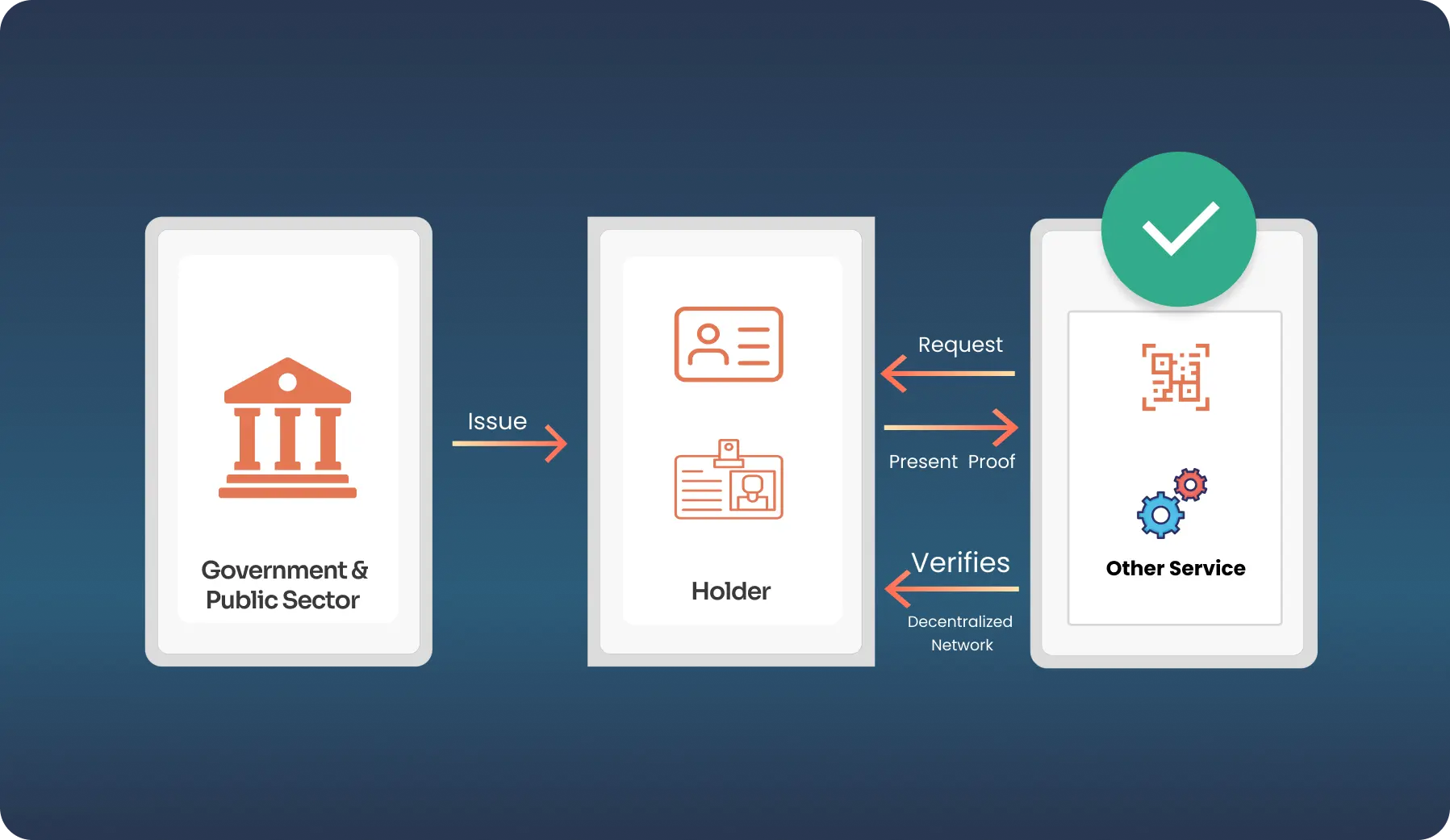
- Reduced fraud through cryptographic verifiability: Zero-knowledge proofs ensure tamper-proof claims, per Oracle Blockchain SSI.
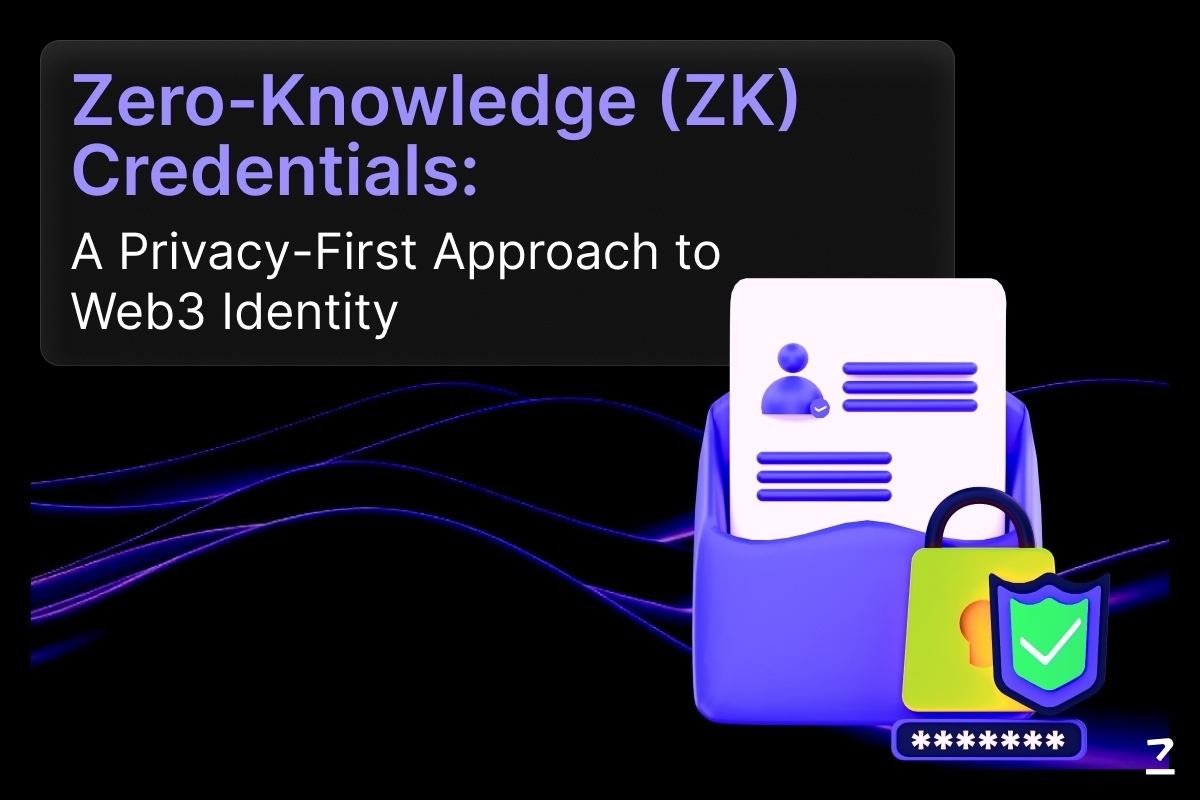
- GDPR compliance without over-sharing: Share minimal data needed, aligning with privacy regs via zk proofs.
- Seamless DeFi access: Prove solvency or attributes sans balance leaks, enabling private Web3 interactions.

Zero-Knowledge Proofs Unlock True Privacy
At the heart of privacy-first identity wallets beats zero-knowledge proofs (ZKPs). These cryptographic marvels let provers demonstrate truth without data leakage. In SSI contexts, ZK-SNARKs or ZK-STARKs compress credentials into succinct proofs. For instance, a wallet generates a proof attesting 'age > 21' from a birthdate credential, sharing only the math, not the fact.
Mina Protocol's zkHumans exemplifies this with biometric-secured DIDs, transmitting nothing biometrically sensitive. ScienceDirect research bolsters blockchain access control: smart contracts evaluate policies transparently via ZK, hiding attribute values. This isn't theoretical; it's live in production wallets.
Oracle Blockchain weaves ZK into AnonCreds for privacy-enhanced verifiable credentials, proving attributes like citizenship selectively. IOTA Identity, partnering with LINKS Foundation, adds zero-knowledge selective disclosure to EUDI wallets, aligning SSI with EU digital identity standards.
Standout Wallets Leading the Charge
ZKId stands out by letting users mint DIDs and juggle ZK credentials effortlessly, intermediary-free. Altme Wallet, fused with PolygonID, equips non-custodial control for keys, coins, and data, ideal for smart contract privacy. Users issue proofs for DeFi loans or NFT mints without doxxing.
These tools echo DEV Community insights: SSI wallets as mobile apps or extensions holding credentials for Web3's missing identity link. Sismo's ZK badges vision further evolves this, replacing passwords with badge proofs. Yet ZKCredWallet. com pushes boundaries further, blending carrier-grade security with intuitive UX for developers and enthusiasts alike. Tailored for attestations in blockchain ecosystems, it verifies attributes trustlessly.
Kaleido's platform underscores user data sovereignty; Web3 wallets supplant logins with selective credentials. As arXiv papers on EUDI compliance show, SSI scales globally via distributed ledgers.




No comments yet. Be the first to share your thoughts!