

In the high-stakes arena of Decentralized Finance (DeFi), where billions flow through permissionless protocols, regulatory demands for Know Your Customer (KYC) processes clash head-on with the ethos of user sovereignty. Traditional KYC forces users to surrender sensitive data to centralized gatekeepers, exposing them to breaches and surveillance. Enter ZK credentials for privacy-preserving KYC in DeFi: a cryptographic breakthrough that lets you verify eligibility without revealing underlying details. ZKCredWallet. com stands at the forefront, empowering users to manage verifiable credentials via zero-knowledge proofs (ZKPs), ensuring compliance while reclaiming privacy.

Zero-knowledge identity, as defined by Chainlink, enables onchain verification of personal attributes without exposing the data itself. Imagine proving you're over 18 or a verified resident without flashing your passport. This isn't theoretical; projects like zkMe's zkKYC and Keyring Network's zkVerified markets on Avalanche are live, collaborating with Euler Finance and others to unlock high-yield lending pools for compliant users minus the data dump.
Decoding Zero-Knowledge Proofs for DeFi Compliance
At its core, a zero-knowledge proof involves a prover convincing a verifier of a statement's truth without disclosing extra information. In DeFi's context, Deutsche Bank highlights how verifiable credentials automate KYC and anti-money laundering (AML) controls. The prover, your wallet, generates a ZKP attesting to KYC status, age, or accreditation, which the protocol verifies onchain. No personal data leaks; just mathematical certainty.
Nethermind's analysis underscores the institutional appeal: ZKPs shield trading flows and customer identities, bridging TradFi caution with DeFi innovation. Stellar's real-world use cases extend this to proving data properties selectively, from credit scores to geographic eligibility, all without revelation. For developers building on ZKCredWallet, this means seamless integration of ZK proofs for DeFi compliance, porting credentials across ecosystems like Ethereum, Avalanche, and beyond.
Core Benefits of ZKPs in DeFi KYC
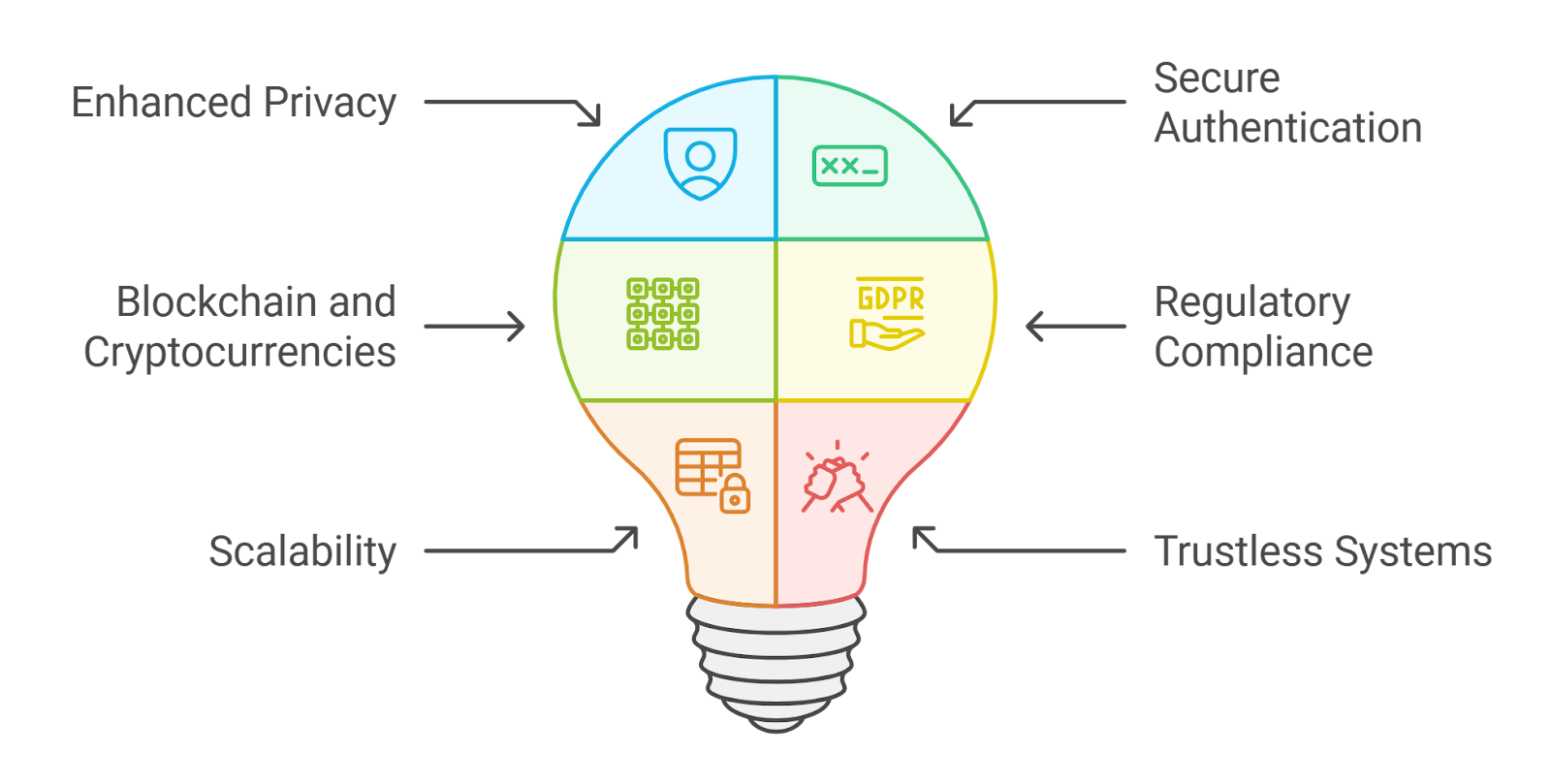
- User Privacy via Selective Disclosure: Users prove specific attributes like age or residency without revealing full personal data, as enabled by zkMe's zkKYC and Chainlink's zero-knowledge identity.
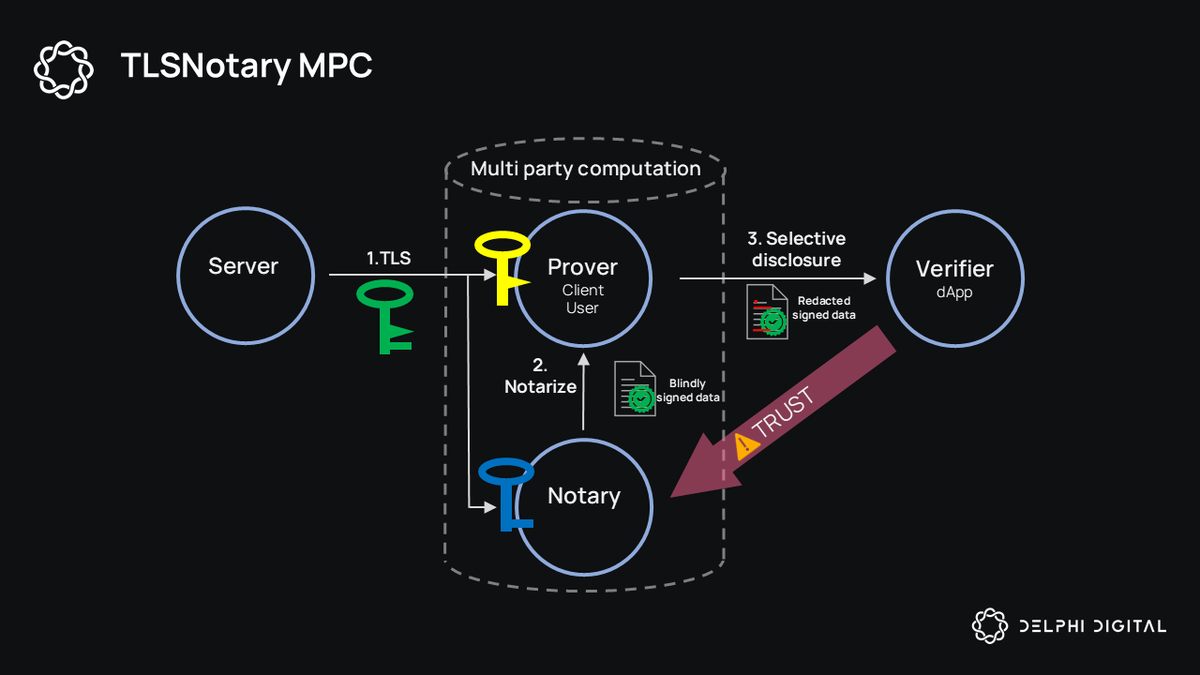
- Regulator-Friendly Audits Without Data Exposure: Protocols generate ZK proofs for compliance verification, allowing regulators to audit without accessing sensitive info, per Deutsche Bank and DeFi compliance solutions.
- Reduced Onboarding Friction: Instant ZK verification eliminates lengthy forms, streamlining DeFi access as in Keyring Network's zkVerified markets on Avalanche with Euler Finance.

- Cross-Protocol Credential Portability: Verifiable credentials reusable across platforms, like Altme wallet's age proofs or Keyring's collaborations with Multipli and Pyth Network for portable ZK-KYC.
- Fraud Resistance Through Cryptographic Verifiability: Tamper-proof ZK proofs ensure facts are true without data exposure, enhancing security as described by Stellar and Nethermind in blockchain finance.
ZK-KYC in Action: From Theory to Institutional Adoption
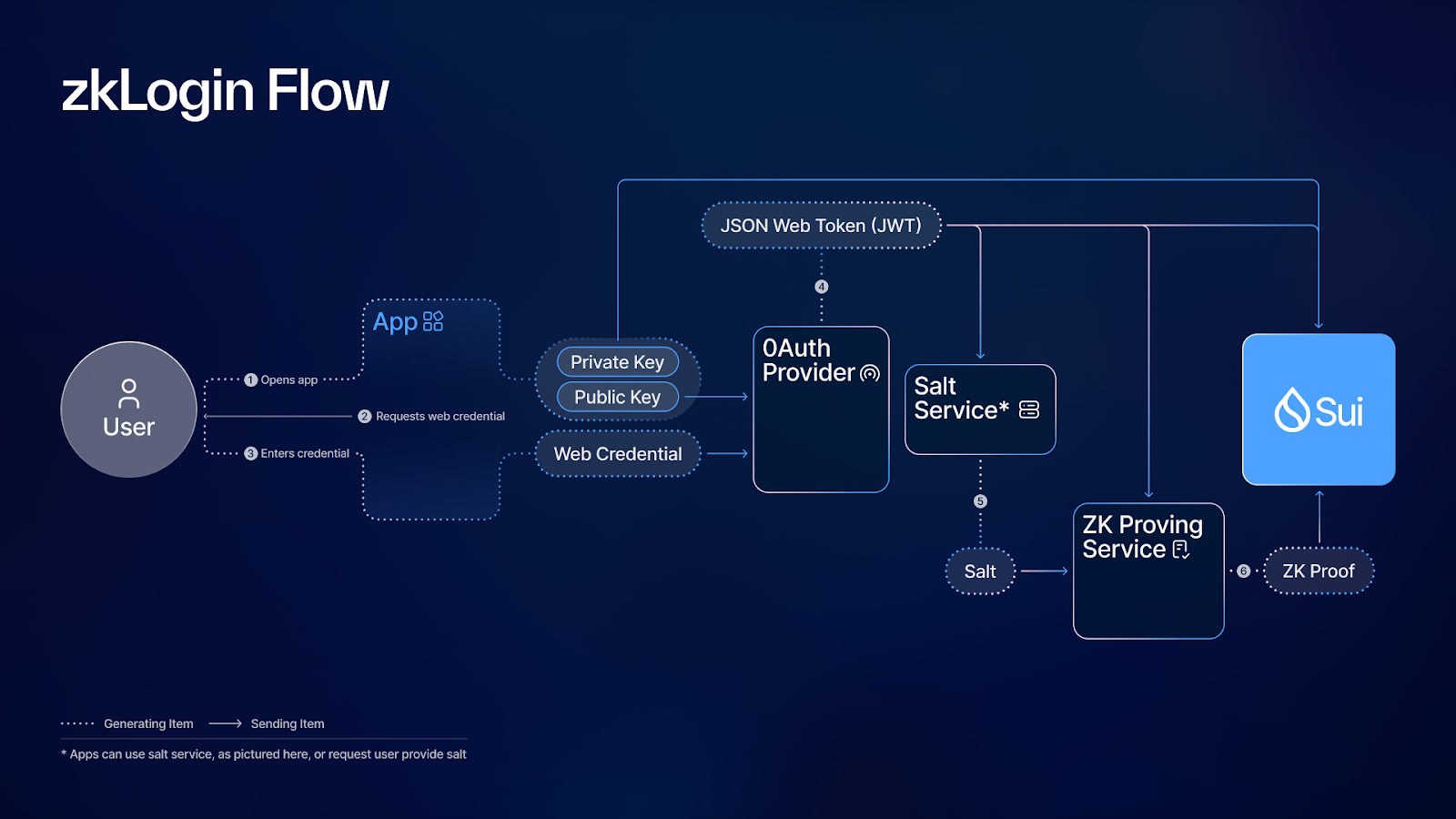
ZK-KYC flips the script on compliance. Studioam. ai details the flow: a trusted issuer verifies your identity offchain, issues a credential to your ZKCredWallet, and you generate proofs for DeFi protocols. The protocol gates access, say, to a zkVerified lending market, without seeing your name or address. Keyring Network's recent launch exemplifies this, offering yields inaccessible to unverified peers while preserving decentralization.
Addressing DeFi's compliance hurdles, as noted in zkMe's blog, ZK credentials sidestep the privacy pitfalls of decentralized KYC alternatives. Togggle's comparison clarifies: unlike shared databases, zero knowledge proofs KYC embeds encrypted evidence in tokens, verifiable yet opaque. Matt Saczewski on LinkedIn calls it the breakthrough for institutional DeFi, where ZKPs prove statements like "this user passed robust KYC" sans specifics.
Altme wallet's age credentials show versatility: obtain via KYC or AI, then prove maturity for gated pools. ArXiv papers synthesize this with Self-Sovereign Identity (SSI), crafting onchain permissioning that scales. ZKCredWallet excels here, storing and proving these attestations natively, tailored for zkcredwallet KYC workflows.
Verifiable Credentials: The Building Blocks of Private DeFi Access
Verifiable credentials (VCs) are tamper-proof digital claims, signed by issuers and verified via ZKPs. Wilson Center's primer outlines the prover-verifier dance: interactive challenges confirm knowledge without leaks. In DeFi, this powers verifiable credentials DeFi privacy use cases, from allowlists to yield farming.
Onchainpassport. org explores how zero-knowledge proofs enhance privacy in decentralized identity wallets, directly aligning with ZKCredWallet's architecture. Users issue VCs for attributes like accreditation or residency, then prove subsets, like "accredited investor": for high-APY opportunities. This selective disclosure minimizes attack surfaces, a conservative stance amid rising hacks.
Practical deployment hinges on wallets engineered for this precision, where ZKCredWallet shines by natively supporting issuance, storage, and proof generation of these credentials. Accredited investors, for instance, can flash a ZKP confirming status to access premium pools, sidestepping the data surrender that plagues traditional platforms. This mirrors the disciplined risk frameworks I honed over two decades in commodities: verify fundamentals without overexposing positions.
Bridging Institutions to DeFi with zkCredWallet KYC
Institutional capital hungers for DeFi yields, yet compliance chokepoints stall inflows. ZK credentials dismantle these barriers. Keyring Network's zkVerified markets on Avalanche, paired with Euler Finance, demonstrate yields gated by proofs alone, no identities spilled. zkMe's zkKYC similarly certifies users for protocols demanding regulatory nods, all while users retain control. ZKCredWallet integrates these flows seamlessly, allowing developers to embed ZK proofs DeFi compliance circuits directly, from Ethereum L2s to Solana.
Unlock Gated DeFi Markets: Step-by-Step ZK Credentials in ZKCredWallet
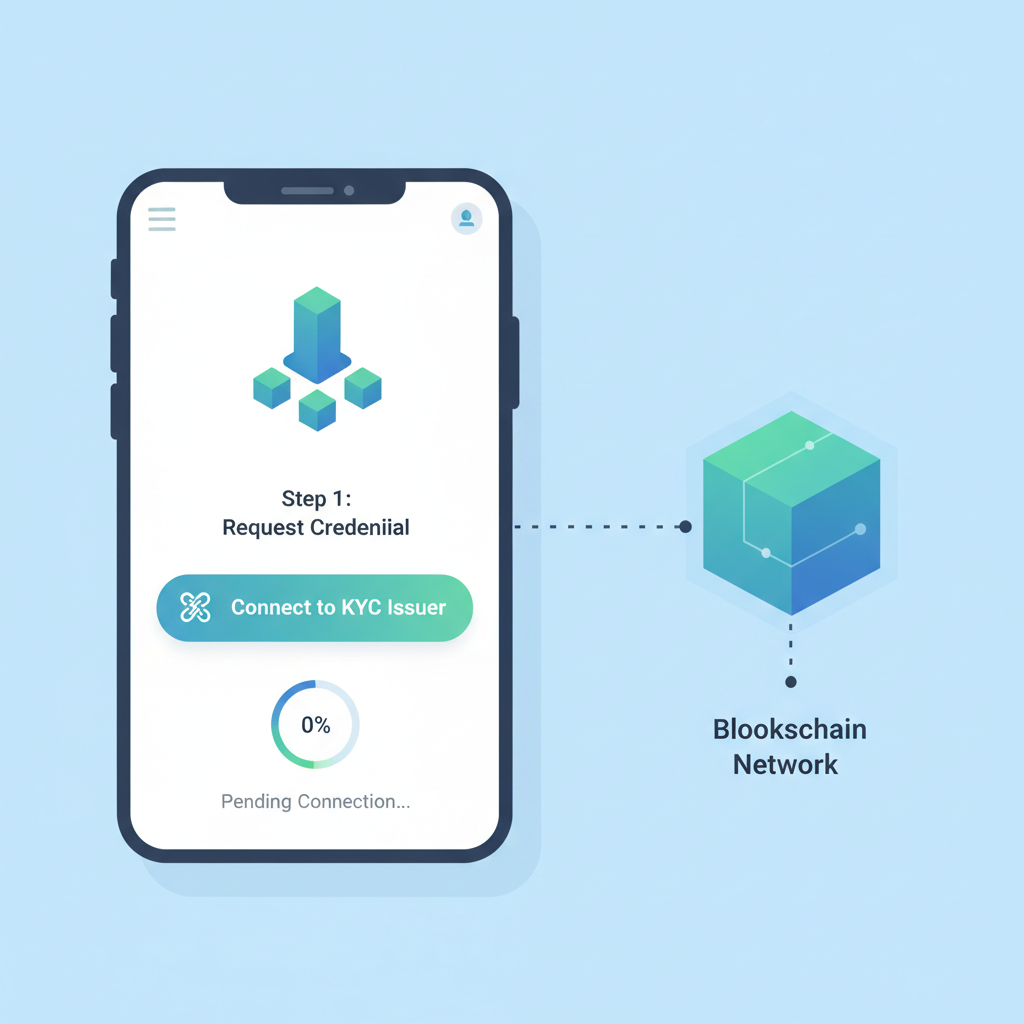
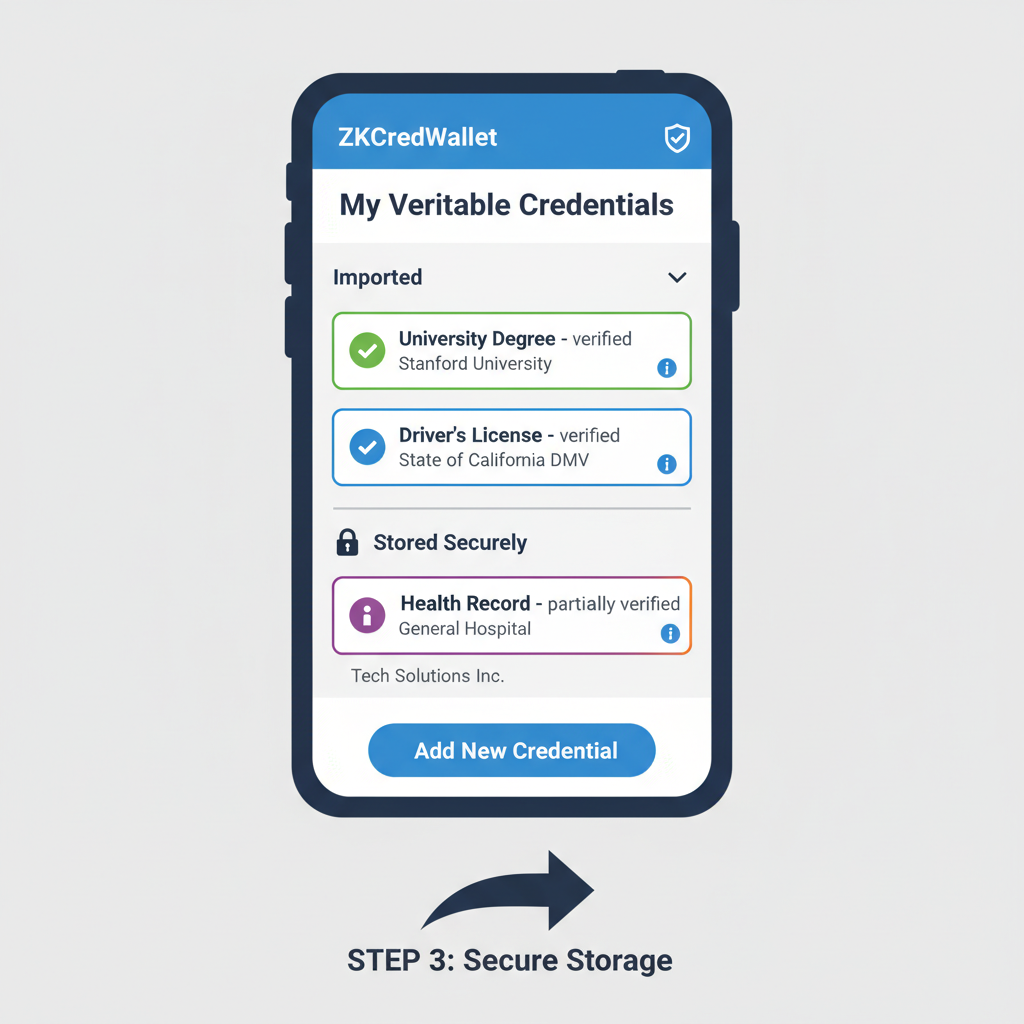
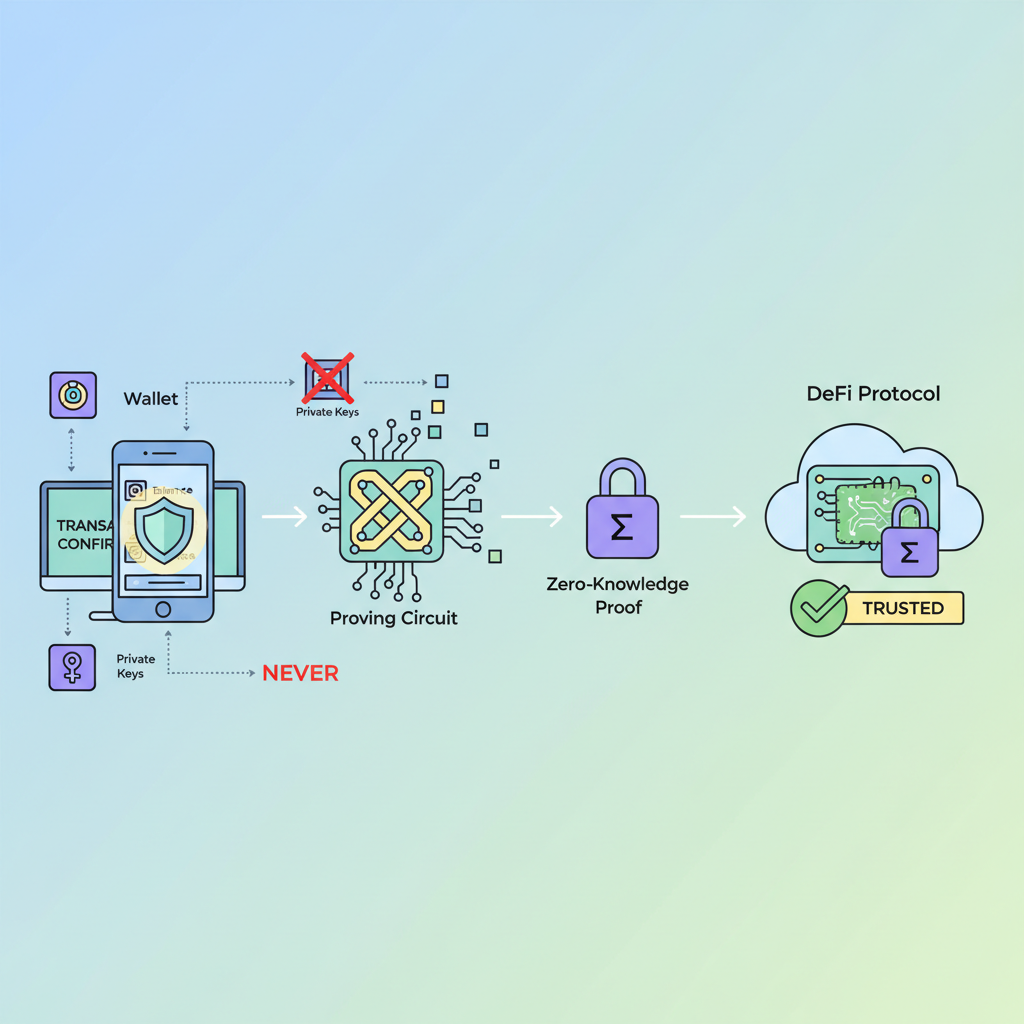
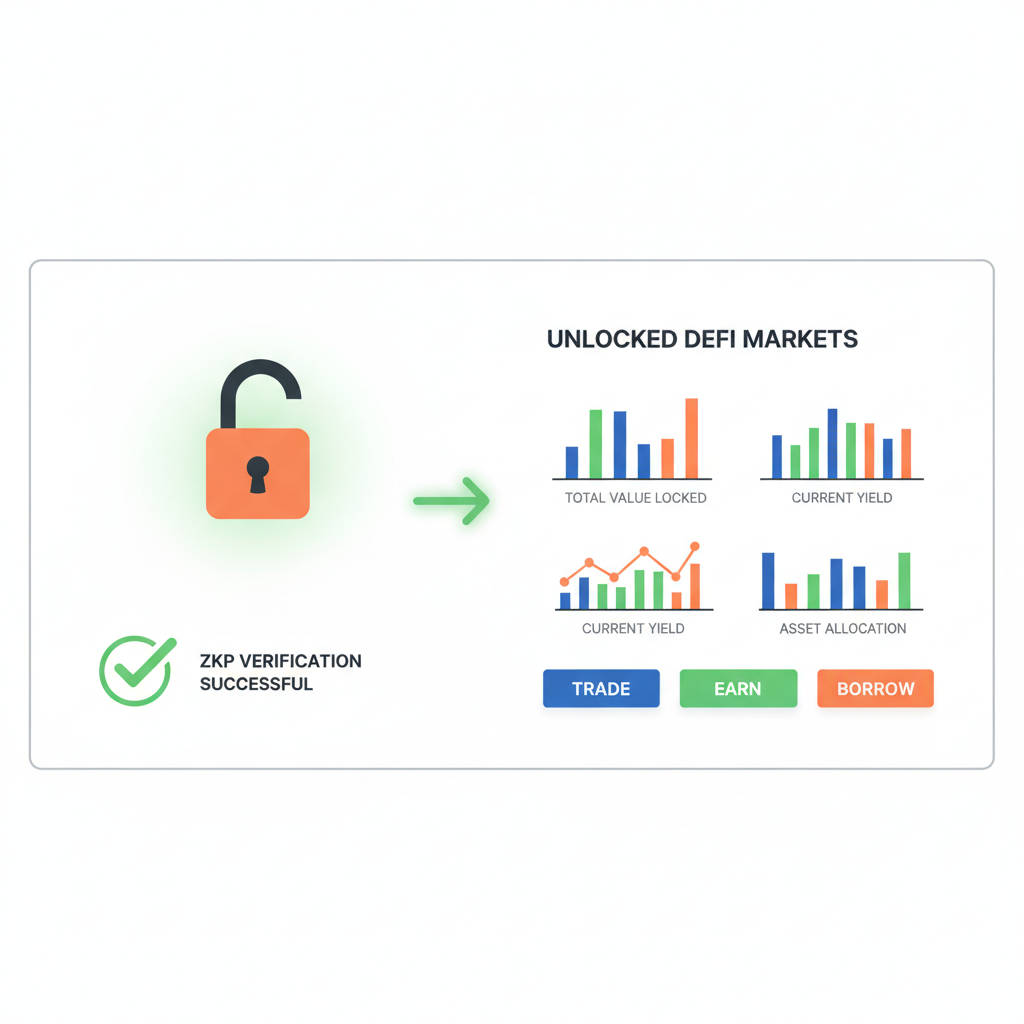
Conservative by design, this setup resists the volatility shocks plaguing DeFi. Protocols audit proofs onchain, spotting fakes via cryptography sharper than any shared ledger. Onchainpassport. org details how zero-knowledge proofs enable private onchain KYC attestations for DeFi allowlist management, a tactic ZKCredWallet amplifies with cross-chain portability. Users prove residency for geo-fenced yields or accreditation for sophisticated strategies, all without the surveillance tax.
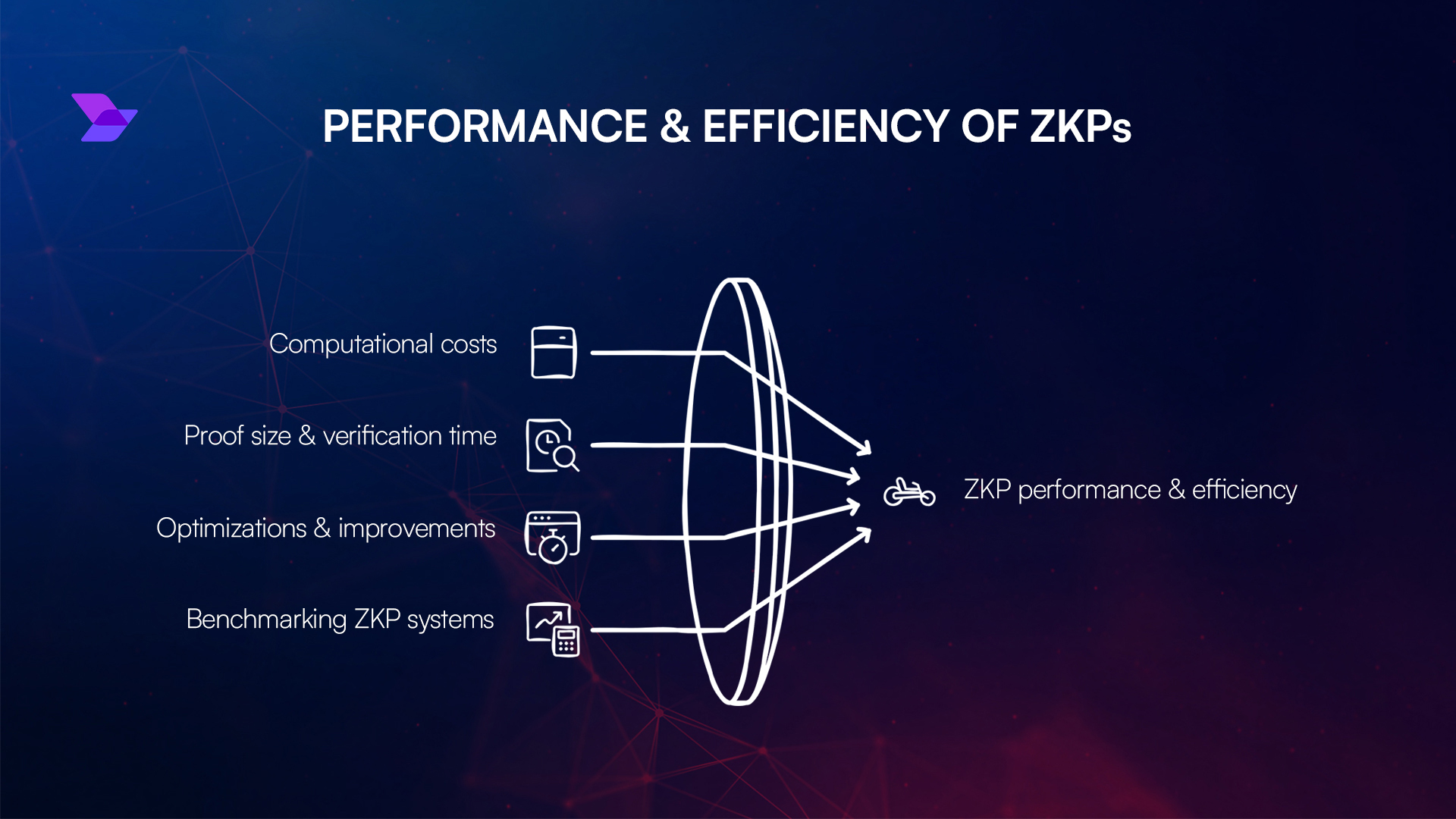
Yet hurdles persist: proof computation demands gas and cycles, though layer-2 scaling and hardware acceleration erode this. Issuers must uphold trust, prompting federated models where banks or oracles sign VCs. Wilson Center stresses the prover-verifier rigor; in practice, ZKCredWallet's UI abstracts this, letting even non-technical users mint proofs with clicks. ArXiv's SSI-ZKP fusion points to permissioned chains evolving into hybrids, where verifiable credentials DeFi privacy becomes table stakes.
Real-World Momentum: ZK Credentials Scaling Now
Stellar's use cases ground this in reality: prove solvency snippets for lending or age for NFT drops, extensible to DeFi's frontier. Nethermind envisions institutions trading flows obscured, customer tiers signaled cryptographically. ZKCredWallet positions users ahead, storing diverse VCs - from Altme's AI age proofs to robust KYC badges - ready for any protocol's verifier.
ZK-KYC vs Traditional KYC
| Aspect | Traditional KYC | ZK-KYC |
|---|---|---|
| Privacy | Selective | Full 🔒 |
| Friction | High | Low 🚀 |
| Scalability | Centralized | Onchain 📈 |
| Compliance Audit | Data-Heavy | Proof-Based ✅ |
Deutsche Bank's nod to automated AML underscores the pivot: credentials port across assets, preempting illicit flows without dossiers. Togggle's zkKYC tokens embed this evidence, verifiable eternally. As a markets observer, I see parallels to energy supply chains: disruptions demand verifiable flows minus opacity; ZK delivers that for identity in Web3.
Developers favor ZKCredWallet for its SDKs, crafting custom circuits for niche proofs like "net worth exceeds $1M" or "sanction-free. " This selective power redefines access, rewarding verified patience over blind entry.
Overcoming Challenges in ZK-KYC Rollout
Scalability bites early adopters, with proof gen taxing mobile devices, but recursive SNARKs and appchains compress this. Regulatory clarity lags, though EU's MiCA and US pilots signal green lights for privacy tech. ZKCredWallet mitigates via hybrid issuance: offchain checks, onchain proofs, audited transparently.
Patient observers thrive here, as commodities taught me. ZK credentials fortify DeFi against overreach, blending sovereignty with scrutiny. Platforms wielding them - from zkVerified pools to next-gen DEXes - lure capital flows long starved. Download ZKCredWallet today, issue your first proof, and step into compliant, private yields that respect your data as fiercely as your capital.




No comments yet. Be the first to share your thoughts!