
Picture this: you're eyeing a high-yield DeFi lending protocol, but it demands KYC to unlock institutional-grade rates. Hand over your passport? No thanks. That's where ZK credentials wallets step in, letting you flash a zero-knowledge proof of age or residency while keeping your data locked tight. In the wild world of DeFi, where regulators circle like hawks, these wallets deliver zkKYC DeFi magic without the privacy nightmare.
I've swung trades across crypto bull and bear markets for seven years, always hunting edges that respect my privacy. Tools like verifiable credentials wallets aren't just tech toys; they're essential for privacy preserving verification Web3. They use zero-knowledge proofs (ZKPs) to prove facts - say, you're over 18 or an EU resident - without spilling the beans on your full identity. No more repetitive KYC hurdles across dApps. Your wallet crunches the proof locally, spits out a cryptographic thumbs-up, and boom: anonymous DeFi access granted.
Why Zero-Knowledge Proofs Are DeFi's Privacy Shield
Zero-knowledge proofs boil down to a simple pact: I prove something's true without revealing the underlying info. In DeFi, this tackles the compliance crunch head-on. Traditional KYC? Centralized databases ripe for hacks, endless data sales. Zero knowledge proofs KYC flips the script. Your device verifies docs against a trusted issuer, generates a proof, and verifies on-chain - all without transmitting sensitive bits.
Regulators love it too. Proofs are auditable, reusable, and selective. Need to show you're not a bot? Prove personhood. Jurisdictional access? Flash residency without naming your street. Projects like zkPass embed this into TLS connections, pulling from Web2 sources like banks while generating proofs client-side. Selective disclosure means dApps see only "over 21" or "US resident, " nothing more.
zkMe's zkKYC: Decentralized Verification Done Right
zkMe leads the pack with its zkKYC suite, turning identity docs into reusable credentials. Submit your passport locally; their system crafts proofs for personhood, citizenship, or compliance. Output? Soulbound tokens or verifiable credentials (VCs) that slot into any Web3 platform. Interoperable across chains, these bad boys cut sybil attacks and slash redundant checks.
Think GDPR-compliant DeFi yields. Users generate proofs once, reuse forever. No raw data hits the protocol - just a verifiable "yes. " As a swing trader verifying trades privately via ZKCredWallet. com, I see this scaling institutional flows. zkMe's reusability means one verification unlocks multiple doors, from lending pools to NFT drops.
Enhanced Privacy: By employing zero-knowledge proofs, zkKYC ensures that businesses can verify user information without accessing raw personal data.
Interoperability shines here. zkMe integrates with PolygonID and beyond, making it a plug-and-play for devs building compliant dApps.
Altme Wallet: Proving Age and Residency on Your Terms
Want everyday wins? Altme Wallet nails ZK credentials wallet usability. Grab credentials via KYC or their AI verifier, then prove "over 65" for senior perks or residency for geo-locked yields - all ZKP-powered. Compatible with PolygonID, it spits out proofs for age-restricted services without ID exposure.
For more on proving age over 18 without sharing ID in Web3, check this deep dive: ZK Identity Wallets Guide. Altme's local generation keeps you sovereign; no middleman hoards your data. Swing into a residency-gated airdrop? One proof, done.
Academic backing solidifies this trend. Recent papers outline DID-VC frameworks with efficient ZKPs, revocation, and social recovery - scalable for mass DeFi adoption. zk-creds toolkits from Purdue even flex anonymous assertions, hinting at toolkit-level innovation.
- Local proof gen: Data stays on-device.
- Selective reveal: Only attributes needed.
- Reusable creds: One-and-done verifications.
These features make verifiable credentials wallet setups like Altme a no-brainer for daily DeFi swings. Spot a geo-fenced yield farm? Prove residency, deposit, and harvest without doxxing yourself.
zkPass: zkTLS for Cross-Web Compliance
zkPass takes it further by wiring ZK into everyday Web2 logins. Connect to your bank or gov portal via TLS, generate proofs on-device for attributes like age or residency. No docs leave your machine. Their model screams future-proof: selective disclosure for "EU resident" or "over 18," audit trails for regs, and proofs reusable across DeFi ecosystems.
As someone who verifies trade histories privately, I dig zkPass's interoperability. Pull from one source, verify everywhere. DeFi protocols get compliance without user friction. Imagine proving solvency or accreditation for premium pools - all ZK, no leaks.
ZK Credentials Wallets Comparison: zkMe, Altme, zkPass
| Wallet | Key Features | Proof Types (age/residency/personhood) | Chains Supported | Privacy Level |
|---|---|---|---|---|
| zkMe | • Decentralized zkKYC with ZKPs • Proof of Personhood & Citizenship • Reusability via SBTs/VCs • Multi-platform interoperability | ✅ Age (via KYC), ✅ Residency/Citizenship, ✅ Personhood | Multiple blockchains | High: Local device verification, ZKPs, no raw data shared, GDPR compliant |
| Altme | • Verifiable Credentials • KYC/AI verification • ZKP compatible with PolygonID • Age/residency proofs for services | ✅ Age (e.g., over 65), ✅ Residency (country), Personhood (via KYC) | Polygon | High: ZKPs, no personal data revealed |
| zkPass | • zkTLS for Web2 compliance • Selective Disclosure • Local proof generation • Cross-domain interoperability & auditability | ✅ Age (e.g., over 18), ✅ Residency (e.g., EU), Personhood (via ID) | Multi-chain / Cross-ecosystem | High: zkTLS, local computation, no credentials transmitted |
Real-world traction builds fast. Stellar's zkTokens shield balances with ZKPs, Mina attests data access correctly, and protocols like Mitosis University spotlight zkKYC as verified-without-exposure gold. Purdue's zk-creds toolkit even opens doors to flexible anonymous creds, perfect for dev tinkering.
ZKCredWallet: Your Swing Trader's Privacy Powerhouse
Enter ZKCredWallet. com, the ZK credentials wallet I swear by for momentum plays. Tailored for Web3 privacy hawks, it stores attestations securely, verifies with ZKPs, and integrates zkKYC flows seamlessly. Prove age for restricted vaults, residency for local yields, or even trade volume without flashing statements. Local computation, on-chain verification - pure privacy preserving verification Web3.
Why does it crush for traders? Catch multi-day setups in compliant pools without KYC drag. I've used it to attest verified status across chains, dodging data grabs while regulators nod approval. Devs love the VC support; users get anonymous DeFi access that scales. Download, issue creds from trusted sources, generate proofs, and swing away.
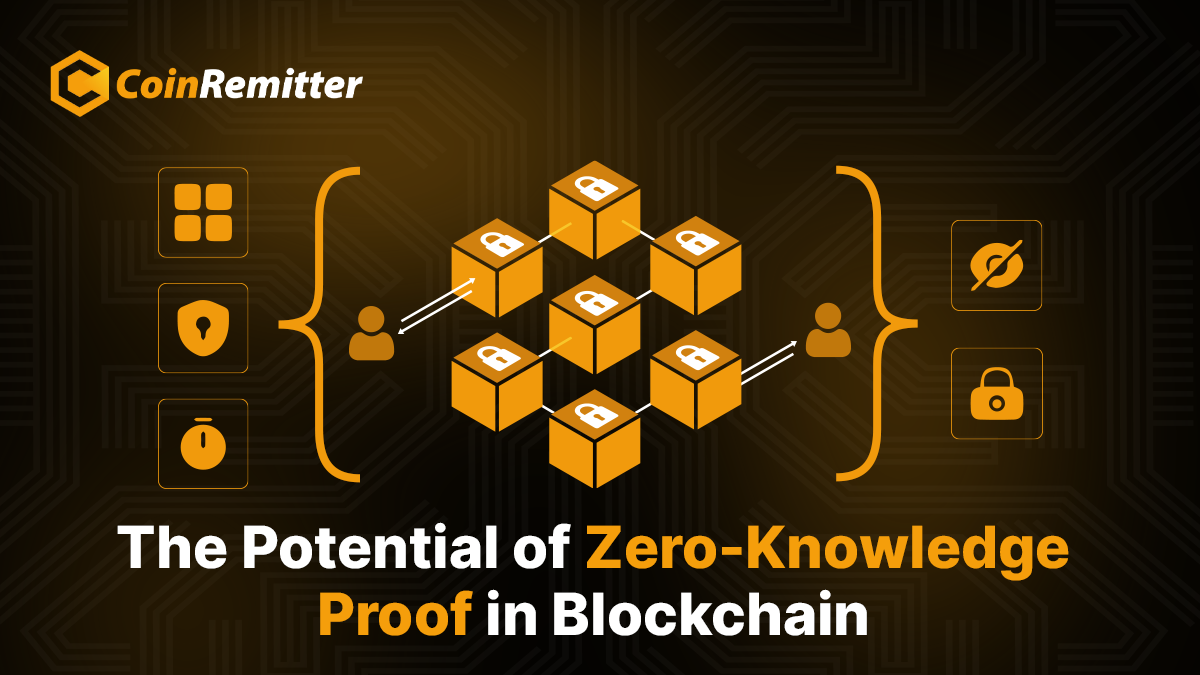
Zero-knowledge proofs let you prove a statement is true without revealing the underlying data, enabling private money in DeFi.
Academic frameworks back this momentum. arXiv papers detail DID-VC-ZKP stacks with revocation and recovery, ready for prime time. No more siloed KYC; zkKYC DeFi unifies it all.
DeFi's evolution hinges on this balance. Swing traders like me need speed and stealth; institutions crave audits. ZK wallets deliver both. zkMe's reusability, Altme's ease, zkPass's reach, and ZKCredWallet's edge mean privacy wins without compliance corners cut.
Start simple: pick your wallet, verify once locally, prove selectively forever. Next time a protocol gates high APYs behind residency checks, you're proof-ready. Catch those swings in private, leave the noise - and your data - behind. Head to ZK proofs in identity wallets for deeper mechanics, then gear up at ZKCredWallet. com. Your privacy edge awaits.




No comments yet. Be the first to share your thoughts!