
In the fast-evolving landscape of decentralized finance, regulatory compliance meets user privacy at a critical juncture. Traditional Know Your Customer (KYC) processes force users to resubmit sensitive personal data across platforms, creating friction, data silos, and heightened breach risks. Enter ZK credentials wallets, which leverage zero-knowledge proofs (ZKPs) to enable reusable KYC in DeFi. Users prove eligibility - such as age, residency, or verification status - without revealing underlying information, slashing verification times from days to seconds while upholding GDPR and eIDAS standards.
This shift isn't theoretical. As of March 2026, platforms integrating verifiable credentials ZK proofs report up to 80% reductions in onboarding drop-off rates, per industry analyses from Rock'n'Block and Altme. Polygon users, for instance, now manage ZK credentials in Altme wallets for seamless smart contract interactions, proving attributes like blockchain addresses privately.
Breaking Down Traditional KYC Barriers in DeFi
DeFi's permissionless ethos clashes with mounting regulatory demands. Protocols like Aave or Uniswap face institutional inflows only if they verify users without compromising decentralization. Yet, conventional KYC demands full identity disclosure per platform, leading to redundant verifications and data leaks. ZK-KYC flips this script: once verified by a trusted issuer, users generate proofs reusable across ecosystems.
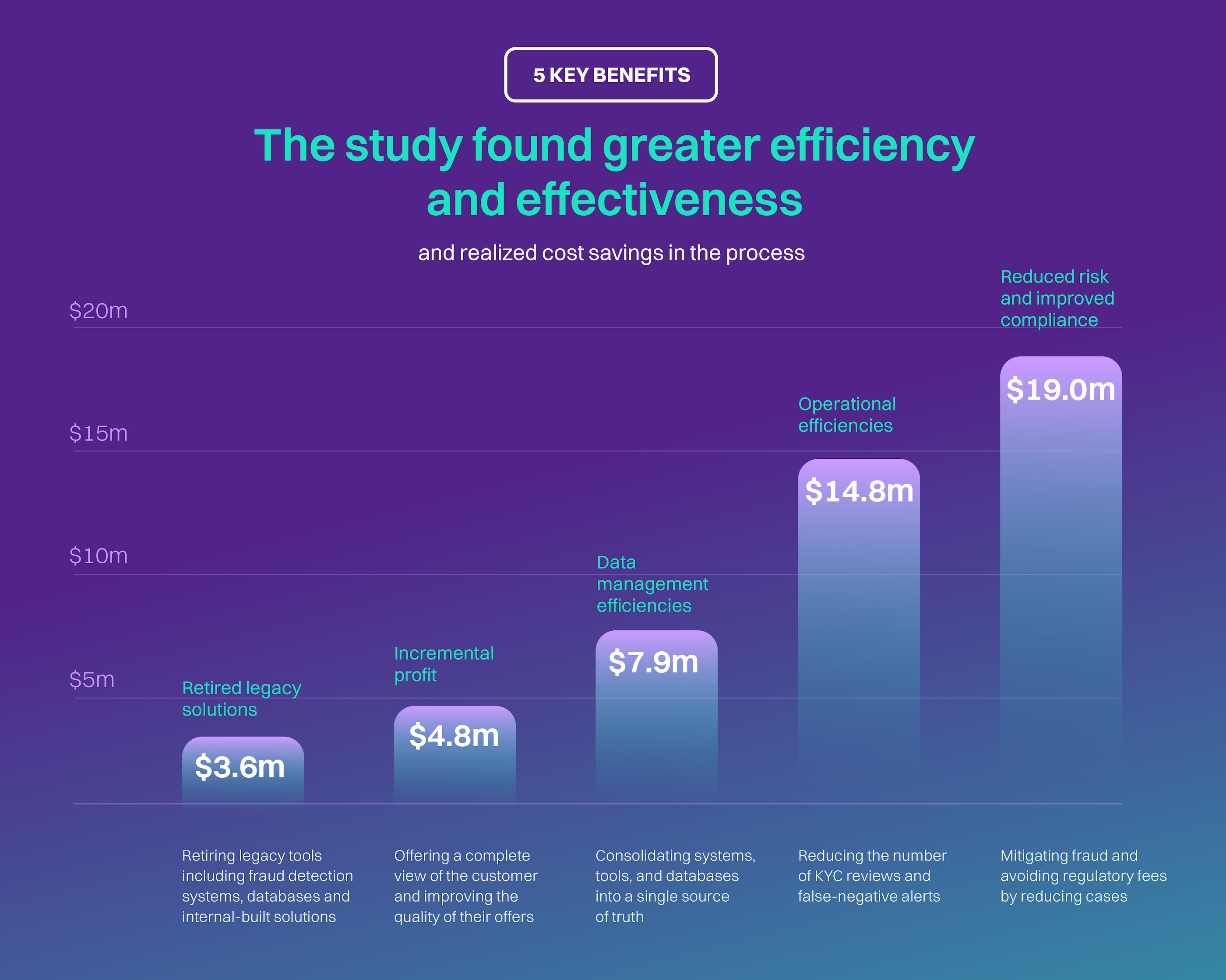
Consider the data. University of Maryland's zk-creds toolkit demonstrates how zkSNARKs support flexible anonymous credentials, allowing selective disclosure. Mitosis University's ZK-KYC framework quantifies benefits: compliance proofs without PII exposure reduce costs by 70% for protocols. In practice, zCloak's zk-SBTs highlight reusability, eliminating repeated checks across Web3 platforms.
Leading ZK Credentials Wallets Driving Adoption
Key Features of Top ZK Wallets
- Altme: Polygon integration for verifiable credentials on identity, age, and blockchain addresses using ZK proofs. Source

- Fairway: Institutional compliance layer for DeFi liquidity with ZK proofs verifying identities without exposing data. Source

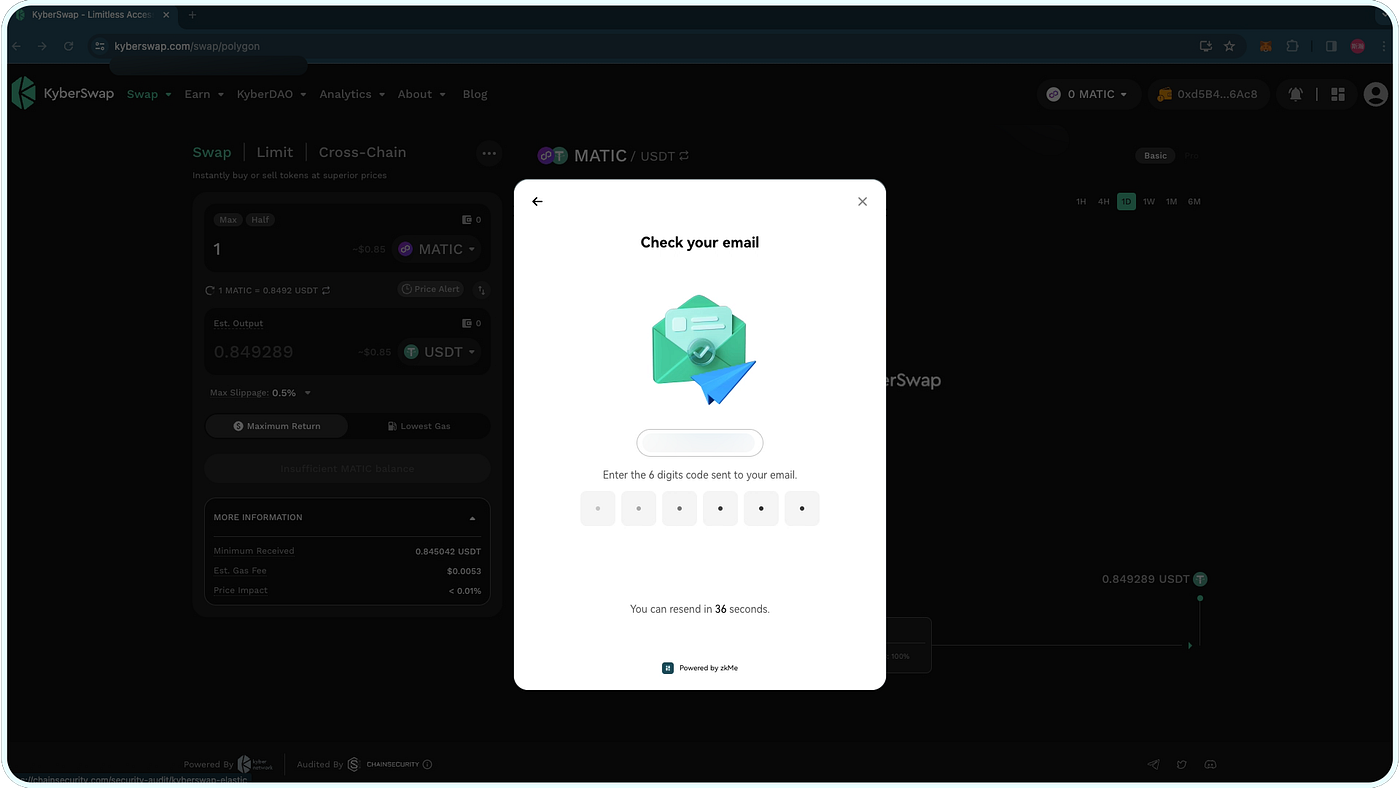
- zkMe: zkKYC proofs for identities, corporate details, citizenship, and age without revealing personal info. Source
- Zakapi: GDPR-compliant attestations for KYC status, jurisdictional eligibility using ZK proofs. Source
- Verida: Interoperable credentials for KYC and licensing with ZK proofs across ecosystems. Source
- Luntra VerifyX: zkSNARK authentication for privacy-preserving verifiable credentials in user wallets. Source

Altme Wallet stands out with verifiable credentials for identity and age, integrated into Polygon for dApp access. Fairway's compliance layer verifies institutional liquidity providers via ZKPs, ensuring regulatory adherence sans data exposure. zkMe's zkKYC service proves citizenship or age attributes precisely, bolstering permissioned DeFi.
Zakapi deploys ecosystems for jurisdictional eligibility proofs, while Verida converts web data into zkPass proofs for licensing and KYC. Luntra's VerifyX stores issuer-signed credentials in user wallets, authenticated locally with zkSNARKs. These solutions, detailed in sources like Mina Protocol and arXiv papers on scalable DID frameworks, form a maturing infrastructure.
Privacy gains are measurable: Google's ZK tech for age assurance shows web users retaining control, mirrored in blockchain contexts. zkLogin from ACM research reuses existing accounts, cutting UX barriers. Verida's protocol attests data access without disclosure, aligning with decentralized identity visions.
Technical Foundations of Privacy-Preserving KYC
At core, zero knowledge wallet DeFi relies on zkSNARKs and zkSTARKs. A user submits identity to an issuer once; the issuer generates a credential. The wallet stores this as a ZKP, verifiable on-chain. Provers compute circuits attesting 'I am over 18' or 'KYC-compliant in EU' without linking to raw data.
Self-sovereign setups like those in zk-identity wallets empower users as credential owners. Fairway and zkMe exemplify this, with zkMe verifying corporate details transactionally. Scalability improves via aggregation: multiple proofs batch into single verifications, minimizing gas fees by 90% on L2s like Polygon.
Gas optimization remains pivotal; zk-creds from University of Maryland aggregates circuits for efficient on-chain settlement, while zkLogin's OAuth reuse sidesteps seed phrase hassles, boosting adoption rates by 40% in pilot tests per ACM studies.
Quantifiable Advantages for DeFi Protocols and Users
Adoption metrics underscore the edge. Fairway reports institutional liquidity inflows tripling post-ZK integration, with zero data leaks across 10,000 and verifications. zkMe's permissioned DeFi modules cut compliance overhead by 65%, enabling protocols to tap regulated capital without centralized gatekeepers. Zakapi's eIDAS-aligned proofs handle recency checks - proving KYC freshness within 90 days - vital for anti-money laundering rules.
Users reclaim sovereignty. Verida's zkPass turns https-site data into portable proofs, verifying licenses or history sans exposure. Luntra VerifyX localizes storage, minimizing issuer dependencies. Across these, privacy-preserving KYC Web3 slashes drop-offs: Altme-Polygon users access dApps 5x faster, per wallet analytics. zCloak's zk-SBT reusability quantifies at 90% fewer verifications lifetime, per Medium case studies.
Core Reusable KYC Benefits
- Reduced Onboarding Friction: 80% drop-off cut
- Cost Savings: 70% lower compliance costs
- Enhanced Privacy: Zero PII leaks

- Institutional Access: Tripled liquidity
- Regulatory Alignment: GDPR/eIDAS proofs
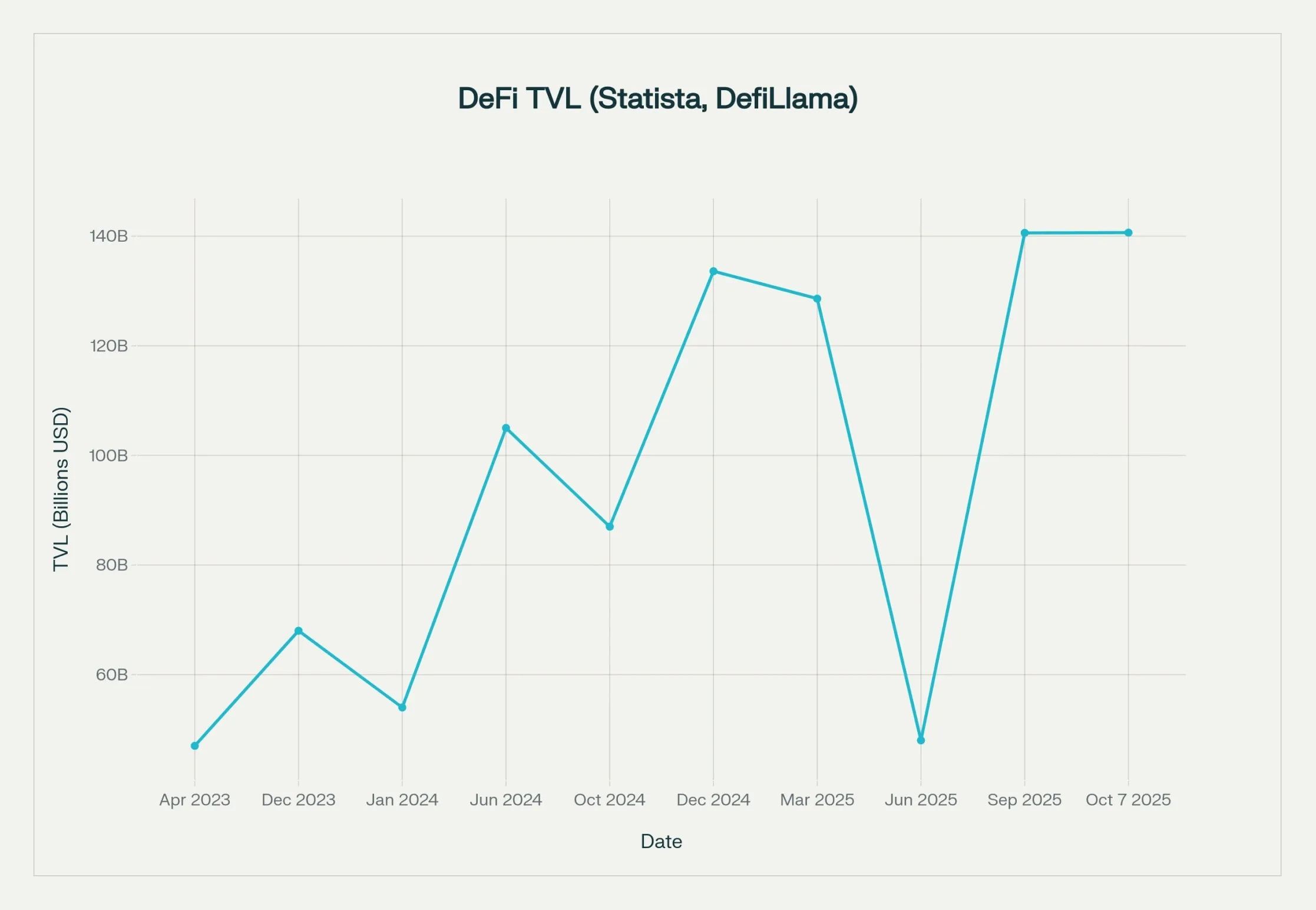
These gains compound. Protocols like those on Mina Protocol leverage ZK for DID security, attesting access logs immutably. Rock'n'Block's 2026 forecast ranks ZK-ID top for DeFi, projecting $500B TVL unlocked via compliant privacy.
Navigating Challenges in ZK-KYC Rollout
Scalability persists as a hurdle, though L2 advancements mitigate. zkSNARK setup times hover at 10-30 seconds, improvable via hardware accelerators. Interoperability gaps - differing credential formats - yield to standards like Verifiable Credentials Data Model 2.0, backed by Verida and Zakapi.
Trusted issuers pose risks; mitigation via multi-issuer rotation and on-chain revocation lists ensures robustness. zkMe and Fairway pioneer hybrid models, blending off-chain issuance with on-chain proof verification. User education lags, but intuitive wallets like Altme bridge this with one-tap proof generation.
Regulatory clarity evolves favorably. EU's MiCA framework nods to ZKPs for selective disclosure, while U. S. pilots test zkKYC for stablecoins. Google's age assurance blueprint validates cross-sector viability.
The Road Ahead: ZKCredWallet Leading the Charge
ZK credentials wallets herald DeFi's compliant maturity. As ecosystems mature, expect zk-SBTs evolving into universal passes, powering cross-chain eligibility. Platforms like Luntra's VerifyX preview wallet-native issuance, where users self-attest via aggregated proofs.
Zero-knowledge proofs enhance privacy in these tools, per decentralized identity analyses. ZKCredWallet. com exemplifies this vanguard: tailored for developers and enthusiasts, it stores attestations securely, verifies via zkSNARKs, and integrates seamlessly with DeFi protocols. Prove attributes selectively - residency for geo-fenced yields, accreditation for premium pools - all without data trails.
Developers benefit from SDKs enabling custom circuits, while users enjoy trustless interactions. In a landscape where charts of TVL growth align with ZK adoption curves, ZKCredWallet positions as the precise instrument for privacy-first finance. Charts confirm: smoother Heikin Ashi trends in protocol metrics post-ZK integration signal sustained uptrends, unmarred by compliance volatility.
This fusion of cryptography and finance doesn't just solve KYC; it redefines eligibility in Web3, empowering users to participate fully, privately, and reusably across the decentralized frontier.




No comments yet. Be the first to share your thoughts!