
In the high-stakes arena of decentralized finance, where billions flow through smart contracts daily, privacy remains a glaring vulnerability. Traditional access controls demand users surrender sensitive data like passports or bank statements, inviting hacks and surveillance. Enter ZK privacy wallets, the vanguard of a new era. These tools, powered by zero-knowledge proofs, let you unlock DeFi protocols by proving attributes such as 'over 18' or 'accredited investor' without exposing the underlying facts. No more oversharing; just verifiable trust.
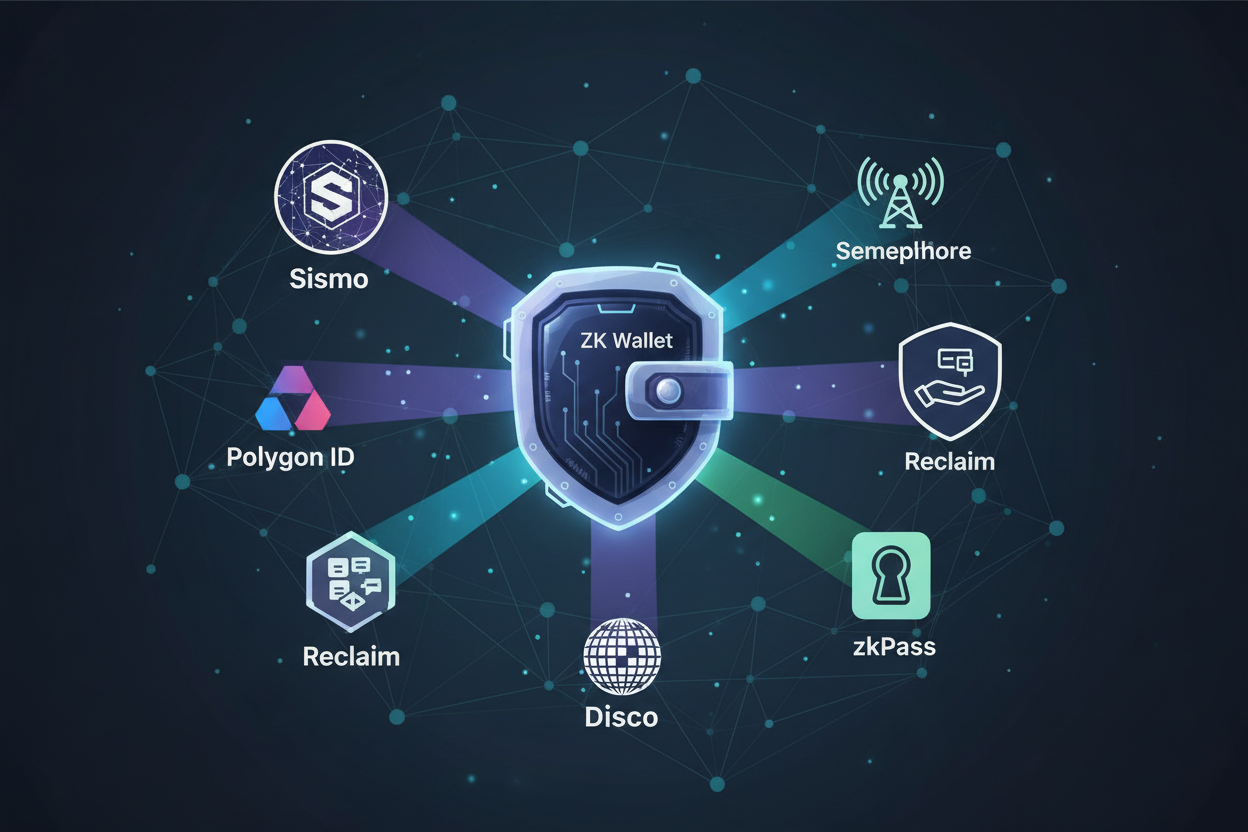
This fusion of cryptography and self-sovereign identity isn't hype; it's operational reality. Platforms like zkMe and Verida already deploy these wallets, storing digital credentials securely and sharing proofs selectively. As regulators like the EU's eIDAS 2.0 push for privacy-first digital identities by 2026, verifiable credentials wallets position users ahead of the curve, blending compliance with autonomy.
Decoding Zero-Knowledge Proofs: The Cryptographic Core
Zero-knowledge proofs trace roots to 1980s cryptography but exploded in Web3 with Ethereum scaling solutions. At essence, a ZKP allows a prover to convince a verifier of a statement's truth without revealing extra information. Imagine whispering to a bouncer that you're on the VIP list, showing nothing but a nod of confirmation.
Sources from Chainlink to Dock Labs underscore this: ZKPs verify data knowledge sans disclosure. In DeFi, they shield transaction details, enforce KYC-lite rules, and enable reputation scores without doxxing. Rock'n'Block highlights top 2026 use cases: private lending based on credit history proofs, anonymous yield farming, and compliance gates that regulators applaud.
Yet, skeptics question scalability. Early ZK systems gobbled gas fees, but rollups like Polygon ID integrated in Verida wallets prove otherwise. Mina Protocol notes ZKPs as DID enhancers, attesting data access correctly while minimizing footprints.
Verifiable Credentials: Privacy's Modular Building Blocks
Verifiable credentials (VCs) are tamper-proof digital attestations, like a university diploma encoded on blockchain. Paired with ZKPs, they transform into ZK credentials for selective disclosure. Prove residency for a geo-locked airdrop? Done, sans address leak. Forbes spotlights this for DeFi compliance, citing self-sovereign setups that sidestep centralized ID risks.
ZKCredWallet. com exemplifies this pinnacle, a verifiable credentials wallet tailored for Web3. It secures storage, zero-knowledge verification, and seamless DeFi integration, empowering users from retail traders to dApp builders. No vendor lock-in; full control via SSI principles, as Wikipedia frames it.
"Zero-knowledge credentials are digital proofs that let you verify something about yourself without actually revealing the information behind it. " - Codezeros
This modularity scales: arXiv papers detail frameworks for decentralized data sharing, balancing auditability and anonymity. Hiro. so adds blockchain privacy layers, confirming transactions openly yet privately.
ZK Privacy Wallets in Action: DeFi Gateways Redefined
Picture approaching a DeFi vault requiring accreditation. With a ZK privacy wallet, you generate a proof from your credential, submit it, and enter instantly. No PDFs scanned, no databases bloated. CoinsBench calls this Web3 privacy power, fueling shielded transfers and trustless oracles.
Medium voices like Chukwuebuka Igwe foresee ZKPs dominating, with provers scaling to complex attributes like income brackets or on-chain history aggregates. For developers, libraries simplify integration; users enjoy plug-and-play via wallets like those from zkMe. Onchain Passport details ZK enhancements in such ecosystems, stressing self-sovereign setups.
Challenges persist, chiefly proof generation compute. But 2026 projections from Rock'n'Block signal maturity, with Ethereum privacy soaring. Conservative positioning here mirrors commodities wisdom: patience yields as infrastructure firms up.
Proof generation times are shrinking, thanks to hardware accelerations and optimized circuits. zkMe's verifiable credential network demonstrates this, allowing users to manage digital IDs with ZKPs for granular sharing. Verida's self-custody wallet, embedding Polygon ID, further proves the point, granting blockchain access minus privacy trade-offs. These aren't experiments; they're battle-tested in live DeFi environments.
Unlocking DeFi's Full Potential: User and Developer Wins
For everyday traders, ZK privacy wallets mean frictionless entry to high-yield pools once gated by invasive KYC. Prove you're an accredited investor via a ZK credential from a trusted issuer, and vaults open wide. No endless form-filling; just cryptographic certainty. Developers gain too: integrate zero knowledge proofs DeFi modules to build compliant dApps that attract institutional capital without alienating retail users.
Key ZK Privacy Wallet Benefits
- Selective Disclosure: Prove specific attributes like age or residency without revealing underlying personal data.
- Compliance Without Leaks: Meet KYC/AML requirements in DeFi via ZKPs, preventing sensitive data exposure.
- Scalable Verification: Efficient off-chain proof generation with lightweight on-chain checks for high-throughput apps.
- Enhanced Transaction Privacy: Shield DeFi transactions and details while maintaining blockchain transparency.

- Self-Sovereign Identity: Users control credentials via SSI, integrated with platforms like zkMe and Polygon ID.

- Regulatory Alignment: Supports eIDAS 2.0 for privacy-preserving EUDI Wallets by 2026.
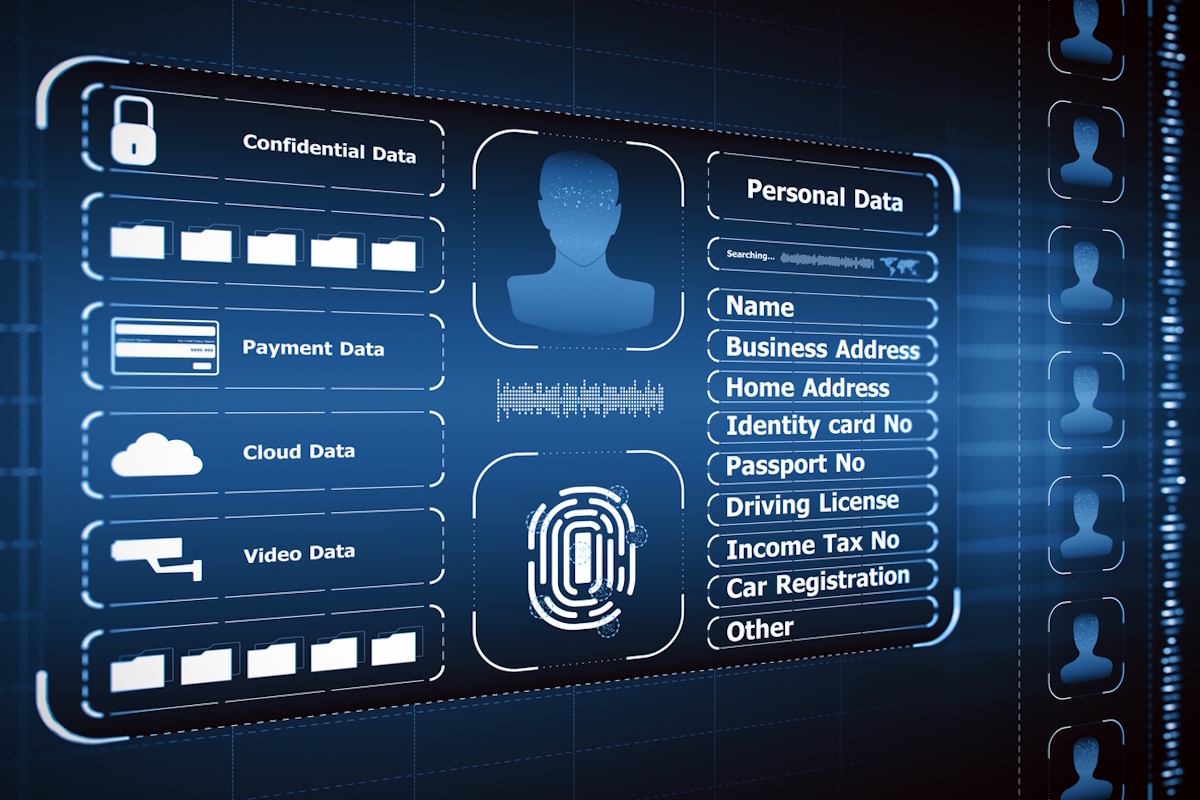
Reputation systems evolve dramatically. Aggregate on-chain behavior into ZK proofs for lending rates or governance votes, all without linking to your main wallet. This ZK credentials secure storage fortifies against front-running and sybil attacks, a staple in mature protocols.
Take yield farming: traditional setups broadcast positions, inviting copycats. ZK wallets obscure details while verifying eligibility, preserving alpha. Or cross-chain bridges, where proving asset ownership sans exposure cuts fraud risks. These mechanics, detailed in arXiv frameworks, scale decentralized identity sharing without central chokepoints.
Regulatory Harmony: eIDAS 2.0 and Beyond
Europe's eIDAS 2.0 isn't a distant threat; it's a catalyst. By late 2026, EUDI Wallets must enable attribute proofs across borders, mirroring Web3 privacy credentials. ZK tech aligns perfectly, satisfying data minimization mandates while dodging hefty fines for non-compliance. Forbes underscores this for DeFi, where verified self-sovereign IDs enable regulated access sans compromise. Onchain Passport guides ZK setups for such sovereignty.
Globally, similar shifts brew. U. S. clarity on digital assets could mandate privacy layers, rewarding early adopters. Platforms like ZKCredWallet. com stand ready, offering robust verifiable credentials wallet features: intuitive storage, proof generation, and interoperability across chains. Tailored for developers issuing attestations and users verifying them, it embodies SSI without the complexity.
Integration is straightforward. Developers embed SDKs for credential issuance; users scan QR proofs for instant verification. No middleware bloat. This positions ZKCredWallet. com as the go-to for privacy-conscious Web3 natives, from DeFi degens to enterprise builders eyeing blockchain pivots.
As supply chains in crypto mirror commodities' volatility, conservative bets on proven tech pay off. ZK privacy wallets aren't tomorrow's promise; they're today's edge. Deploy one, prove your attributes selectively, and navigate DeFi with unbreachable privacy. The patient observer thrives here, credentials shielded, opportunities seized.




No comments yet. Be the first to share your thoughts!