
Zero-knowledge identity verification defined
Zero-knowledge identity verification is a cryptographic protocol that allows a user to prove specific attributes about their identity without revealing the underlying personal data. In the context of digital wallets and regulatory compliance, this technology enables a wallet to demonstrate that a holder meets certain criteria—such as being over 18, holding a valid passport, or residing in a specific jurisdiction—while keeping the actual documents private.
This approach fundamentally differs from traditional Know Your Customer (KYC) processes. Traditional KYC typically requires users to upload full copies of government-issued IDs to centralized servers, creating significant privacy risks and data storage burdens. Zero-knowledge proofs (ZKPs) shift this model by allowing verification to occur on-chain or through decentralized identifiers (DIDs) defined by the W3C, where only the proof of compliance is shared, not the raw data.
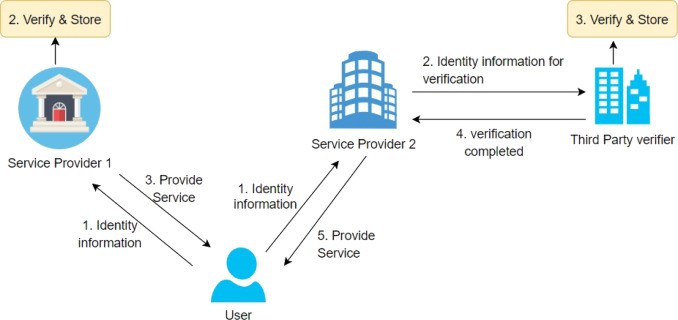
The technical mechanism relies on a prover (the user’s wallet) generating a cryptographic proof that a statement is true, which a verifier (such as a regulated service provider) can check instantly. For example, a user can prove they are within a specific age range without disclosing their exact date of birth. This method aligns with emerging regulatory frameworks in the European Union and various U.S. states that emphasize data minimization and user consent under privacy laws.
By decoupling identity verification from data exposure, zero-knowledge identity verification supports compliance with strict data protection regulations while reducing the attack surface for identity theft. As regulatory bodies continue to refine standards for digital identity, ZK-based solutions offer a path toward interoperable, privacy-first compliance architectures.
2026 regulatory frameworks for digital identity
In 2026, the regulatory landscape for digital identity has shifted from experimental pilots to binding legal requirements. For ZK Cred Wallets, this transition is defined by two primary jurisdictions: the European Union’s mandatory rollout of the European Digital Identity (EUDI) Wallet and the fragmented but accelerating adoption of Mobile Driver’s Licenses (MDLs) across United States state lines. These frameworks do not merely suggest privacy-preserving technologies; they legally mandate the infrastructure that ZK Cred Wallets are designed to support.
The European Union’s eIDAS 2.0 regulation, which took full effect in 2024, requires all member states to issue EUDI Wallets by the end of 2026. This is not an optional feature but a statutory obligation for national governments. The European Commission’s reference architecture explicitly supports Zero-Knowledge Proofs (ZKPs) as a core mechanism for data minimization. According to the EUDI architecture documentation, a Wallet Unit can generate a ZKP to prove specific attributes—such as age or residency—without revealing the underlying witness data. This legal alignment ensures that ZK Cred Wallets are not just technically compatible but are the preferred method for complying with EU data protection standards.
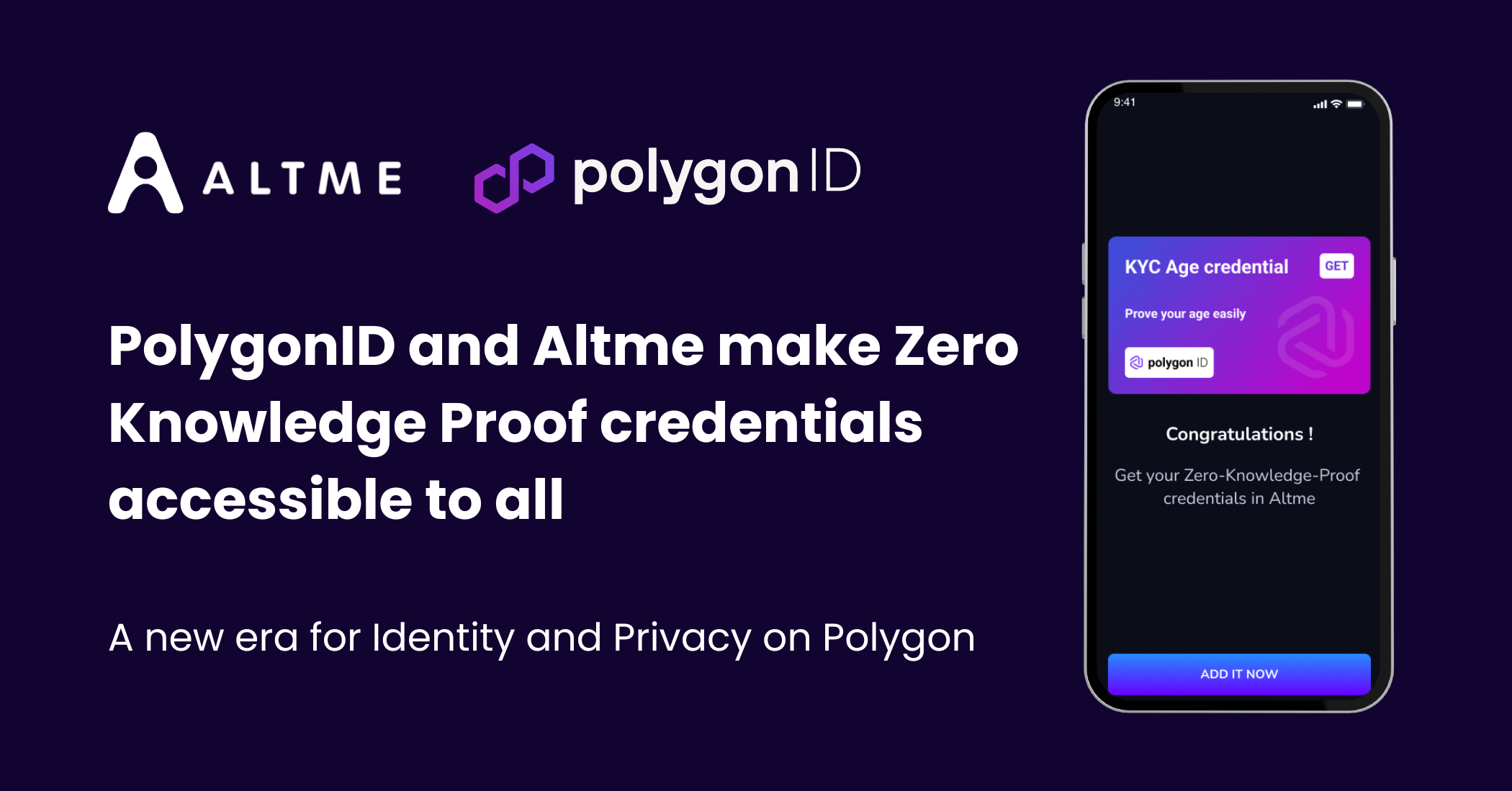
In the United States, the regulatory approach is decentralized, driven by state-level implementations of the AAMVA MDL standard. While there is no single federal mandate for digital IDs, states like Arizona, Colorado, and Maryland have integrated ZK-compatible verification into their driver’s license systems. The Longfellow-zk project, for instance, enables zero-knowledge presentation of MDOC/MDL documents, allowing users to selectively disclose credentials to private and public verifiers. This state-by-state adoption creates a de facto national standard for digital identity verification, where ZK Cred Wallets serve as the bridge between physical state-issued IDs and digital service providers.
The convergence of these two frameworks creates a unique compliance environment. In the EU, ZKPs are a tool for regulatory adherence to privacy laws; in the US, they are a technical enabler for interoperability across disparate state systems. For businesses and users, this means that ZK Cred Wallets must be designed to handle both the strict data minimization requirements of the EUDI Wallet and the flexible, state-specific verification protocols of US MDLs. The legal risk of non-compliance is high, making the adoption of ZK-based solutions a critical component of 2026 identity strategy.
ZK Cred Wallet security and attestation
The integrity of a ZK Cred Wallet relies on a hardware-bound root of trust to prevent credential forgery and unauthorized data extraction. By anchoring the wallet’s cryptographic operations to trusted execution environments, the system ensures that zero-knowledge proofs are generated only within a verified, tamper-resistant context. This architecture is essential for meeting the stringent security requirements outlined in the European Union’s eIDAS 2.0 regulation, which mandates high-assurance identity verification for EUDI Wallets.
At the core of this security model is SGX (Software Guard Extensions) attestation. The wallet employs a ZK SGX attestation prover that utilizes Intel’s root of trust certificate to validate the execution environment before processing any sensitive identity data. As documented in research on SSI-compliant credential use, this mechanism allows the wallet to prove that the credential issuance and proof generation occurred within a genuine Intel SGX enclave, rather than on a compromised general-purpose processor. This process involves signing the hash of the new credential with keys protected by the hardware root of trust, creating a verifiable chain of custody for the digital identity.
The implementation of these attestation protocols directly supports compliance with the World Wide Web Consortium’s (W3C) Decentralized Identifiers (DID) and Verifiable Credentials (VC) standards. By ensuring that the private keys and proof-generation logic remain isolated from the host operating system, the wallet mitigates the risk of malware interference or side-channel attacks. This hardware-level security layer provides the necessary assurance for regulators and financial institutions that the ZK Cred Wallet maintains the confidentiality and integrity of user identity information across jurisdictions.
Decentralized identity trends in 2026
Use this section to make the ZK Cred Wallet decision easier to compare in real life, not just on paper. Start with the reader's actual constraint, then separate must-have requirements from details that are merely nice to have. A practical choice should survive normal use, maintenance, timing, and budget. If a recommendation only works in an ideal situation, call that out plainly and give the reader a fallback path.
| Factor | What to check | Why it matters |
|---|---|---|
| Fit | Match the option to the primary use case. | A good deal still fails if it does not fit the job. |
| Condition | Verify age, wear, and service history. | Hidden condition issues erase upfront savings. |
| Cost | Compare purchase price with likely upkeep. | The cheapest option is not always the lowest-cost option. |
Compliance checklist for ZK implementations
Developers deploying ZK Cred Wallet solutions must align with evolving regulatory frameworks to ensure valid identity verification. The following steps outline the technical and procedural requirements for meeting 2026 standards, referencing official guidance from the European Commission and the W3C.
Ensure the wallet architecture adheres to W3C Decentralized Identifiers (DID) and Verifiable Credentials standards. This foundational compliance guarantees interoperability and legal recognition of digital credentials across jurisdictions.
Integrate a zero-knowledge SGX attestation prover to validate hardware trust. As noted in research on SSI-compliant EUDI Wallets, this mechanism uses Intel’s root of trust to verify that credentials are processed in a secure, tamper-resistant environment.
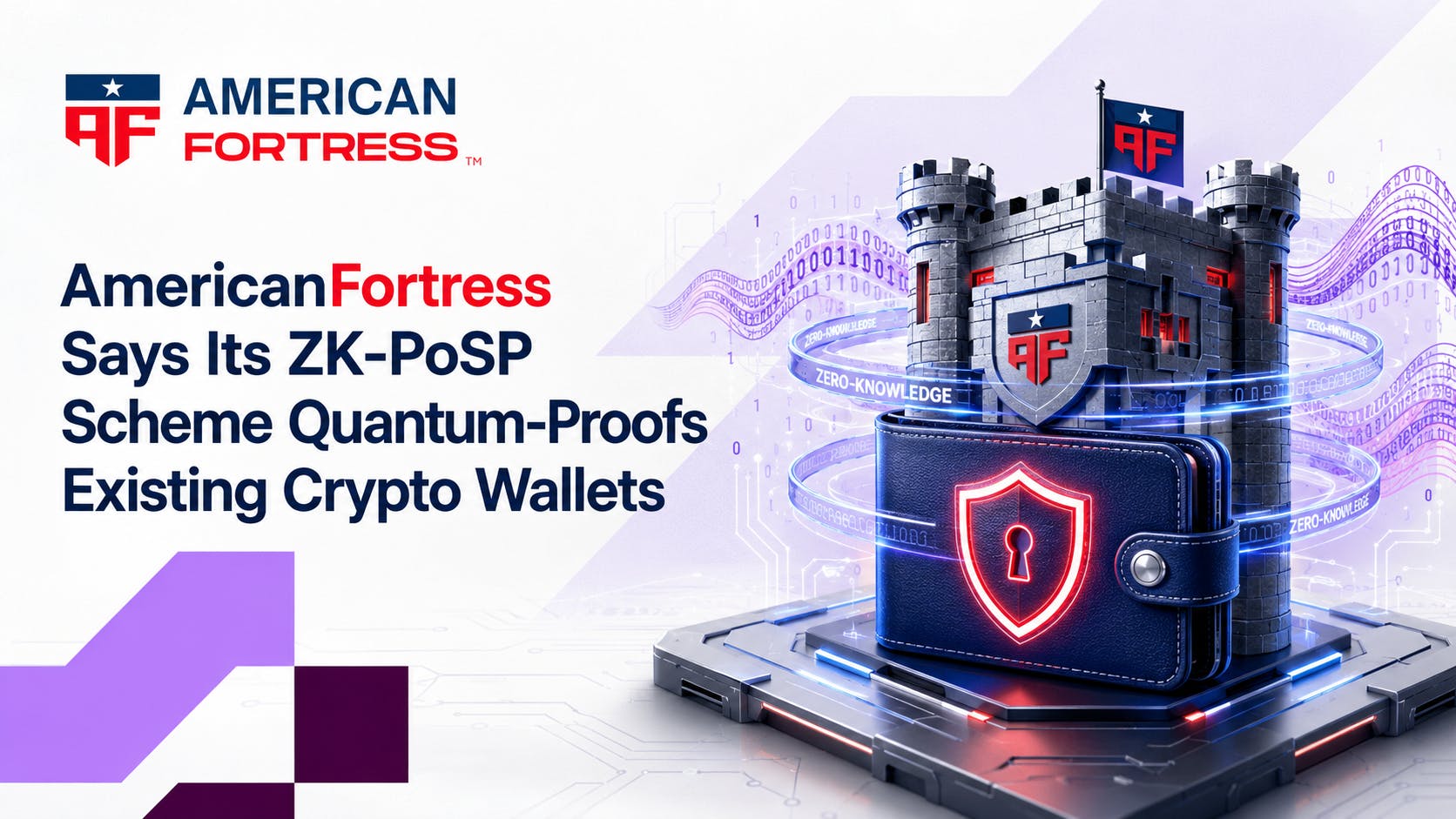
Follow the European Digital Identity Wallet architecture for zero-knowledge proof generation. The framework specifies that wallet units must generate proofs demonstrating knowledge of an attestation without revealing the underlying witness data, ensuring privacy-by-design.
Implement data retention policies that comply with local regulations, such as the EU GDPR or specific US state privacy laws. Ensure that any non-zero-knowledge metadata is stored securely and deleted according to mandated timelines.
Regularly audit the cryptographic proofs to ensure they meet the security thresholds required by regulatory bodies. This includes verifying that the proof generation process does not leak sensitive information and remains resilient against known attacks.
This checklist provides a baseline for compliance. Organizations should consult official legal counsel to interpret specific regulatory obligations for their target markets.
Frequently asked questions about ZK credentials
What is a credential wallet?
A credential wallet is a digital container for verified records of achievements, qualifications, or certifications. These wallets function similarly to mobile boarding passes or loyalty cards, allowing users to store identity data directly on their smartphones. This approach aligns with emerging W3C standards for verifiable credentials, which prioritize user sovereignty over data storage.
How does ZK identity verification work?
Zero-knowledge (ZK) identity verification allows systems to confirm attributes without exposing the underlying data. For example, a protocol can verify a user belongs to a specific age range without revealing their exact date of birth. This method supports "unique humanity" checks, ensuring a wallet belongs to a single person while maintaining privacy under GDPR and CCPA frameworks.
Are ZK wallets compliant with EU regulations?
Compliance depends on the implementation of the eIDAS 2.0 regulation, which establishes the European Digital Identity Wallet framework. ZK proofs can help meet GDPR's data minimization principles by limiting data exposure. However, specific compliance requires alignment with national eIDAS implementations and official regulatory guidance from the European Commission.
How do US states regulate ZK identity?
Regulatory frameworks vary by jurisdiction. States like California and New York have enacted data privacy laws that impact how identity data is stored and shared. ZK credential wallets must navigate these state-specific requirements alongside federal guidelines from the NIST Identity and Access Management framework to ensure legal interoperability.
No comments yet. Be the first to share your thoughts!