
In 2026, as machine learning models power everything from personalized finance recommendations to medical diagnostics, a critical challenge has emerged: verifying AI outputs without compromising user privacy. Enter ZK machine learning verification, where zero-knowledge proofs (ZKPs) allow provers to demonstrate model accuracy and inference validity using credentials wallets, all without revealing underlying data or parameters. Platforms like ZKCredWallet. com are at the forefront, enabling users to store and selectively disclose ZKML verifiable credentials for seamless, trustless interactions in Web3 ecosystems.
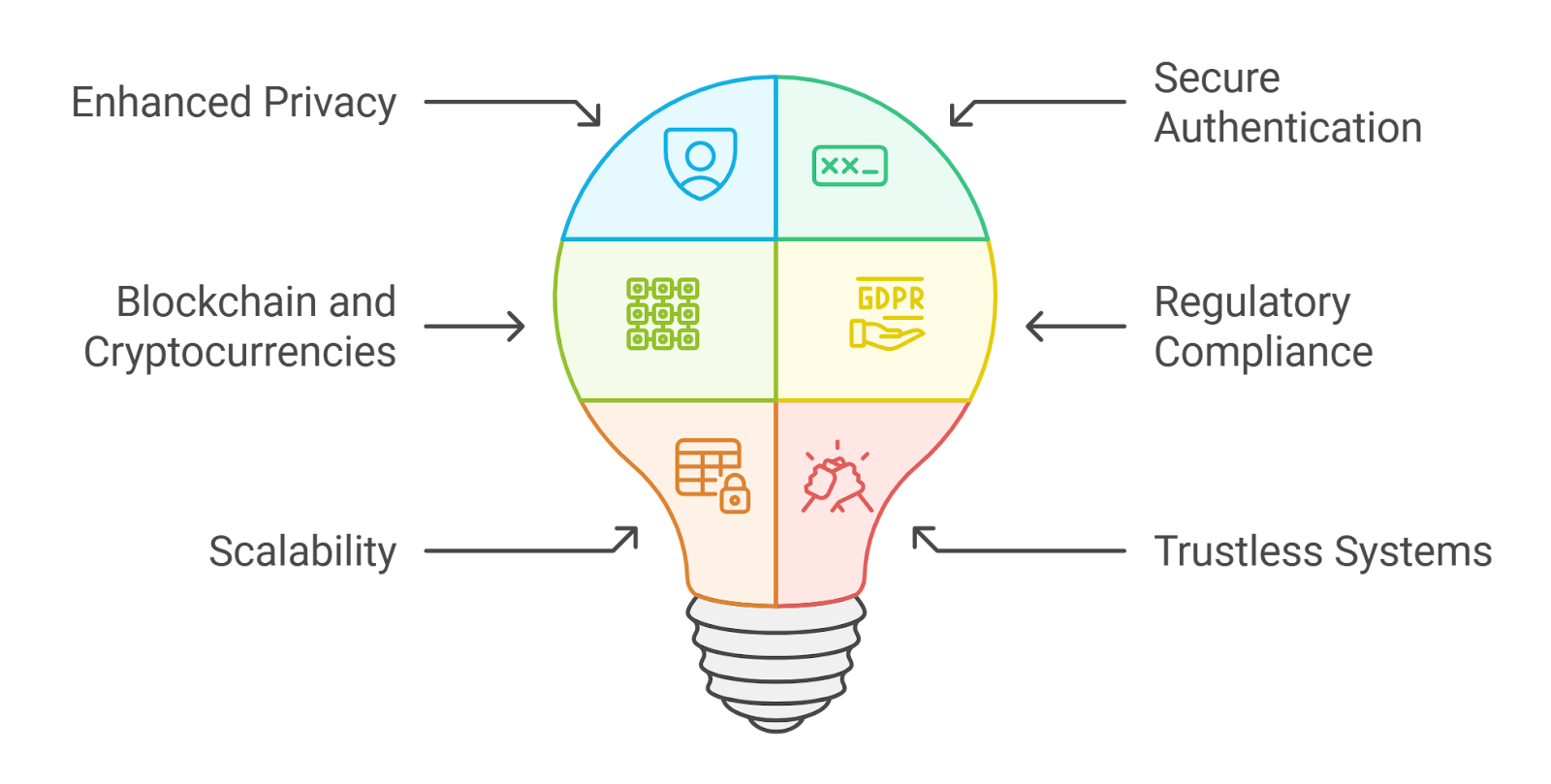
This fusion of ZK technology and verifiable credentials addresses longstanding vulnerabilities in AI deployment. Traditional ML verification often requires exposing sensitive training data or model weights, inviting breaches and regulatory scrutiny. With ZK proofs, a user can prove that an AI inference meets specific criteria; say, a forex trading model predicted a currency pair breakout accurately above a threshold, without sharing the proprietary dataset. ZKCredWallet simplifies this by housing these proofs as attestations, ready for instant verification in DeFi protocols or decentralized apps.
Decoding ZKML: The Cryptographic Backbone of Private AI
Zero-knowledge machine learning, or ZKML, represents a paradigm shift. Imagine a scenario where a developer runs an AI job on private inputs, generates a proof via libraries like Mina Protocol's zkML toolkit, and attests to its correctness. The verifier checks the proof in milliseconds, confident in the result sans any data leakage. This isn't theoretical; as of February 2026, integrations have matured, with privacy AI verification 2026 becoming standard for compliant applications.
Key ZKML Verifiable Credentials Use Cases
- zkKYC for Finance: Enables compliant KYC and AML verification using ZK proofs and verifiable credentials without exposing personal data (Nethermind).
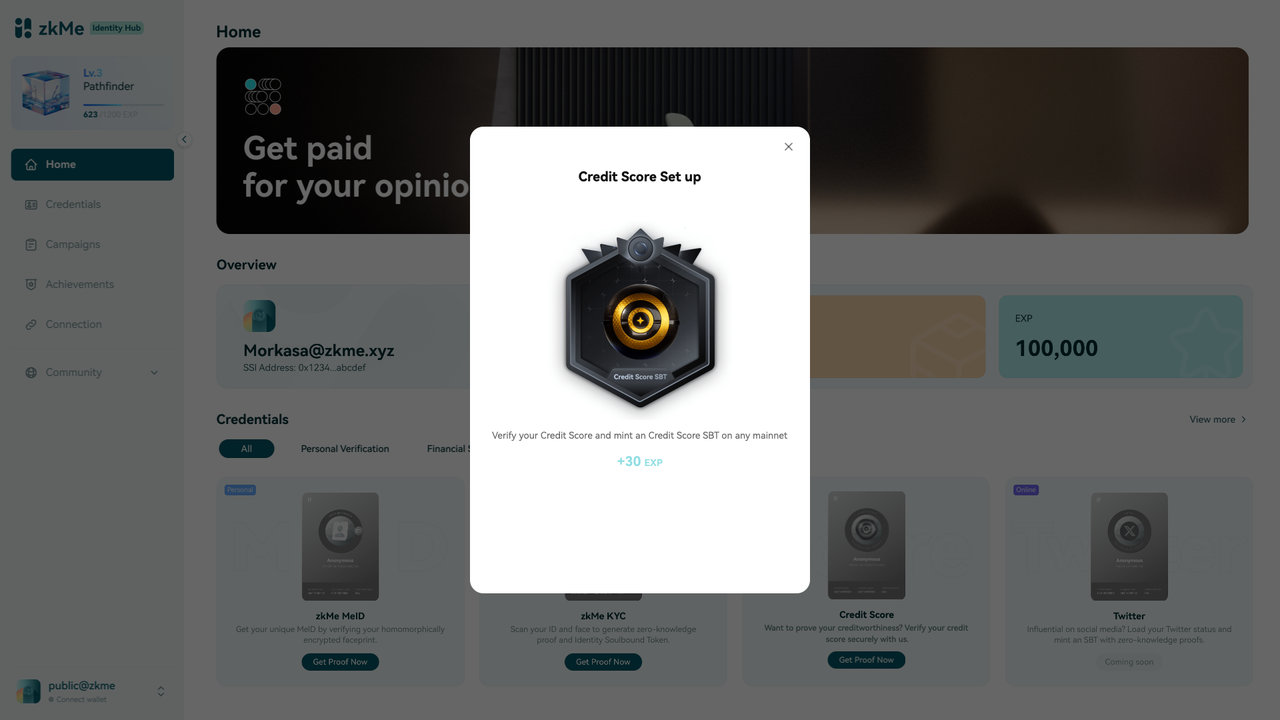
- Age Assurance in Digital Wallets: Google's Wallet app integrates ZK proofs for age verification without disclosing additional personal information, aligning with eIDAS 2026.
- Secure Academic Credential Checks: ZK proofs validate academic credentials privately, securing verification processes without revealing sensitive details.
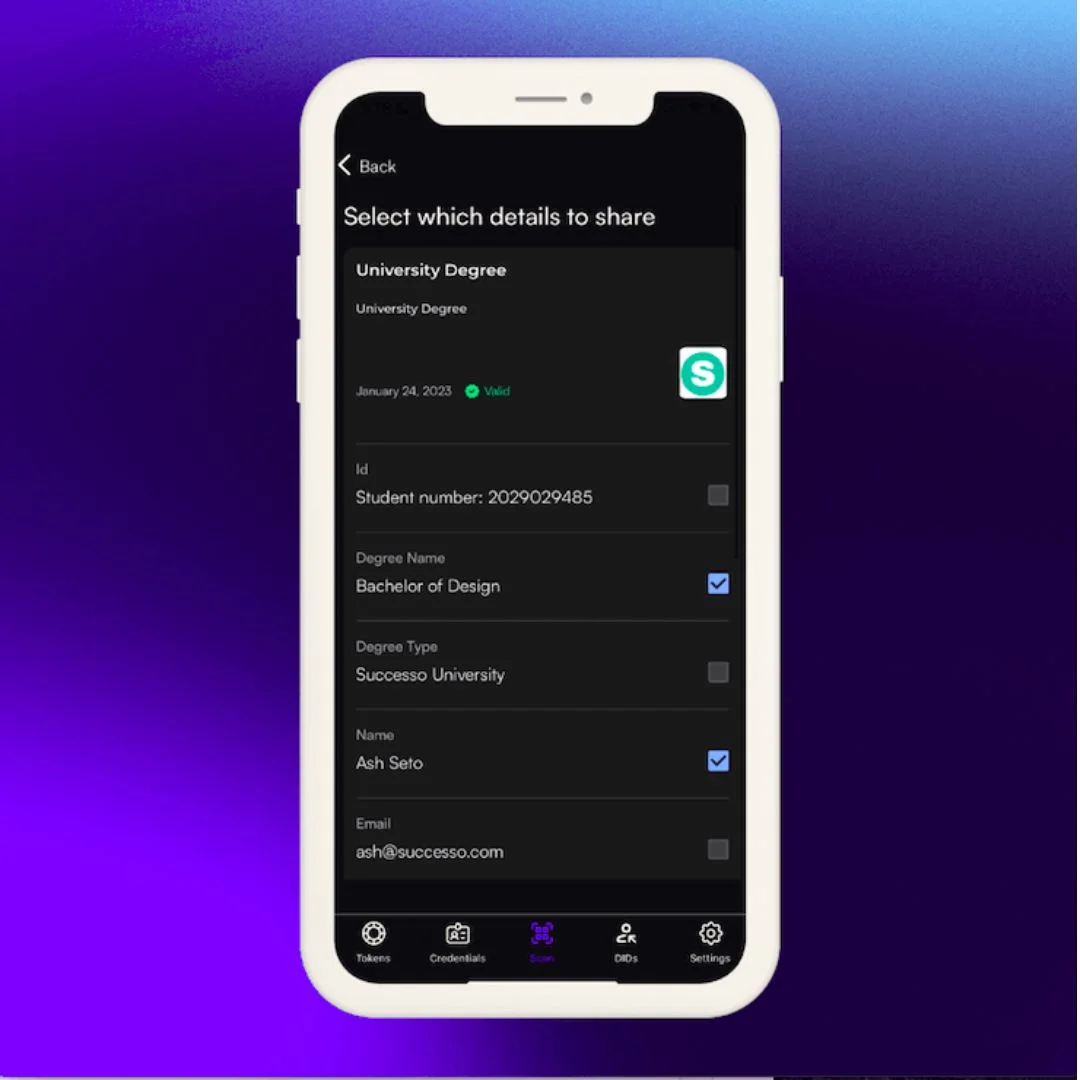
- Private Voting Systems: zkVoting systems (Stellar) allow verifiable private voting using ZK proofs in credential wallets.

- AI Model Integrity Proofs: Mina's zkML library generates ZK proofs for AI inference jobs with private inputs, ensuring model integrity.
Take academic credentials, already secured with ZK in 2025 pilots. A student proves qualification for a job without sharing transcripts, using a zero knowledge AI wallet to bundle the proof with ML-evaluated skills assessments. Projects like Stellar's zkTokens and zkLogin pave the way, scaling to blockchain finance where Nethermind highlights KYC and AML via hashed commitments. Opinion: This isn't just tech; it's a safeguard against AI black boxes dominating headlines.
Credentials Wallets as the Linchpin for ZK Verification
Credentials wallets elevate ZKML from lab curiosity to everyday tool. ZKCredWallet. com, tailored for privacy enthusiasts, lets users manage attestations with zero-knowledge proofs, proving attributes selectively. Google's Wallet app now incorporates ZKP libraries for age assurance, aligning with the EU's eIDAS Regulation effective 2026. Member states must integrate such privacy tech into digital identity wallets, mandating Web3 ZK credentials AI compatibility.
Here's how it works in practice. A user receives a verifiable credential attesting to an ML model's output; perhaps a ZK machine learning proof confirming a carry trade strategy's viability based on fundamental news without exposing positions. Stored self-custodially, the wallet generates on-demand proofs using cryptographic accumulators for revocation if needed. Clementius LLP notes this grants full user control, sidestepping centralized identity risks.
2026 Catalysts: Regulations and Innovations Driving Adoption
February 2026 marks a tipping point. eIDAS pushes ZK into European Digital Identity Wallets, streamlining verifications for cross-border services. Meanwhile, ZKP. com's Layer 1 auction verifies communities with on-chain badges, unlocking ZKML perks. BingX forecasts ZK production apps in payments, gaming, and DeFi, all bolstered by credential wallets.
Arkham Research underscores ZKPs' role: prove knowledge without revelation. In ML contexts, this verifies inferences privately, vital for high-stakes sectors. World Network's intro to ZKML details the prover-verifier dynamic, now embedded in wallets like ZKCredWallet for developer-friendly deployment. The result? Scalable, compliant AI where privacy isn't traded for utility.
Mina Protocol's zkML library exemplifies this shift, empowering developers to craft proofs from AI inference jobs on private data. Picture a forex analyst like myself verifying a model's prediction on a currency pair's breakout, driven by fundamental news events, without exposing trade strategies. This ZK machine learning proof integrates directly into credentials wallets, ensuring global verifiability across blockchains.
Developers benefit immensely. With tools from World Network and Arkham's insights, building ZKML verifiable credentials becomes straightforward. A prover runs the model, generates the proof, and attests it via ZKCredWallet. com. Verifiers, from DeFi protocols to hiring platforms, confirm validity instantly. In blockchain finance, Nethermind's approach keeps KYC and AML off-chain, using hashed commitments for compliance without friction.
Overcoming Scalability Hurdles: ZK Wallets in Production
Scalability once plagued ZK proofs, but 2026 optimizations change that. BingX highlights ZK's leap to production: faster payments, chain-level gaming, NFT settlements, and DeFi routing, all one-human-one-wallet secure. Credentials wallets like ZKCredWallet handle this load, supporting cryptographic accumulators for efficient revocation and self-custody for unyielding control, as Clementius LLP advocates.
Consider a real-world pivot: Stellar's zkTokens and zkVoting scale private applications compliantly. A user proves privacy AI verification 2026 standards met for an ML-driven loan approval, disclosing only that the model scored above 90% accuracy on private financials. No data shared, yet trust established. This extends to age assurance, where Google's libraries shine under eIDAS, proving adulthood without biometrics.
Challenges persist, sure. Proof generation can be compute-intensive, but advancements in zkML libraries mitigate this, dropping times from minutes to seconds. Wallets now offload recursion to Layer 1s like ZKP. com, where verified communities earn badges unlocking ecosystem rewards. My take: skeptics underestimate how these tools democratize AI, handing power back to individuals over corporations.
Enterprise and Web3 Synergy: ZKCredWallet's Edge
Enterprises eye this space hungrily. Medium's Sohail Saifi spotlights academic credentials secured via ZK in 2025, now routine. A graduate bundles ML-assessed skills into a zero knowledge AI wallet, verifying fit for roles without transcripts. ZKCredWallet. com stands out, revolutionizing Web3 ZK credentials AI with intuitive interfaces for developers and users alike.
In DeFi, carry trades thrive under ZK scrutiny. Prove a model's edge on EUR/USD without revealing positions, blending technical breakouts with news catalysts securely. Regulations like eIDAS catalyze adoption, mandating privacy tech in digital wallets. As February 2026 unfolds, expect zkKYC ubiquity, slashing onboarding from days to instants.
This trajectory promises a privacy-first AI landscape. ZKML verification via credentials wallets doesn't just protect; it unlocks novel applications, from tamper-proof diagnostics to bias-free hiring. Platforms leading the charge, like ZKCredWallet. com, equip users to navigate Web3 confidently, proving attributes on their terms. Currencies move on headlines and charts; AI verification now dances to ZK's secure rhythm, ensuring trust endures in an data-hungry world.



No comments yet. Be the first to share your thoughts!