Why 2026 changes identity verification
The era of handing over your passport, driver’s license, or birth certificate to every website you visit is ending. By the end of 2026, the European Union’s eIDAS 2.0 regulation will mandate that every member state deploy a digital identity wallet. This isn’t just a bureaucratic update; it is a structural shift that forces the entire internet to rethink how it verifies who you are.
For years, the standard model has been the "honeypot." You upload a photo of your ID to a server, and that server stores a copy of your most sensitive personal data. This creates a lucrative target for hackers. When these databases are breached, the damage is irreversible. Your identity is stolen, sold, and used indefinitely. The ZK Cred Wallet 2026 model breaks this cycle by moving verification from centralized storage to cryptographic proof.
Instead of sharing the data itself, you use zero-knowledge proofs (ZKP) to demonstrate that you meet a requirement without revealing the underlying information. For example, you can prove you are over 18 without disclosing your exact birth date, or prove you are a resident of the EU without showing your home address. The verifier receives a mathematical guarantee of truth, not your private documents.
This shift is accelerating because the old way is no longer viable. As Google and other major tech players open-source ZKP libraries for age assurance and privacy, the infrastructure is becoming accessible. The decentralized identity market is projected to hit $7.4 billion in 2026, driven by this regulatory pressure and the growing demand for privacy-preserving verification. The ZK Cred Wallet 2026 isn't just a new tool; it's the necessary response to a broken system.
How zero-knowledge proofs work
A zero-knowledge proof (ZKP) is a cryptographic method that allows one party to prove to another that a statement is true without revealing any information beyond the validity of the statement itself. In the context of a ZK Cred Wallet 2026, this mechanism enables users to demonstrate ownership of assets, eligibility for specific services, or compliance with regulations without exposing their underlying private keys or personal data.
Think of it like a magic trick, but with mathematical certainty. If you want to prove you are over 21 without showing your driver’s license, a ZKP allows a system to verify your age is indeed greater than 21 while revealing nothing else about you—no name, no address, no birth date. The verifier gains confidence in the fact, but learns nothing about the underlying data.
This process involves two main roles: the prover and the verifier. The prover generates a cryptographic proof that a specific claim is valid. The verifier then checks this proof using a public algorithm. If the proof is valid, the verifier accepts the claim as true. This separation ensures that sensitive information remains private while still allowing for trust and verification in decentralized systems.
The technology behind most zero-knowledge protocols today is often ZK-SNARKs (Zero-Knowledge Succinct Non-Interactive Arguments of Knowledge). These proofs are small and quick to verify, making them ideal for blockchain applications where computational efficiency is critical. By using ZK-SNARKs, a ZK Cred Wallet can facilitate seamless interactions with dApps and financial services while maintaining a high level of user privacy and security.
Major ZK identity platforms to watch
The ZK Cred Wallet 2026 landscape is shifting from experimental protocols to practical, user-facing applications. As privacy becomes a primary concern for digital identity, several platforms have emerged as leaders in enabling zero-knowledge proofs for credential verification.
These solutions allow users to prove attributes—such as age, citizenship, or account status—without exposing the underlying data. This section compares the most notable contenders, focusing on their technical approach and current adoption status.
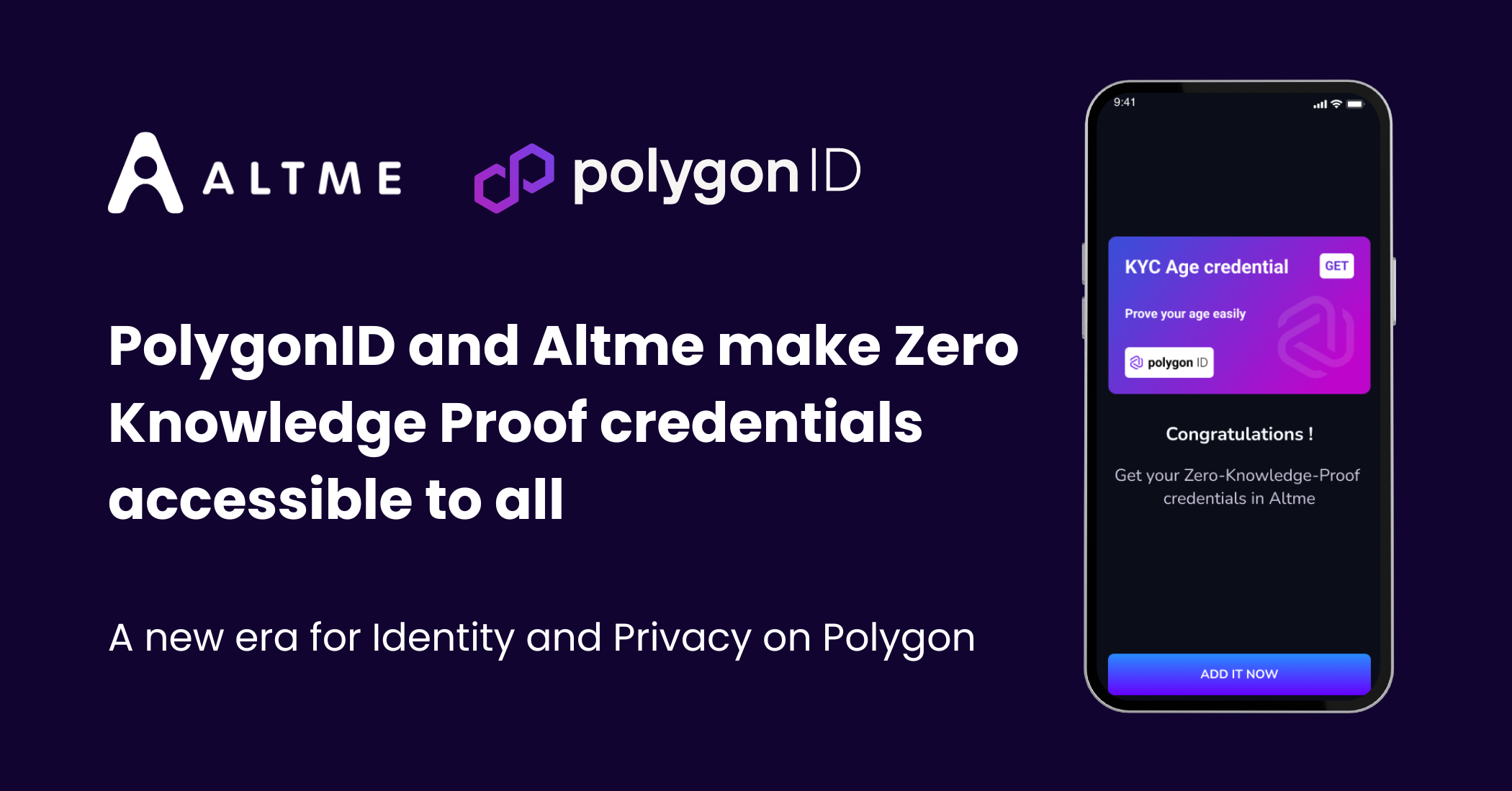
Comparison of Leading ZK Identity Solutions
The following table highlights key differences between established ZK identity providers. These platforms vary in their underlying cryptographic protocols, target audiences, and integration maturity.
| Platform | Protocol | Primary Use Case | Adoption Stage |
|---|---|---|---|
| PolygonID | zk-SNARKs | Decentralized ID & Credential Verification | Active Ecosystem |
| Altme | zk-SNARKs | Social Credit & Proof of Humanity | Beta Testing |
| Ethereum Foundation zkID | zk-STARKs | Developer Infrastructure | Research Phase |
| Google Wallet (ZK) | Proprietary ZKPs | Mainstream ID Verification | Early Rollout |
Hardware Security for ZK Credentials
Managing a ZK Cred Wallet 2026 requires robust security, particularly for storing the secret keys used in zero-knowledge proofs. Hardware wallets provide an isolated environment for key management, ensuring that even if your device is compromised, your identity secrets remain safe.


As an Amazon Associate, we may earn from qualifying purchases.
These tools are essential for anyone serious about self-sovereign identity. They prevent private keys from ever touching your computer's main operating system, adding a critical layer of protection to your digital identity stack.
Using ZK credentials in daily life
The ZK Cred Wallet 2026 moves beyond theoretical cryptography into tangible everyday interactions. Instead of uploading a passport or birth certificate to every service, you generate a cryptographically signed proof that satisfies specific conditions. This shift transforms identity from a document you carry into a set of verifiable attributes you control.
Age assurance offers the clearest example of this utility. When entering a venue or purchasing restricted goods, traditional KYC requires revealing your full name, address, and date of birth. With a ZK Cred Wallet, you simply prove you are over 21. The verifier receives a boolean true/false result without ever seeing the underlying data, eliminating the risk of your personal details being exposed in a data breach.
DeFi access illustrates another critical use case. Regulatory compliance often demands extensive personal history, creating friction for legitimate users. Zero-knowledge identity allows users to prove they are accredited investors or reside in permitted jurisdictions without exposing their financial history or identity documents. As noted by Rock'n'Block, ZK-ID enables users to prove properties about their status or history without exposing the underlying identity, streamlining access while maintaining privacy.
Common questions about ZK identity
The ZK Cred Wallet 2026 relies on zero-knowledge proofs to balance privacy with regulatory compliance. Here are answers to the most frequent questions about how this technology works.
Is zero-knowledge proof legitimate?
Yes. Zero-knowledge proof is a mathematically verified method that brings trustworthiness to Web3 privacy. Major technology firms and governments are adopting it, with the EU’s eIDAS Regulation set to encourage its use in 2026 for age assurance and identity verification.
What is a ZK proof in crypto?
A ZK proof allows a prover to demonstrate the validity of a statement without revealing the underlying data. For example, a user can prove they are over 18 without sharing their birthdate. The verifier checks the proof’s validity without ever accessing the private information itself.
Will ZK identity replace traditional KYC?
ZK identity is evolving to replace invasive Know Your Customer (KYC) processes. Instead of uploading passports, users generate cryptographic proofs of eligibility. This shift reduces data breaches while satisfying regulatory requirements for financial services.
No comments yet. Be the first to share your thoughts!