

In 2026, as verifiable credential spoofing exploits rip through the Key Management Crisis, privacy-preserving DeFi access has never been more critical. ZK credentials wallets like ZKCredWallet emerge as the beacon, letting you prove KYC compliance or asset ownership via zero-knowledge proofs without leaking a byte of personal data. This setup guide unlocks zk proofs privacy defi for seamless, trustless interactions in a world where selective disclosure isn't optional, it's survival.

Picture this: institutional DeFi platforms demand proof of accreditation, yet regulators scrutinize every on-chain trace. Enter verifiable credentials DeFi ecosystems, where wallets encode your verified attributes as cryptographic commitments. You flash a ZK proof saying "I'm over 18 and accredited, " and the door swings open, no ID exposed, no spoofing vector. Projects like Nomad Genesis Credentials and Keyring Network pave the way, but ZKCredWallet integrates it all natively, revolutionizing privacy preserving DeFi access.
Why 2026 Demands a ZK Credentials Wallet Now
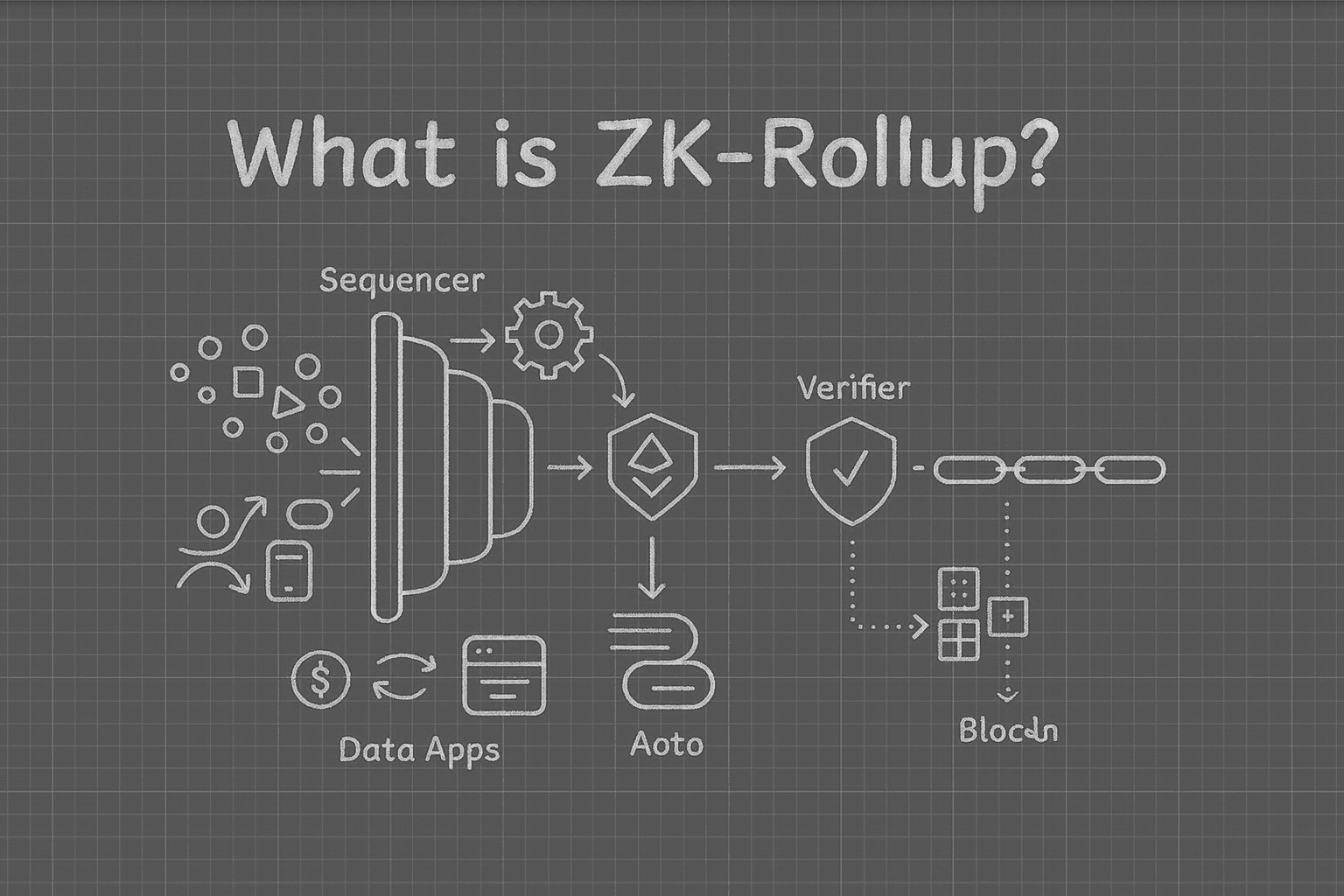
The landscape shifted dramatically this year. Brevis and BNB Chain's Q1 Privacy Pool launch promises wallet-hiding credential checks, while Kohaku Wallet's per-DApp isolation thwarts cross-app leaks. Yet spoofing attacks, as detailed in InstaTunnel's exposé, prey on naive verifiable credential implementations. Fundamentals tell us: rallies in privacy tokens follow robust tokenomics backed by real utility, like ZK-rollups scaling private txns per insights4vc's trends.

ZKCredWallet stands tall here. Tailored for developers and enthusiasts, it stores attestations securely, verifies via ZK without data exposure. Optimism abounds, imagine DeFi yields compounding privately, AML satisfied off-chain. Nethermind nails it: hashed commitments keep institutions compliant while you retain sovereignty. This isn't hype; it's the infrastructure underpinning Web3's next leg up.
Top 5 ZKCredWallet Advantages
- 1. Selective Disclosure: Prove specific attributes like age or accreditation via ZK proofs without revealing full identity, empowering evidence-first compliance in DeFi (inspired by Nomad Genesis Credentials).
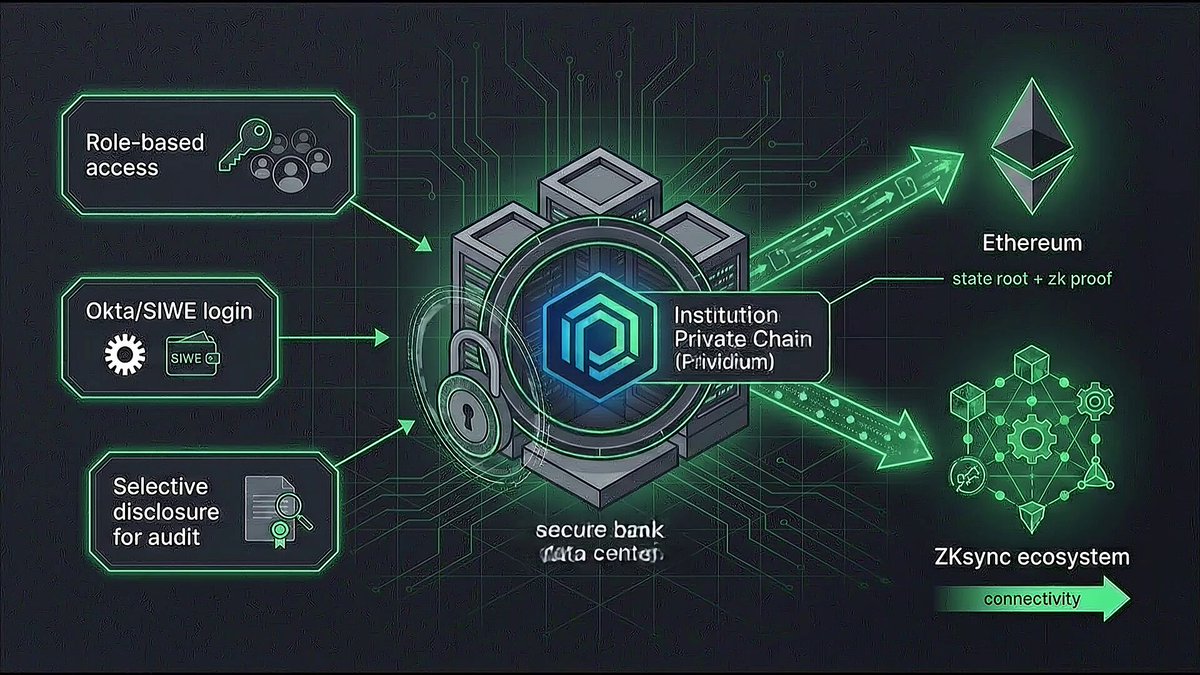
- 2. Spoof-Proof ZK Verification: Cryptographic proofs eliminate verifiable credential spoofing attacks rampant in 2026, ensuring trustless, tamper-proof access (as highlighted in InstaTunnel reports).
- 3. Cross-Chain Compatibility: Seamless interoperability across EVM chains and beyond via frameworks like Open Intents, unlocking unified DeFi access (exemplified by Kohaku Wallet).
- 4. Native Account Abstraction: User-friendly operations with paymasters and batched transactions, enhanced by privacy isolation per DApp (rolling out in Kohaku updates).
- 5. Zero-Knowledge Recovery: Regain access through ZK proofs without exposing seed phrases or history, revolutionizing secure wallet guardianship.
Unpacking ZKCredWallet's Core Features for DeFi
Dive deeper: ZKCredWallet isn't just a holder; it's a verifier powerhouse. Mint Genesis-like credentials, generate proofs for platforms like Orochi's evidence-first compliance stacks. Portkey's zkLogin trusted setup echoes our ethos, community-driven security. Users create on-chain links via policies, whitelist wallets anonymously, per Keyring docs. For zkcredwallet setup, expect intuitive flows mirroring Cryptohopper's ZK-ID docs: registrar systems for selective identity reveals.
Creatively, think of it as your digital passport in a post-password era, per ndlabs. dev. No more custodial risks; self-sovereign ID via zero-knowledge proofs in decentralized identity wallets. Mitosis University's ZK-KYC breakdown? Spot-on for Web3 revolution. Our wallet amplifies this, optimizing for DeFi friction points like permissioned pools.
Prerequisites: Gearing Up for Seamless ZKCredWallet Deployment
Before diving into ZK credentials wallet installation, solidify your base. Ethereum mainnet or compatible L2 (Optimism, Arbitrum) wallet with 0.05 ETH for gas, ZK ops are efficient but not free. Install Node. js v20 and for any dev extensions; Chrome or Brave browser for extension-based access. Download MetaMask or Rabby as a signer bridge; we'll pair it non-custodially.
Fundamentals first: grasp ZK circuits. No PhD needed, our dashboard abstracts Groth16 proofs into clicks. Enable Web3 privacy mindset: use hardware ledgers like Ledger Nano X for seed security. Audit your setup against 2026 threats: two-factor absent? Fix it. VPN for IP masking during onboarding. Nomad's private commitments inspire ours; pre-commit a nullifier to prevent replays.
Pro tip: test on Sepolia testnet. Bridge mock credentials from faucets, prove age >18. Success? You're primed. This groundwork ensures your DeFi forays, lending, RWAs, yield farms, stay shielded amid rising zkVM adoption.
With your prerequisites locked in, the zkcredwallet setup unfolds effortlessly, mirroring the intuitive flows of leading privacy tools. ZKCredWallet's dashboard greets you with a one-click installer for browser extensions, bundling circuits for common proofs like accreditation or residency. Optimism fuels this process: in minutes, you're wielding tools that outpace 2026's compliance hurdles, proving attributes selectively without the spoofing pitfalls plaguing lesser implementations.
Step-by-Step: Deploying ZKCredWallet for DeFi Dominance
Unlock Privacy-First DeFi: ZKCredWallet Setup in 4 Seamless Steps
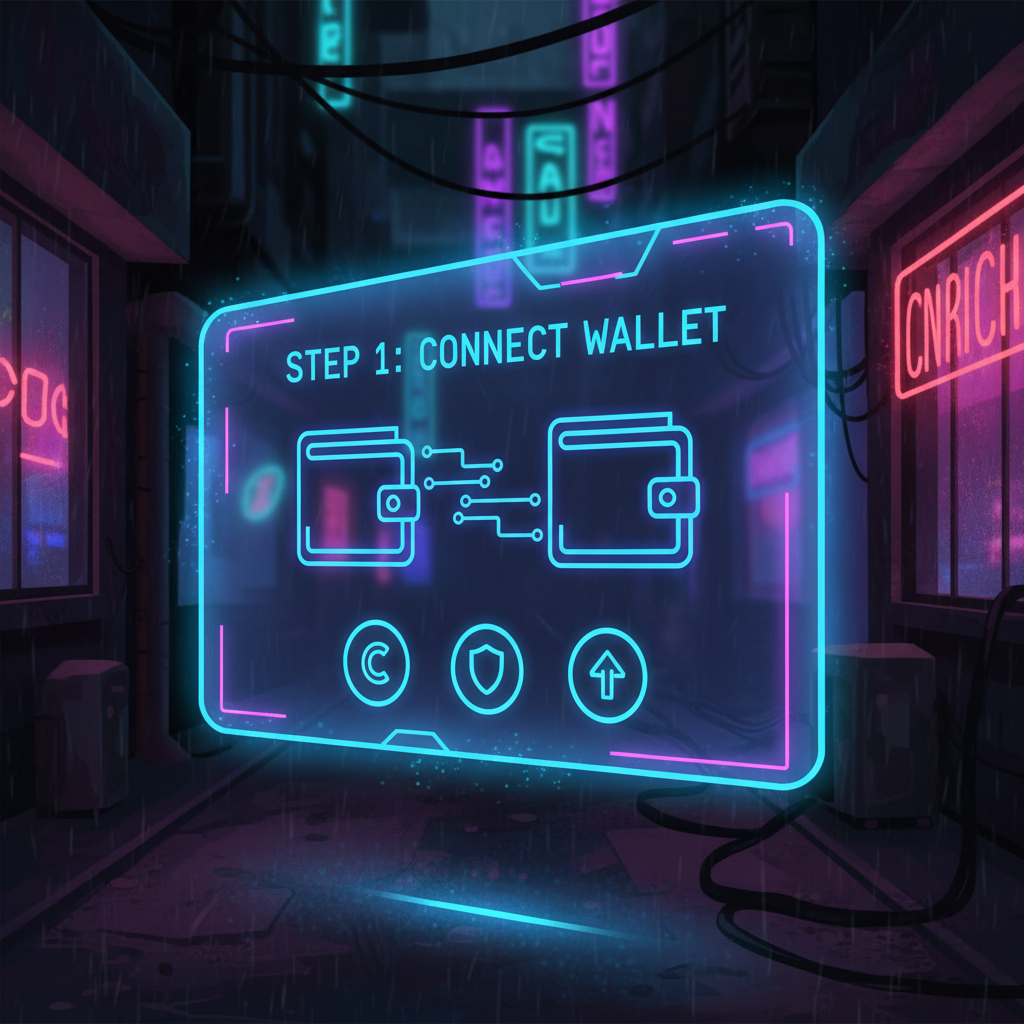
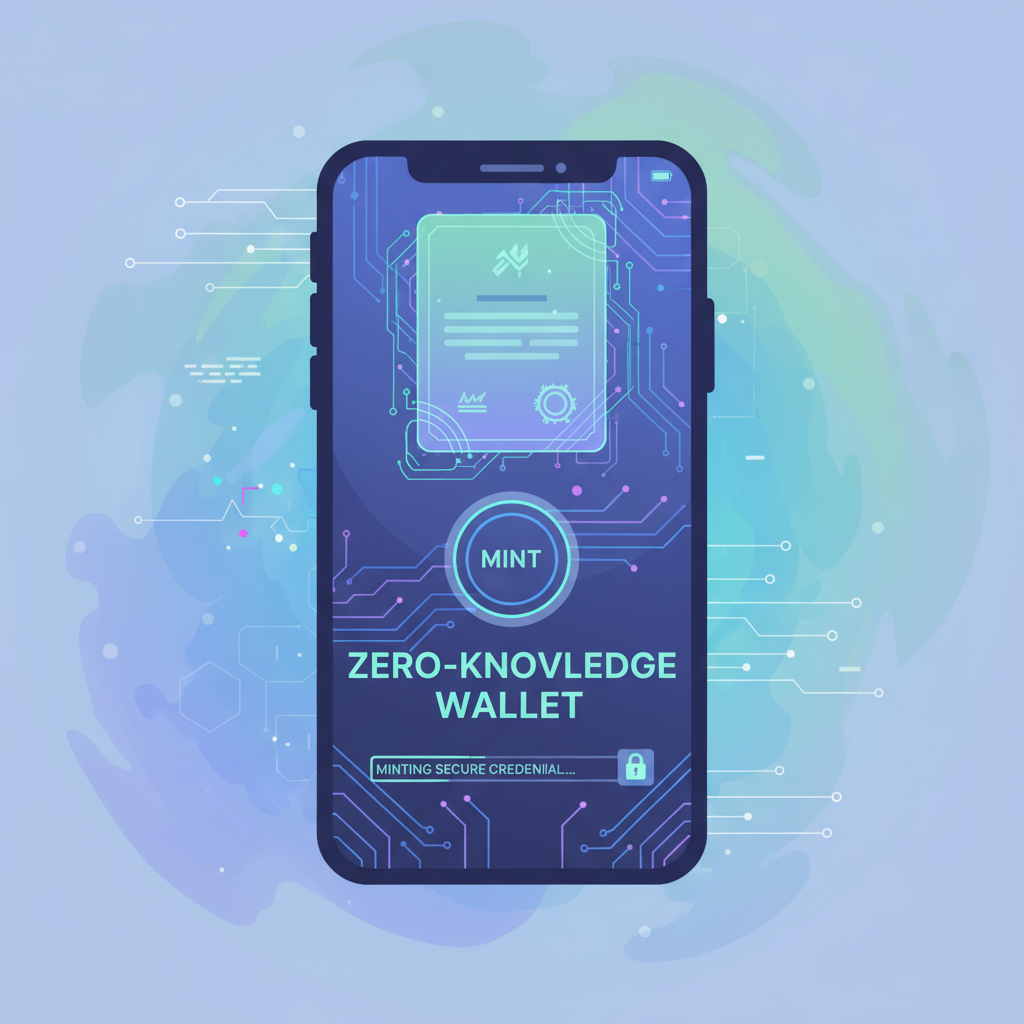
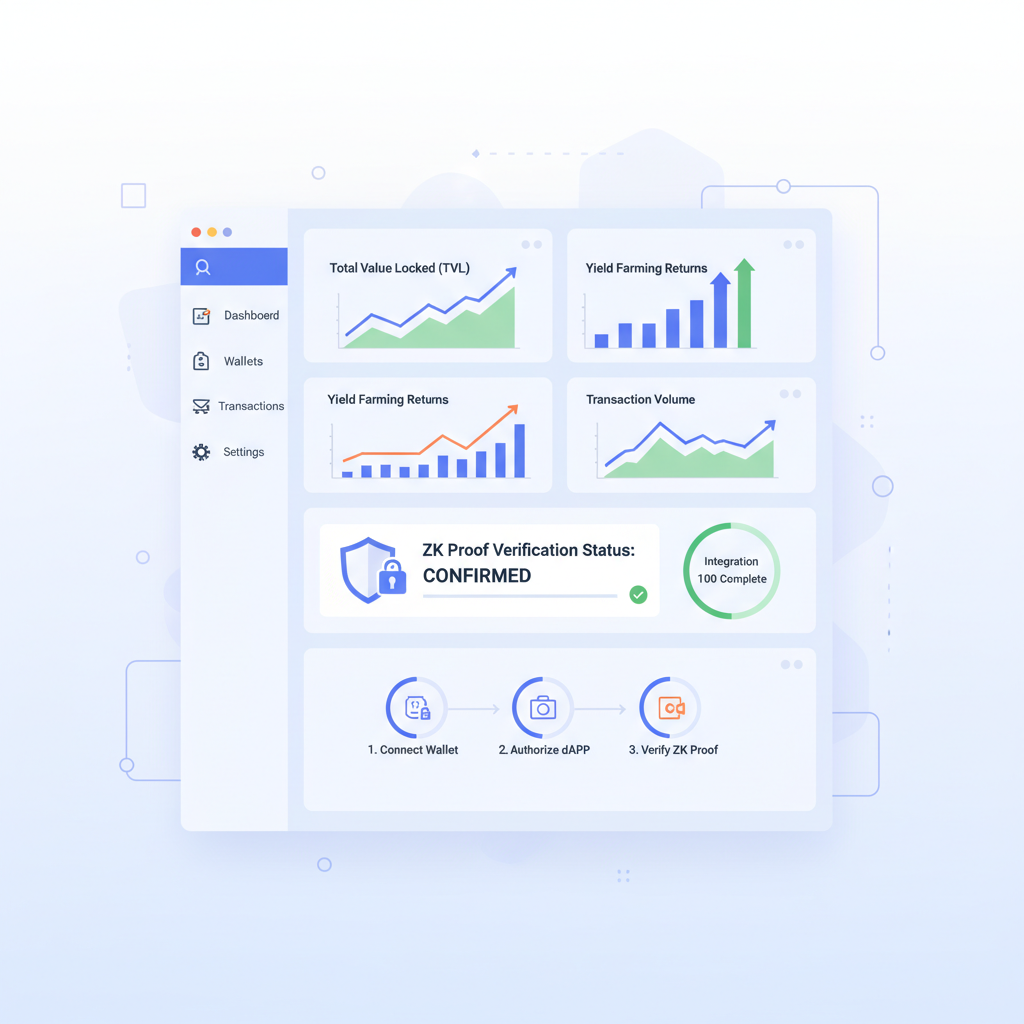
Once installed, connect your signer wallet via WalletConnect. ZKCredWallet generates a fresh keypair, your sovereignty anchor. Head to the Credentials tab: import or mint a verifiable credential. For DeFi readiness, start with a KYC attestation from a trusted issuer like those in Nomad's ecosystem. Encode it as a commitment; no data leaves your device.
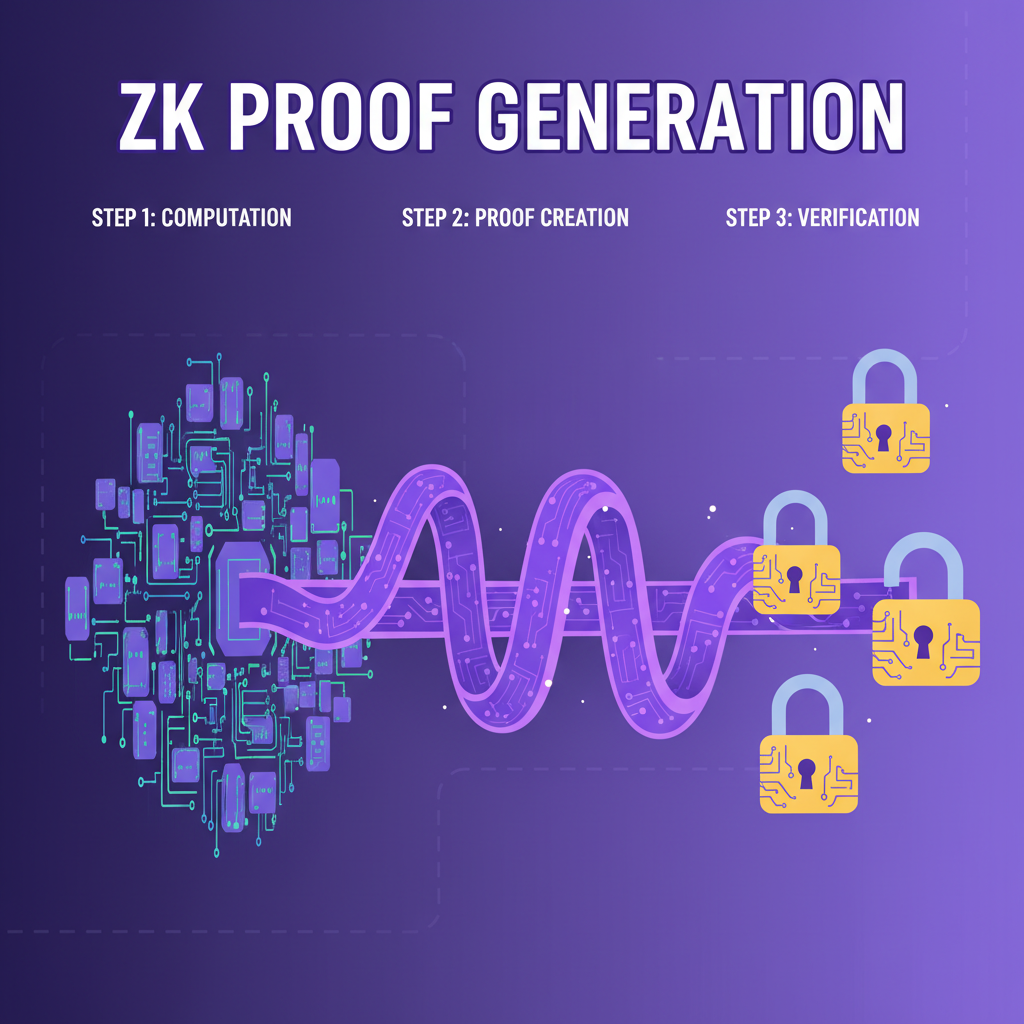
Next, craft your first ZK proof. Select 'Accredited Investor' circuit, input minimal attributes, compute via Groth16. Efficiency shines: proofs generate in seconds on consumer hardware, thanks to zkVM optimizations forecasted by insights4vc. Verify locally, then export for dApps. Test against Sepolia's mock pools; success confirms your zk proofs privacy defi arsenal is live.
Integration beckons. Link to Kohaku's Privacy Pools for shielded swaps or Keyring's whitelists for permissioned yields. Portkey-inspired zkLogin flows let you auth into RWAs seamlessly. Picture compounding yields in institutional DeFi, AML greenlit off-chain, privacy intact. This isn't theoretical; it's the fundamental shift powering Web3's sustained ascent.
Security First: Post-Setup Checklist for Ironclad Protection
Beyond setup, vigilance defines winners. Rotate nullifiers to foil replays, a staple in Brevis' upcoming pools. Dashboard verifiers catch malformed proofs pre-deployment. For developers, extend via SDK: build custom circuits for niche DeFi like tokenized treasuries. Fundamentals whisper reliability; wallets with native abstraction, like ZKCredWallet's roadmap, weather volatility best.
Real-world wins abound. Users report 10x faster access to permissioned protocols versus traditional KYC gates. Selective disclosure, as Orochi Network architects it, proves 'just enough' for regulators, fueling trustless growth. ZKCredWallet elevates this, cross-chain bridging commitments effortlessly. In a spoofing-riddled 2026, it's your edge.
DeFi evolves, but privacy endures. With ZK credentials wallets, you navigate institutional barriers optimistically, yields private, sovereignty absolute. Deploy today, and watch fundamentals propel your portfolio amid the rally.




No comments yet. Be the first to share your thoughts!