

In the fast-evolving Web3 landscape, users face a persistent friction: proving their identity repeatedly across decentralized applications while safeguarding privacy. Traditional Know Your Customer (KYC) processes demand sharing sensitive documents with every platform, breeding inefficiency and data breaches. Enter ZK credentials wallets, which harness zero-knowledge proofs (ZKPs) to enable reusable KYC. Verify once, reuse indefinitely, all without exposing personal details. This paradigm shift promises verifiable credentials Web3 privacy that aligns regulatory needs with user sovereignty.
Zero-knowledge proofs form the cryptographic backbone here. Imagine attesting to being over 18 or KYC-compliant without revealing your birthdate or passport number. ZKPs allow provers to convince verifiers of a statement's truth minus underlying data. Projects like zkMe pioneer this with zkKYC, a decentralized service blending ZKPs for secure, private identity checks. Their Identity Wallet lets users manage credentials selectively, slashing redundant verifications.
Breaking Free from KYC Fatigue in DeFi and Beyond
Decentralized finance demands compliance yet chafes at centralized gatekeepers. Platforms require KYC for risk management, but users resent uploading IDs anew for each protocol. This "KYC fatigue" stifles adoption. Zero knowledge proofs identity wallets solve it elegantly. Hypersign's on-chain KYC, for instance, supports modular proofs for KYC, KYB, and more, with cross-chain reuse. Low-code integration means dApps onboard users swiftly, preserving privacy preserving credentials storage.
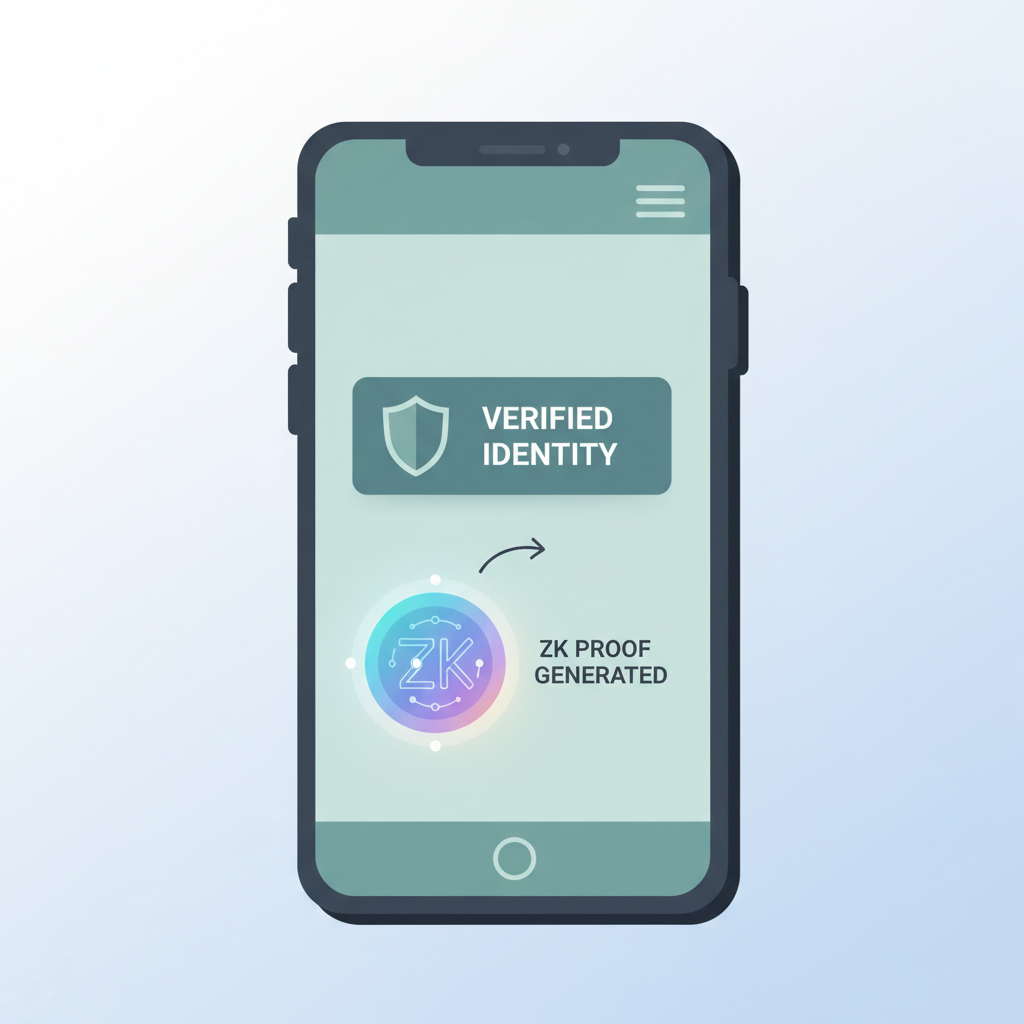
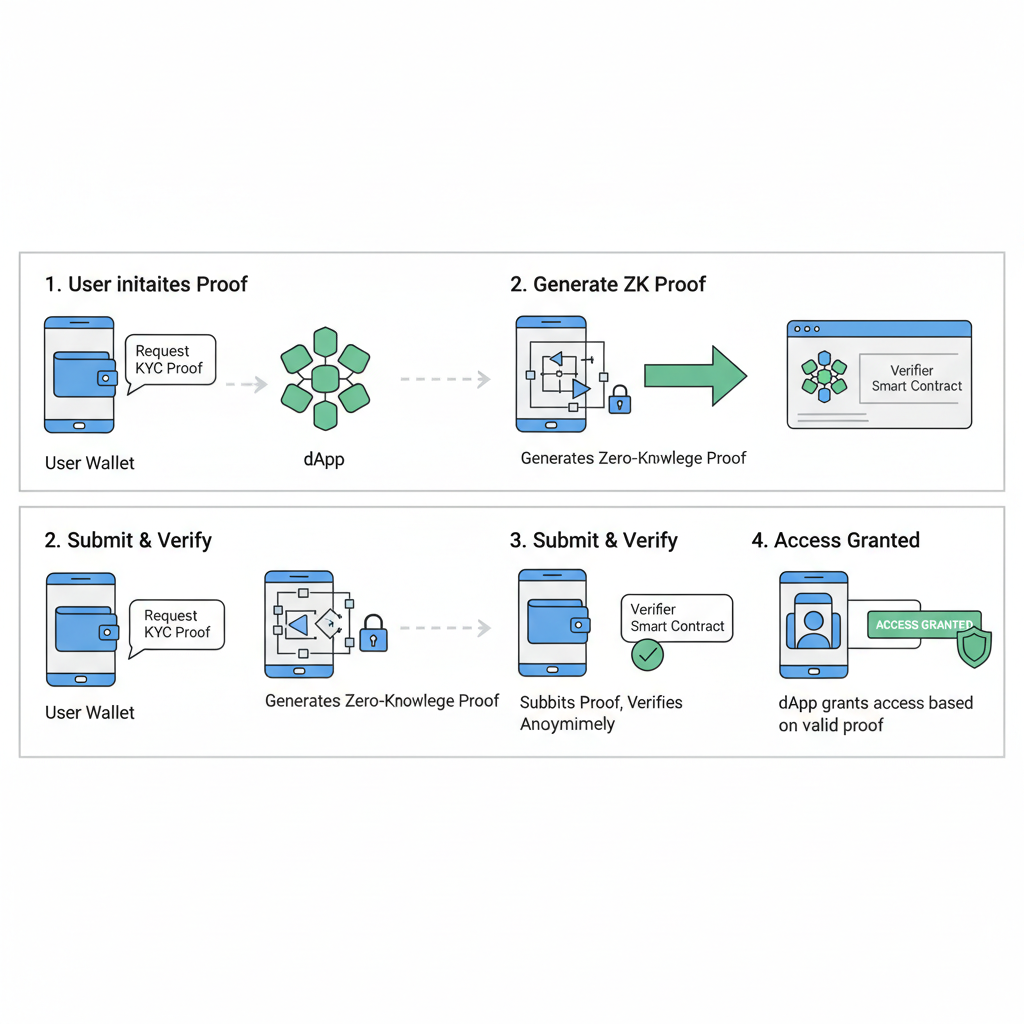
Consider the workflow: Users submit documents off-chain to a trusted issuer, receiving a ZK credential in their wallet. On-chain, they generate proofs attesting compliance. Altme Wallet exemplifies this, verifying age or residency for gated services minus personal leaks. No more siloed data troves ripe for hacks.
Top ZK Wallets for Reusable KYC
- zkMe: Decentralized identity wallet using zero-knowledge proofs for secure, private credential issuance and reuse. Visit zkMe
- Hypersign: On-chain KYC solution powered by ZK tech for compliance including KYC, PoP, KYB, and KYT with cross-chain support. Visit Hypersign
- Altme Wallet: Verifiable credentials wallet with ZK proofs for age, residency, and DeFi compliance without revealing data. Visit Altme

- zKYC: AI-powered ZK proofs for privacy-first off-chain verification and on-chain reusable KYC tokens. View zKYC
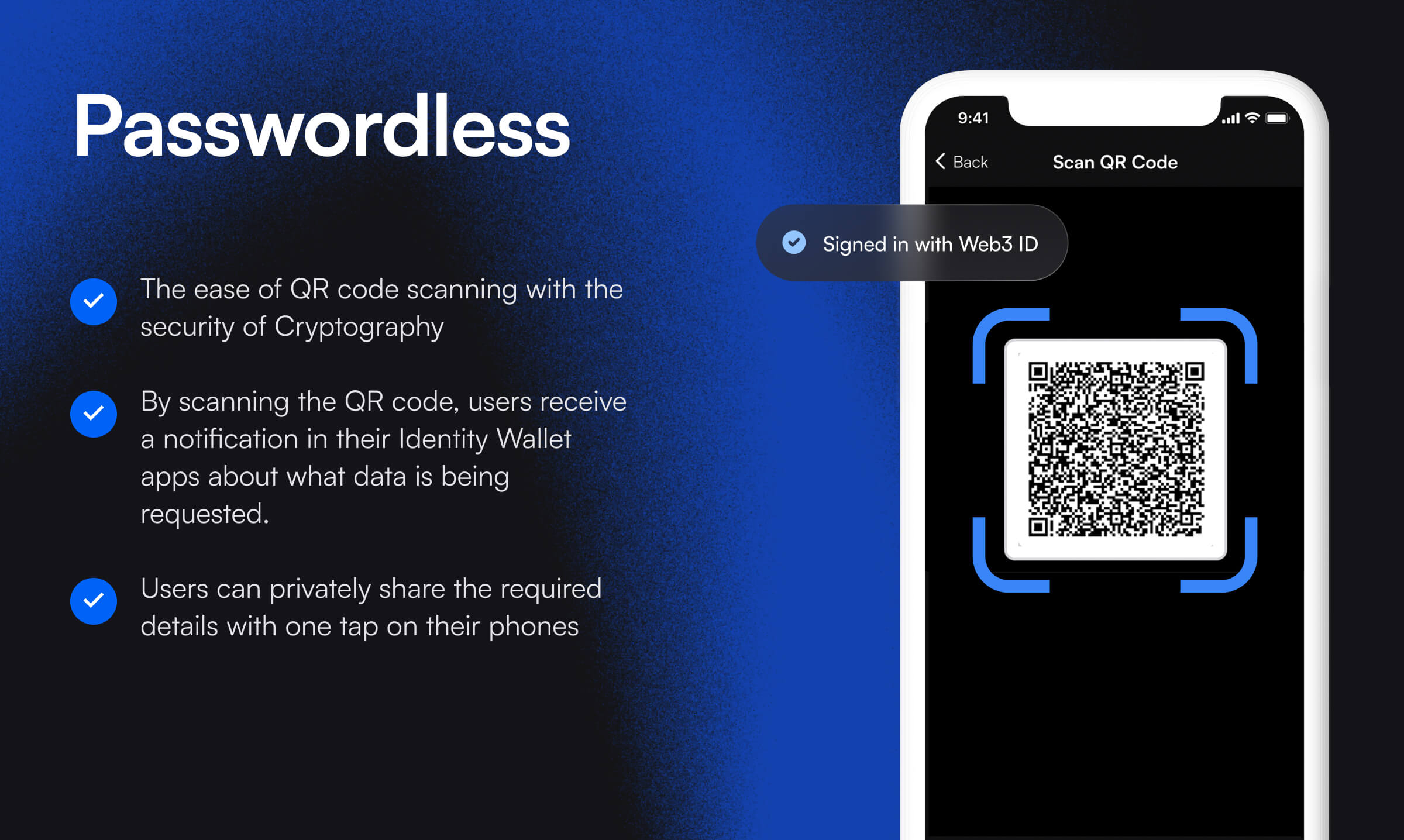
- KYC-ID: Decentralized wallet KYC for private, verifiable, and reusable proofs with compliance workflows. Visit KYC-ID

How ZK Credentials Enable Trustless Reuse Across Ecosystems
At core, these wallets store verifiable credentials as ZK-attestations. zKYC pairs AI with proofs for one-time off-chain checks, yielding reusable on-chain tokens. KYC-ID extends this to institutional flows, offering audit trails without data exposure. For more on reusable KYC transformation, see practical implementations.
This reusability cascades benefits. Users control data destiny, platforms cut verification costs, regulators gain auditable proofs. In DeFi, decentralized KYC DeFi protocols verify without custody, fostering trustless lending or trading. Purdue's zk-creds research underscores converting national IDs to anonymous credentials via zkSNARKs, scalable for global use.
Real-World Momentum and Privacy Wins
Recent unveils signal maturity. zkMe's credential layer secures issuance and verification privately. Midnight Docs highlight ZKPs proving KYC status sans full credentials. Reddit devs debate implementation, converging on ZK as decentralized identity's linchpin. Mina Protocol pairs ZKPs with DIDs for attribute verification, no disclosures needed. Studioam. ai details ZK-KYC for institutional DeFi: wallets prove verification cleanly.
Verida and Privado ID bolster ecosystems with KYC and licensing proofs. As ZK credentials wallet reusable KYC proliferates, Web3 edges toward seamless, private interactions. Hypersign's modularity shines for crypto compliance, Altme for everyday proofs.
Yet true power emerges when these solutions interoperate across chains and apps. Imagine lending on Aave, trading on Uniswap, or staking in a DAO, all with one ZK credentials wallet reusable KYC proof. No repeated document dumps, no fragmented data silos. This frictionless flow boosts liquidity and participation, especially in decentralized KYC DeFi where speed equals edge.
Navigating Challenges in ZK Credential Adoption
Skeptics point to hurdles: Who issues trusted credentials? How do proofs scale on crowded blockchains? Early systems grappled with these, but innovations address them head-on. zkMe builds issuer networks with compliance audits, ensuring proofs stem from vetted sources. Hypersign's cross-chain design sidesteps silos, while Altme leverages standards like DID for broad compatibility. Computationally intensive ZKPs once slowed things, but zkSNARK optimizations from projects like Mina make them lightweight, runnable even on mobile wallets.
In my view, the real test lies in regulatory alignment. Jurisdictions demand traceability without doxxing users. KYC-ID nails this with audit logs that verify proof validity minus personal traces. Pair that with zKYC's AI-vetted off-chain checks, and you get institutional-grade security that's still user-owned. These aren't bandaids; they're foundational shifts toward verifiable credentials Web3 privacy.
Master Reusable ZK KYC: Step-by-Step Wallet Guide
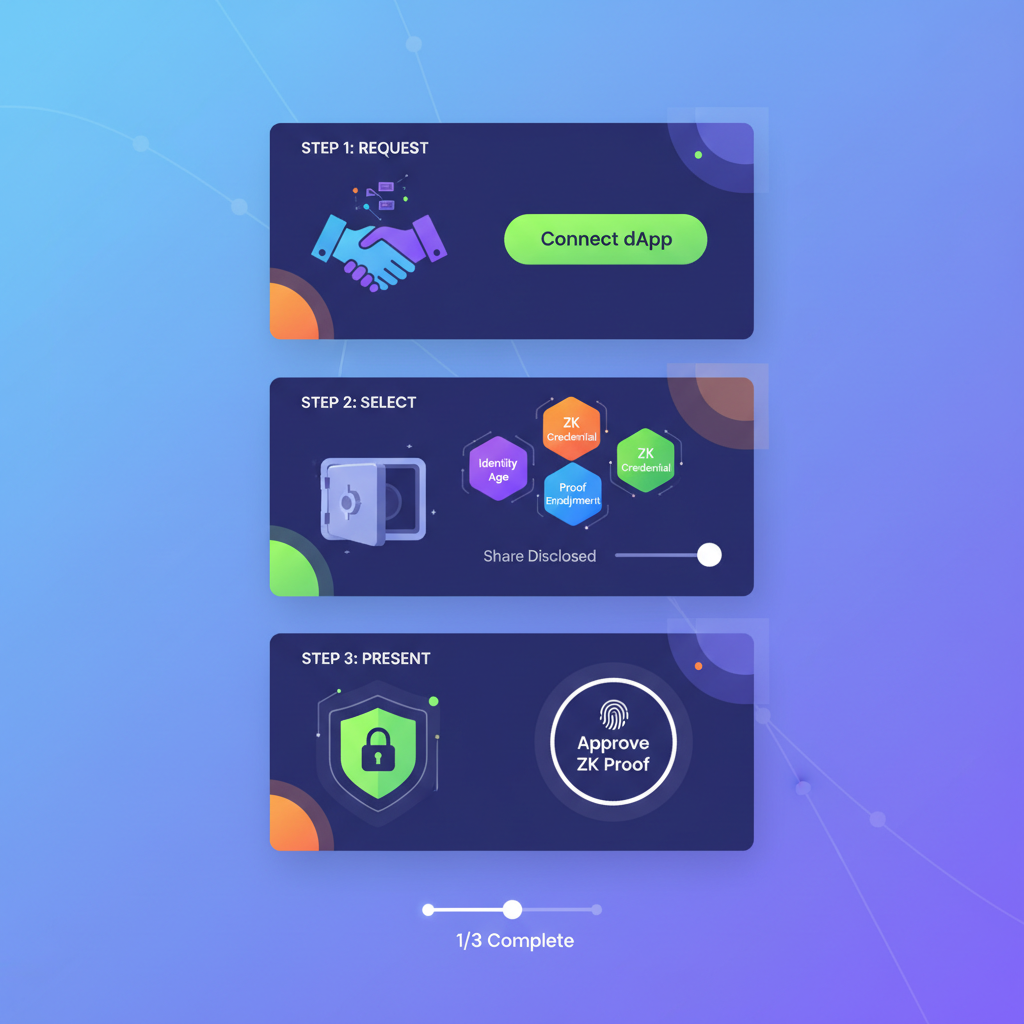
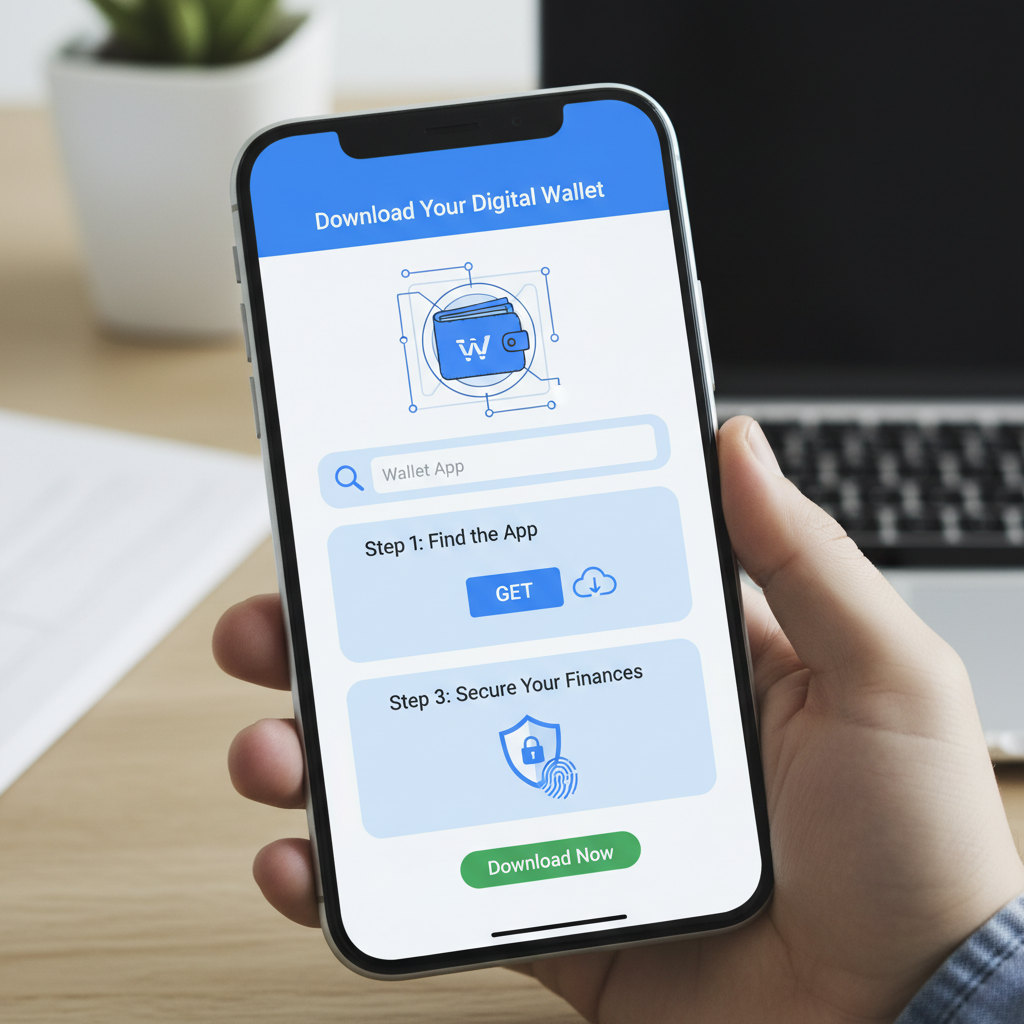
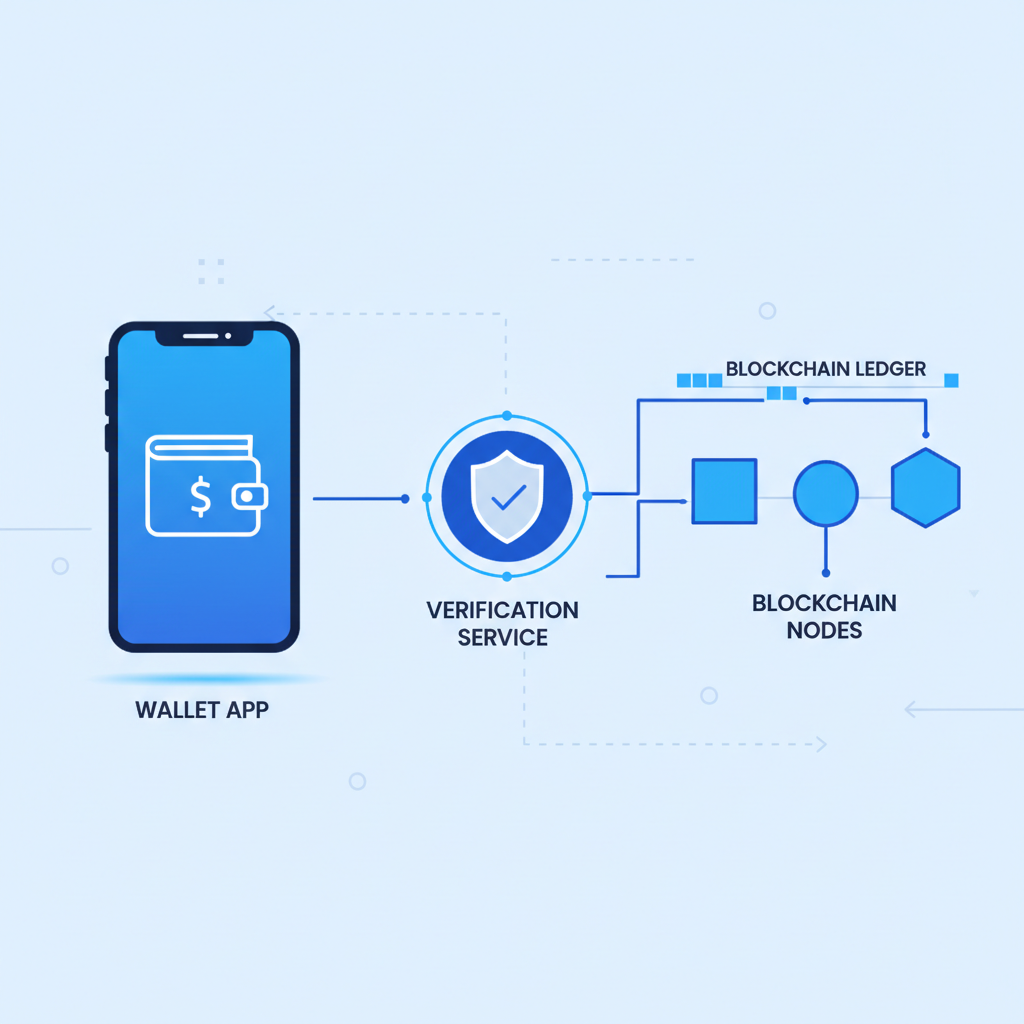
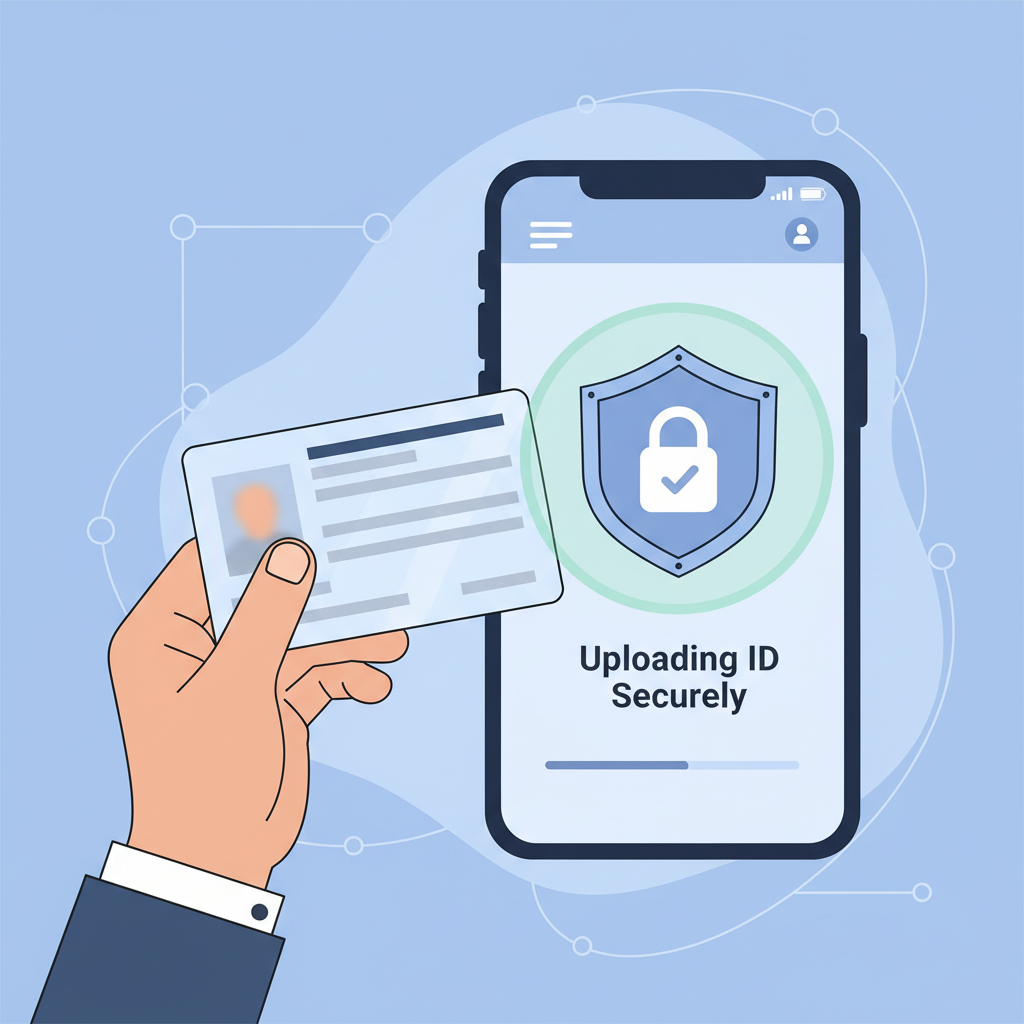
Developers love the modularity too. Integrate via APIs: request proof of 'KYC complete' or 'over 21,' get instant yes/no without servers hoarding data. Costs plummet; one zkMe report pegs verification savings at 80% versus traditional flows. For protocols, this means compliant growth without compliance teams ballooning.
ZKCredWallet: Pioneering Privacy in Practice
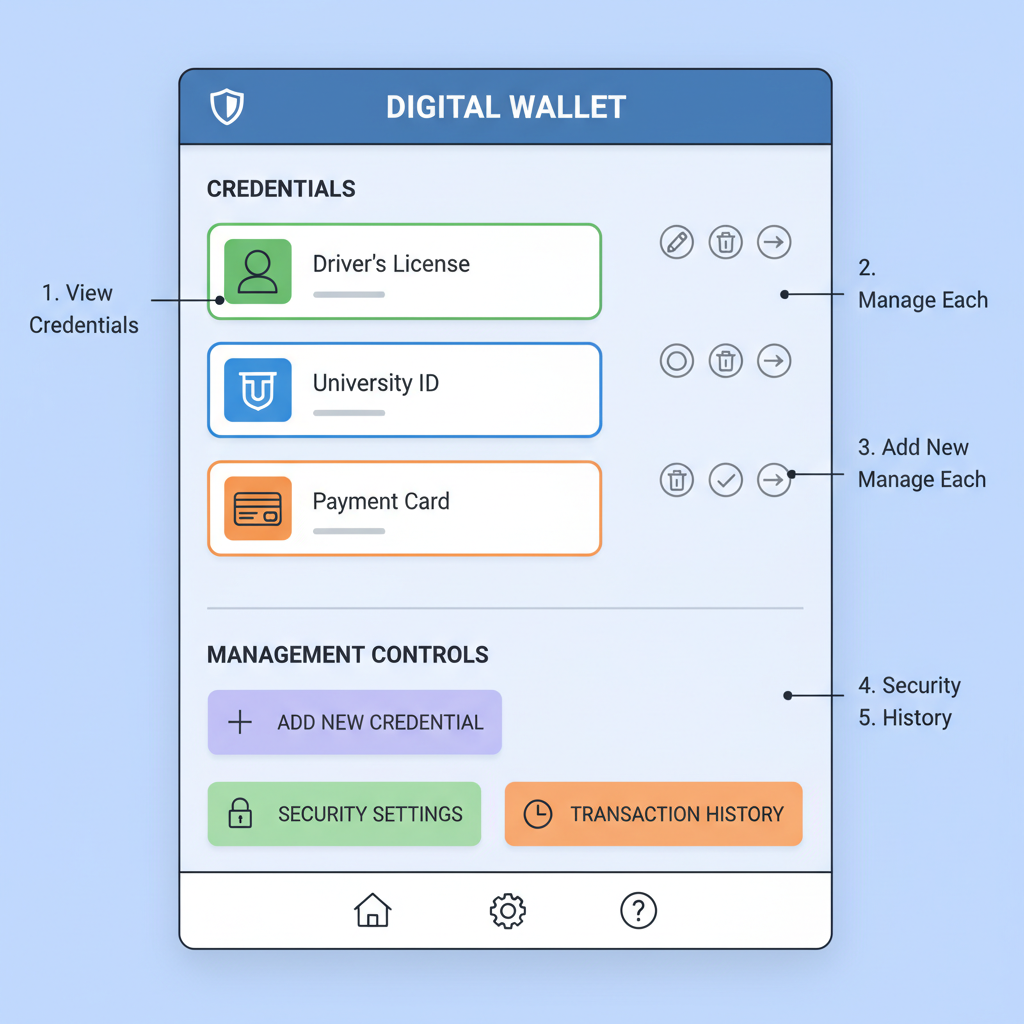
At ZKCredWallet. com, we embody this vision as the leading zero knowledge proofs identity wallet. Tailored for Web3 natives, it stores attestations securely, verifies via ZKPs, and shares selectively across ecosystems. Developers embed our SDKs for seamless dApp onboarding; users enjoy one-click proofs for DeFi, NFTs, or governance. Unlike clunky alternatives, our interface prioritizes intuition, blending cutting-edge crypto with everyday usability. Explore how ZK identity wallets empower self-sovereign KYC.
Picture this: A trader accesses a high-yield pool, proves accreditation via wallet proof, no emails or PDFs exchanged. Or a DAO voter attests residency for jurisdiction-specific ballots, privacy intact. These scenarios unfold daily, eroding barriers that once confined Web3 to cypherpunks.
Competition sharpens the field. zkMe excels in credential issuance, Hypersign in compliance suites, Altme in everyday verifications. ZKCredWallet stands out for holistic management: store, prove, revoke attestations effortlessly. We support emerging standards, future-proofing against protocol shifts. For privacy advocates eyeing self-sovereign setups, check guides on ZK identity wallet setup.
DeFi protocols already integrate. Aave explores ZK age gates; Uniswap eyes KYC for fiat ramps. Institutional inflows hinge on such tools, blending MiCA and FATF nods with user control. Mina's lightweight chain amplifies this, running full ZKPs on kilobytes.
Users gain agency like never before. Revoke a stale credential? Done in seconds. Switch issuers? Seamless migration. This dynamism counters Web2's stickiness, where data locks you in. As adoption swells, expect network effects: more issuers, richer proofs, tighter integrations.
Web3's promise was freedom from middlemen. Privacy preserving credentials storage delivers it for identity. ZK credentials wallets don't just mitigate risks; they redefine verification as a user right. Platforms that embrace them will thrive, drawing masses weary of invasive checks. The shift feels inevitable, propelled by tech maturity and privacy demands. Dive into ZKCredWallet. com today, claim your slice of sovereign identity, and navigate Web3 with proofs, not papers.




No comments yet. Be the first to share your thoughts!