
In the volatile world of DeFi, where every transaction lays bare your financial moves, true privacy feels like a relic of the past. Enter ZK credentials wallets, the game-changer that lets you prove just what you need - like being over 21 for a loan protocol - without handing over your full identity. At ZKCredWallet. com, we've built the leading solution for this, harnessing zero-knowledge proofs to secure your attestations in Web3 without the usual exposure risks.
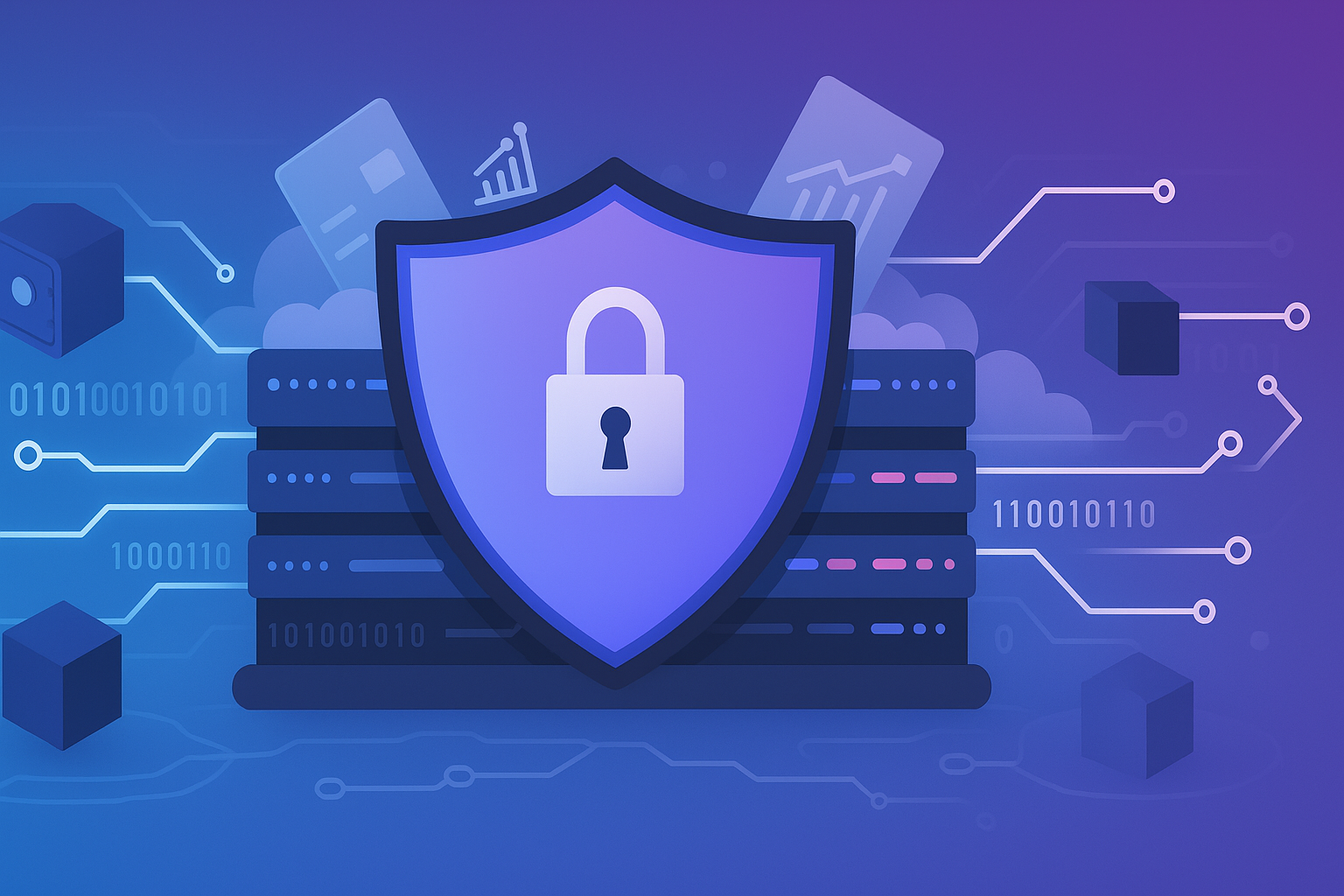
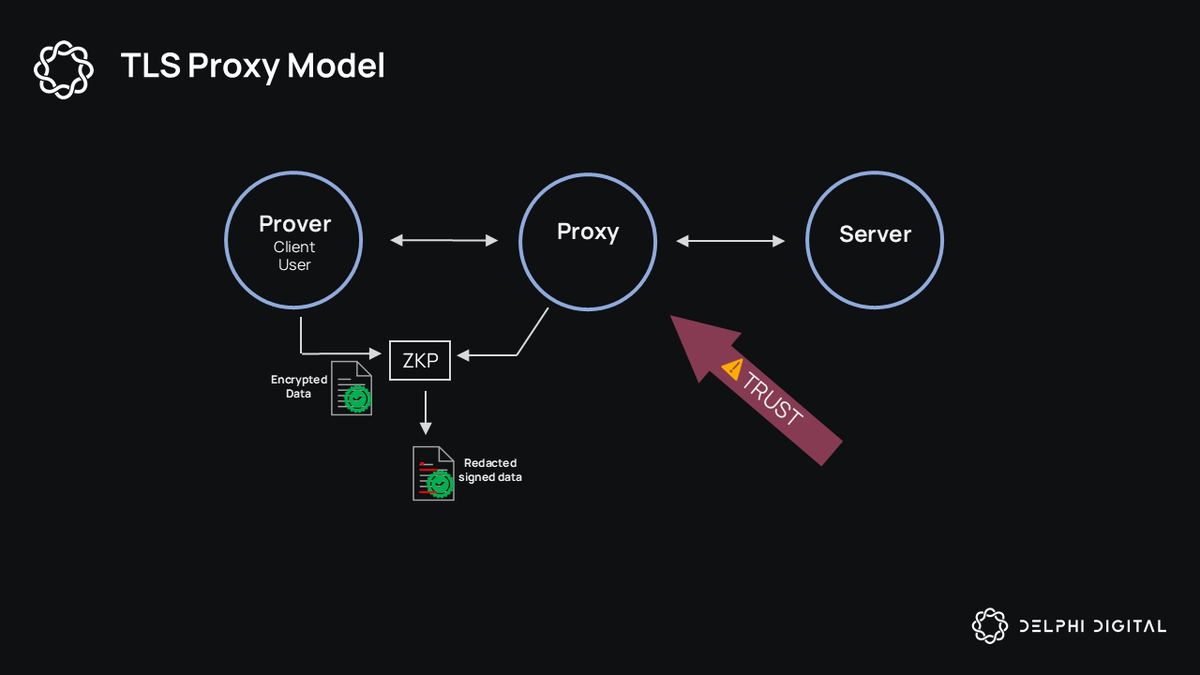
DeFi's promise of permissionless access clashes hard with real-world regulations demanding KYC. Traditional solutions force users to broadcast personal details on-chain, inviting hacks and surveillance. Zero-knowledge proofs flip this script. As Chainlink explains, these cryptographic marvels verify data knowledge without revealing the data itself. Imagine attesting to a clean credit history or verified income for a lending platform, all while your exact figures stay hidden. This isn't hype; it's mathematical certainty powering verifiable credentials ZK proofs.
Why Zero-Knowledge Proofs Are Essential for DeFi Compliance
Regulators circle DeFi like hawks, pushing for AML checks that don't gut user privacy. ZK-KYC emerges as the bridge, where your wallet generates a proof of verification sans personal leaks, per studioam. ai's deep dive. Projects like zkMe and Altme with Polygon ID are paving the way, but challenges linger - Sybil attacks, UX hurdles, regulatory mismatches. Yet, in my 18 years analyzing markets, I've seen cycles where tech that balances trust and privacy wins out. ZK credentials deliver that edge, enabling privacy attestations Web3 style.
Key Benefits of ZK Credentials Wallets
- Selective disclosure of attributes: Prove specific facts, such as being over 18, without revealing full personal details, as enabled by zero-knowledge proofs.

- Compliance without data leaks: Meet regulatory requirements like ZK-KYC by verifying identity attributes without exposing sensitive information.
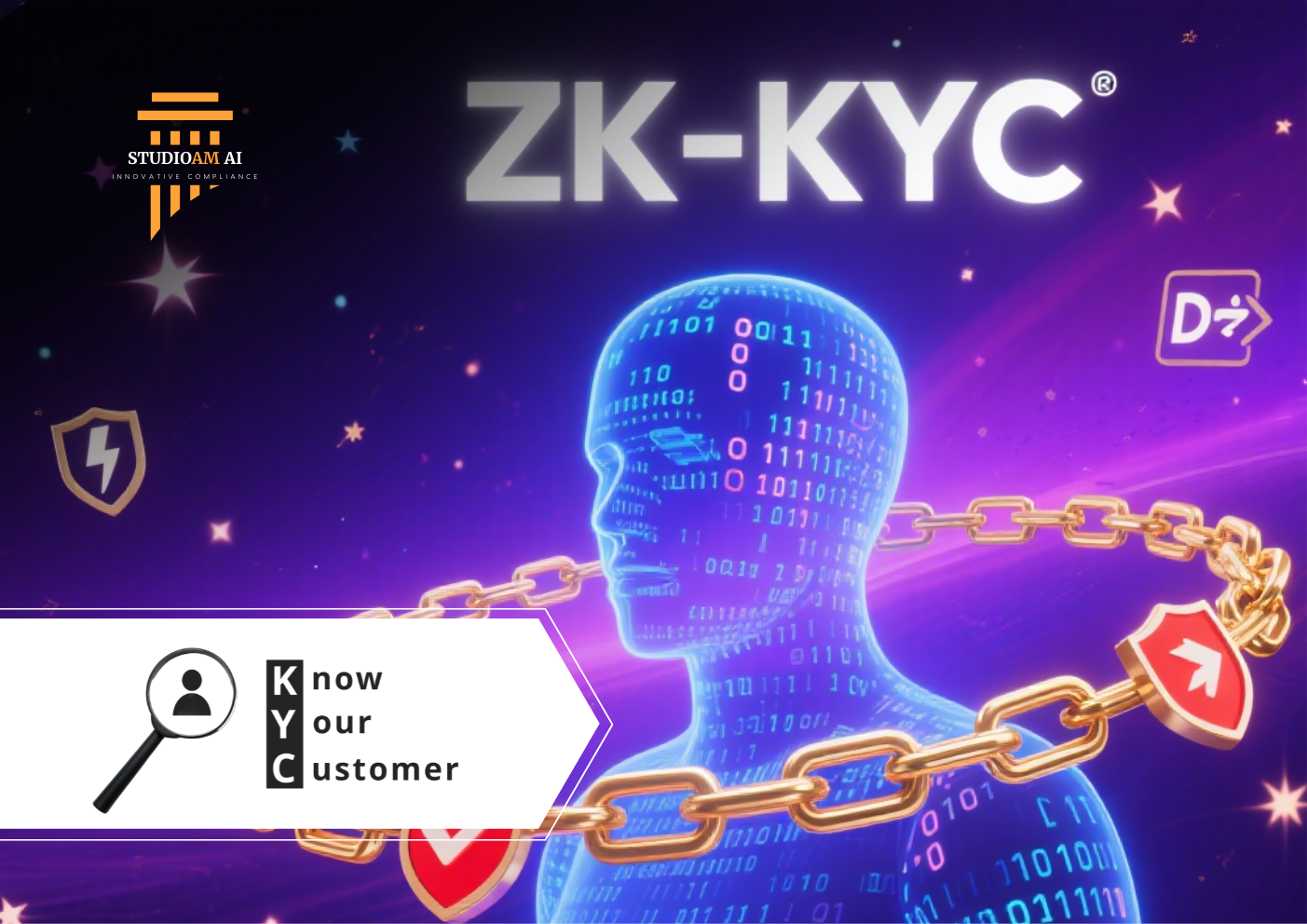
- Sybil resistance via proofs: Prevent duplicate identities through cryptographic proofs, enhancing network security in DeFi.
- Seamless DeFi integrations: Enable privacy-preserving access to DeFi protocols, as seen in projects like zkMe and Polygon ID.
- User-controlled identity: Maintain full control over personal data, sharing only necessary proofs with services.
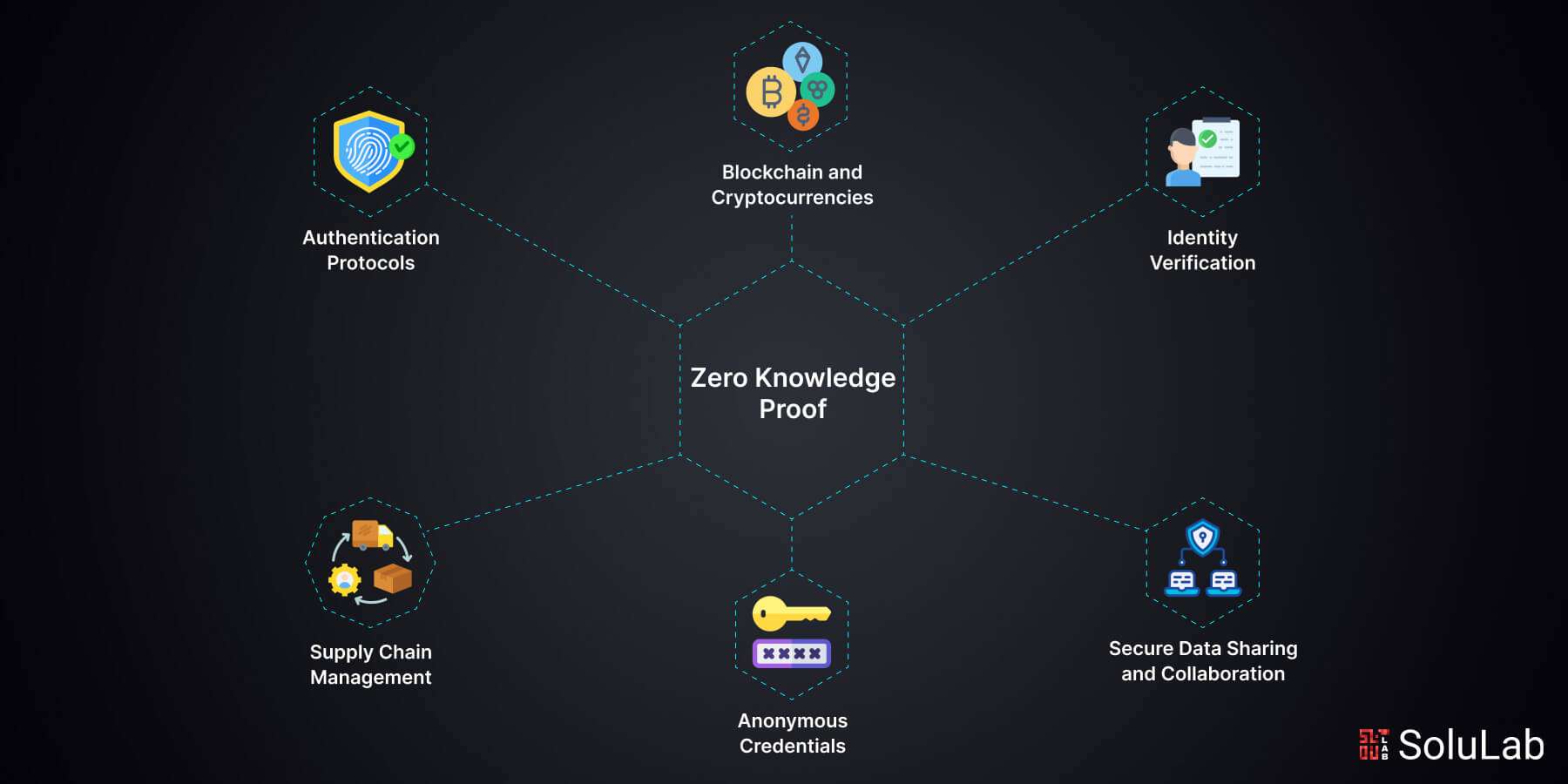
DappRadar nails it: ZK proofs lead blockchain identity innovation, verifying facts mathematically. For institutions eyeing DeFi, this means onboarding without spreadsheets of SSNs. ZKCredWallet. com tailors this for you, storing and verifying attestations securely.
Selective Attribute Proofs: The Core of Decentralized Identity Wallets
Picture this: You want to borrow stablecoins but prove solvency without doxxing your portfolio. With a decentralized identity wallet like ZKCredWallet, you craft a zero-knowledge proof saying "my net worth exceeds $50K" - proven, not proclaimed. Dock Labs breaks it down simply: Verify info without revealing it. Codezeros adds that these digital proofs check attributes stealthily.
Purdue's zk-creds toolkit shows flexible assertions in action, from anonymous credentials to protocol auth. Stellar highlights real-world uses, balancing compliance with selective identity shares. At ZKCredWallet. com, we integrate these seamlessly, supporting zkSNARKs for Ethereum privacy boosts, as Rock'n'Block forecasts for 2026 DeFi dominance.
Explore how ZK proofs enhance wallet privacyZKCredWallet: Built for Privacy-Conscious DeFi Users
As a long-term investor, I prioritize tools that withstand macro storms. ZKCredWallet stands out, revolutionizing zero knowledge proofs DeFi applications. Store credentials from issuers, generate proofs on-demand, verify with dApps - all client-side, no servers snooping. Our wallet's edge? Intuitive UI for devs and users alike, plus cross-chain support for broader ecosystems.
arXiv's scalable framework underscores the tech's potential for verifiable data sharing. GitHub repos detail wallet units proving signatures publicly verifiable yet private. We've stress-tested this for portfolio attestations, ensuring your DeFi positions remain yours alone. In a space rife with rug pulls, this conservative approach - invest in what you understand - builds lasting trust.
Cross-chain compatibility means your proofs work across Ethereum, Polygon, and beyond, sidestepping silos that plague many wallets. This matters in macro downturns, when liquidity fragments; a unified identity layer keeps you agile without compromising security.
Real-World Applications: From Lending to Reputation Systems
DeFi thrives on trust signals, yet most rely on opaque oracles or full disclosures. ZK credentials shift this to verifiable, private attestations. Take lending: prove collateral sufficiency without portfolio exposure. Or governance: demonstrate skin-in-the-game via staked value proofs, curbing whale dominance. Stellar's use cases spotlight selective identity for compliance, while Rock'n'Block eyes 2026 for reputation access in DeFi. At ZKCredWallet. com, we enable these natively, supporting verifiable credentials ZK proofs for seamless dApp handshakes.
Master Selective ZK Proofs: Privacy-Preserving DeFi Access in ZKCredWallet
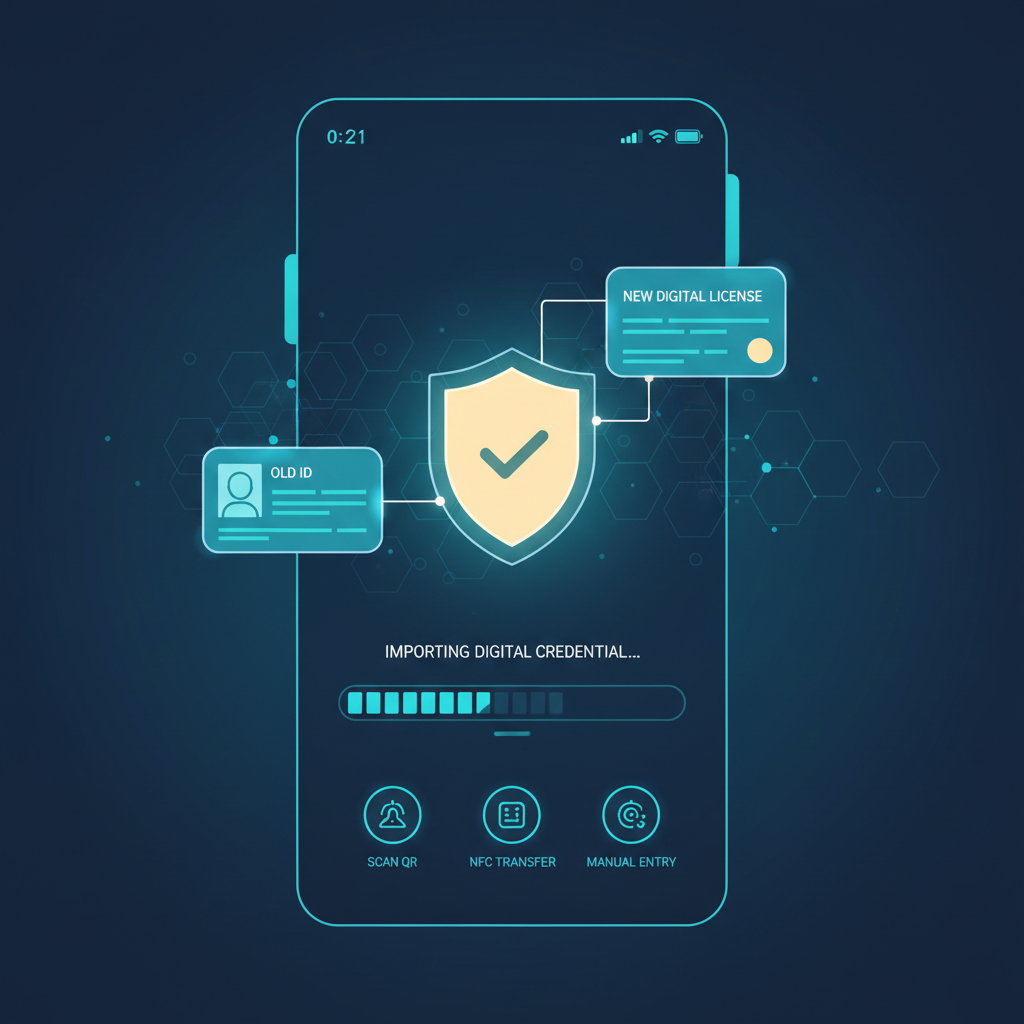
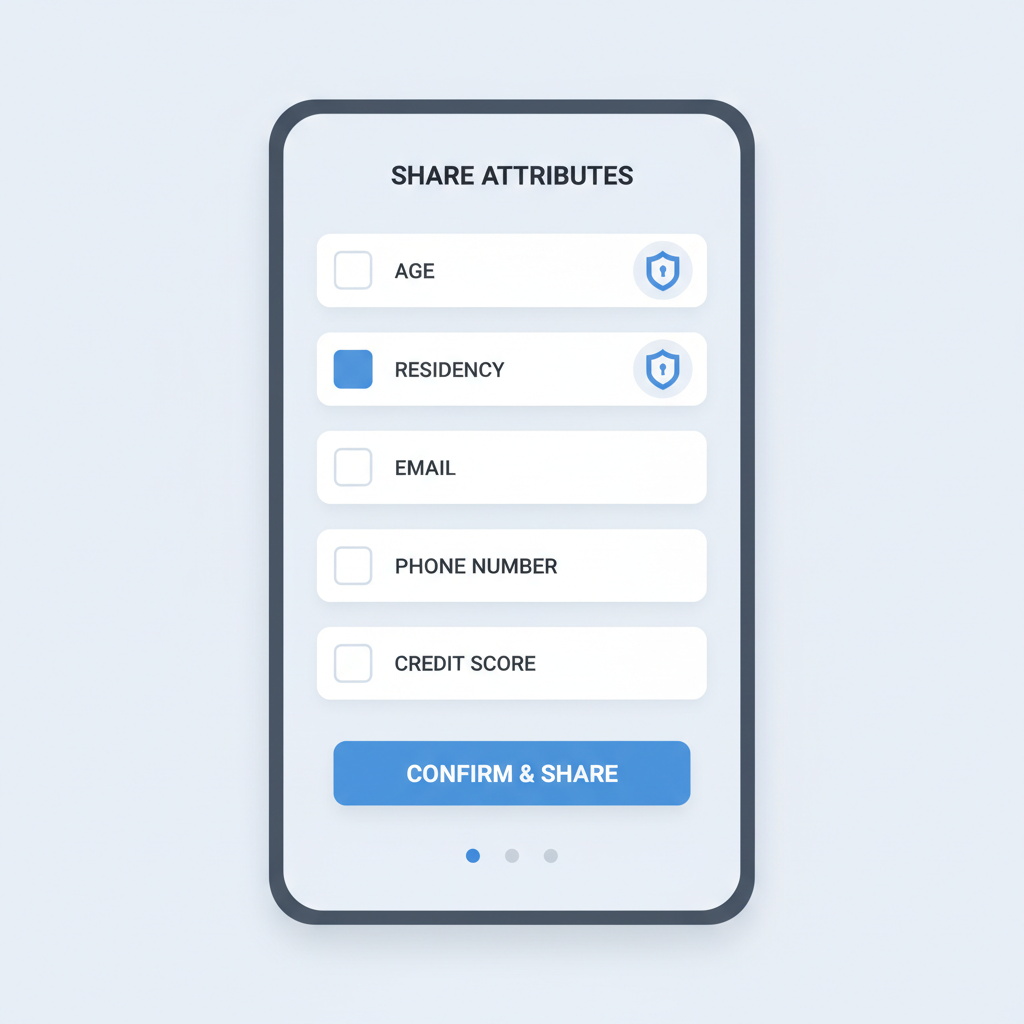
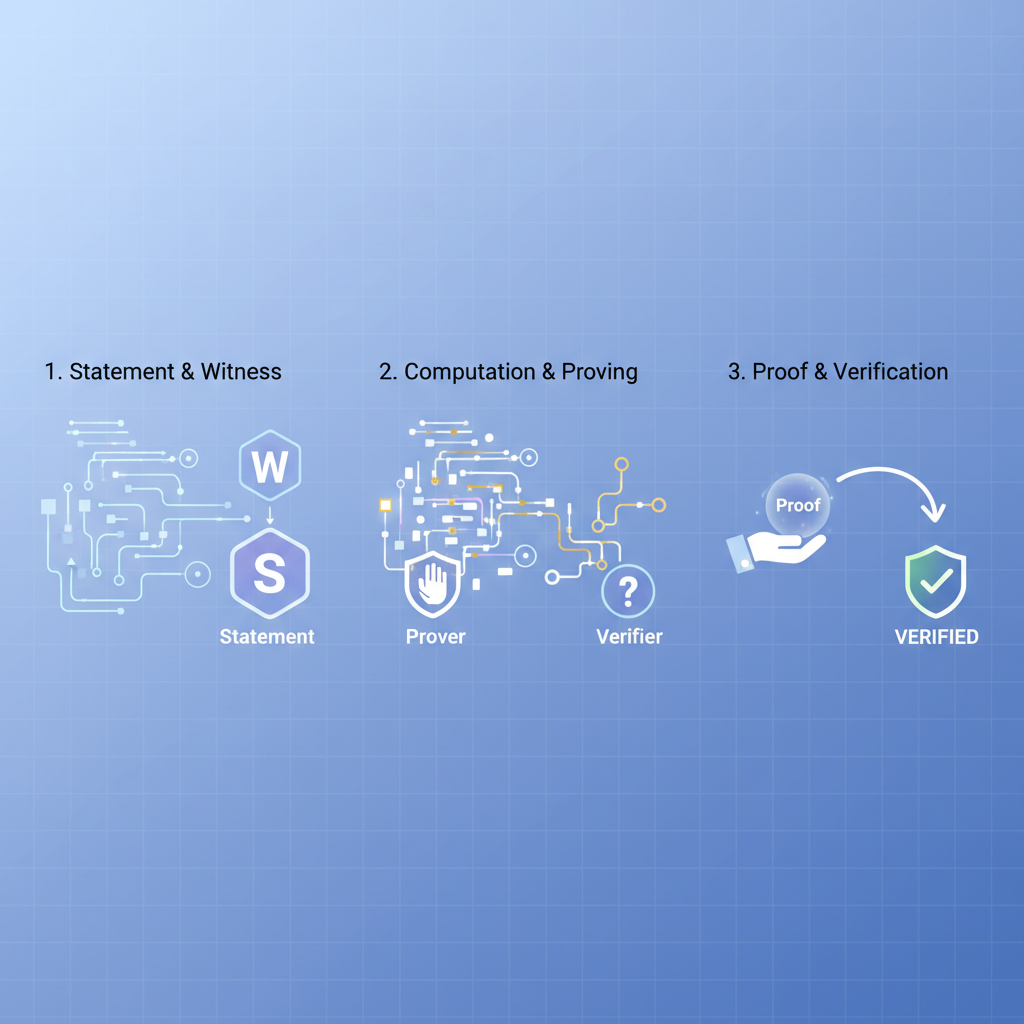
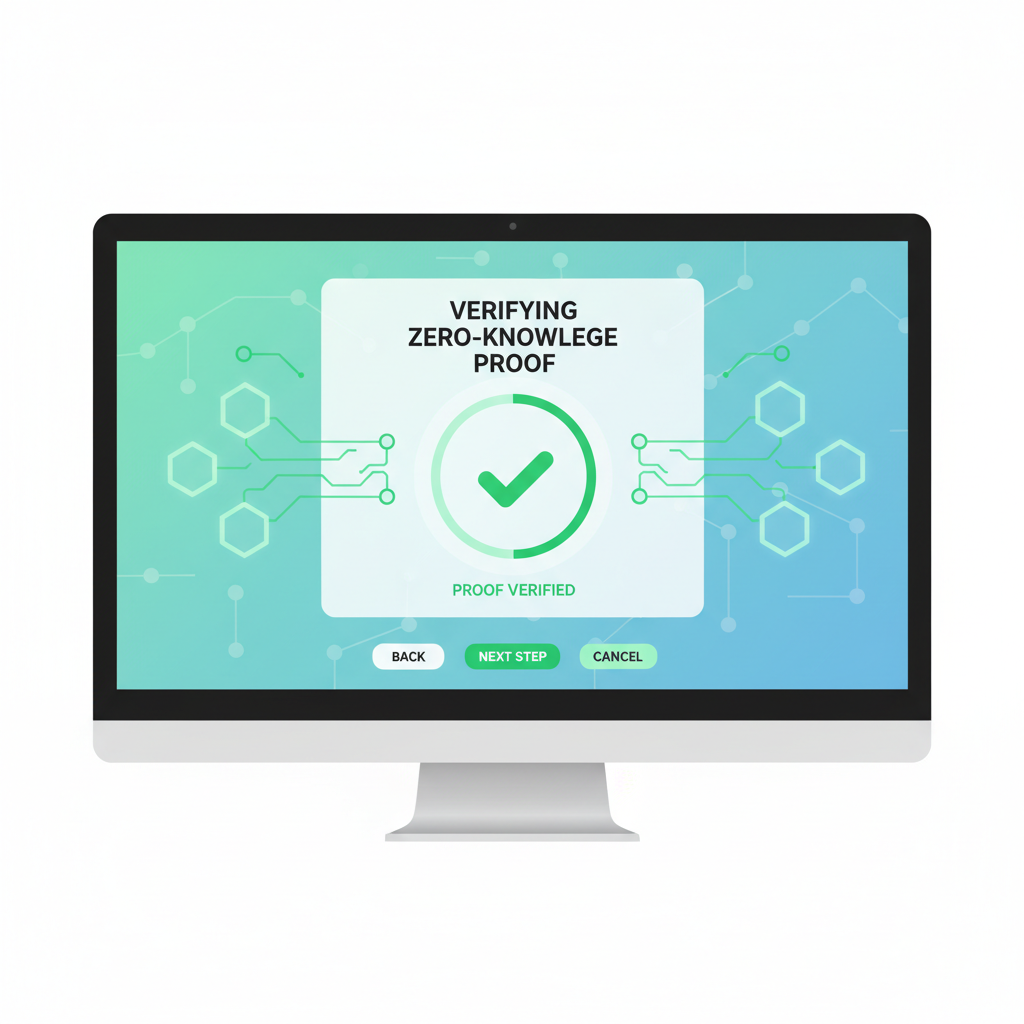
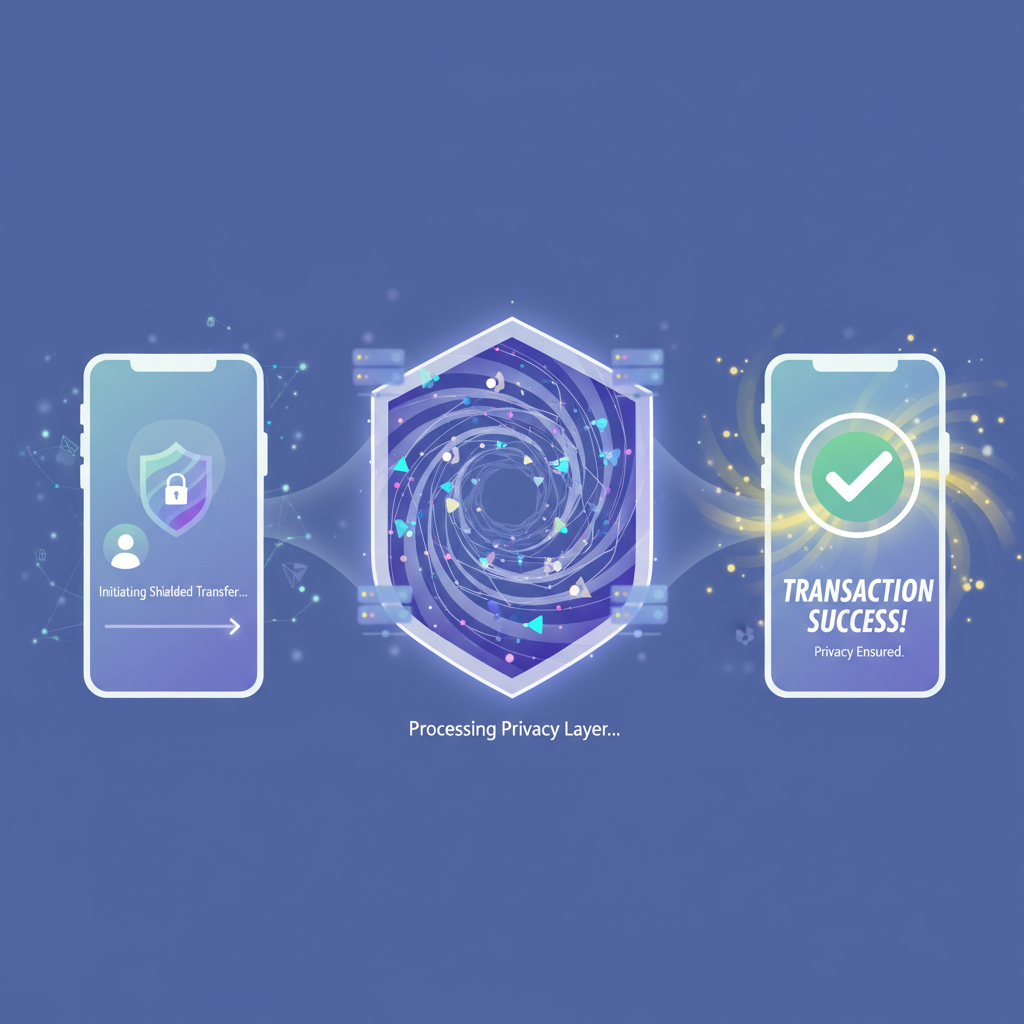
Institutions benefit too. ZK-KYC lets verified users access yield farms without data dumps, aligning with studioam. ai's protocol vision. zkMe's network issues credentials confidentially, mirroring our issuer-verifier flow. Altme and Polygon ID's tie-up proves scalability; we've borrowed their zero-knowledge edge for broader Web3 services.
Portfolio attestations, my focus as a CFA, shine here. Prove diversification or yield thresholds for premium pools, holding through volatility unscathed. This isn't speculative; it's rooted in cryptographic rigor, as Chainlink and Wikipedia affirm for zero-knowledge validity.
Navigating Challenges: A Conservative Path Forward
Adoption hurdles persist. Sybil resistance demands robust issuance, UX must simplify proofs, and regulators eye compatibility. Chainscorelabs flags these, yet zk-creds from Purdue offers flexible tools to counter. I've witnessed tech cycles; privacy tech matures slowly but dominates. ZKCredWallet addresses UX with one-tap proofs, mitigates Sybils via multi-issuer aggregation, and future-proofs for regs via modular compliance layers.
DappRadar's digital identities foundation and arXiv's scalable sharing framework validate this trajectory. GitHub's wallet proofs ensure public verifiability minus leaks. By prioritizing these, ZKCredWallet. com positions users ahead of the curve.
In Web3's maturing landscape, where privacy underpins enduring value, tools like ours foster trustless yet compliant interactions. Developers integrate via SDKs for custom attestations; users reclaim control over privacy attestations Web3. As cycles turn, those grasping zero-knowledge's depth - verifying without vulnerability - hold the advantage. Download ZKCredWallet today and step into selective, secure DeFi.
Learn more on ZK proofs for privacy-preserving wallets



No comments yet. Be the first to share your thoughts!