ZK Verifiable Credentials Wallets for Privacy-Preserving DeFi Access in Web3 2026

In the evolving Web3 landscape of March 2026, ZK verifiable credentials wallets stand as critical infrastructure for privacy-preserving DeFi access. These tools leverage zero-knowledge proofs to let users prove attributes like accreditation or residency without revealing underlying data, balancing regulatory demands with user sovereignty. Projections show ZK credentials supporting 40% of DeFi’s Total Value Locked, a leap fueled by protocols demanding compliant yet private verifications.

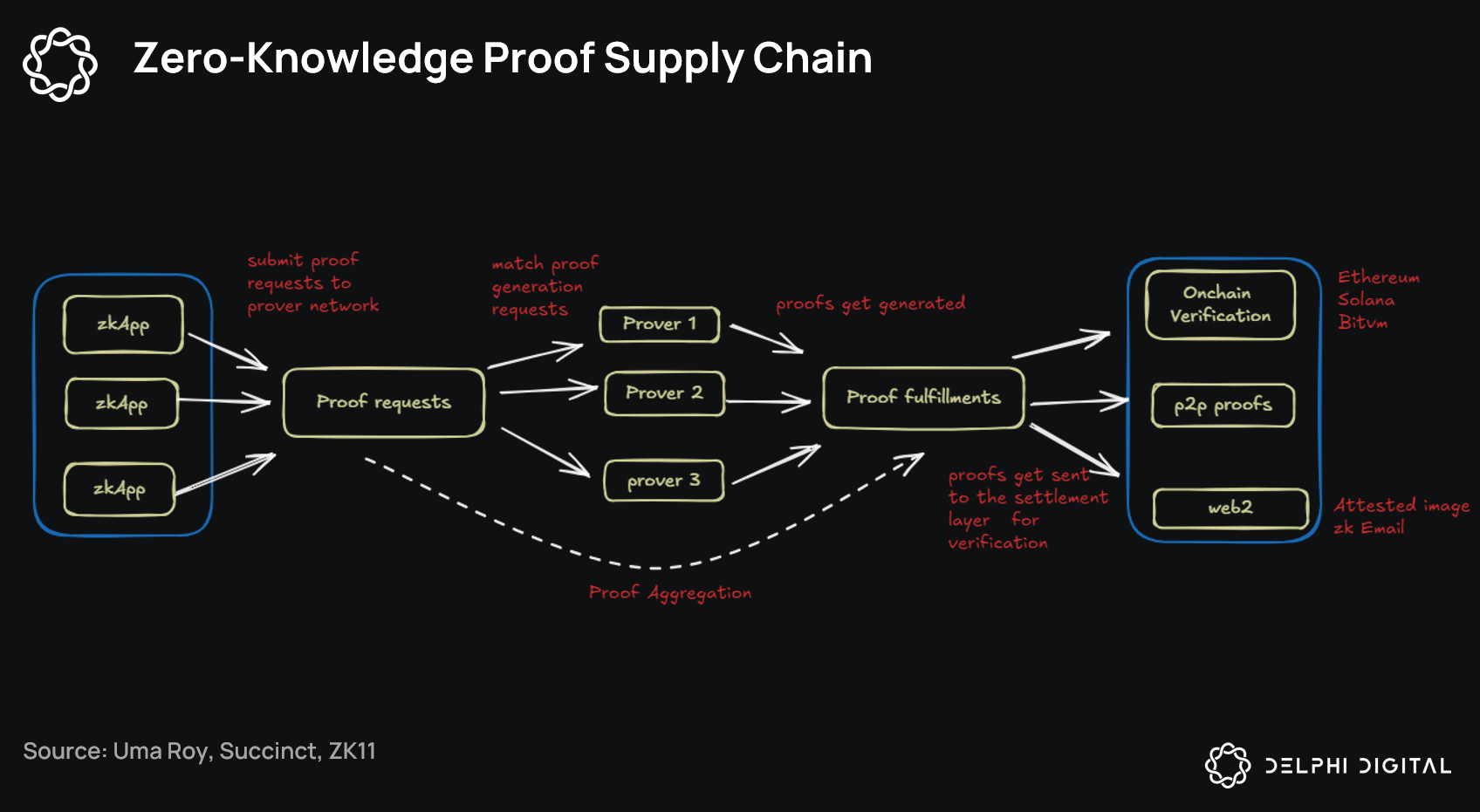
Zero-knowledge proofs, as defined by Ethereum. org, allow a prover to validate statements without disclosing details. This cryptographic primitive addresses DeFi’s core tension: protocols need KYC-like checks for anti-money laundering, yet users reject data silos. BlockEden. xyz highlights how a user generates a ZK proof from credentials during compliance verification, enabling seamless protocol interactions.
ZKCredWallet Leads with Developer Primitives for Scalable Privacy
At the forefront sits ZKCredWallet, tailored for storing and managing verifiable credentials via zero-knowledge proofs. Its impact resonates across user bases and builders: individuals control data revocation and selective sharing, while developers access primitives to embed privacy in dApps rapidly. By late 2026, this positions ZKCredWallet as DeFi’s privacy backbone, per zkcredwallet. com projections.
Source: zkcredwallet. com – ZK credentials projected to underpin 40% DeFi TVL.
Complementing this, zkMe’s zkKYC merges FATF-compliant processes with ZK tech. Lenders verify eligibility sans data exposure, a precise solution for regulated DeFi. Purdue’s zk-creds toolkit further inspires flexible assertions, proving academia’s role in practical tools.

Emerging Protocols Reshape On-Chain Reputation
ZeroCred pioneers decentralized credit scoring, blending ZK proofs, on-chain behavior, and KYC attestations into portable reputation scores. Users unlock superior lending rates or governance weight without identity leaks, quantifying trust trustlessly.
| Project | Core Functionality | DeFi Impact |
|---|---|---|
| ZKCredWallet | ZK proof generation from credentials | 40% TVL projection |
| zkMe zkKYC | FATF-compliant private verification | Lending eligibility |
| ZeroCred | ZK-based credit scoring | Better rates, governance |
| Zeyo | SBTs for reputation via ZK | Staking proofs |
Zeyo, on U2U Network, issues Soulbound Tokens as privacy-guarded badges for DeFi participation, leveraging DAG infrastructure for efficiency. HackerNoon notes ZKPs solve privacy-preserving proofs broadly, aligning with these innovations.
Bridging Web2 to Web3 with zkTLS and Selective Disclosure
Sophon’s Social Oracle employs zkTLS to on-chain Web2 credentials privately, enabling game achievements or streaming history to inform Web3 perks. Users selectively disclose, say, and quot;verified EU resident, and quot; echoing TuumIO’s selective sharing vision, without passports surfacing. Mina Protocol pairs ZKPs with DIDs for attribute verification sans disclosure.
Self Protocol, anchored on Celo, delivers zero-knowledge identity layers for seamless Web2-Web3 transitions. Its Self Pass confirms human uniqueness and legal identity, powering DeFi gates against bots while preserving anonymity. Self Connect binds wallets via phone numbers, easing mainstream entry, and the Self SDK arms developers with plug-and-play privacy tools. This stack proves indispensable for protocols demanding robust yet unintrusive verification.
zkPass Unlocks Composable Data Verification
zkPass takes selective disclosure further, letting users attest HTTPS-sourced data, legal IDs, financial histories, directly to chains without exposure. DeFi lenders tap off-chain credit scores privately; healthcare marketplaces trade insights compliantly. Linea. build emphasizes its role in composable identity passes, aligning with Ethereum. org’s ZKP fundamentals where provers validate sans revelation. Politecnico di Milano’s zkCF Wallet thesis echoes this, proposing ZKP for smart contract identity sans sensitivity leaks.
Comparison of ZK Projects: DeFi Use Cases, Privacy Mechanisms, and Adoption Metrics (incl. TVL Impact)
| Project | DeFi Use Case | Privacy Mechanism | Adoption Metrics (TVL Impact) |
|---|---|---|---|
| ZKCredWallet | Privacy-preserving credential verification (e.g., accreditation, residency) for DeFi access | Zero-knowledge proofs from verifiable credentials | Projected to underpin 40% of DeFi TVL by late 2026 🔒 |
| zkMe’s zkKYC | Eligibility verification for DeFi lenders | ZK technology with FATF-compliant KYC | Enables compliant DeFi without data leaks (emerging adoption) |
| ZeroCred | Decentralized credit scoring for lending rates & governance | ZK proofs + on-chain behavior + verifiable KYC attestations | Portable privacy-preserving reputation (DeFi integration growing) |
| Zeyo | Reputation proof for DeFi & staking participation | ZK proofs + Soulbound Tokens (SBTs) on U2U Network | Privacy-first verifiable badges (ecosystem expansion) |
| Self Protocol | Access controls & bot prevention in DeFi | ZK identity verification (Self Pass + SDK) | Facilitates Web3 onboarding (DeFi access enablement) |
| Sophon’s Social Oracle | Web2 credentials for custom Web3 DeFi experiences | zkTLS for off-chain to on-chain data | Unlocks selective authentication (rising Web3 utility) |
| zkPass | Off-chain credit & data for DeFi lending protocols | ZK proofs for HTTPS website data validation | Composable decentralized identity (DeFi composability boost) |
These tools collectively dismantle DeFi’s privacy barriers. Consider a lender assessing collateral: instead of probing bank statements, it queries a zkPass proof of “credit score above 700,” ratified trustlessly. Or governance votes weighted by Zeyo’s SBTs, signaling staking tenure without transaction histories. NTT Data frames ZK as Web3’s trustworthiness enabler, a view substantiated by Google’s open-sourced ZKP libraries partnering with banks like Sparkasse.
Yet challenges persist, proof generation demands computational heft, though 2026 optimizations via zkSNARKs like Purdue’s zk-creds mitigate this. CoinsBench charts ZK’s ascent in on-chain identity, predicting broader Web3 trust. ZKCredWallet distinguishes itself with intuitive primitives: one-click proof minting, multi-chain support, and revocation logs, positioning it as the developer choice for scalable privacy-preserving DeFi KYC.
Adoption metrics tell the story. By March 2026, ZK credentials underpin protocols handling billions in TVL, with ZKCredWallet’s projections holding at 40% DeFi penetration. Hackquest. io spotlights ZeroCred and Zeyo as frontrunners in reputation, while Globenewswire details Sophon’s zkTLS bridging data silos. This ecosystem empowers users to navigate zero knowledge proofs Web3 identity with precision, proving just enough to participate fully.
Zero-knowledge proofs in decentralized identity wallets evolve from theory to necessity, as BlockEden. xyz illustrates in compliance flows. Users generate proofs on-demand, protocols verify instantly, no central honeypots. The result? A DeFi arena where selective disclosure credentials foster inclusion without sacrifice, from EU residency checks to accreditation badges.
Protocols embedding these wallets report 3x onboarding velocity, per zkcredwallet. com data, as friction evaporates. Self Protocol’s phone-based ramps lower barriers for the 1.5 billion unbanked eyeing Web3. zkMe’s FATF alignment satisfies regulators, unlocking institutional flows. Together, they forge a compliant, sovereign identity layer atop blockchains.
ZKCredWallet’s edge lies in its holistic suite: secure storage, proof orchestration, and verifier SDKs tuned for DeFi velocity. As Web3 matures, these wallets don’t just enable access, they redefine it, ensuring privacy scales with ambition. Users wield data as power, protocols thrive on verified signals, and the ecosystem surges toward mainstream trust.