Tamper-Proof Attestations Using ZK Credentials in Blockchain Wallets

In the shadowy corners of blockchain ecosystems, where trust is scarce and data leaks are commonplace, tamper-proof attestations powered by zero-knowledge (ZK) credentials emerge as a beacon of secure, privacy-preserving verification. Imagine proving you’re over 18 or a verified resident without flashing your entire ID, that’s the promise of ZK credentials in blockchain wallets. These aren’t pie-in-the-sky theories; projects like zkMe have already notched over 3 million user attestations, proving scalability in real-world compliance scenarios. As a cautious observer of Web3’s volatile landscape, I see ZK credentials not as a silver bullet, but as a strategic layer that fortifies wallets against tampering and overreach.

Zero-knowledge proofs, the cryptographic backbone here, let you validate claims without exposing the underlying data. Chainlink describes them succinctly: prove knowledge of data without revealing it. This aligns perfectly with data minimization principles, as explored in the Internet Policy Review’s analysis of European eIDAS compatibility. No more sharing passports or SSNs; instead, selective disclosure rules the day.
ZK Credentials: Forging Censorship-Resistant Verifiable Credentials
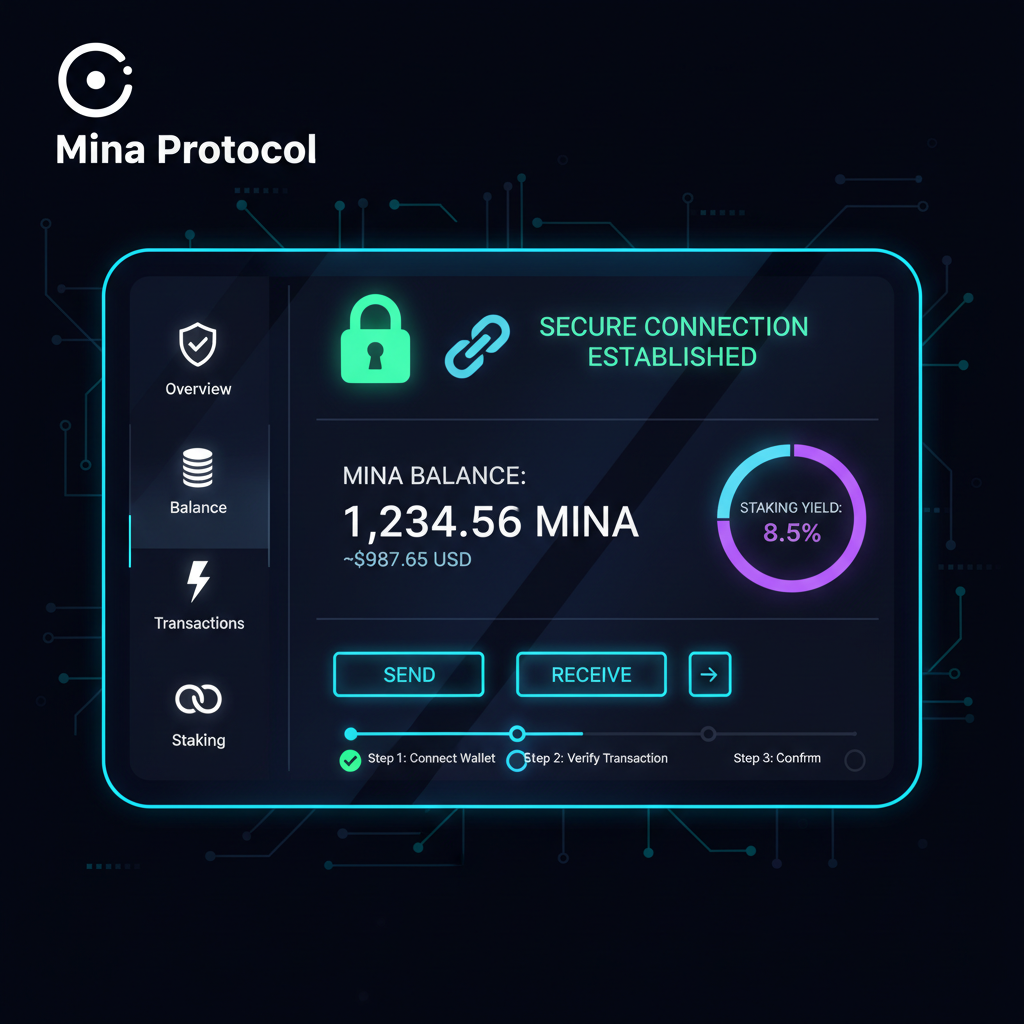
At the heart of ZK credentials blockchain wallet innovation lies the ability to issue censorship resistant verifiable credentials. Issuers, think governments, banks, or universities, sign tamper-proof credentials, per Deutsche Bank’s blockchain finance insights. Holders store them in wallets like ZKCredWallet. com, our leading platform for zero-knowledge attestations. Verifiers check proofs on-chain, blind to sensitive details. Mina Protocol’s Attestations library exemplifies this, pairing ZKPs with decentralized identifiers (DIDs) for attribute verification sans disclosure.
Secure ZK Attestations: Privacy-First Guide with Mina Protocol
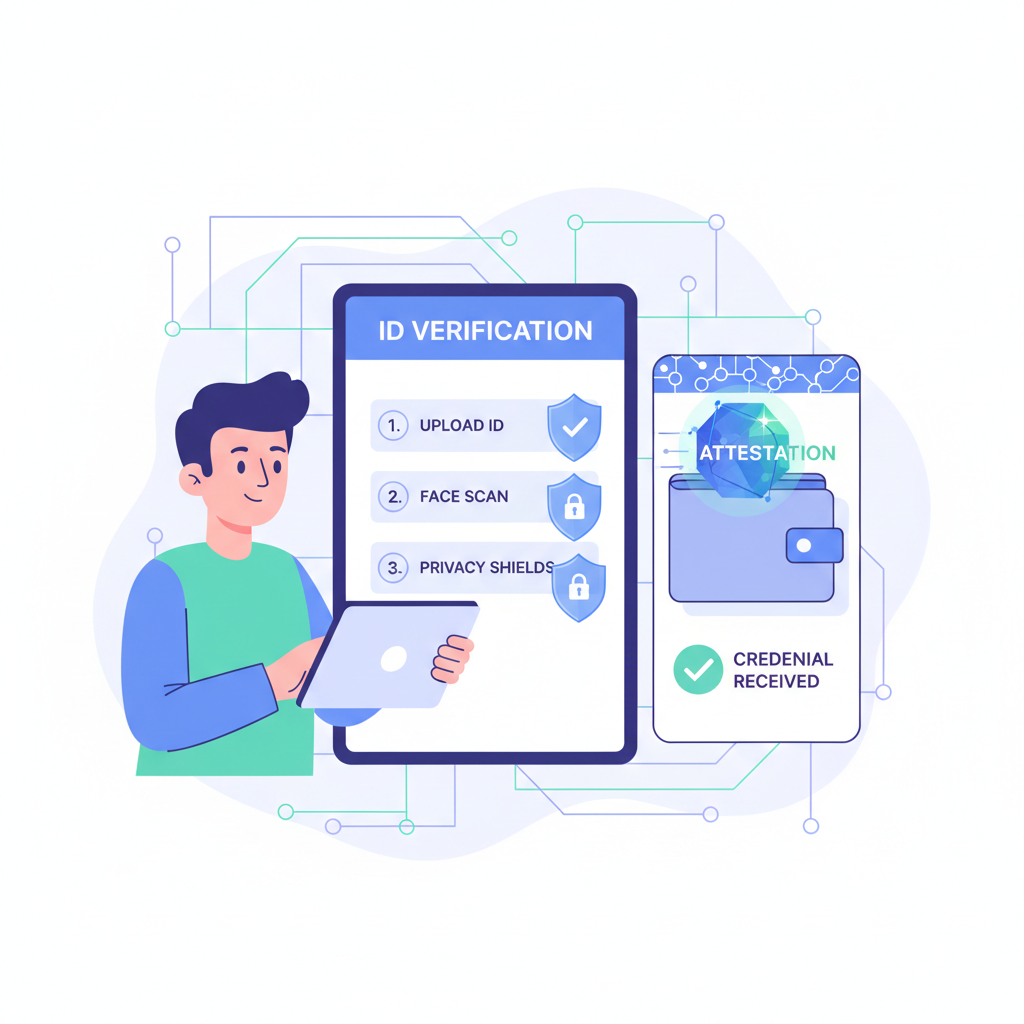
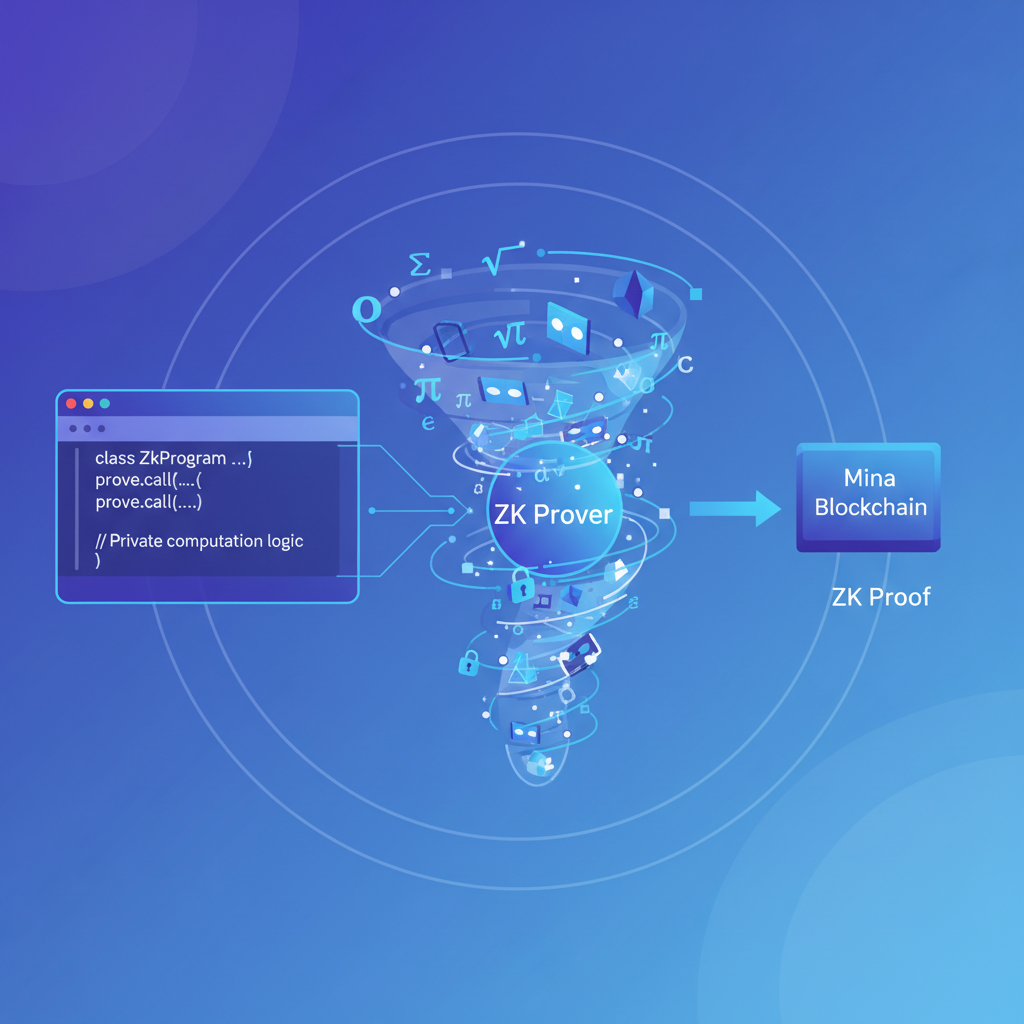
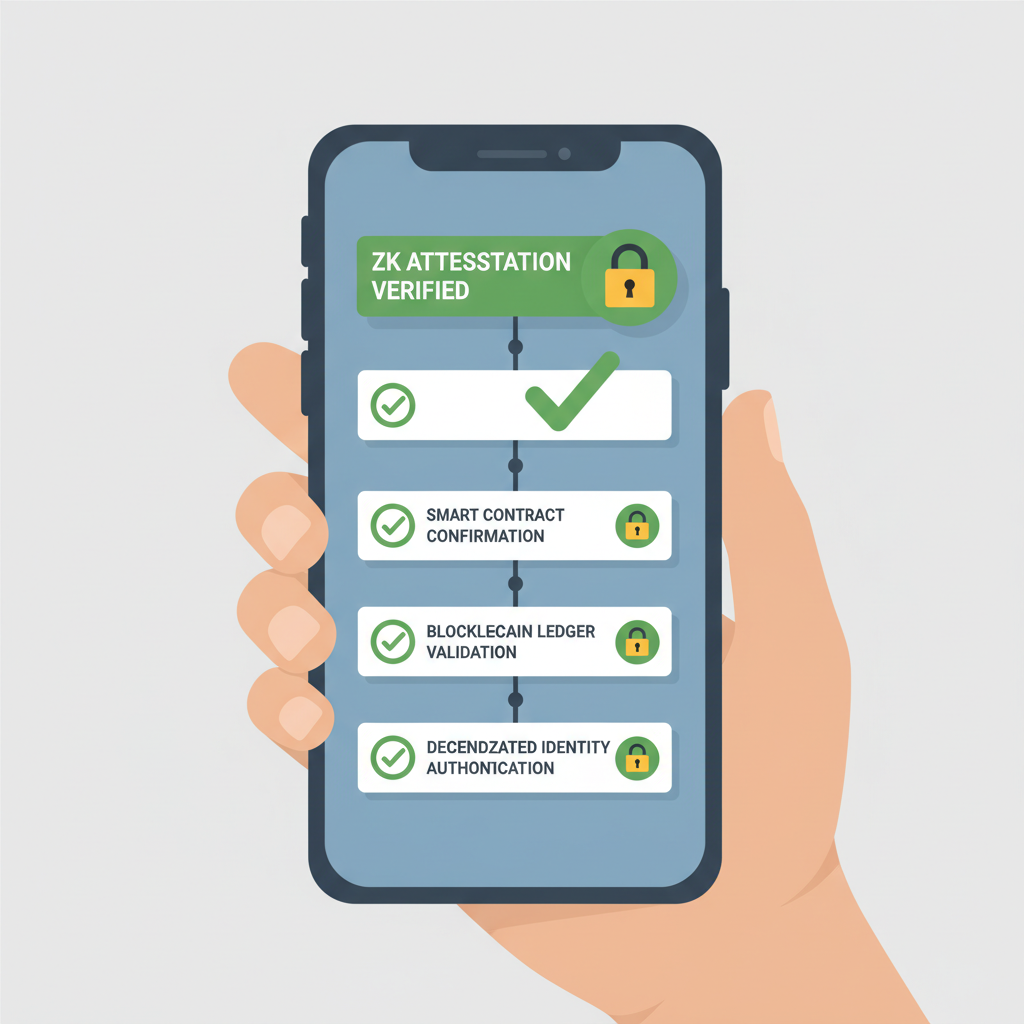
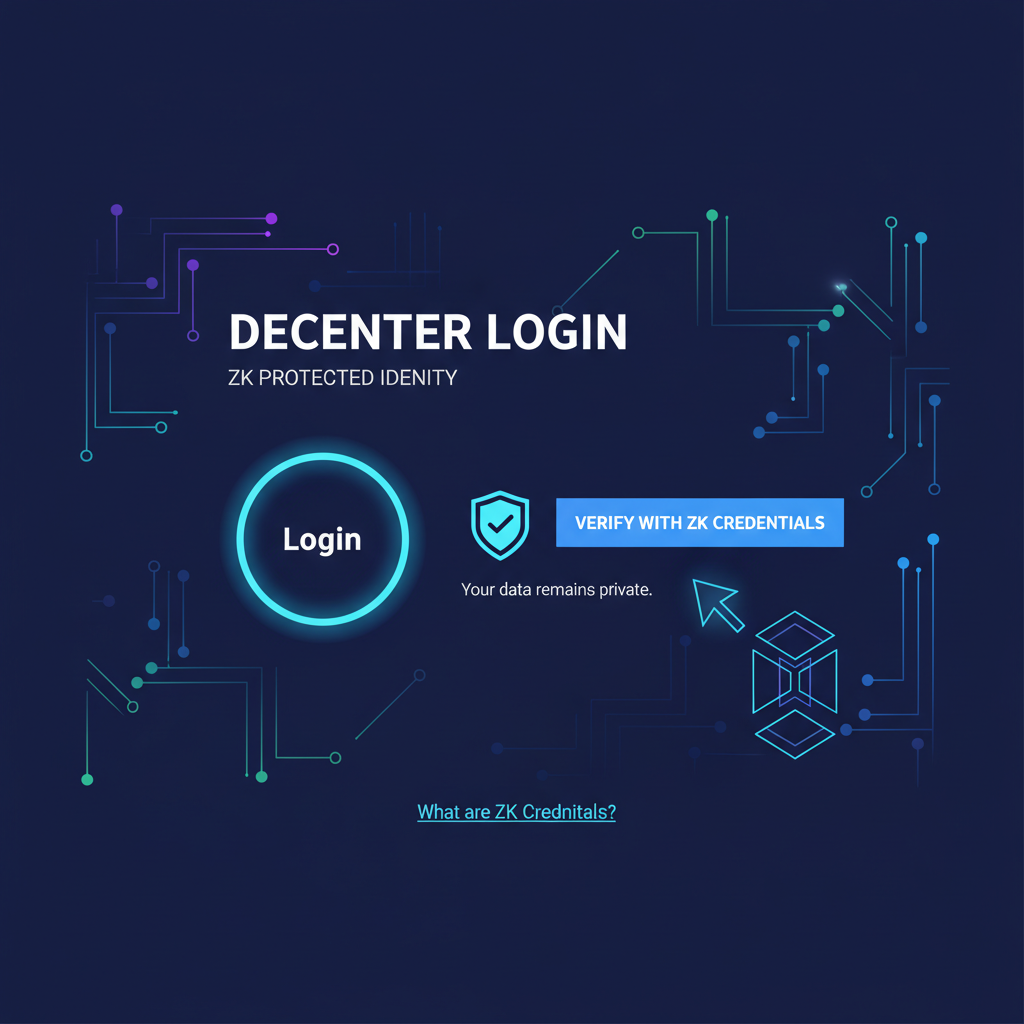
Consider Zipwire Attest: users link Ethereum wallets, verify IDs off-chain, and receive attestations directly. It’s seamless, user-controlled, and tamper-proof by design. Oasis Protocol draws parallels to trusted execution environments (TEEs), where developers generate unalterable attestations. Yet ZK edges out with pure cryptography, no hardware reliance, a prudent choice in adversarial environments.
The Mechanics of Tamper-Proof Attestations in Wallets
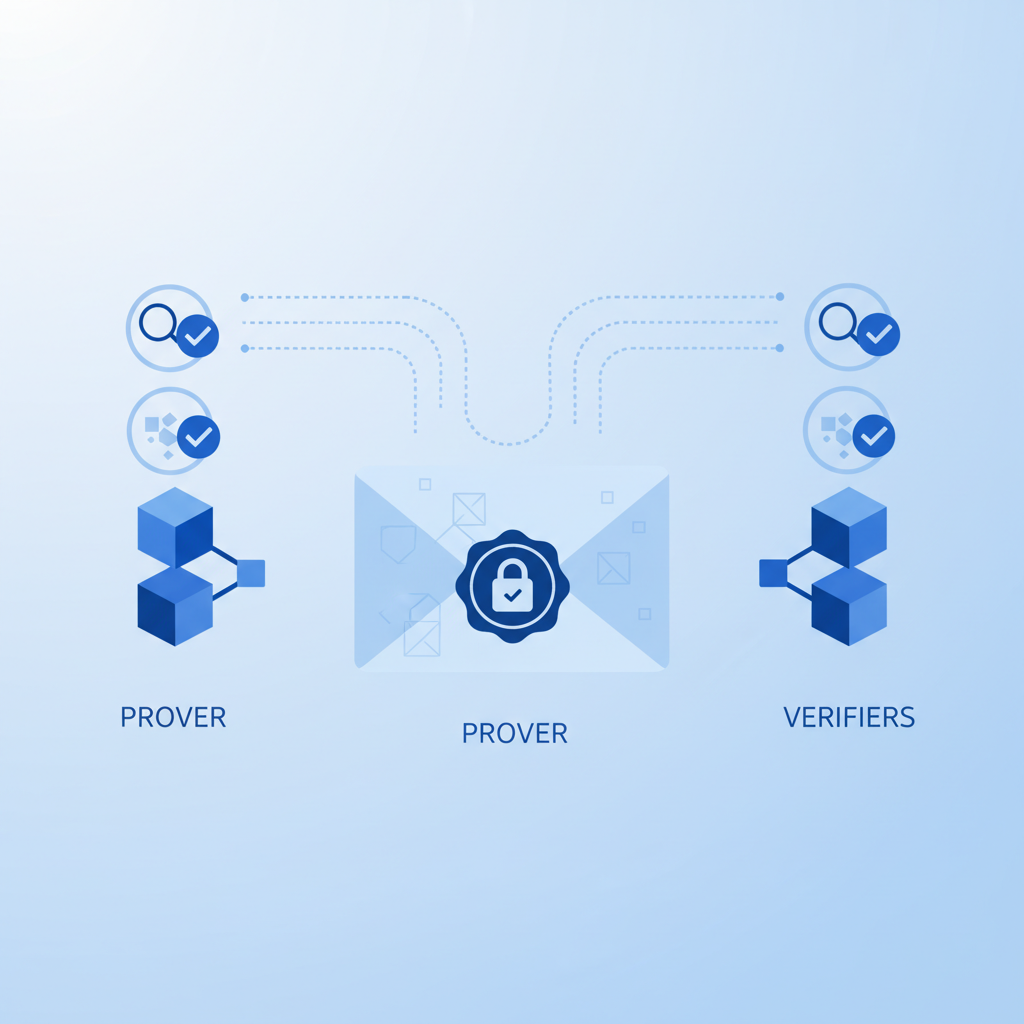
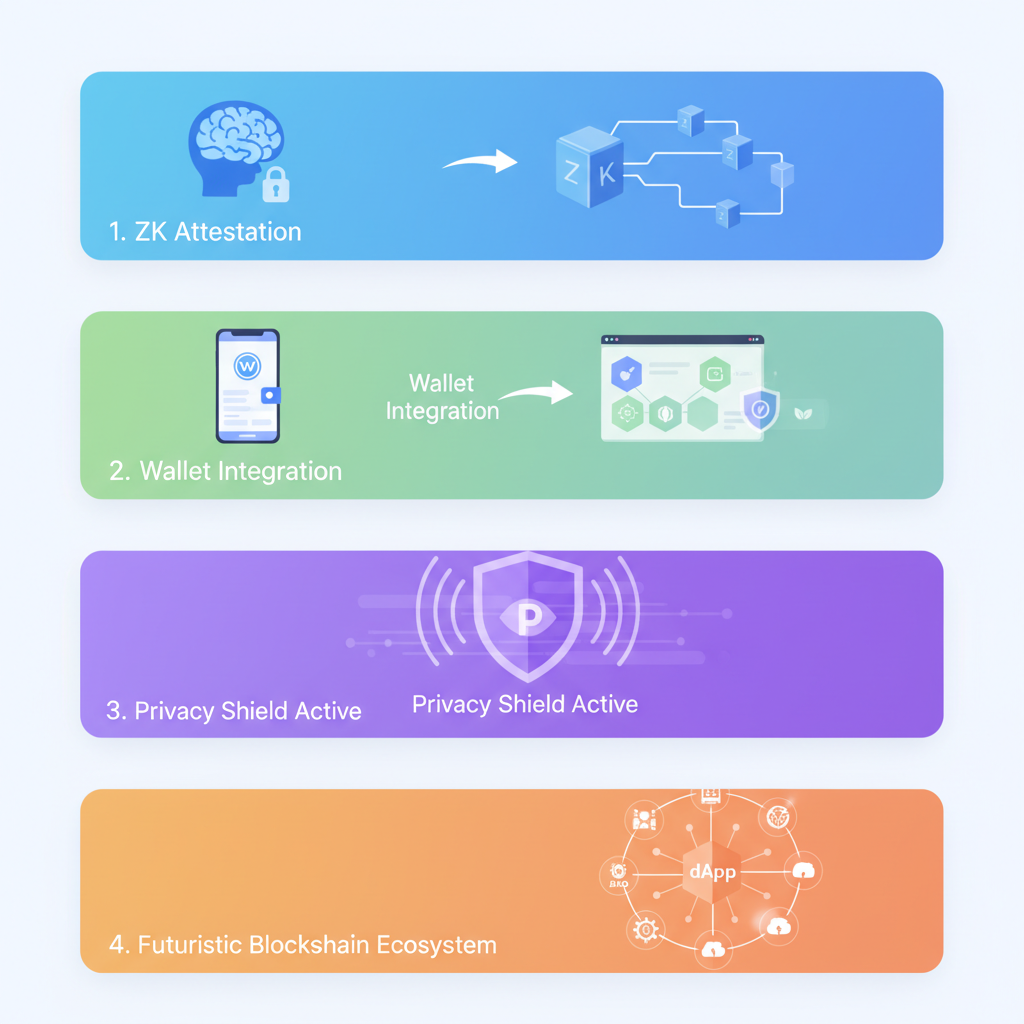
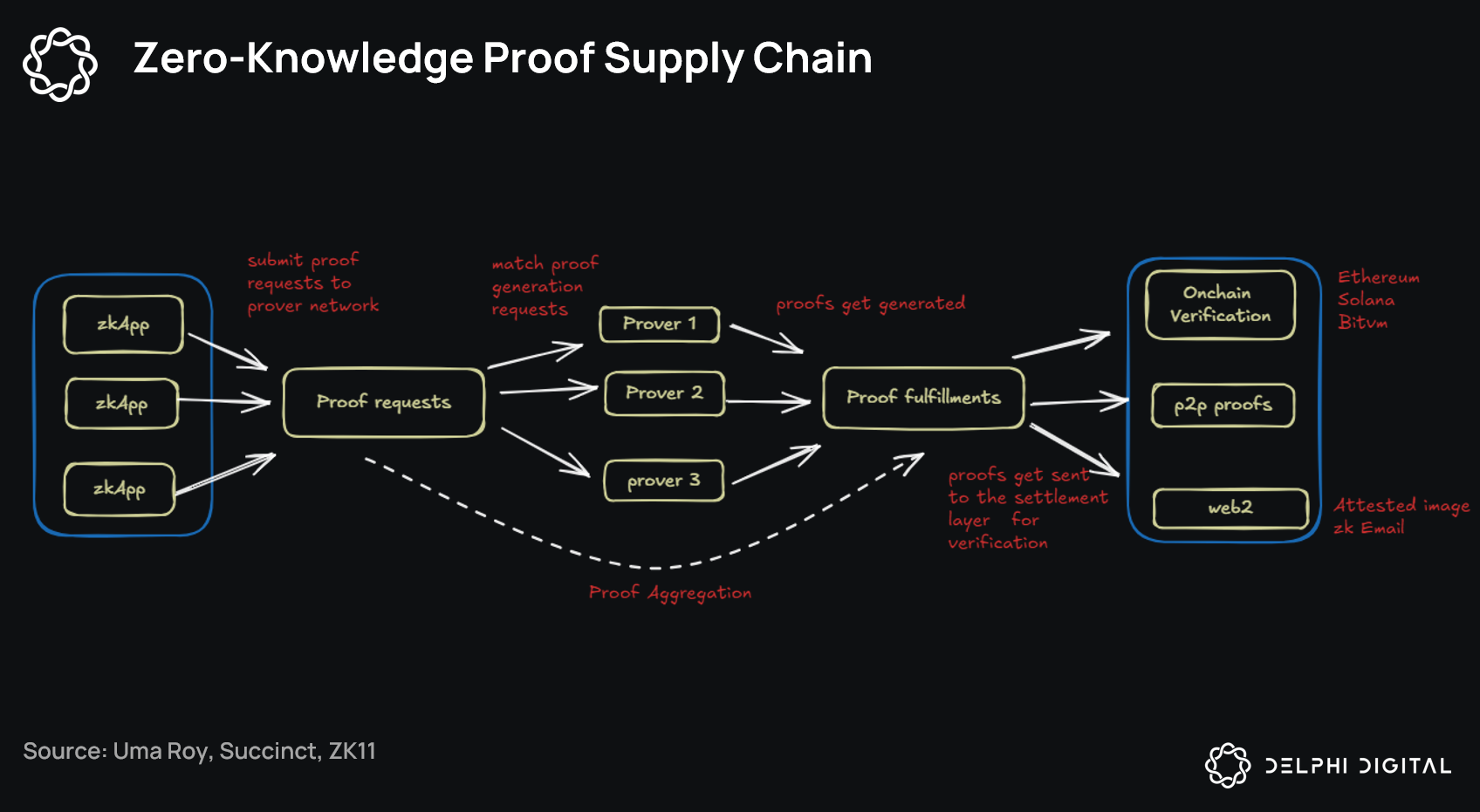
Diving deeper, tamper-proof attestations function like Reddit’s apt analogy: tamper-proof attestations ZK as stamps on opaque envelopes. The blockchain confirms contents without peeking. Cryptology ePrint’s Wallet Trust Evidence (WTE) spec outlines wallet-issued attestations tying proofs to provider trust. In practice, a ZK proof circuit computes attributes from credentials, outputting a succinct proof verifiable in constant time.
“Zero-knowledge proofs (ZKPs), when combined with decentralized identifiers (DIDs), allow for verifying identity attributes without disclosing personal. . . “: Mina Protocol
This setup thwarts tampering: alter the data, and the proof fails. Dock Labs and Lithium Digital emphasize ZKPs’ role in online security and privacy tools. For developers, ZKCredWallet integrates these seamlessly, enabling DeFi protocols to demand ‘over 21’ proofs without KYC nightmares. Built In hails ZK as blockchain’s future, and strategically, I’d wager it’s already reshaping compliance.
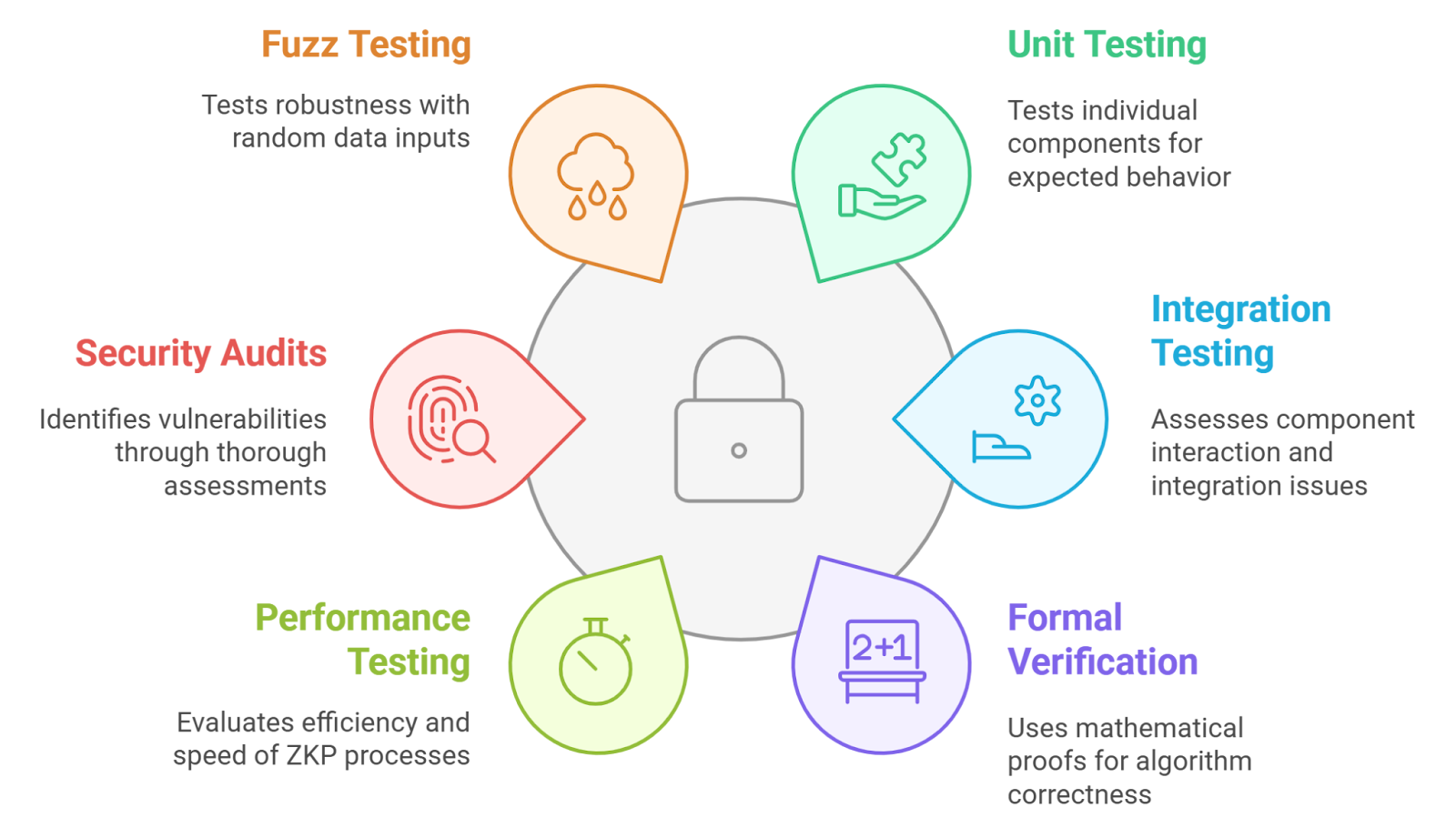
Privacy-conscious users gain leverage: prove solvency for loans or accreditation for DAOs minus data dumps. Lithium Digital calls ZKPs groundbreaking for security; I concur, but caution against hype, implementation flaws can undermine proofs. Still, in wallets like ours, rigorous audits ensure robustness. As volatility plagues markets, these credentials offer stability in identity layers, much like options hedging in derivatives.
Scalability Meets Real-World Adoption
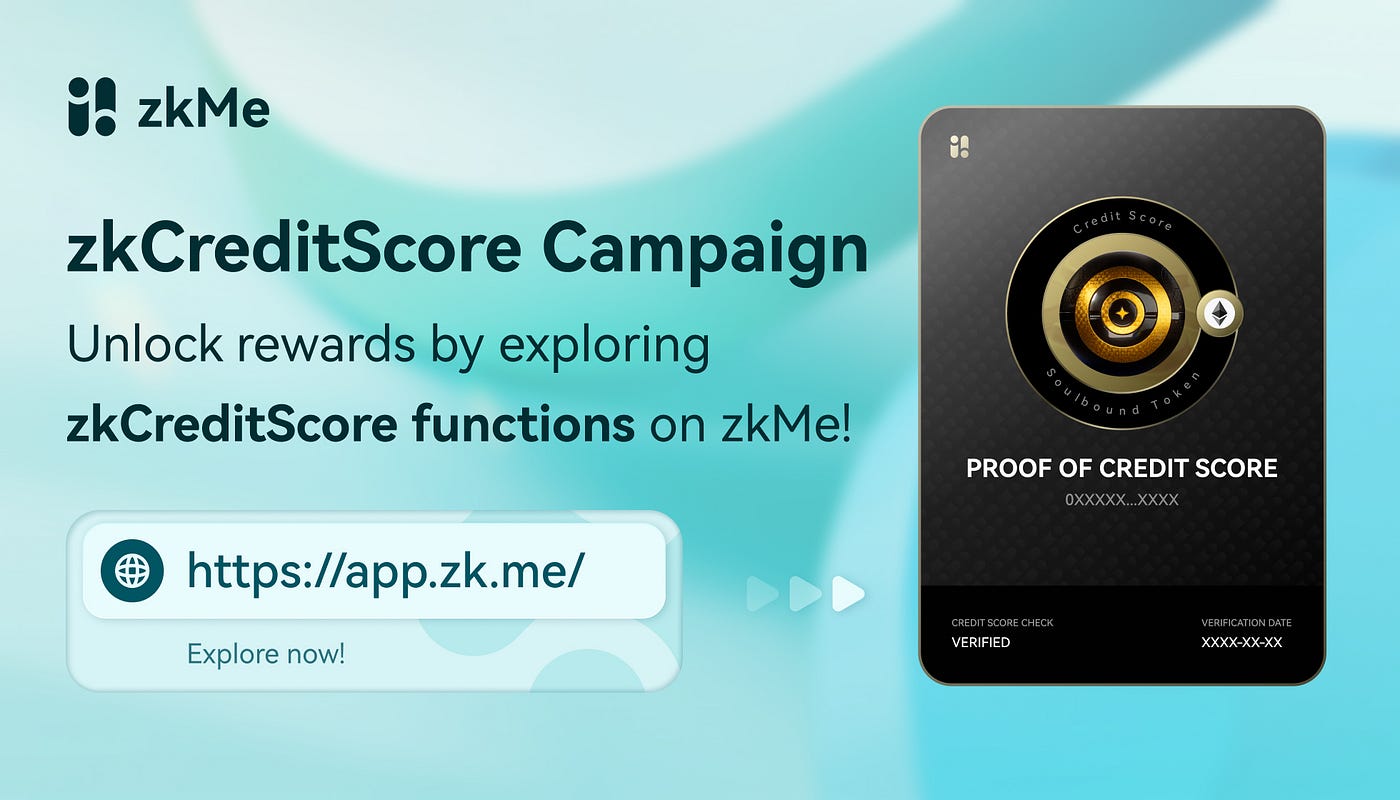
zkMe’s zkKYC suite scales to millions, aligning with regs like Europe’s electronic identification mandates. Users complete verifications, pocket attestations, and deploy them across ecosystems. Mina’s library empowers devs to craft private attestations, selective on attributes. This isn’t theoretical; it’s deployable now, fostering trustless interactions in DeFi and beyond. Opinionated take: wallets ignoring ZK risk obsolescence in a privacy-first Web3.
Developers stand at the inflection point: integrating ZK credentials blockchain wallet features demands foresight. ZKCredWallet. com simplifies this with plug-and-play modules, but success hinges on circuit optimization. Succinct proofs minimize gas fees, crucial in high-throughput chains. I’ve traded derivatives long enough to know: leverage amplifies wins and losses alike. ZK offers leverage in privacy, but poor design invites exploits.
Hands-On Implementing Tamper-Proof Attestations
Picture issuing a credential: an authority encodes attributes into a Merkle tree or polynomial commitment. The holder generates a proof via a trusted setup or fully homomorphic alternative, then verifies on-chain. This chain-of-trust resists censorship, embodying censorship resistant verifiable credentials. Caution flags: prover time scales poorly without recursion; projects like Mina tackle this with lightweight chains.
Master Tamper-Proof ZK Attestations: Secure Generation & Verification Guide
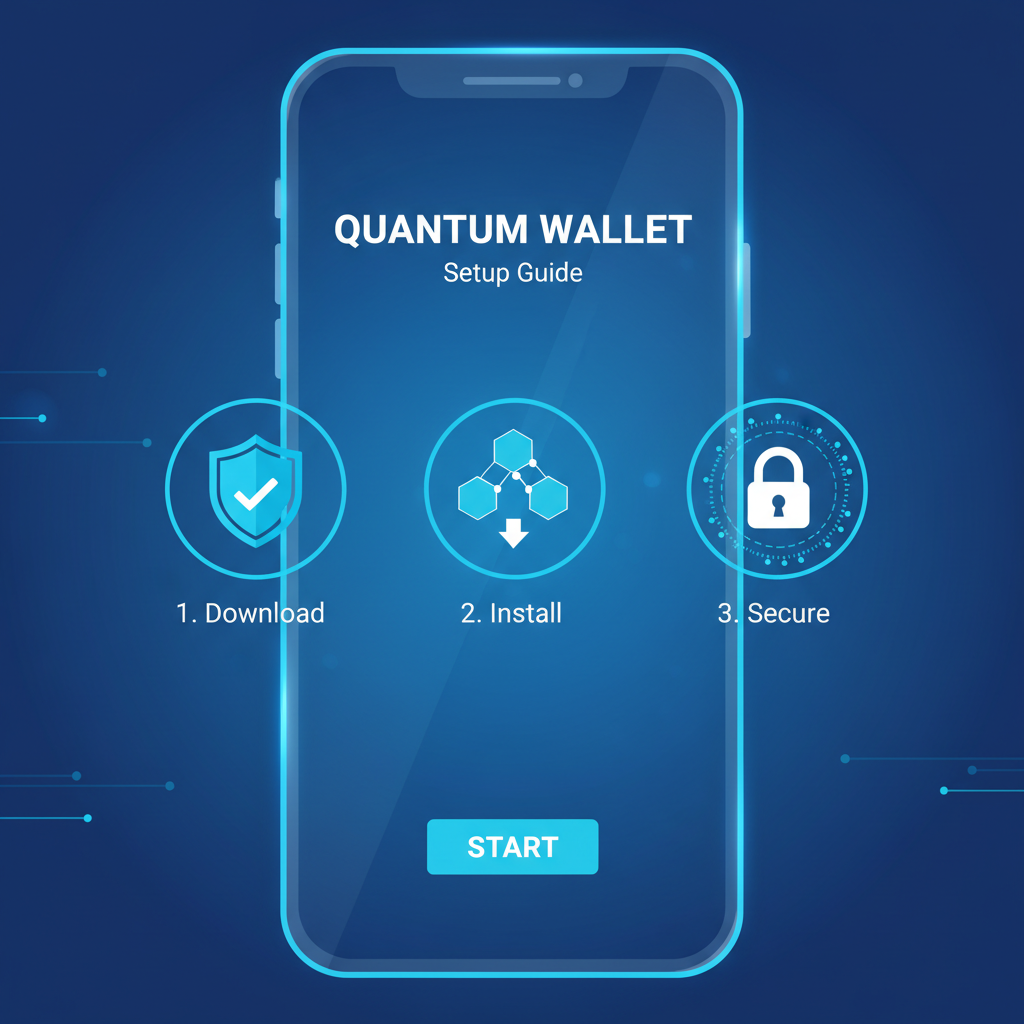
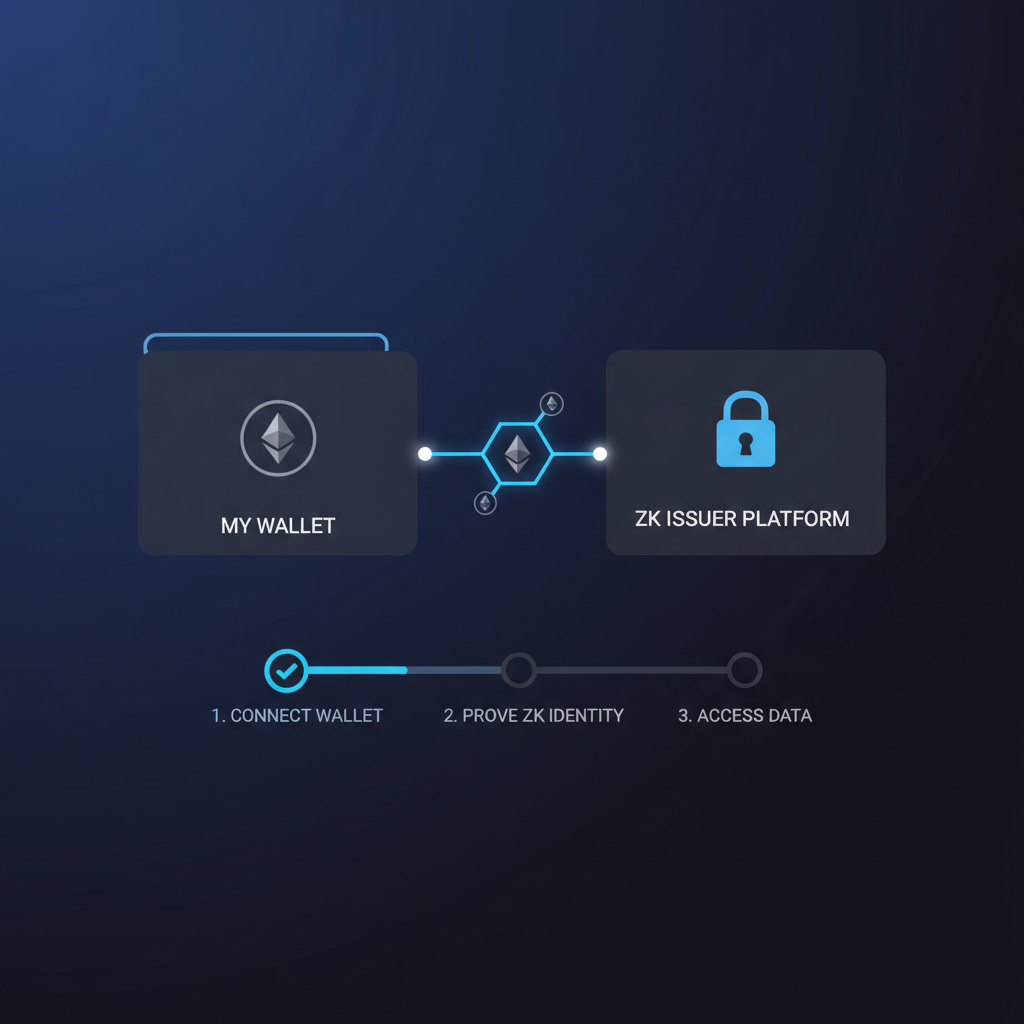
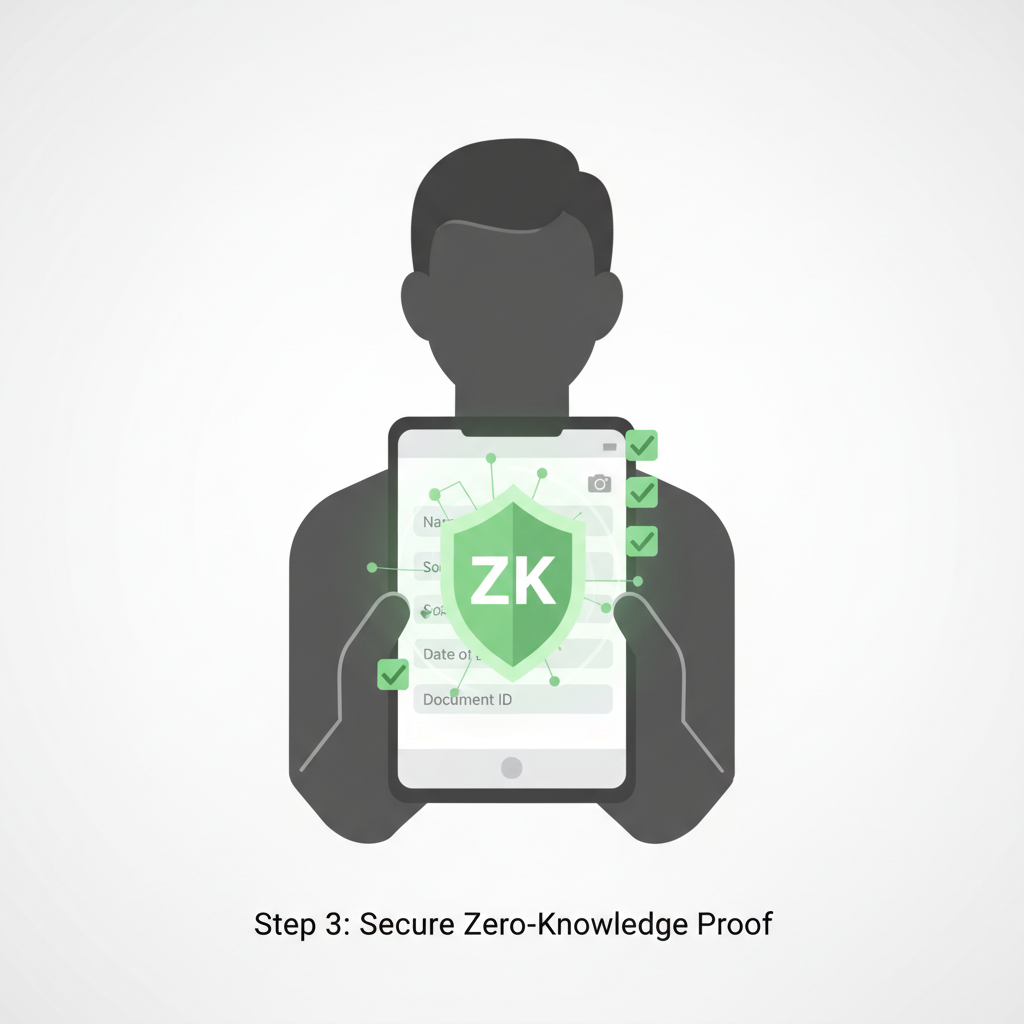
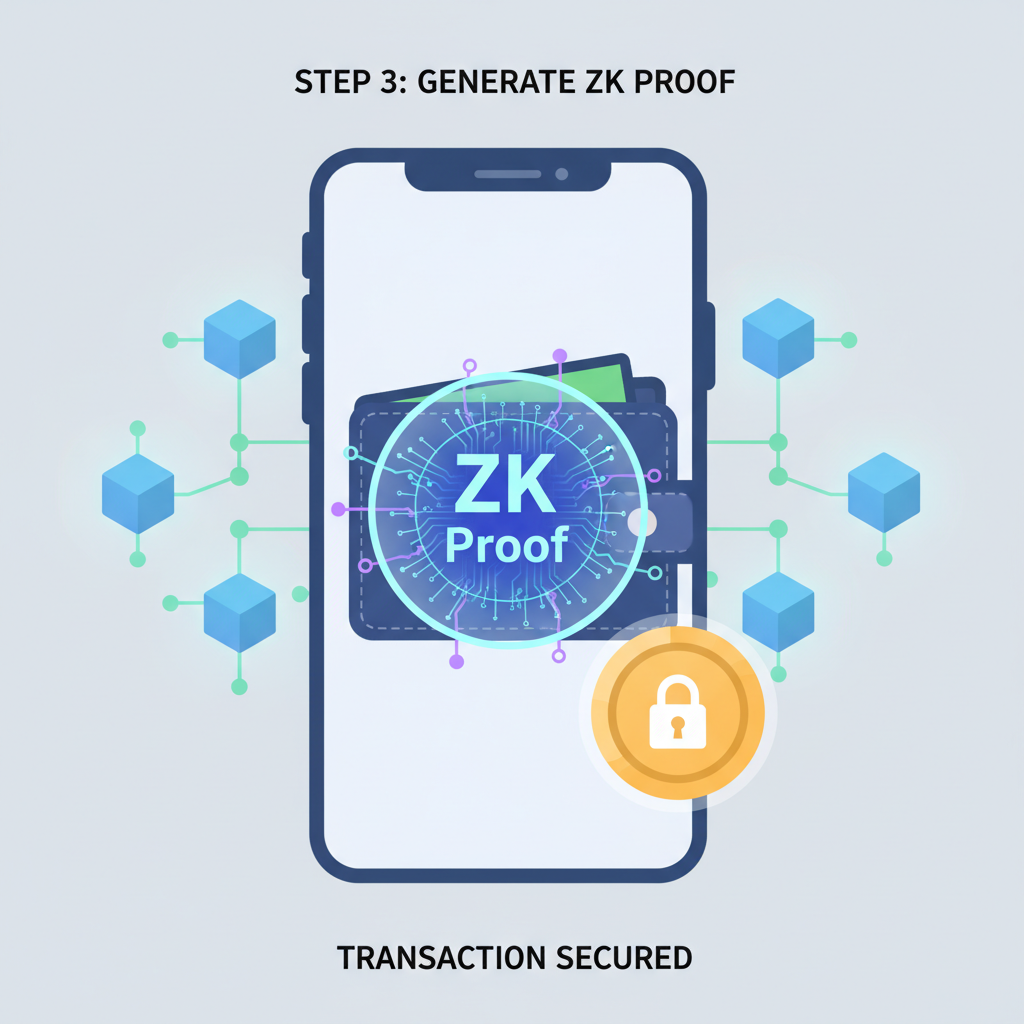
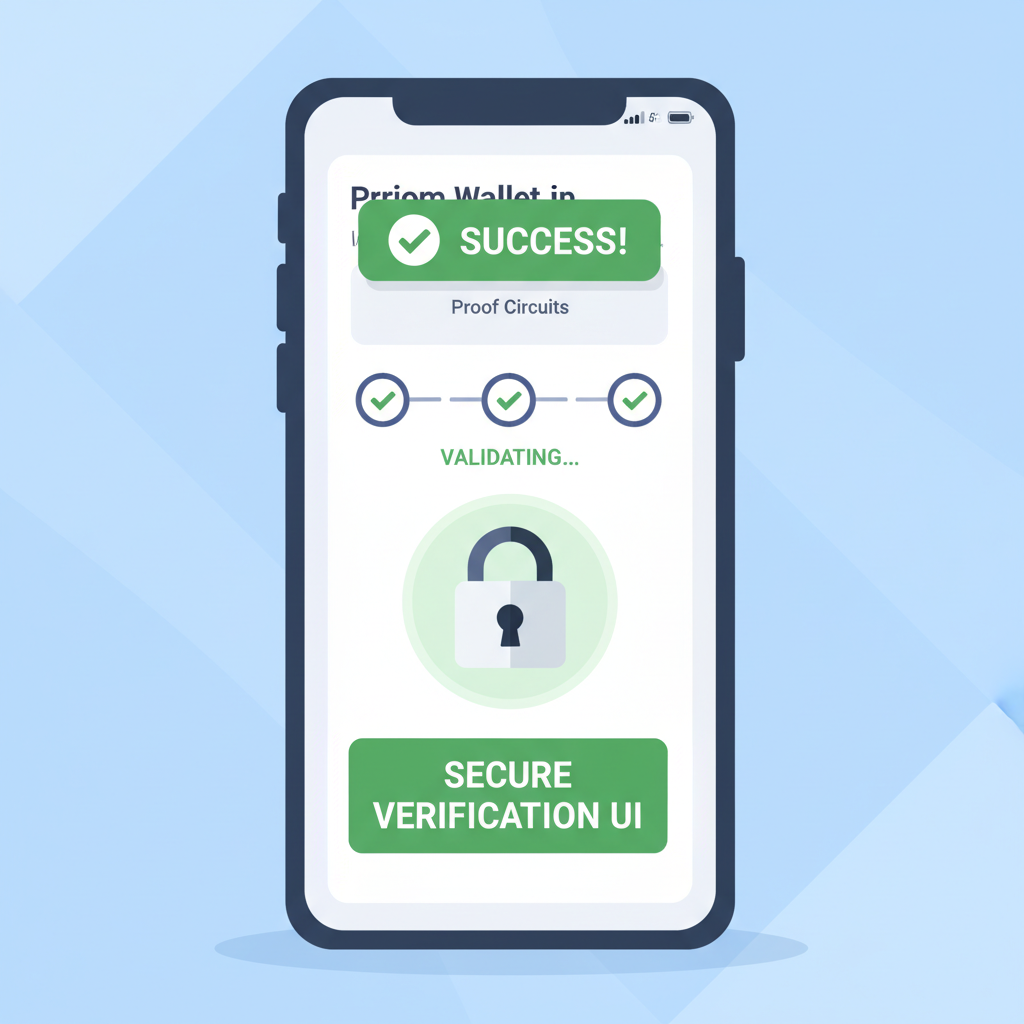
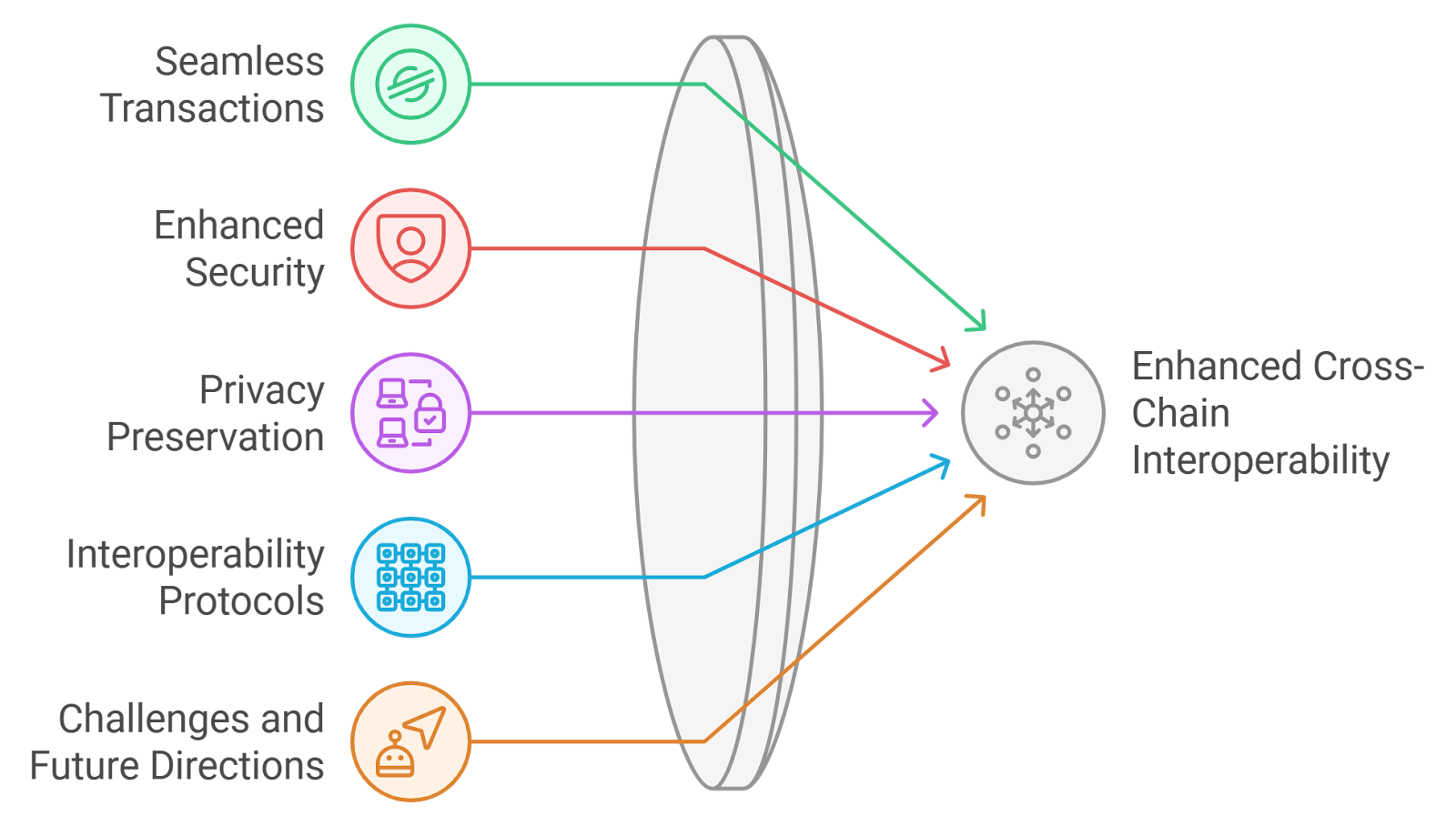
Real adoption surges in DeFi. Protocols query ‘prove solvency above $10K’ without balance scans, dodging oracle risks. DAOs vet members via age or accreditation proofs, streamlining governance. Banks experiment per Deutsche Bank’s notes, issuing signed credentials for seamless onboarding. Yet, interoperability looms large: standards like DIDComm or Reclaim Protocol bridge silos, a strategic must-watch.
Key ZK Attestation Advantages
-
Privacy: Verify attributes without revealing personal data, via selective disclosure in Mina Attestations and zkMe’s zkKYC.
-
Scalability: Supports high-volume use, with zkMe achieving over 3 million user attestations.
-
Regulatory Compliance: Enables privacy-preserving verification aligned with standards like European eIDAS.
-
Cost Efficiency: Reduces overhead through data minimization and efficient ZK proofs on blockchain.
-

User Control: Empowers selective sharing of credentials directly to wallets, as in Zipwire Attest.
Challenges persist. Quantum threats nibble at elliptic curves; lattice-based ZK schemes counter this, though nascent. User experience falters with complex wallets; intuitive UIs, like ZKCredWallet’s dashboard, bridge the gap. Regulators eye ZK warily, fearing anonymity abuse, but data minimization sways skeptics, as Internet Policy Review posits for eIDAS.
Strategic Edge in Volatile Web3 Markets
In my options trading days, implied volatility signaled setups. Web3’s volatility mirrors this: hacks, rugs, regulatory whiplash. Tamper-proof attestations ZK dampens identity volatility, enabling stable primitives. zkMe’s 3 million attestations signal product-market fit; Zipwire’s Ethereum integration proves cross-chain viability. Mina’s library lowers barriers, inviting indie devs to innovate.
Wallets evolve from mere keychains to attestation vaults. ZKCredWallet leads, blending storage, proof generation, and verification in one privacy fortress. As adoption crests, expect ZK-native chains to dominate, sidelining transparent ledgers for sensitive apps. My cautious bet: by 2027, 50% of DeFi TVL routes through ZK-gated access, reshaping capital flows with precision.
Zero-knowledge proofs are like tamper-proof stamps on opaque envelopes: they let the blockchain confirm without peeking. – r/CryptoTechnology
Users, seize control. Download ZKCredWallet, attest selectively, transact boldly. In blockchain’s unforgiving arena, privacy isn’t optional; it’s your edge. Forge ahead with ZK credentials, tamper-proof and unyielding.