ZK Credentials Wallets for Private Age Verification in Web3 DeFi Apps 2026

In the high-stakes world of Web3 DeFi apps, where billions flow through decentralized protocols, age verification stands as a quiet but critical gatekeeper. Regulators demand it for compliance, platforms need it to restrict high-risk activities, yet traditional methods expose users to data leaks and surveillance. Enter ZK credentials wallets, the strategic tools reshaping private age verification in Web3. By 2026, these wallets leverage zero-knowledge proofs to let you prove you’re over 18 or 21 without surrendering your birthdate or ID, all while keeping interactions trustless and onchain.


This shift isn’t hype; it’s necessity. DeFi’s growth hinges on balancing accessibility with scrutiny. Centralized KYC chokes innovation, but raw pseudonymity invites exploits. ZK tech bridges that gap, as seen in recent integrations like Google Wallet’s ZKP rollout, which confirms attributes without linkage risks. Yet in pure Web3, wallets like ZKCredWallet lead, storing verifiable credentials that prove eligibility selectively.
ZK Credentials Take Center Stage in DeFi Compliance
By early 2026, ZK credentials have embedded deeply into DeFi ecosystems. zkMe’s zkKYC, launched in 2025, delivers FATF-compliant age proofs via ZK, letting users access lending pools without doxxing. Altme Wallet, paired with Polygon ID, empowers direct proofs of ‘over 21’ status in-wallet, no middlemen. World ID’s NFC passport tap generates device-bound ZK proofs, returning simple yes/no for age gates on dApps.
These aren’t isolated; onchain KYC attestations now manage allowlists for token launches, tying proofs to wallet addresses. ZKPassport’s Registry Explorer adds transparency, letting users audit certificates without compromising privacy. Aleo’s zPass even processes docs offline, yielding anonymous proofs for DeFi verifiers. The pattern is clear: verifiable credentials in ZK DeFi prioritize user control, sidestepping Big Tech’s grasp.
Key 2026 ZK Age Verification Projects
-
zkMe zkKYC: Launched Jan 2025, decentralized KYC with ZK proofs for age verification without exposing personal data, FATF compliant.
-

Altme-Polygon ID: 2023 integration allows proving over 21 via ZK cryptography in Altme wallet, no birth date revealed.
-
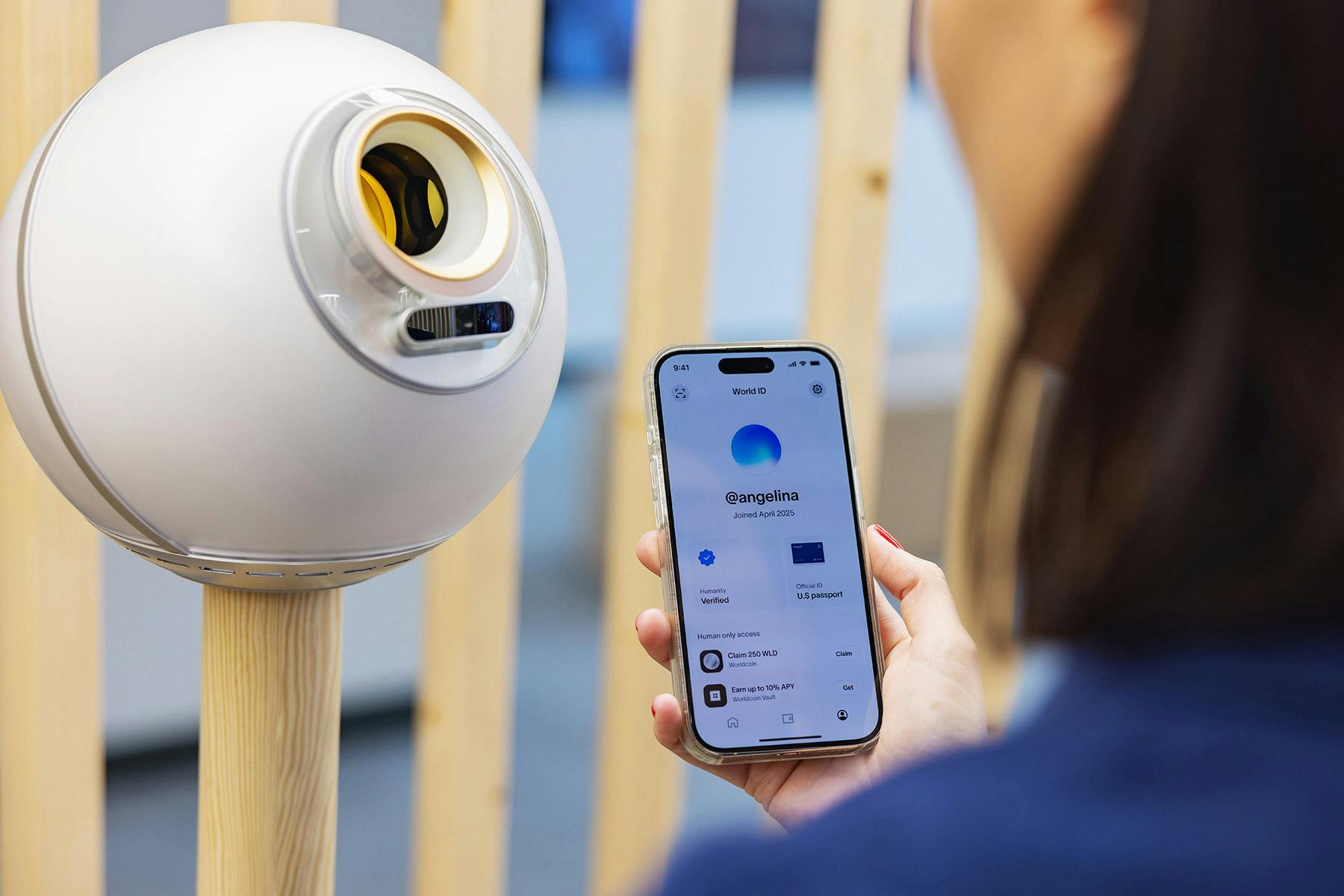
World ID Passport Proofs: June 2025 system uses NFC passport tap for ZK ‘yes/no’ age proofs, data stays on device.
-
ZKPassport Registry: July 2025 Registry Explorer provides transparency for onchain certificate validation while preserving privacy.
-
Aleo zPass: Oct 2023 protocol for offline ID upload to privacy servers, enabling anonymous ZK identity proofs.
Strategically, this matters for traders eyeing leveraged positions or yield farms with age restrictions. No more emailing passports or trusting custodians; just cryptographic certainty.
Decoding ZK Proofs for Age Verification
At core, zero-knowledge proofs let provers convince verifiers of a truth without extra info. For age, you hold a credential (say, from a trusted issuer) attesting your birth year. The wallet generates a proof: ‘I know a date before 2008, signed by issuer X. ‘ Verifiers check math, not metadata.
zk-creds from Purdue exemplifies flexibility, supporting nuanced assertions like ‘over 18 and US resident’ minus location leaks. Chainlink’s zero-knowledge identity scales this onchain, ideal for DeFi oracles feeding age-gated strategies. But caution: not all ZK is equal. Groth16 suits speed, but PLONK offers updatability against quantum threats. Brave notes limits – proofs assume honest issuers – so selective issuance is key.
In practice, a ZK wallet privacy 2026 setup involves: issuer vouches once, wallet stores encrypted, dApp requests proof on interaction. Dock Labs nails it: verify without reveal. Google’s play hints mainstreaming, but Web3 wallets like ours outpace with full sovereignty.
Strategic Edges for DeFi Users and Builders
For users, ZK credentials slash friction. Imagine entering a 21 and yield optimizer: wallet flashes proof, funds deploy instantly. No accounts, no scans. Privacy holds even under chain analysis; proofs unlink from histories.
Builders gain composability. Layer ZK age gates atop DEXs or perps, comply globally minus storage burdens. OnchainKYC’s model shows allowlists as smart contracts, revocable yet private. Yet proceed cautiously: issuer collusion risks centralization, and proof gen costs compute. Optimize with L2s like Polygon for gas efficiency.
Opinion: While giants like Google flirt with ZKP, true power lies in decentralized wallets. They future-proof against regs, turning compliance into a moat. As DeFi matures, ZK proofs age proof DeFi becomes table stakes, rewarding early adopters with seamless, secure access.
That said, adoption demands vigilance. Not every ZK implementation withstands scrutiny; flawed setups invite exploits or false positives. Brave’s analysis underscores this: ZKPs excel at privacy but falter if issuers collude or proofs leak metadata through side channels. In DeFi, where leverage amplifies errors, select wallets with audited circuits and modular creds.
Overcoming Hurdles with Proven Protocols
Strategic users prioritize setups like zk-creds, Purdue’s toolkit for flexible assertions, blending anonymity with verifiability. Pair it with L2 scaling to tame proof generation costs, hovering at mere cents per verification by 2026. World ID’s device-local encryption dodges cloud risks, while Aleo’s zPass keeps docs offchain entirely. Caution prevails: test proofs in sandboxes, diversify issuers, and monitor revocation lists via tools like ZKPassport’s explorer.
DeFi builders embed these cautiously. A lending protocol might gate high-APY pools to ‘over 21’ proofs, using Chainlink oracles for offchain issuance checks. No data silos form; verifiers see only math. Yet quantum shadows loom, nudging toward post-quantum schemes like lattice-based ZK. Early movers hedge by supporting multiple proof systems.
Real-World DeFi Wins with ZK Wallets
Picture a perp DEX restricting margin to adults: your ZK credentials wallet pings the contract, proof settles in blocks. OnchainKYC attestations shine here, powering token launch allowlists where wallets prove compliance sans exposure. Yield aggregators layer age gates atop strategies, unlocking restricted vaults seamlessly. Altme’s integration proves it: users tap, verify, farm, all pseudonymously.
These edges compound. Traders sidestep geo-blocks with selective residency proofs alongside age, optimizing for low-vol plays. Privacy-first? Chain analysis firms hit walls; proofs unlink sessions. Drawback: nascent UX demands savvy users, but 2026 wallets smooth this with one-click issuance.
confidential dapps are one of the most exciting things made possible by @zama fully homomorphic encryption technology.
on the surface, they look like normal decentralized apps. but underneath, they handle data that even the smart contract itself cannot see.
here are a few examples of what that means 👇
1. confidential lending protocols
imagine a defi platform that can check a user’s creditworthiness or calculate interest rates without ever revealing their balances or transaction history. fhe allows the system to process encrypted data directly, keeping everything private but still accurate.
2. private prediction markets
users can make encrypted predictions without anyone knowing their individual choices. only the final result is revealed on-chain, protecting strategies and personal data while keeping the process fair.
3. privacy-focused identity verification
a protocol can confirm that a user meets certain conditions, such as being of legal age or holding a verified credential, without seeing the actual information. it’s a way to verify identity without exposing sensitive data.
4. encrypted gaming logic
imagine multiplayer games where moves, stats, or cards remain private until they are meant to be revealed, yet fairness is guaranteed. fhe keeps the gameplay private while ensuring everything is verifiable.
why this matters:
confidential dapps address one of web3’s biggest challenges, balancing transparency and privacy.
zama’s fhe technology does not hide how the system works or the results it produces. it only keeps the data private. this makes it possible to build systems that are open, trustworthy, and confidential at the same time.
this kind of innovation could bring real-world applications into web3, from finance and healthcare to identity and gaming.
Builders craft moats too. Embed verifiable credentials ZK DeFi for global compliance, dodging fines while courting institutions. Smart contracts enforce proofs at entry, revocable on issuer flags. Gas tweaks via optimistic verification cut costs 90%, per recent arXiv frameworks.
Yet skepticism tempers optimism. ISEC7 flags authentication pitfalls if verifiers skimp on checks. Solution: hybrid models, blending ZK with social recovery for lost wallets. Codezeros frames it right: credentials as proofs, not data dumps.
For the prudent, ZK wallet privacy 2026 means sovereignty. Store creds from multiple issuers, revoke selectively, query composably. No single failure cascades. In volatile DeFi, this stability pays dividends, much like strangles in options: defined risk, asymmetric upside.
Forward thinkers integrate now. Platforms like those using Dock Labs’ basics evolve to full stacks, powering private age verification Web3 at scale. Google’s flirtation validates the path, but decentralized holds the fort. Wallets such as ZKCredWallet pioneer this, offering audited storage for attestations across chains. Tailored for devs and users, it verifies attributes trustlessly, fueling DeFi’s next leg without privacy tradeoffs.
Strategic plays favor depth over speed. Audit your stack, layer proofs judiciously, and watch as ZK reshapes access. In Web3’s arena, privacy isn’t optional; it’s the ultimate leverage.