ZK Credentials Wallet for Privacy-Preserving Verification Beyond Twitter Blue Badges

In the wake of the European Union’s €120 million fine on X (formerly Twitter) for its deceptive verification practices, the limitations of badge-based systems like Twitter Blue have never been clearer. These checkmarks, once symbols of authenticity, now breed confusion and enable impersonation, eroding trust in online interactions. Enter ZK credentials wallets, a cryptographic leap forward that promises privacy-preserving verification without the pitfalls of public badges. Tools like ZKCredWallet. com are redefining how we prove attributes in Web3, allowing selective disclosure through zero-knowledge proofs while keeping personal data shielded.

Traditional verification often demands oversharing: upload your ID, expose your details, and pray the platform handles it responsibly. Twitter Blue exacerbated this by turning verification into a pay-to-play gimmick, where blue ticks signified subscription more than sincerity. Critics argue it misled users into believing badge-holders were legitimate, fostering a marketplace for fakes. ZK technology flips the script. Projects like zk-creds from Purdue University demonstrate how users can receive credentials and prove they meet criteria anonymously, using zkSNARKs for efficiency and flexibility.
Why Zero-Knowledge Proofs Outshine Legacy Identity Systems
Zero-knowledge proofs (ZKPs) let you convince a verifier of a truth without revealing underlying data. Imagine proving you’re over 18 or a verified professional without flashing your passport or diploma. Sources like Mina Protocol highlight ZK’s role in decentralized identity (DID) providers, attesting data access without exposure. CoinsBench notes ZK powering private transactions and onchain identity, essential for Web3’s privacy renaissance.
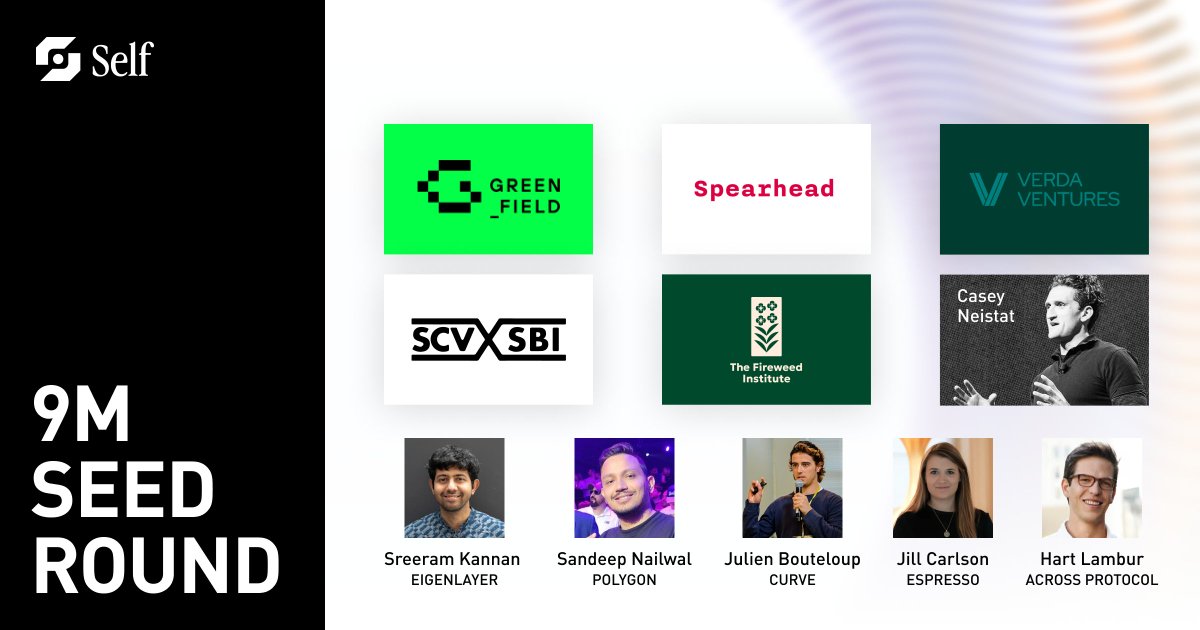
This isn’t hype; it’s battle-tested. Self Protocol recently raised $9M to build fully private, verifiable identity, echoing the momentum. Polygon ID and zkPassport enable NFC scans of IDs for anonymous Web3 verification, while Verza on Cardano offers ‘verify once, reuse everywhere’ via Midnight’s privacy tech. These innovations address Twitter Blue’s core failures: lack of privacy and verifiability.

– @greenfield_cap
– Startup Capital Ventures x SBI Fund (SoftBank)
– @Spearhead VC (Naval)
– @VerdaVentures
– Fireweed Ventures
– https://t.co/I5mth5ay9n
🌐 A web where humans are verifiable
🔒 Privacy is the default
🧱 Proof replaces trust
We’re just getting started.
Learn more in the latest @coindesk article 👇
https://t.co/e38qNzNnMs
The Mechanics of a ZK Credentials Wallet
At its heart, a ZK credentials wallet like ZKCredWallet. com stores attestations as verifiable credentials (VCs). Issuers create signed proofs of attributes – say, your degree or employment status. You then generate a ZKP to demonstrate compliance with a verifier’s rules, such as ‘holds a valid passport’ or ‘KYC-compliant, ‘ sans specifics.
Codezeros describes zero-knowledge credentials as digital proofs verifying self-attributes covertly. Purdue’s zk-creds toolkit extends this to flexible anonymous credentials, supporting diverse authentication protocols. In practice, integration is seamless across blockchains, from Ethereum to Solana, enabling trustless DeFi access or DAO voting without doxxing.
Consider the user journey: Download ZKCredWallet, receive a credential from a trusted issuer, and present ZKPs on-demand. No central database means no honeypot for hackers. This twitter blue alternative zk approach aligns with self-sovereign identity (SSI), where you control your data. The guide on zk-identity wallets underscores setup simplicity, making it accessible for privacy enthusiasts and developers alike.
Real-World Applications Elevating Web3 Privacy
Beyond social badges, zero knowledge proofs identity solutions tackle DeFi’s KYC hurdles. Platforms can require ‘human-verified’ without storing PII, reducing compliance risks. Verza’s decentralized KYC lets users verify once via DIDs, reusing proofs everywhere with ZK guarantees.
In gaming or NFTs, prove rarity ownership without metadata leaks. DAOs verify member qualifications privately, curbing sybil attacks. ZKCredWallet stands out by supporting multi-chain attestations, developer SDKs, and intuitive UIs tailored for Web3 natives. As adoption grows, expect verifiable credentials verification to become the norm, sidelining outdated models.
ETHDenver’s spotlight on VCs in blockchain reveals cross-chain support, amplifying interoperability. This ecosystem shift positions web3 privacy wallets as indispensable, blending security with usability for sustainable digital trust.
Transitioning from centralized badges to decentralized proofs isn’t seamless, but the trade-offs favor ZK. Platforms clinging to legacy models risk regulatory scrutiny, as seen with X’s fine, while innovators like ZKCredWallet pioneer compliant alternatives. Developers appreciate the toolkit’s flexibility: issue credentials off-chain, verify on-chain privately.
Comparison of Twitter Blue vs ZK Credentials Wallet
| Feature | Twitter Blue | ZK Credentials Wallet |
|---|---|---|
| Privacy | Public badge 🏷️ | Selective disclosure 🔒 |
| Cost | Subscription 💸 | Free core ✅ |
| Security | Centralized server 👥 | Decentralized ZKPs 🔐 |
| Reusability | Platform-locked 📱 | Multi-chain 🌐 |
This table underscores why twitter blue alternative zk isn’t just buzz; it’s necessity. ZKCredWallet’s multi-chain support means one wallet rules DeFi, socials, and governance, amplifying utility over siloed apps.
Key Advantages in Action
Top 5 Benefits of ZK Credentials Wallets
-
Ultimate privacy via zero-knowledge proofs: Prove attributes like age or identity without revealing underlying data, as in Polygon ID and Mina Protocol implementations.
-
Reusable across Web3: Verify once and reuse credentials ecosystem-wide, like Verza‘s ‘verify once, reuse everywhere’ on Cardano DIDs.
-
Sybil-resistant without doxxing: Issue anonymous credentials via zk-creds to prevent fake accounts while preserving user anonymity.
-
GDPR compliant: Aligns with global privacy regs by minimizing data exposure, addressing issues like EU’s €120M fine on X (Twitter).
-
Developer-friendly SDKs: Tools like zk-creds toolkit and Self Protocol enable custom attestations for Web3 apps.
These edges position web3 privacy wallet users ahead of the curve. Take DeFi lending: prove solvency or credit score without balance sheets. Or social DAOs: confirm expertise anonymously. Purdue’s zk-creds toolkit, echoed in ZKCredWallet, handles complex predicates like ‘top 10% income’ or ‘active for 365 days’ privately.
Polygon ID’s no-reveal ID checks pair perfectly with NFC-enabled mobiles, while Verza’s Cardano integration shows cross-ecosystem viability. Self Protocol’s funding signals investor confidence in scalable ZK identity layers.
Addressing Skeptics: Scalability and Usability
Detractors cite ZK’s gas costs or proof generation times, yet recursive proofs and layer-2s like Mina slash these dramatically. ZKCredWallet optimizes with pre-computed circuits for common verifications, ensuring sub-second responses. User interfaces mimic familiar wallets, onboarding non-crypto folks effortlessly.
Regulatory alignment shines too: EU’s DMA favors portable credentials, sidestepping Big Tech gatekeeping. As verifiable credentials verification matures, expect mandates for privacy-by-design in fintech and social platforms.
Forward-thinking allocators see ZK infrastructure as the next crypto primitive, much like wallets were to DeFi. Early adoption via ZKCredWallet equips portfolios for a credential economy where privacy fuels growth. Projects blending ZK with AI agents or modular chains will dominate, rendering badge illusions obsolete.
Web3’s ethos – don’t trust, verify privately – finds perfection here. ZK credentials wallets aren’t a patch; they’re the foundation for trustless societies online.