Reusable KYC Wallets with ZK Proofs: Secure Web3 Identity Verification Without Data Exposure

In the bustling Web3 ecosystem, where decentralization promises freedom but compliance demands scrutiny, reusable KYC wallets with ZK proofs emerge as a beacon of balance. Imagine verifying your identity once, then seamlessly proving attributes like age or residency across DeFi platforms, NFT marketplaces, and dApps without ever exposing your passport details or address. This isn’t futuristic fantasy; it’s the reality reshaping privacy-preserving KYC DeFi today, powered by zero-knowledge proofs that let verifiers confirm truths without seeing the underlying data.


These verifiable credentials Web3 solutions address a core friction: platforms need to mitigate risks like money laundering, yet users crave control over their data. Traditional KYC chains you to repetitive submissions and data silos ripe for breaches. Reusable KYC flips the script, fostering trustless interactions while users retain sovereignty in their decentralized identity wallet.
Why Reusable KYC is Web3’s Privacy Game-Changer
The momentum is undeniable. Recent developments spotlight how ZK proofs enable one-time verifications that travel with you. Take zKYC, a privacy-first system where users complete a single check, bolstered by AI fraud detection and AML screening. Credentials become portable proofs, reusable across ecosystems without re-exposure. zkMe’s zkKYC pushes further, blending ZKP with FATF compliance for streamlined onboarding that feels effortless yet ironclad.
Concordium ID takes it mobile, letting you prove you’re over 18 via encrypted identifiers, no personal spill. Altme Wallet, paired with PolygonID, hands control back to users for managing ZK credentials in Web3 services. KYC-ID rounds it out with decentralized compliance, prioritizing privacy by design. These aren’t isolated experiments; they’re harbingers of a unified identity layer.
Key Features of Top Reusable KYC Solutions with ZK Proofs
| Solution | Key Features | Compliance | Website |
|---|---|---|---|
| zKYC | One-time verification process using ZK proofs; AI-driven fraud detection and AML screening | AML | zkyc.tech |
| zkMe zkKYC | Decentralized KYC with ZK proofs; reusable credentials across platforms | FATF | blog.zk.me |
| Concordium ID | Mobile app for age proofs using ZK proofs; encrypted identifiers without data exposure | Privacy-preserving age verification | criptolog.com |
| Altme Wallet | ZK credentials management; digital identity wallet with PolygonID integration | Web3 compliance | altme.io |
| KYC-ID | Private, verifiable, reusable KYC processes; secure storage | AML | kycid.xyz |
Demystifying ZK Proofs in Identity Verification
At the heart lies zero-knowledge proofs: cryptographic wizardry proving a statement’s truth sans revealing the proof itself. For ZK proofs identity verification, you generate a credential from trusted issuers, store it in your reusable KYC wallet, then craft a proof attesting “I’m over 21” or “I’m not on sanctions lists. ” Verifiers check the math; your data stays vaulted.
This marries decentralized identifiers (DIDs) with verifiable credentials, protocols standardized by W3C. No central honeypot, just math-enforced privacy. Platforms comply without user friction, users avoid the “upload your life story every time” grind. Optimistically, as adoption swells, we’ll see seamless interoperability, where a DeFi borrow proves KYC via ZK without halting your yield farm.
Fundamentals here echo broader tokenomics: strong primitives underpin scalability. Projects building on this stack sidestep regulatory pitfalls while amplifying user agency, much like how ZKCredWallet. com pioneers secure attestation management for privacy enthusiasts.
Real-World Wins Driving Adoption
Consider DeFi’s compliance crunch. Protocols now integrate these wallets to gate high-value actions, proving user eligibility sans data dumps. Verza on Cardano leverages Midnight tech for credential reuse via DIDs; Privado ID eyes 2025 with cross-platform verifiables. Even soulbound NFTs via CryptoAid encode proofs, blending identity with onchain assets securely.
Users gain efficiency: verify once, access everywhere. Platforms slash costs on redundant checks, boosting UX. I see this as foundational; just as sound tokenomics fuel rallies, robust identity layers will propel Web3 mainstream. Early movers like Dock Labs and Trinsic with passkey integrations pave the way, signaling a privacy-optimized future.
Yet scaling this vision demands overcoming hurdles like proof generation speed and cross-chain compatibility. Current ZK systems, while revolutionary, can lag on high-throughput networks, taxing mobile devices during proof computation. Interoperability remains patchy; not every chain speaks the same DID language fluently. User education lags too, with many still defaulting to centralized logins out of habit.
Bridging Gaps with Advanced Wallets
Enter wallets like ZKCredWallet. com, architected for the long haul. Tailored for developers and privacy hawks, it streamlines storage and verification of attestations via zero-knowledge proofs, sidestepping data leaks entirely. Fundamentals-first design means it integrates seamlessly with DeFi protocols, letting you prove compliance attributes without pausing your trades. I’ve analyzed dozens of blockchain projects over nine years; those embedding verifiable credentials early capture outsized value as regulations tighten.
Picture this: you stake in a yield farm requiring AML checks. Your reusable KYC wallet fires off a ZK proof, verifier nods, and you’re in, data untouched. No forms, no waits. This efficiency cascades; dApps cut verification overhead by 80%, per industry benchmarks, fueling faster iterations and broader adoption.
Top ZK Proof Benefits for KYC Wallets
-
Enhanced Privacy: Users prove identity attributes via ZK proofs without exposing personal data, reducing breach risks as seen in zkMe’s zkKYC and Altme Wallet.
-

One-Time Verification Reuse: Complete KYC once and reuse credentials across platforms, like zKYC.tech’s privacy-first system and Verza on Cardano.
-
Regulatory Compliance: Meet AML/KYC rules without data sharing, with zkMe ensuring FATF compliance through ZK proofs.
-
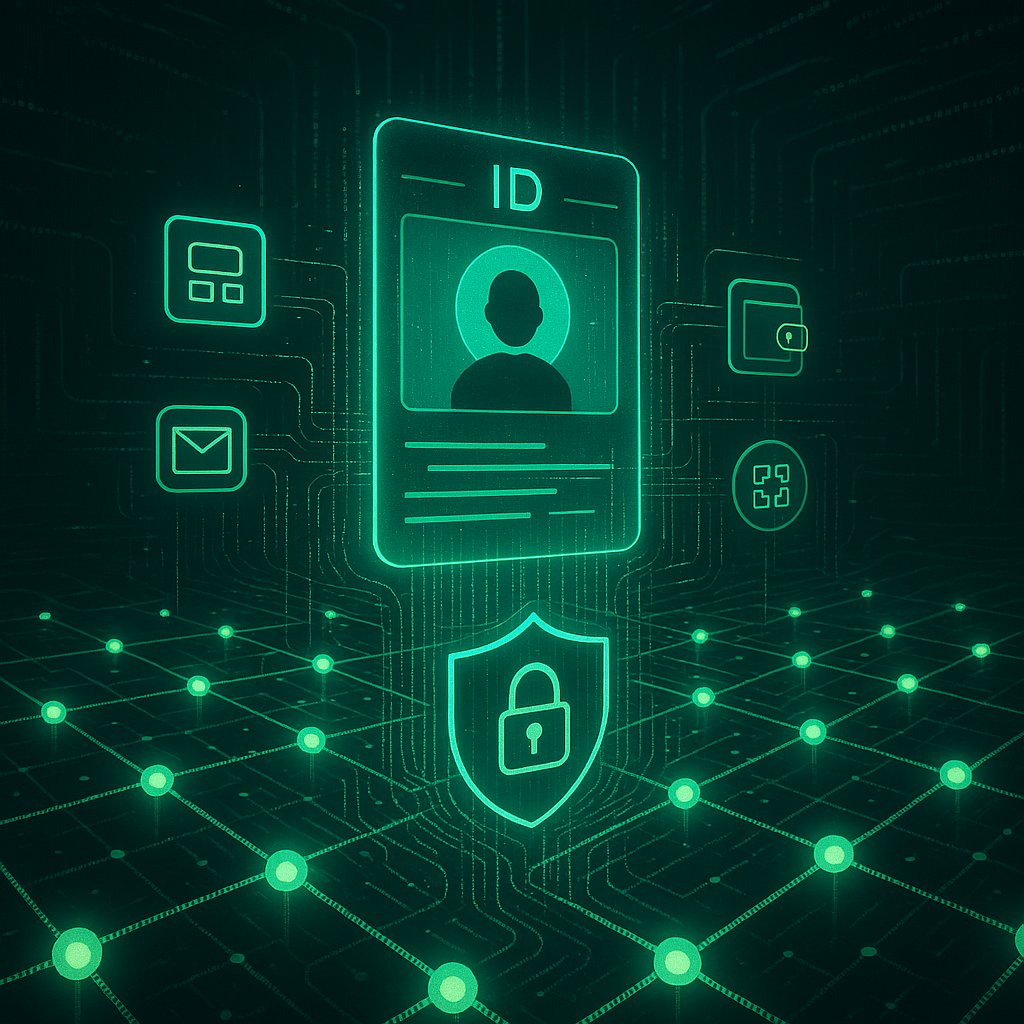
User Sovereignty: Full control over digital identities using DIDs and VCs, as in Concordium ID and KYC-ID platforms.
-

Cost Savings: Platforms cut repeated verification expenses, streamlining onboarding with reusable ZK credentials.
Skeptics question proof trustworthiness. Fair point, but audited circuits from teams like zkMe and Altme mitigate this, with on-chain settlement ensuring tamper-proofness. AI layers in zKYC add dynamic fraud sniffing, evolving defenses proactively. Optimism abounds: as hardware accelerates ZK ops, we’ll hit sub-second proofs, making ZK proofs identity verification indistinguishable from frictionless Web2 UX.
Comparative Edge: Traditional vs. ZK KYC
To grasp the shift, stack it against legacy methods. Traditional KYC hoards data in vulnerable silos, inviting hacks like the Equifax debacle. Reusable ZK variants decentralize control, minimizing blast radius.
Traditional KYC vs ZK Reusable KYC
| Aspect | Traditional KYC | ZK Reusable KYC |
|---|---|---|
| Privacy | Centralized exposure 🔓 | Zero data reveal 🔒 |
| Efficiency | Repeated submissions | Verify once, reuse everywhere |
| Compliance | Manual audits | Automated ZK proofs |
| Cost | High storage/processing | Low overhead proofs |
| User Control | Platform-owned | Self-sovereign |
DeFi stands to gain most. Protocols grappling with blacklisting risks now gatekeep smartly, proving ‘not sanctioned’ sans oracles. NFT platforms verify collector age for restricted drops; gaming dApps confirm residency for geo-locked events. All via verifiable credentials Web3, portable across ecosystems.
Regulatory tailwinds accelerate this. FATF’s Travel Rule nods to privacy tech, while EU’s MiCA framework incentivizes compliant innovation. Projects like Concordium bake ZK natively into their chains, proving sovereign identity scales at protocol level. Verida and Mina Protocol layer ZK atop existing infra, easing retrofits.
From a tokenomics lens, identity primitives are undervalued betas. Wallets enabling this, like those fusing passkeys with DIDs from Trinsic, position for explosive growth. CryptoAid’s soulbound NFTs tie proofs to assets immutably, hinting at composable identities. Privado ID’s 2025 forecast? Ubiquitous reusable KYC, slashing onboarding from days to minutes.
Web3’s wild rallies ride hype, but enduring protocols rest on ironclad fundamentals. Privacy-preserving KYC DeFi via ZK wallets fortifies that base, empowering users to navigate compliance mazes with confidence. As interoperability matures, expect a tapestry of seamless verifications, where your decentralized identity wallet becomes your universal key. The primitives are here; adoption will unlock the next leg up.