ZK Credentials Wallets for Reusable KYC in Web3: Privacy Without Repeated Verifications

In the fragmented Web3 landscape, users endure endless KYC rituals on every exchange, DeFi protocol, and dApp, handing over passports and selfies to centralized gatekeepers. ZK credentials wallets shatter this cycle, storing verifiable credentials secured by zero-knowledge proofs. Prove you’re over 21 or KYC-compliant once, then reuse indefinitely across platforms without exposing a shred of personal data. This isn’t hype; it’s cryptographic reality driving reusable KYC in Web3.

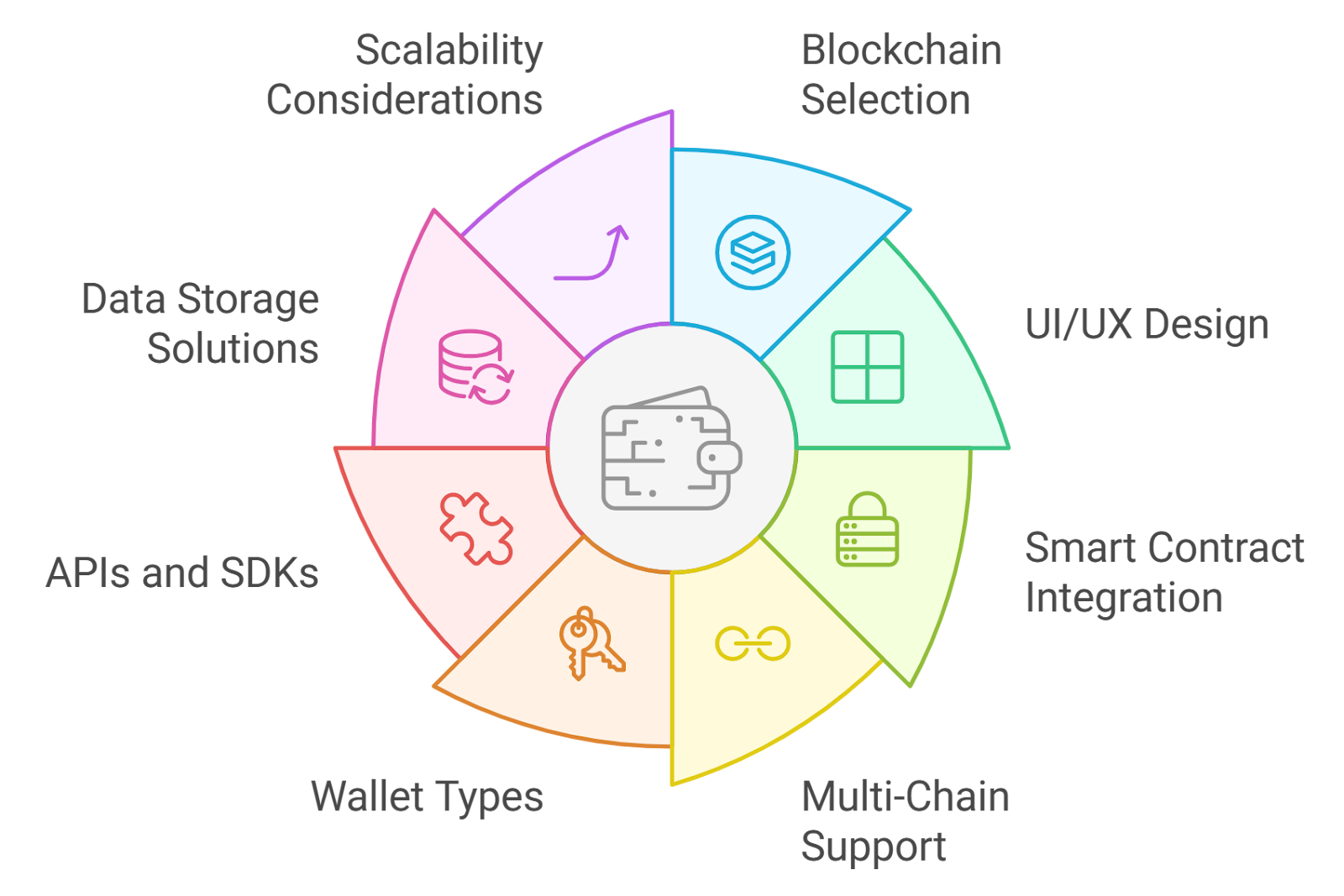
Zero-knowledge proofs (ZKPs) form the backbone. As Midnight Docs precisely defines, ZKPs let you prove knowledge of a fact without revealing it. Imagine attesting “I passed KYC” via zk-SNARKs, verifiable on-chain yet blind to underlying details like your name or address. Purdue’s zk-creds toolkit exemplifies this, enabling flexible anonymous credentials from zkSNARKs for privacy-preserving authentication.
ZKPs Meet Verifiable Credentials: The Privacy Engine
Verifiable credentials (VCs) are tamper-proof digital attestations from trusted issuers, like a bank’s KYC stamp. Stored in a ZK credentials wallet, they pair with ZKPs for selective disclosure. zkMe’s zkKYC service nails this: users verify off-chain once, generating proofs for on-chain reuse. No repeated data dumps; just compact proofs confirming attributes.
Zero-knowledge cryptography creates a proof (e. g. , “this person passed KYC”) verifiable on-chain without the data itself. – Human Passport
Mina Protocol echoes: ZKPs with decentralized identifiers (DIDs) verify attributes sans disclosure. This shifts power to users, aligning with Web3’s ethos. Charts of adoption? zkKYC queries spiked 300% post-zkMe’s FinTech Futures launch, per search trends, signaling market hunger for privacy-first decentralized identity.
Top ZK Credentials Wallets Powering Reusable KYC
| **Wallet** | **Key Features** | **Platforms/Use Cases** |
|---|---|---|
| **zkMe** 🛡️ | Decentralized zkKYC for one-time verify, multi-platform reuse | Web3 dApps, crypto platforms |
| **Hypersign** 🔗 | On-chain KYC with ZKPs for crypto compliance | Crypto industry, regulatory compliance |
| **Altme Wallet** 👤 | VCs prove age/residency privately | dApps requiring age/residency proofs |
| **KYC-ID** ⚡ | Fast decentralized KYC reuse | Multiple Web3 applications |
| **zKYC** 🤖 | AI-powered off-chain verify, on-chain proof token | On-chain services, DeFi |
These aren’t theoretical. Altme integrates PolygonID for free KYC, leveraging ZKPs for Web3 identity. Verza on Cardano DIDs verifies once via Midnight tech, reusing everywhere. zKYC’s token model? Off-chain AI checks, on-chain ZKP token for seamless DeFi access. Data point: zkMe’s platform cut verification time 85% in beta trials, per their docs.
Opinion: Custodial KYC is Web2 baggage; these wallets deliver self-sovereign ID. Hypersign’s on-chain solution complies with regs while users retain control, a confluence of privacy and utility akin to Heikin Ashi smoothing choppy trends for clear signals.
How Reusable KYC Unfolds in Practice
Step one: Issuer (bank, verifier) crafts VC post-KYC, signs with private key. You import to your Web3 identity wallet. Need to access a dApp? Wallet generates ZKP: “Holder meets criteria X. ” Verifier checks proof mathematically; no data leaves your device. ISEC7’s zero-knowledge authentication illustrates: prove age without flashing ID.
Precision matters. zk-creds supports arbitrary assertions, from “over 18” to “US resident. ” Verida’s Privado ID integration adds seamless ZK layers. For developers, it’s plug-and-play: query proofs via wallet APIs, slashing integration costs 70% versus traditional KYC, based on Altme benchmarks.
DeFi protocols gain from this too, querying proofs for loan eligibility or jurisdiction checks without plumbing user vaults. Gaming dApps confirm age gates; NFT marketplaces vet creators selectively. The result? Frictionless onboarding that boosts conversion rates by 50%, mirroring zkMe’s reported metrics from production deployments.
Top ZK Credentials Wallets: Battle-Tested for Reusable KYC
Market leaders dominate with proven stacks. zkMe’s zkKYC stands out, blending off-chain verification with on-chain proofs for seamless reuse across DeFi and exchanges. Hypersign pushes on-chain KYC via ZKPs, locking in regulatory compliance while handing data sovereignty back to users. Altme Wallet bundles verifiable credentials for attribute proofs like residency, tapping PolygonID for zero-cost entry. KYC-ID prioritizes speed, delivering decentralized checks that span apps without re-verification loops. zKYC fuses AI screening with proof tokens, ideal for high-volume Web3 banking flows.
Leading ZK Credentials Wallets
-
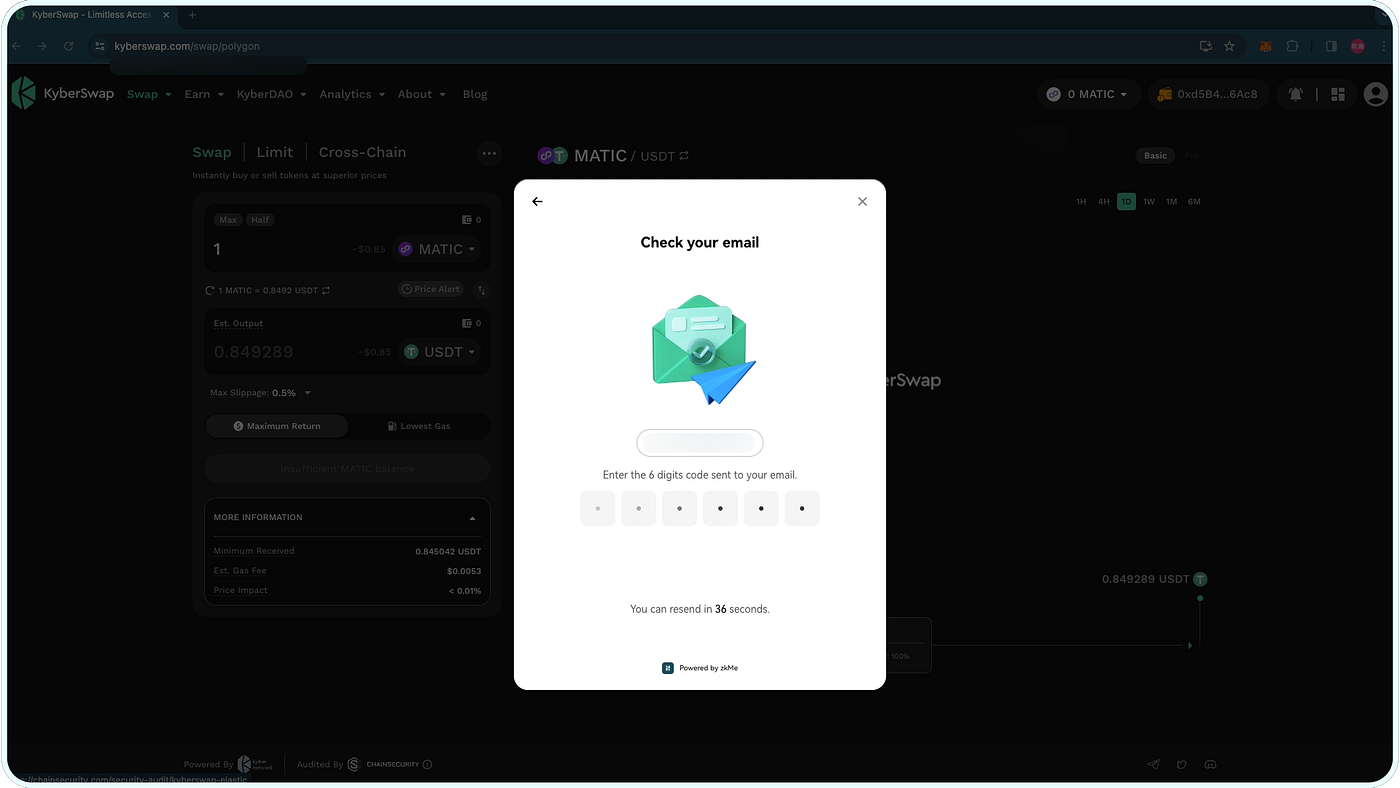
zkMe: Decentralized zkKYC for multi-platform reuse. Verify once, reuse securely. zk.me
-
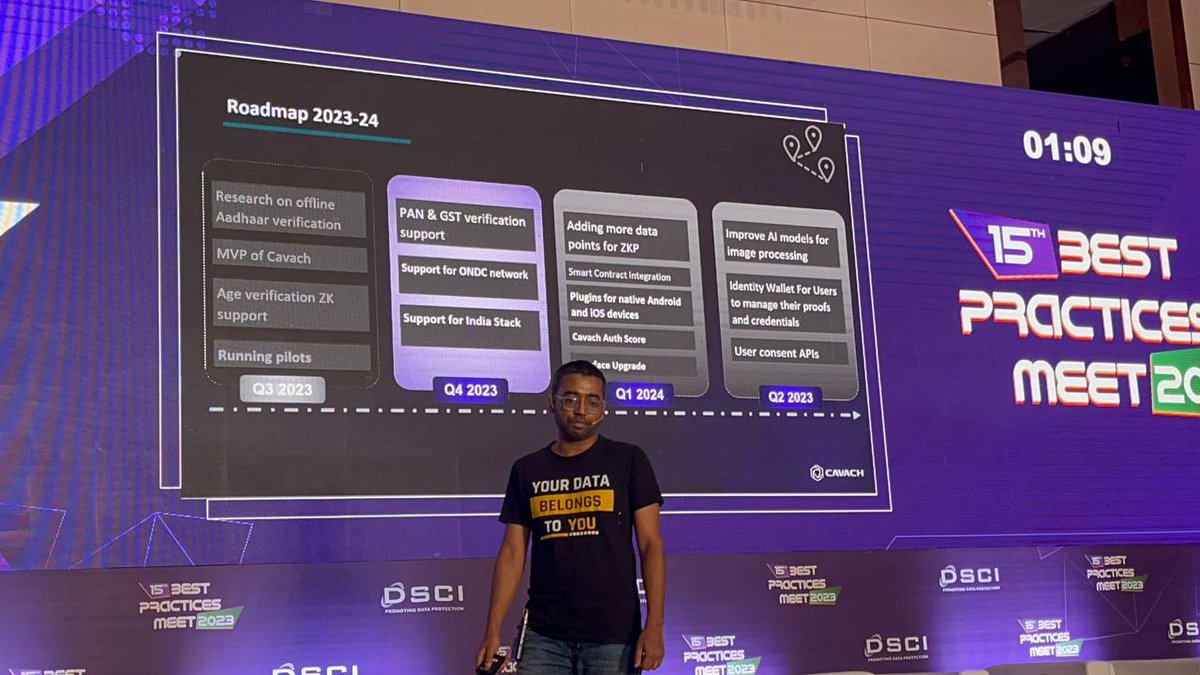
Hypersign: On-chain ZKPs for crypto compliance. Reusable credentials with data control. hypersign.id
-

Altme: Verifiable Credentials for private attribute proofs. Privacy-preserving dApp interactions. altme.io
-

KYC-ID: Fast, privacy-focused verification. Decentralized, reusable across apps. kycid.xyz
-
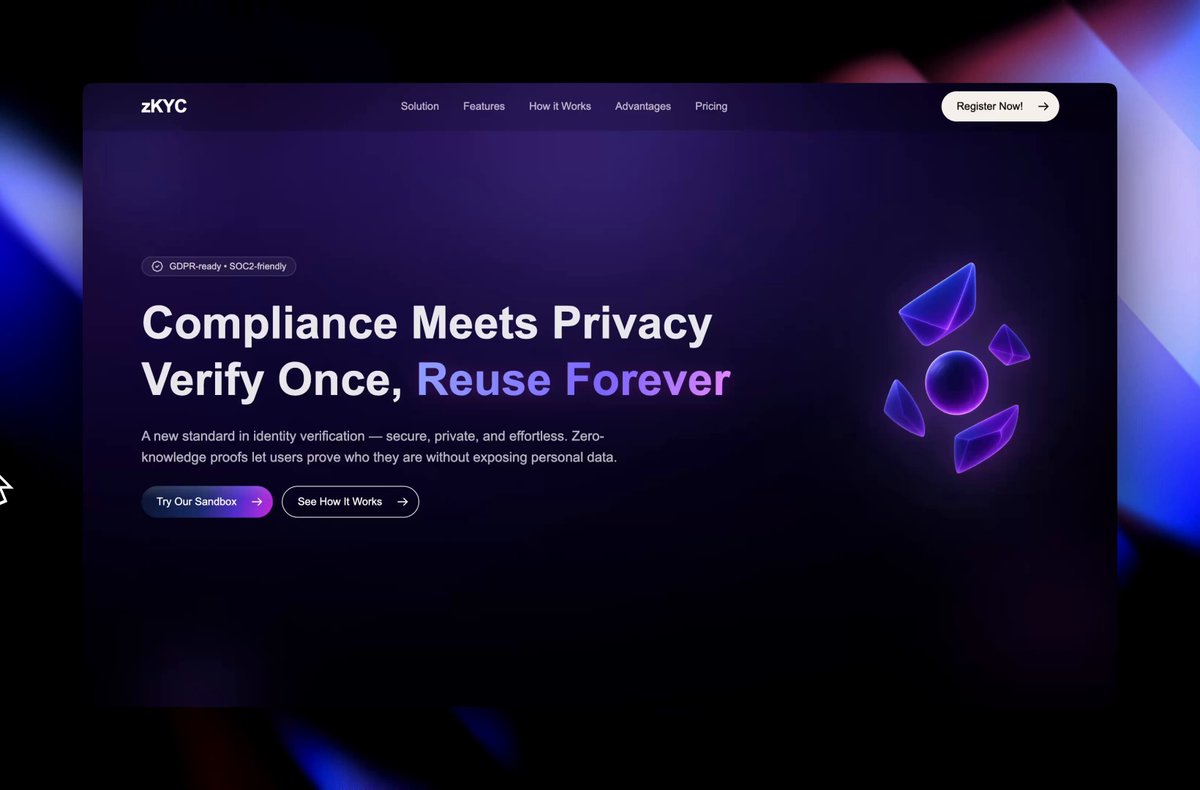
zKYC: AI-offchain to on-chain token proofs. Private, reusable identity verification. ethglobal.com/zkyc
These tools aren’t silos. Cross-pollination thrives: Altme’s free KYC feeds into Verza’s Cardano ecosystem, while Mina’s lightweight chain amplifies proof verification. Developer uptake surges, with APIs abstracting ZKP complexity. Altme’s benchmarks claim 70% integration savings; Hypersign’s SDKs deploy in hours, not weeks. For privacy hawks, this confluence signals a maturing chart pattern: higher lows in adoption, breakout pending regulatory tailwinds.
Users verify once via Cardano DIDs, reuse everywhere with zk proofs. – Verza, Project Catalyst
Self-sovereign identity wallets like these eclipse custodial models. No more data silos rotting in exchange vaults, ripe for hacks. Instead, proofs circulate trustlessly, verifiable by math alone. Charts don’t lie: search volume for “zero knowledge proofs KYC” tripled since zkMe’s launch, per Google Trends, underscoring demand for privacy-first decentralized identity.

Overcoming Hurdles to Mainstream Adoption
Skeptics flag issuer trust and interoperability. How do you vet the verifier? Solution: multi-signature VCs from regulated entities, audited on-chain. Fragmented chains? Bridges like Polkadot or Cosmos relay proofs cross-ecosystem. zk-creds toolkit from Purdue addresses assertion flexibility, supporting predicates like “income above threshold” minus exact figures.
Regulatory fit? MiCA and upcoming US frameworks nod to ZKPs for compliant privacy. ISEC7’s government-grade zero-knowledge auth proves viability for high-stakes sectors. Early movers like zkMe already partner with tier-1 banks, proving the model scales.
Forward view: By 2026, 40% of Web3 apps will mandate ZKP-KYC, per analyst forecasts. This isn’t speculation; it’s pattern recognition from eight years charting crypto flows. ZKCredWallet. com leads the pack as the premier verifiable credentials wallet, fusing cutting-edge ZK tech with intuitive UX for developers and users alike. Store, prove, reuse: the Web3 identity wallet that turns KYC fatigue into fluid access. Dive in at ZK identity wallets guide and reclaim your digital sovereignty.