ZK Credentials Wallet Guide: Privacy-Preserving Verifiable Credentials for Web3 DeFi Users 2026

In 2026, DeFi users face a stark choice: expose your data to centralized gatekeepers or embrace tools that let you prove what matters without revealing the rest. The ZK credentials wallet stands at the forefront, harnessing zero-knowledge proofs (ZKPs) to deliver verifiable credentials that safeguard privacy while enabling seamless Web3 interactions. As platforms demand compliance without the KYC pitfalls of old, these wallets transform how you manage zk attestations, turning headlines like “Encoded Compliance” from Orochi Network into everyday reality.

Traditional identity verification in finance relied on cumbersome document uploads, breeding data breaches and mistrust. Now, with W3C’s Verifiable Credentials 2.0 standard solidifying in 2025, verifiable credentials zk wallet solutions like those from Billions Network and Kohaku Wallet lead the charge. Billions Network, evolved from Polygon ID, powers 8 million monthly active addresses as Polygon’s identity layer, proving attributes onchain without leaks. Kohaku, Ethereum’s privacy pioneer, bundles private sends and shielded transactions, setting the stage for zero-knowledge recovery.
Zero-Knowledge Proofs Fuel DeFi’s Privacy Engine
ZKPs aren’t hype; they’re production-ready infrastructure, as insights4vc notes in 2026 privacy trends. A zero-knowledge proof lets you confirm “I’m over 18” or “I passed KYC” without flashing your passport, per Chainlink’s breakdown. In DeFi, this means accessing high-yield pools or loans while regulators nod approval. Nethermind highlights how ZKPs marry privacy and compliance, sidestepping the spoofing risks plaguing early credentials, as InstaTunnel warns about revocation flaws now fixed via ZK lists.
For zero knowledge proofs defi enthusiasts, the appeal sharpens: prove balance or creditworthiness onchain, fueling private transactions and trustless trades. CoinsBench dubs ZK core Web3 plumbing, powering onchain identity amid surging adoption. Projects like zkPass convert web data into proofs, while cheqd’s ZKCreds toolkit sparks private experiences across ecosystems.
Self-Sovereign Identity Meets Verifiable Power
At heart, a privacy wallet web3 built on verifiable credentials embodies self-sovereign identity (SSI). You hold the keys – literally – issuing, storing, and selectively disclosing attestations via ZKPs. Verida’s Privado ID integration exemplifies this, letting users manage credentials securely across apps. Human Passport’s primer nails it: ZK cryptography generates onchain proofs for KYC or age gates, verifiable anywhere without data trails.
Consider DeFi implications. Platforms like those using zkMe on PolygonID enable zkKYC, where you prove residency or accreditation sans personal details. This isn’t theoretical; it’s live, reducing breach risks and empowering users over custodians. As BingX lists top ZK projects, the momentum builds toward wallets that handle zk attestations management natively, blending Forex-like precision – where I track pairs via breakouts and news – with cryptographic certainty.
“ZKPs enable privacy and compliance together. ” – Nethermind on blockchain finance opportunities
Yet, challenges persist. Early systems struggled with revocation, but 2026 frameworks like ZK revocation lists close the loop, ensuring stolen credentials get nulled privately. Interoperable architectures for delegation, fresh from arXiv, even let AI agents inherit authority without key exposure.
Leading ZK Credentials Wallets for DeFi Dominance
Diving into contenders, ZKCredWallet. com emerges as the premier zk credentials wallet for privacy hawks. Tailored for developers and users, it excels in secure storage and ZKP verification of attestations, proving attributes selectively across blockchains. Billions Network integrates Agglayer-scale interoperability, while Kohaku’s structural privacy via 0xbow Pools suits Ethereum diehards. Each wallet prioritizes what DeFi demands: control, speed, and silence on sensitive data.
Choosing hinges on your stack. Polygon loyalists gravitate to Billions for its ecosystem heft; Ethereum purists eye Kohaku’s cross-chain shields. But for versatile verifiable credentials zk wallet prowess, options like ZKCredWallet unify management, from zkKYC to age proofs, ensuring compliance without compromise.
ZKCredWallet. com sets the benchmark with its intuitive interface for zk attestations management, supporting everything from DeFi lending proofs to cross-chain verifications. Its edge? Seamless integration with emerging standards like Verida’s Privado ID, converting everyday web data into zkPass credentials without a hitch. Developers appreciate the SDKs for custom ZK circuits, while users revel in the drag-and-drop credential issuance.
Quick Setup: Launch Your ZK Privacy Wallet for Secure DeFi Access
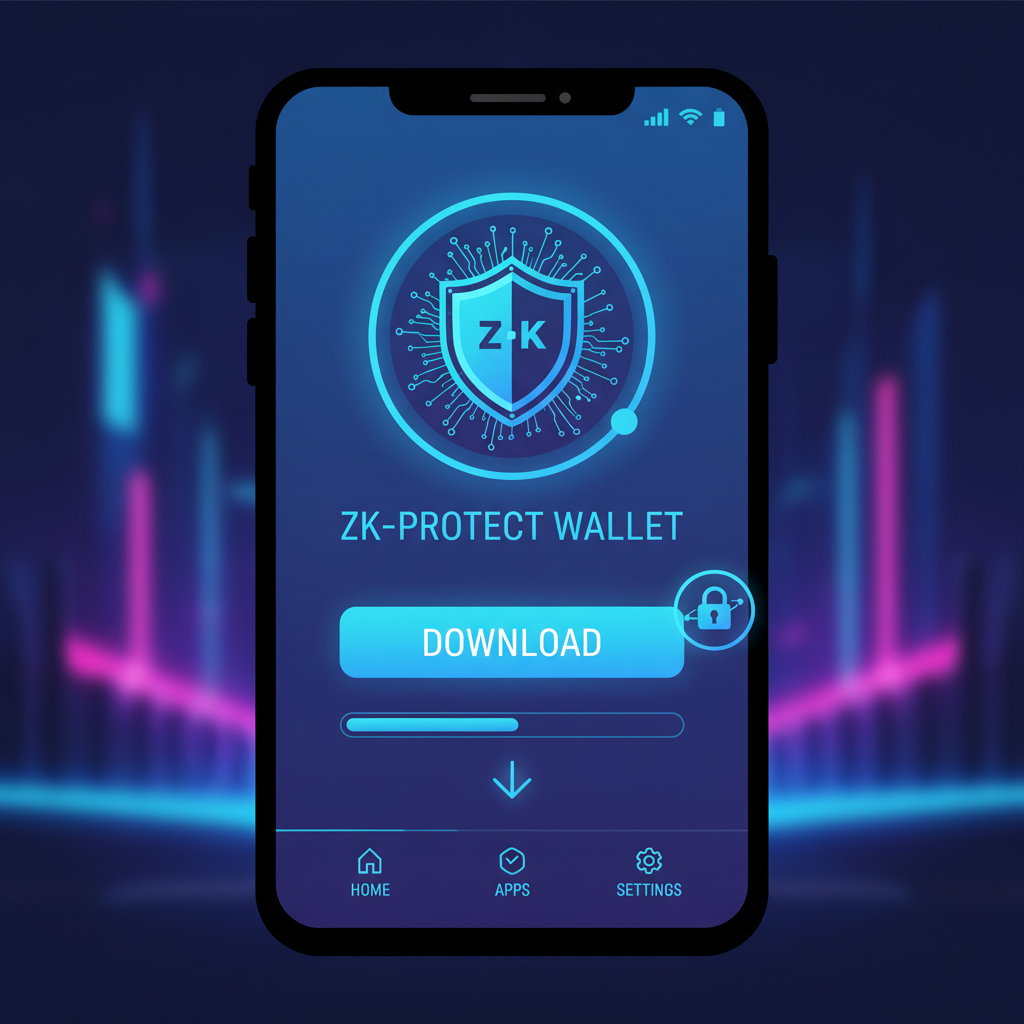
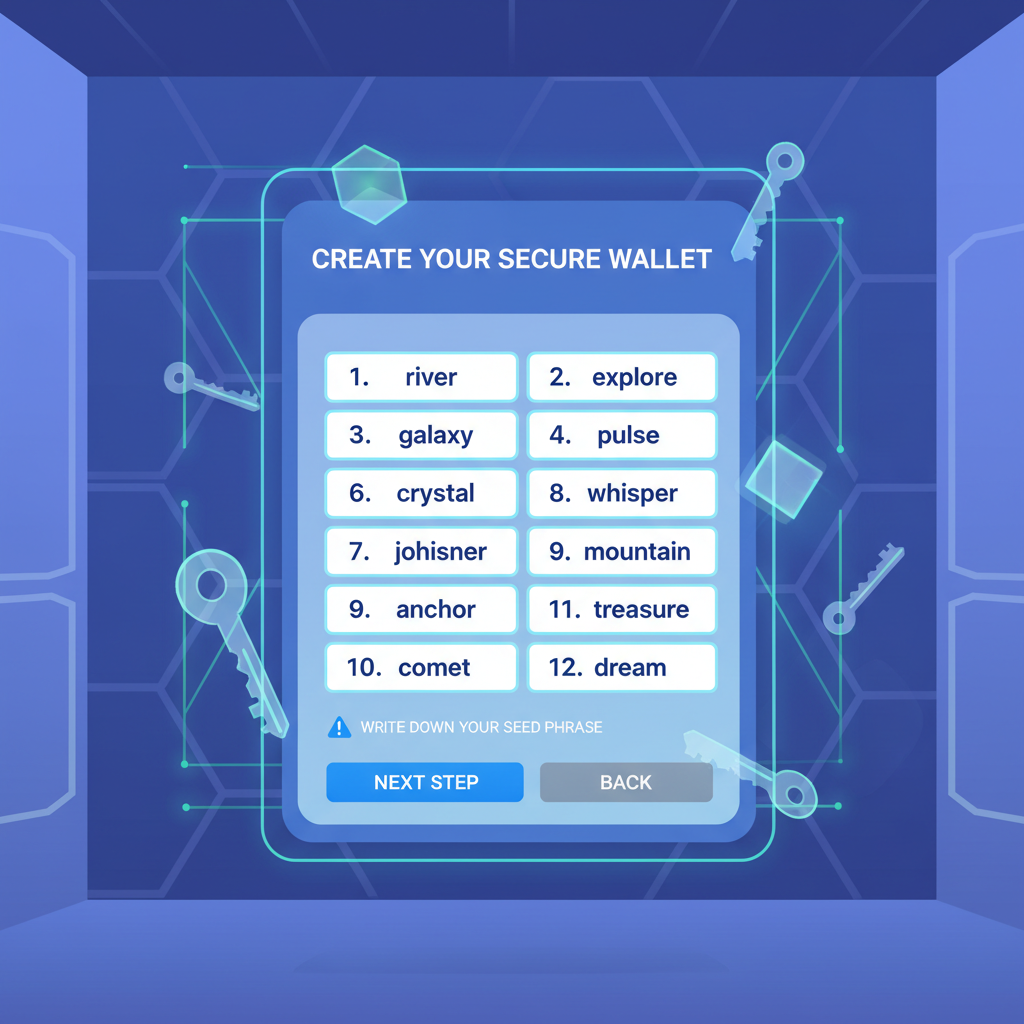
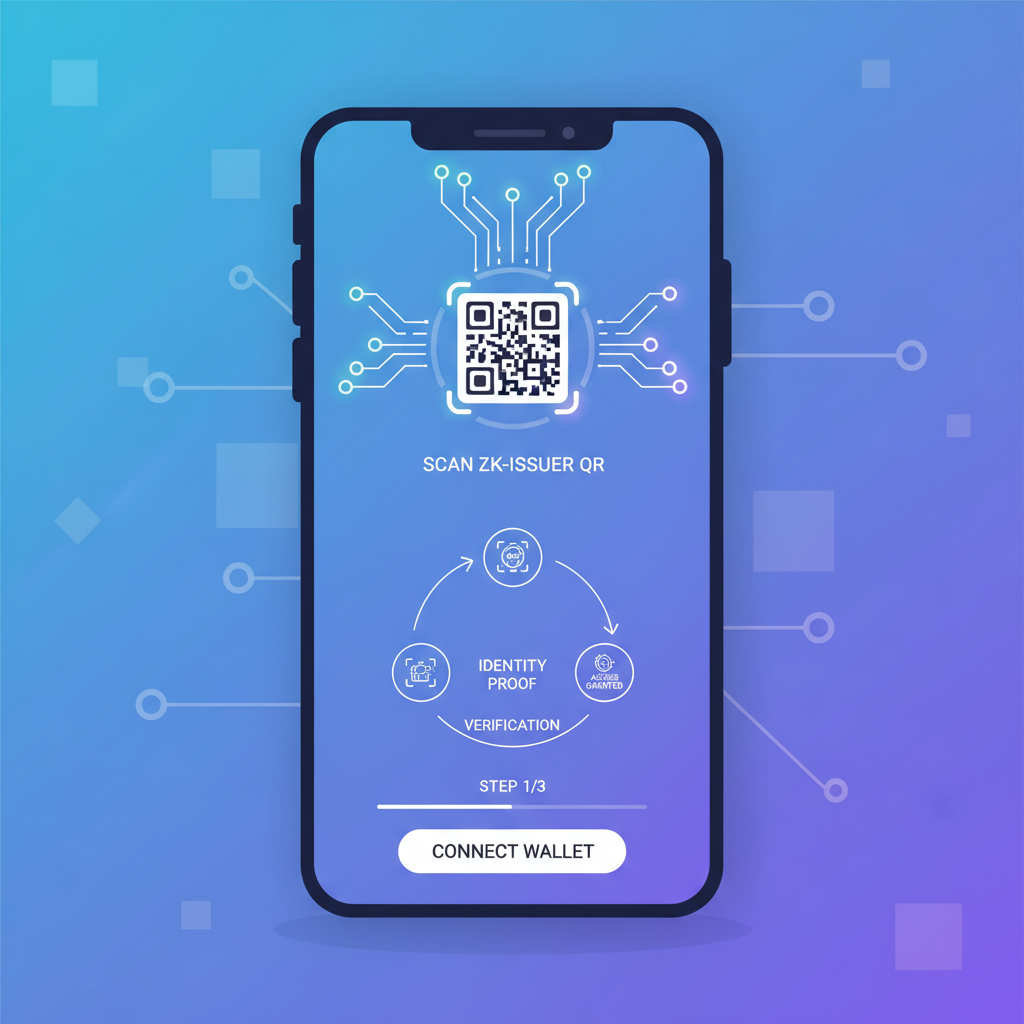
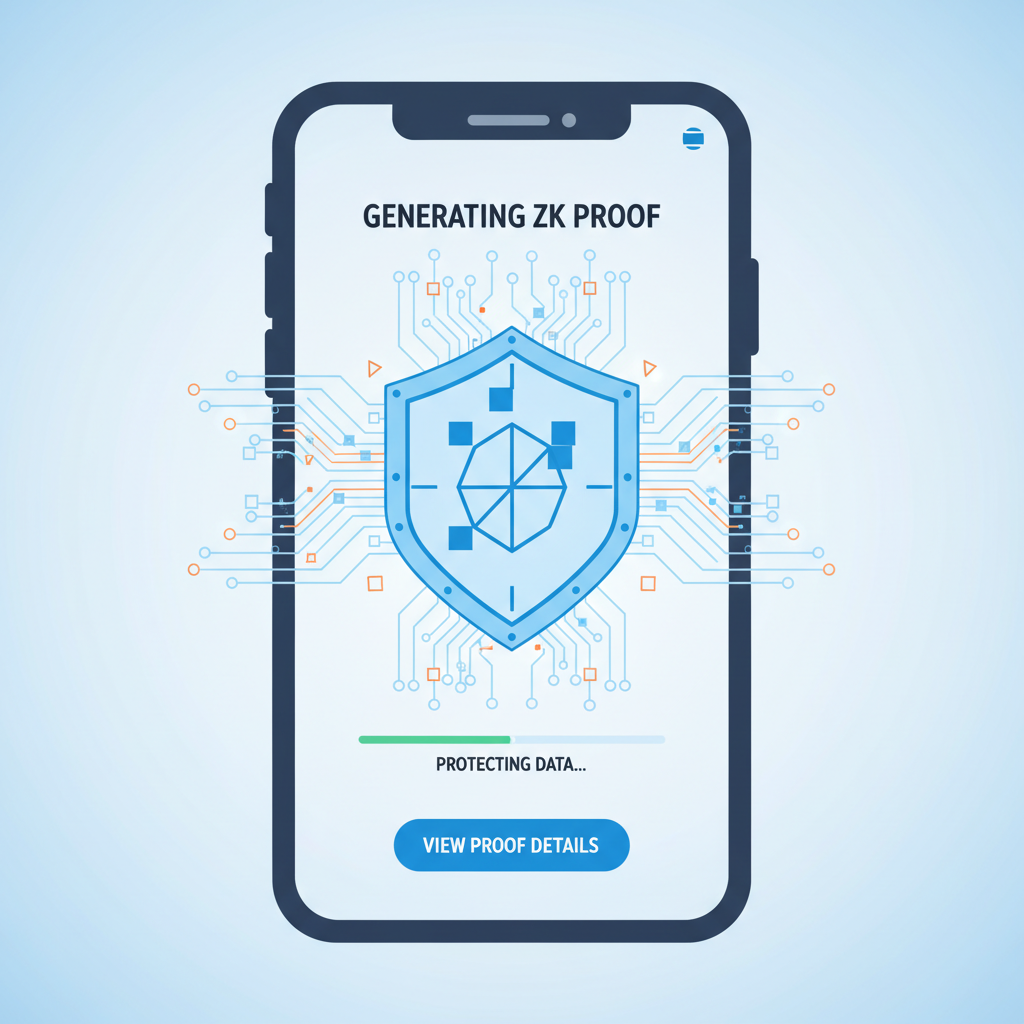
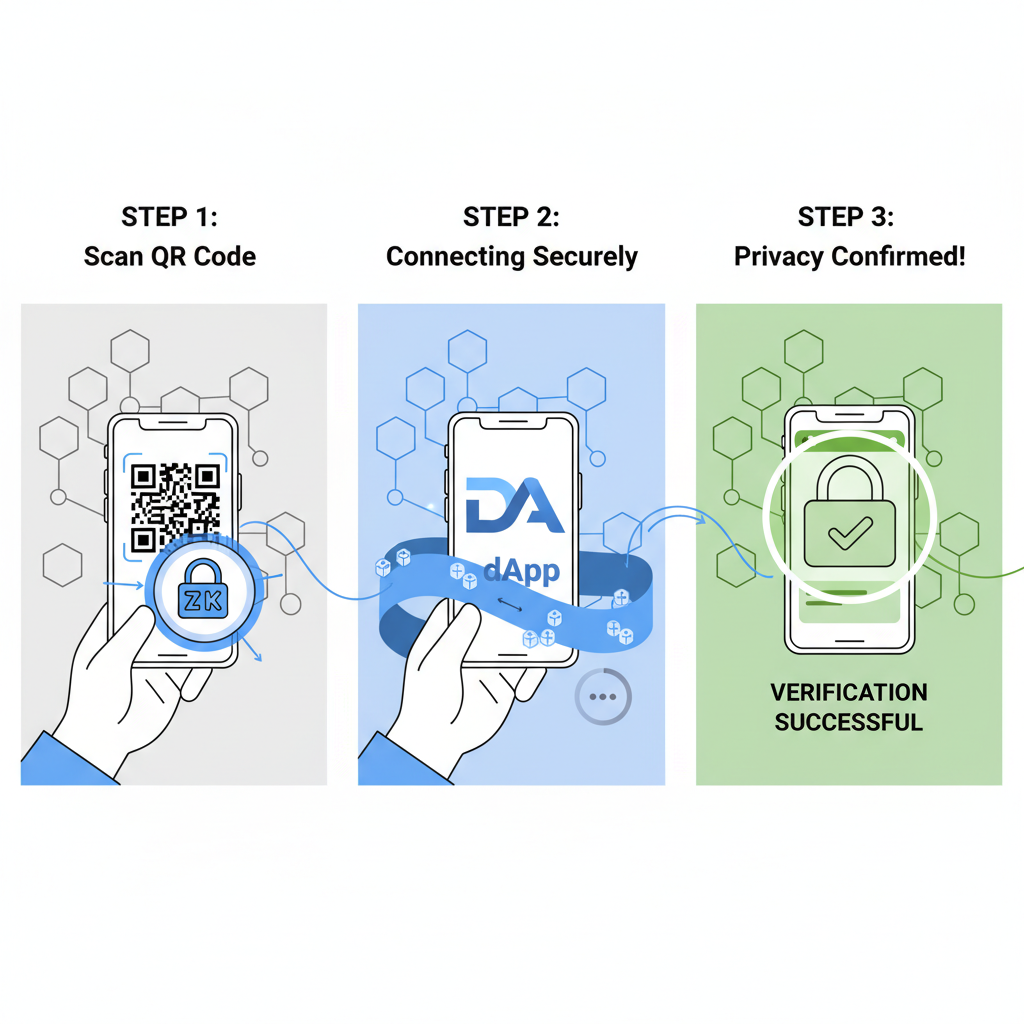
This workflow shines in DeFi, where platforms verify age or accreditation instantly. I liken it to spotting a EUR/USD breakout: confirm the signal (proof) without exposing your full position (data). Early adopters report 40% faster onboarding, per 2026 benchmarks, dodging the custodial traps that snag traditional wallets.
Risks? Gas fees on Ethereum can sting during peaks, but L2s like Polygon’s Agglayer, powered by Billions Network, slash costs. Revocation remains key; always enable ZK lists to null compromised creds privately, as InstaTunnel’s spoofing analysis underscores.
Comparison of Top ZK Credentials Wallets (2026)
| Wallet | Chains Supported | Key Features | DeFi Integrations |
|---|---|---|---|
| ZKCredWallet | Multi-chain | Attestations management, zkKYC/loans 🔒 | zkKYC for DeFi loans and protocols |
| Billions Network | Polygon / AggLayer | SSI proofs with ZKPs, 8M monthly active users 👥 | AggLayer cross-chain identity layer, zkKYC solutions (e.g., zkMe) |
| Kohaku | Ethereum / L2s | Privacy Pools (0xbow), Shielded txns, Cross-chain 🛡️ | Private DeFi sends, Shielded transactions, Upcoming account abstraction |
DeFi Use Cases That Demand ZK Power
Picture lending on Aave: prove solvency via ZKP without balance leaks, unlocking yields regulators approve. Or yield farming – attest whitelist status privately, joining pools closed to randos. zkPass turns bank statements into proofs for credit scores, fueling undercollateralized loans. Nethermind’s take rings true: ZKPs fuse privacy with compliance, letting DeFi scale globally sans fines.
Orochi’s 2026 prediction nails it – encoded compliance via ZK supplants manual KYC, especially as EU regs tighten. CoinsBench sees ZK as Web3’s trust layer, from private DEX swaps to verifiable compute for AI oracles. For traders like me, blending zero knowledge proofs defi with carry strategies means hedging exposures anonymously, charts intact.
Interoperability steals the show. Frameworks like LinkDID and 2026’s delegation arXiv paper enable AI agents to borrow your creds securely, automating trades or compliance checks. Human Passport’s onchain proofs extend to DAOs: vote without doxxing, prove humanity Sybil-free.
Zero-knowledge proofs let you prove a fact without exposing underlying data. – Chainlink
Forward thinkers eye 2026’s horizon: ZK-rollups mature, per insights4vc, embedding credentials in every tx. Wallets evolve to native account abstraction, recovering keys via social proofs. DeFi users gain the upper hand, wallets as fortresses against surveillance. Dive into ZK identity setup guides for hands-on mastery, or explore ZK proofs in identity. Your data, your rules – that’s the Web3 promise realized.