Reusable KYC with ZK Credentials Wallets for DeFi Stablecoin Access

In the high-stakes world of DeFi, accessing stablecoins shouldn’t mean surrendering your privacy to endless KYC hurdles. Traditional processes force users to bare sensitive data time and again, breeding friction and vulnerability. Enter reusable KYC with ZK credentials wallets: a paradigm shift powered by zero-knowledge proofs that lets you verify compliance without exposing a shred of personal info. This isn’t just tech hype; it’s a strategic necessity for scaling DeFi amid tightening regulations.

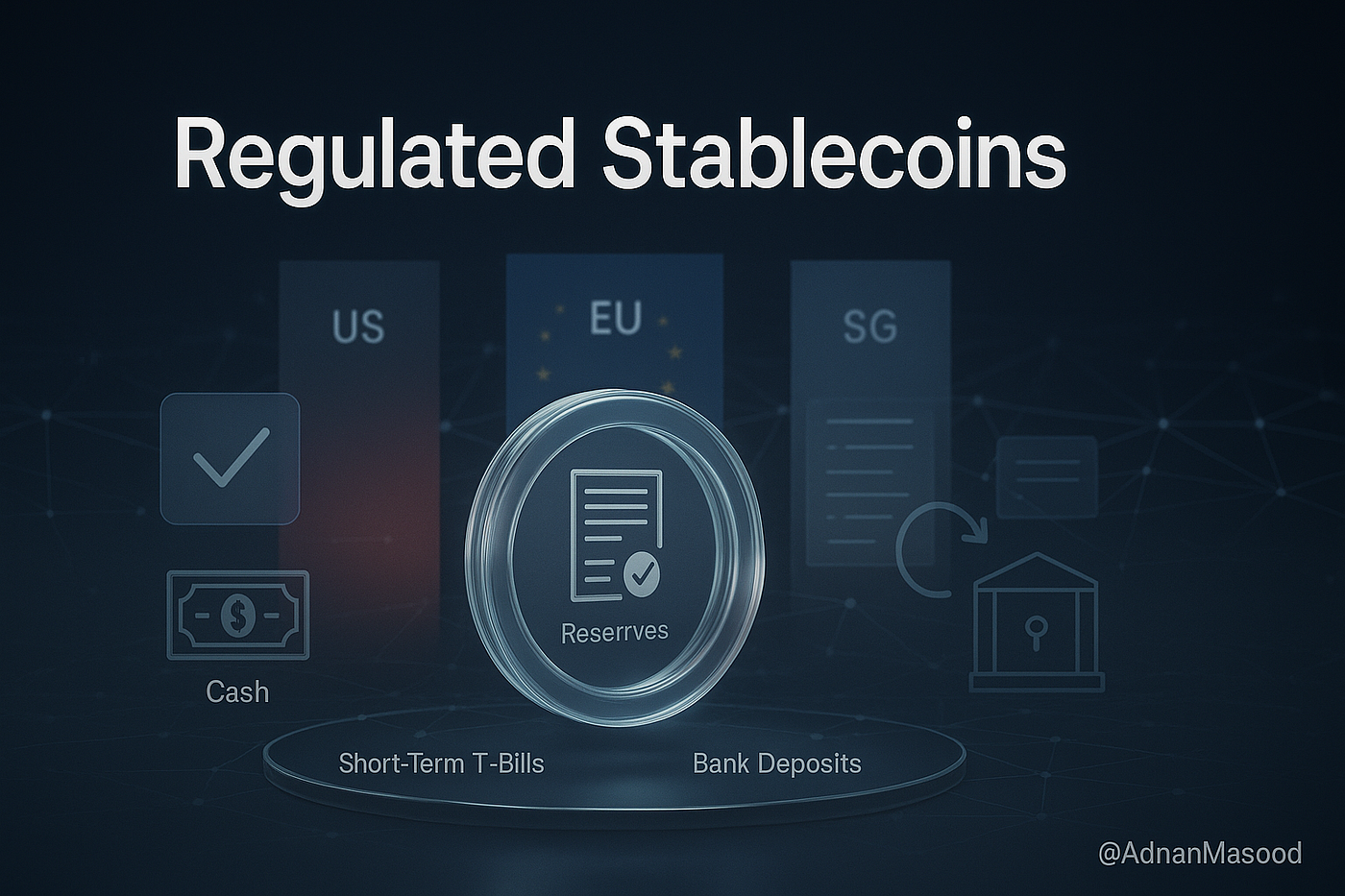
Breaking Down Zero-Knowledge Proofs for Stablecoin Gateways
Zero-knowledge proofs stand at the core of this revolution. Imagine proving you’re over 18 or KYC-compliant to a stablecoin protocol without uploading your passport. That’s the magic: protocols see only the proof’s validity, not your data. Projects like those from Nethermind and Deutsche Bank highlight how this slashes data liability under GDPR while enabling instant, automated, reusable KYC.
DeFi platforms crave this for stablecoins, where compliance costs have long stifled growth. The idOS-Billions partnership underscores reusable identity credentials cutting those expenses, potentially turbocharging stablecoin adoption. Yet caution prevails: ZK tech demands robust infrastructure, and weak implementations risk exploits.
Key Benefits of Reusable KYC ZK Wallets
-
Privacy Preservation: Zero-knowledge proofs enable users to verify identity attributes like age or KYC status without revealing underlying personal data, aligning with GDPR and reducing data liability.
-

Cost Reduction for Protocols: Reusable credentials cut repeated KYC processes, lowering compliance costs for DeFi platforms as seen in idOS-Billions and zkMe solutions.
-

Seamless Cross-dApp Verification: One-time KYC in wallets like Altme or zkMe allows instant reuse across multiple DeFi applications without resubmission.
-

Fraud-Resistant Stablecoin Access: ZK credentials provide verifiable proofs that enhance fraud prevention and enable compliant, secure access to stablecoins.
Wallets Redefining Privacy-First Identity in DeFi
Verifiable credentials DeFi integration shines through wallets like Altme, which partners with Polygon ID for credentials covering identity, age, and residency. Complete a single, stringent KYC, then reuse across platforms. No more repetitive submissions; just selective disclosure via ZK.
Fairway layers compliance for institutional liquidity, using ZK to affirm identities without data leaks. Institutions enter DeFi on their terms, compliant yet private. zkMe pushes decentralized zkKYC, one-time verification for multi-platform reuse, dodging breach risks inherent in centralized databases. Ankr Verify sets entry criteria for protocols, blending ZK identity checks with compliance sans privacy trade-offs.
These aren’t isolated experiments. Concordium embeds ZKP for geo-fencing and age-gating, easing cross-border stablecoin flows. Verida Network pitches protocol-agnostic, identity-centric solutions for dApp devs, marrying DeFi with next-level KYC.
Strategic Edge: Decentralized KYC Reusability Meets Regulatory Realities
Reusable KYC isn’t merely convenient; it’s a competitive moat. Protocols embedding zero knowledge proofs stablecoin access sidestep the identity crisis plaguing the space, as noted in recent analyses. Users retain data sovereignty in privacy first identity wallets, proving attributes like investor status à la Singapore’s Project Guardian.
Blockchain-anchored privacy via ZK-rollups, per Hub Technologies, verifies credentials sans revelation, perfect for fraud prevention. ePrint’s zkKYC blueprint ensures no PII hits DeFi protocols, balancing transparency with regs. But strategically, interoperability looms large: wallets must standardize verifiable credentials, or fragmentation undermines reusability.
BlockEden nails it: ZK enables private lending, trading, stablecoin minting. Surf AI flags compliance costs finally bending to decentralization. For wallets like ZKCredWallet, this positions them as indispensable, but only if they navigate volatility in standards and adoption wisely.
Seasoned in derivatives, I’ve seen how leverage amplifies gains but punishes the unprepared. ZK credentials operate similarly in DeFi: immense potential for decentralized KYC reusability, yet requiring cautious navigation of technical pitfalls and regulatory flux. ZKCredWallet. com emerges as a frontrunner, blending zero-knowledge proofs with verifiable credentials tailored for privacy hawks and devs alike. Its architecture supports selective disclosure for stablecoin protocols, ensuring users prove compliance attributes without data exposure.
Overcoming Hurdles: Interoperability and Security Imperatives
Fragmentation threatens this vision. Without standardized verifiable credentials, reusable KYC ZK wallet ecosystems risk silos, much like mismatched options chains crippling strategies. Initiatives from Verida and Polygon ID push protocol-agnostic standards, fostering cross-dApp fluidity. Yet, interoperability demands vigilance; mismatched proof formats could unravel trustless verification.
Security warrants equal scrutiny. ZK proofs, while mathematically sound, hinge on flawless implementation. Past exploits in rollups remind us: one weak link invites catastrophe. Protocols must audit circuits rigorously, and wallets like ZKCredWallet prioritize battle-tested libraries to mitigate quantum threats and side-channel attacks. Fraud prevention strengthens via these tools, but over-reliance without layered defenses courts danger.
Comparison of Leading ZK Wallets for Reusable KYC in DeFi
| Wallet | Key Features | Primary Focus | Website |
|---|---|---|---|
| Altme | Polygon ID integration, residency proofs, verifiable credentials for identity, age, and residency; robust KYC reusable across DeFi | General DeFi access with privacy-preserving proofs | [altme.io](https://www.altme.io/verifiable-credentials/?utm_source=openai) |
| Fairway | ZK proofs for identity and compliance verification without exposing personal data | Institutional compliance and DeFi liquidity | [fairway.global](https://www.fairway.global/products?utm_source=openai) |
| zkMe | Decentralized zkKYC, privacy-first verification; complete KYC once and reuse credentials | Privacy-enhanced KYC for multiple platforms | [blog.zk.me](https://blog.zk.me/web3-kyc-game-changer-zkmes-reusable-identity-verification/?utm_source=openai) |
| ZKCredWallet | DeFi stablecoin focus, dev-friendly APIs for ZK credential integration | Compliant stablecoin access with reusable KYC | N/A |
Regulatory landscapes add complexity. Singapore’s Project Guardian proved ZK credentials viable for investor wallets, but global regs vary. EU’s GDPR favors reduced data liability, while U. S. scrutiny on stablecoins intensifies. Privacy first identity wallet solutions shine here, enabling geo-fencing per Concordium’s model without blanket data dumps. Strategically, DeFi actors should embed compliance-by-design, treating regs as alpha-generating constraints rather than obstacles.
Practical Playbook: Leveraging ZK for Stablecoin Strategies
Picture this: you hold USDC positions amid volatility spikes. With a ZK credentials wallet, prove KYC once via trusted issuers, then mint or trade stablecoins seamlessly. No repeated docs; just cryptographic attestations. This hybrid approach mirrors my options playbook: high-reward setups with defined limits. DeFi protocols gain from lower churn, as frictionless access boosts TVL.
For devs, ZKCredWallet offers SDKs streamlining integration. Issuers craft credentials off-chain, users generate proofs on-device. Verification? Milliseconds via smart contracts. Costs plummet versus traditional oracles, aligning with Surf AI’s cost-cutting thesis. Institutions via Fairway already tap this for liquidity pools, proving the model’s scalability.
Unlock Private DeFi Stablecoins: Set Up Reusable KYC in ZKCredWallet
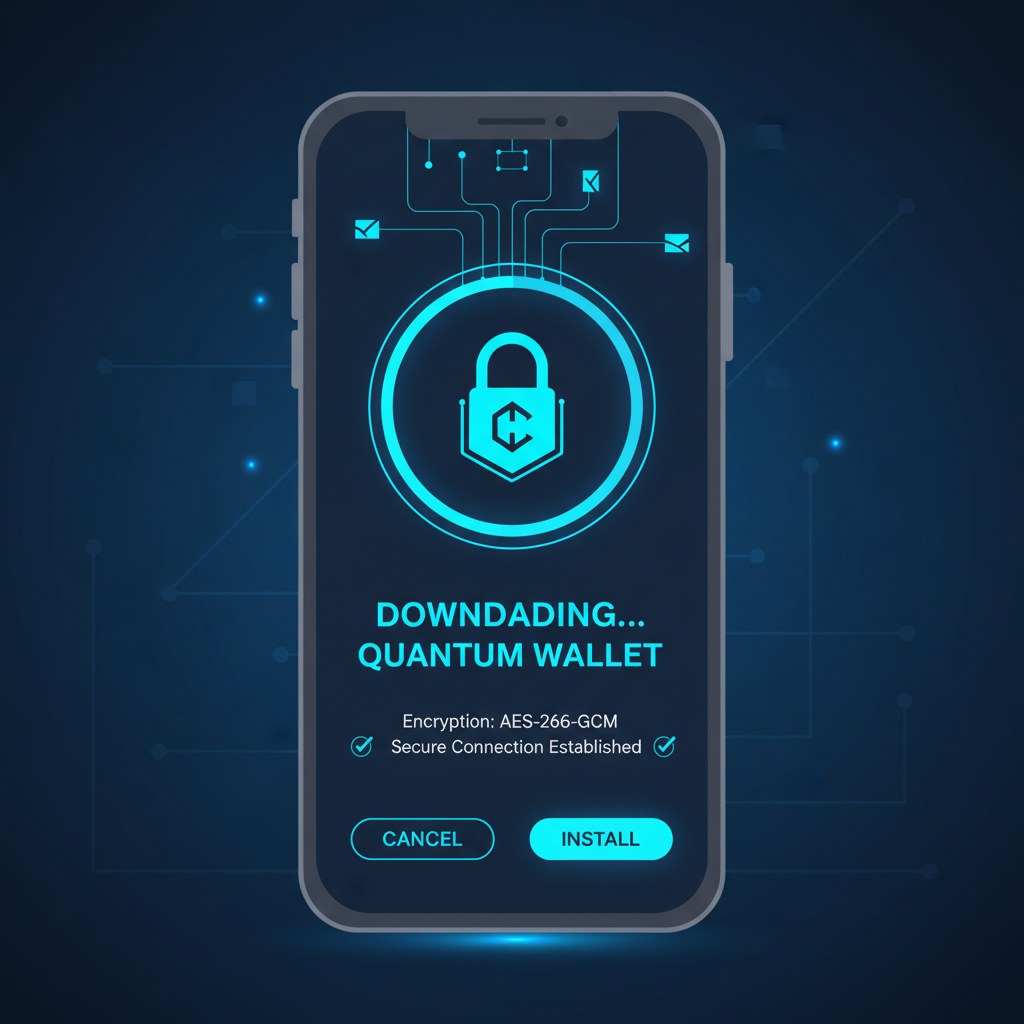
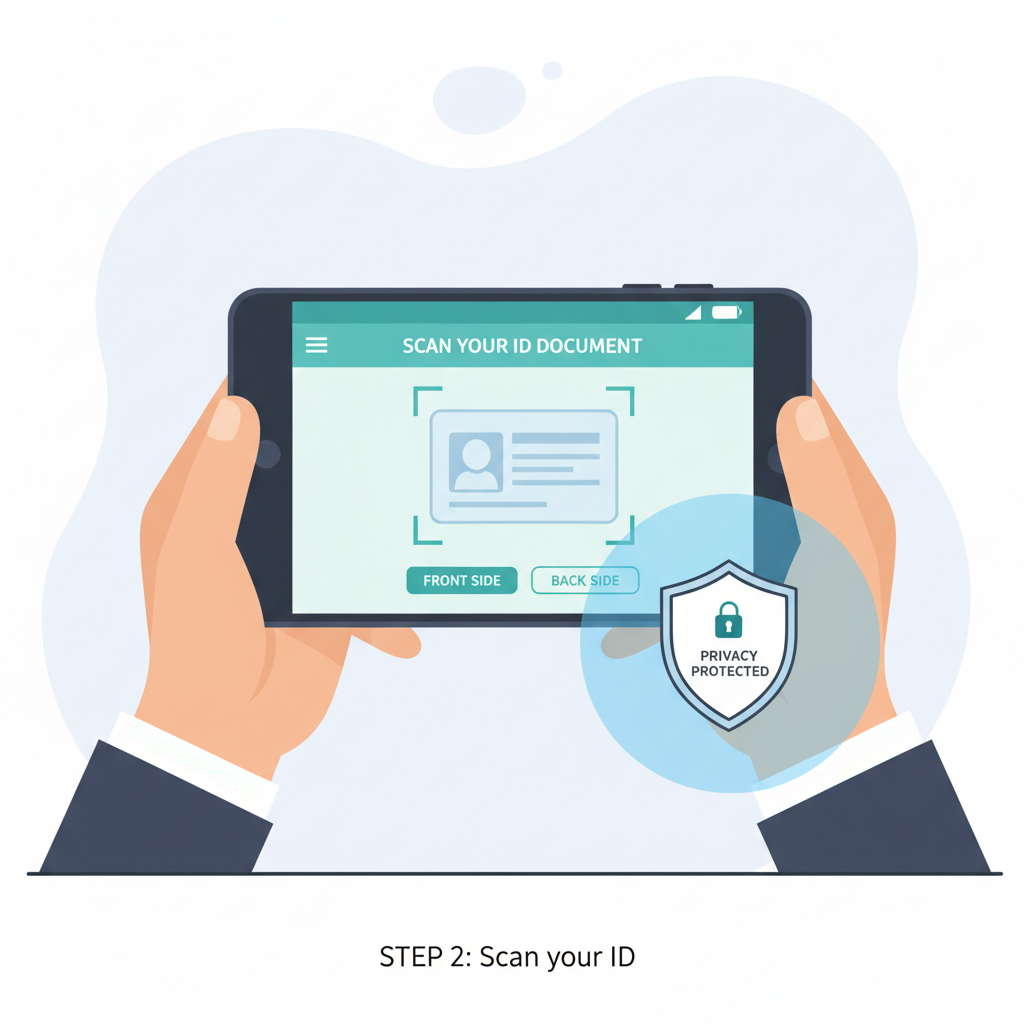
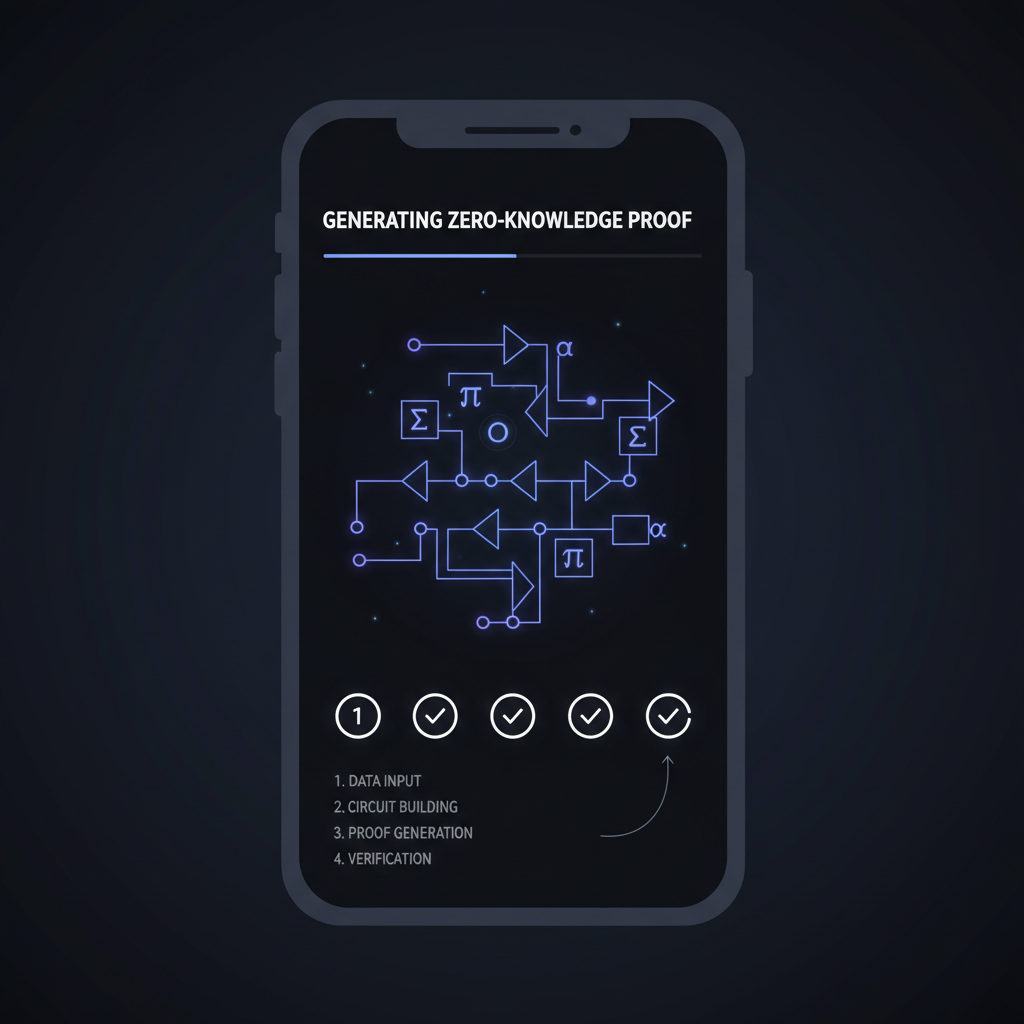
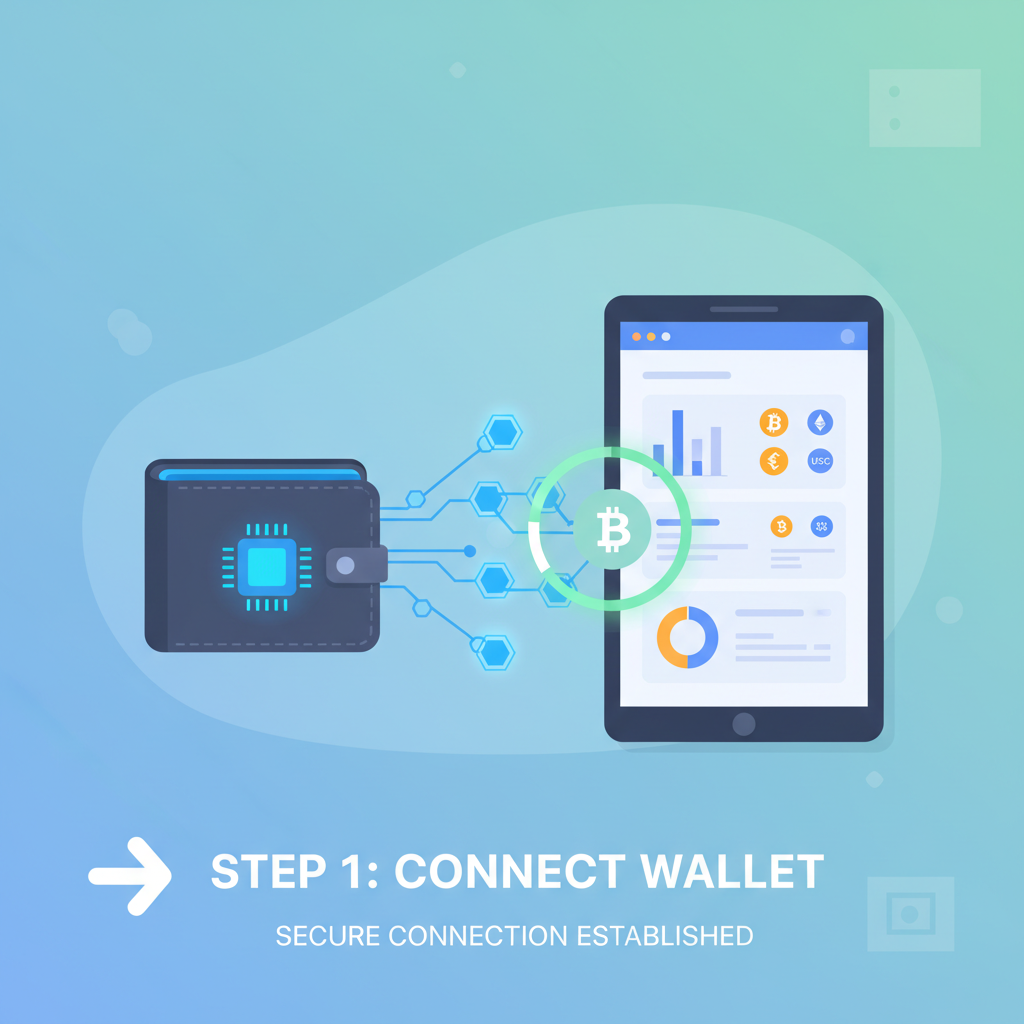
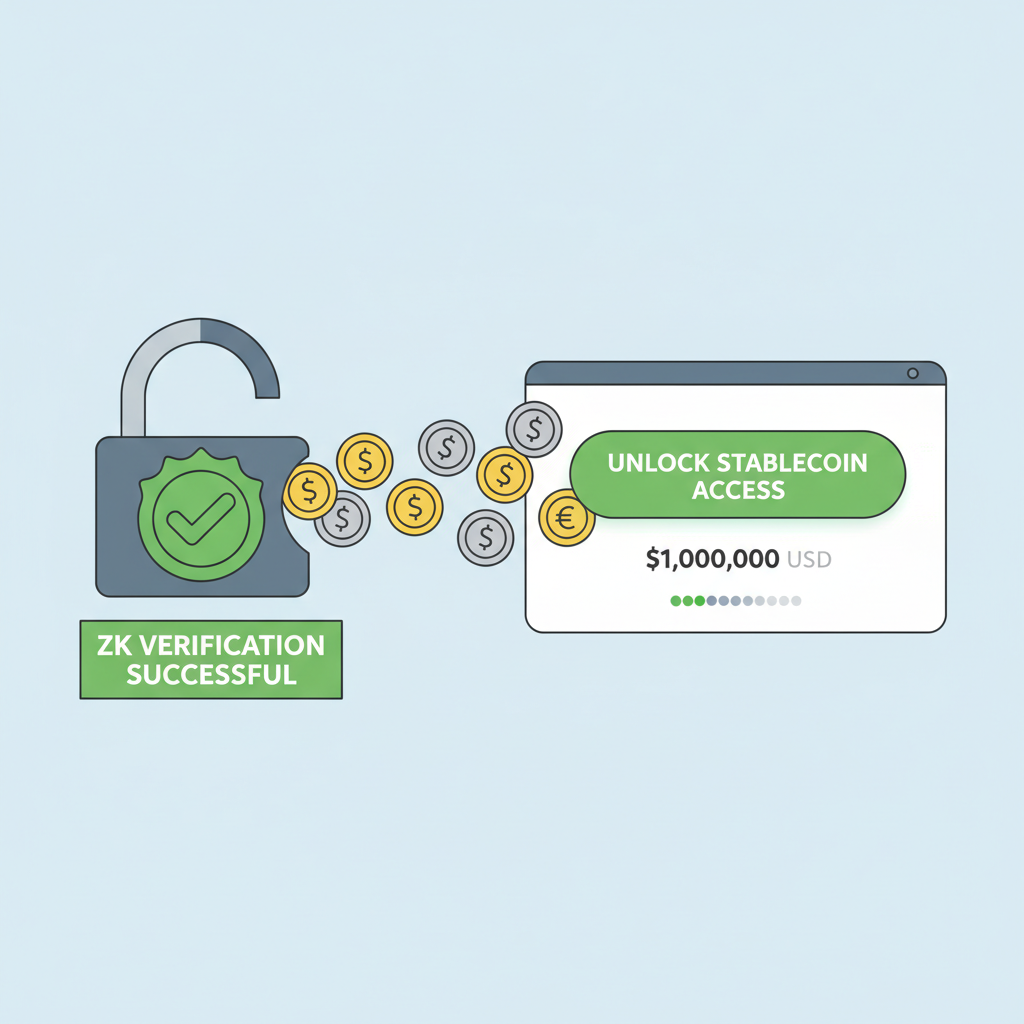
Opinion: this isn’t plug-and-play yet. Volatility in ZK standards echoes implied vol swings; time decay erodes unhedged positions. Prioritize wallets with active governance and upgrade paths. ZKCredWallet’s focus on compliance-grade proofs positions it shrewdly, but users must DYOR on issuer trustworthiness.
Charting the Horizon: ZK’s Endgame in DeFi
Nethermind and Deutsche Bank foresee ZK ubiquity in blockchain finance. zkKYC per ePrint archives no PII to protocols, perfect for AML transparency. idOS_network nails the wedge: beyond KYC, solve identity holistically for stablecoins. As adoption swells, expect ZK-rollups anchoring mass verification, per Hub Technologies.
BlockEden’s private DeFi primitives unlock lending sans exposure, turbocharging yields. For traders, this means stablecoin strategies insulated from identity drag. Cautiously optimistic, I view verifiable credentials DeFi as the linchpin scaling to trillions, provided stakeholders hedge risks like any volatile instrument.
Wallets wielding these tools wisely will dominate. Options taught me: leverage with limits wins. ZKCredWallet embodies that ethos, empowering privacy-centric DeFi without the pitfalls.