ZK Credentials Wallet for Privacy-Preserving Verifiable Credentials in DeFi 2026

In 2026, DeFi protocols demand ironclad privacy without sacrificing verifiability, and ZK credentials wallets stand at the forefront of this shift. These tools let users prove attributes like residency or creditworthiness via zero-knowledge proofs, keeping sensitive data off-chain and out of prying eyes. As regulatory scrutiny intensifies, platforms integrating verifiable credentials ZK proofs aren’t just innovating; they’re future-proofing privacy-preserving DeFi.


Zero-knowledge identity, as Chainlink outlines, verifies personal data on-chain minus the exposure. Imagine accessing a high-yield lending pool by proving you’re over 18 or a U. S. resident, all without flashing your passport. This isn’t hype; it’s the new standard powering trustless interactions in Web3.
Why ZK Proofs Are DeFi’s Privacy Game-Changer
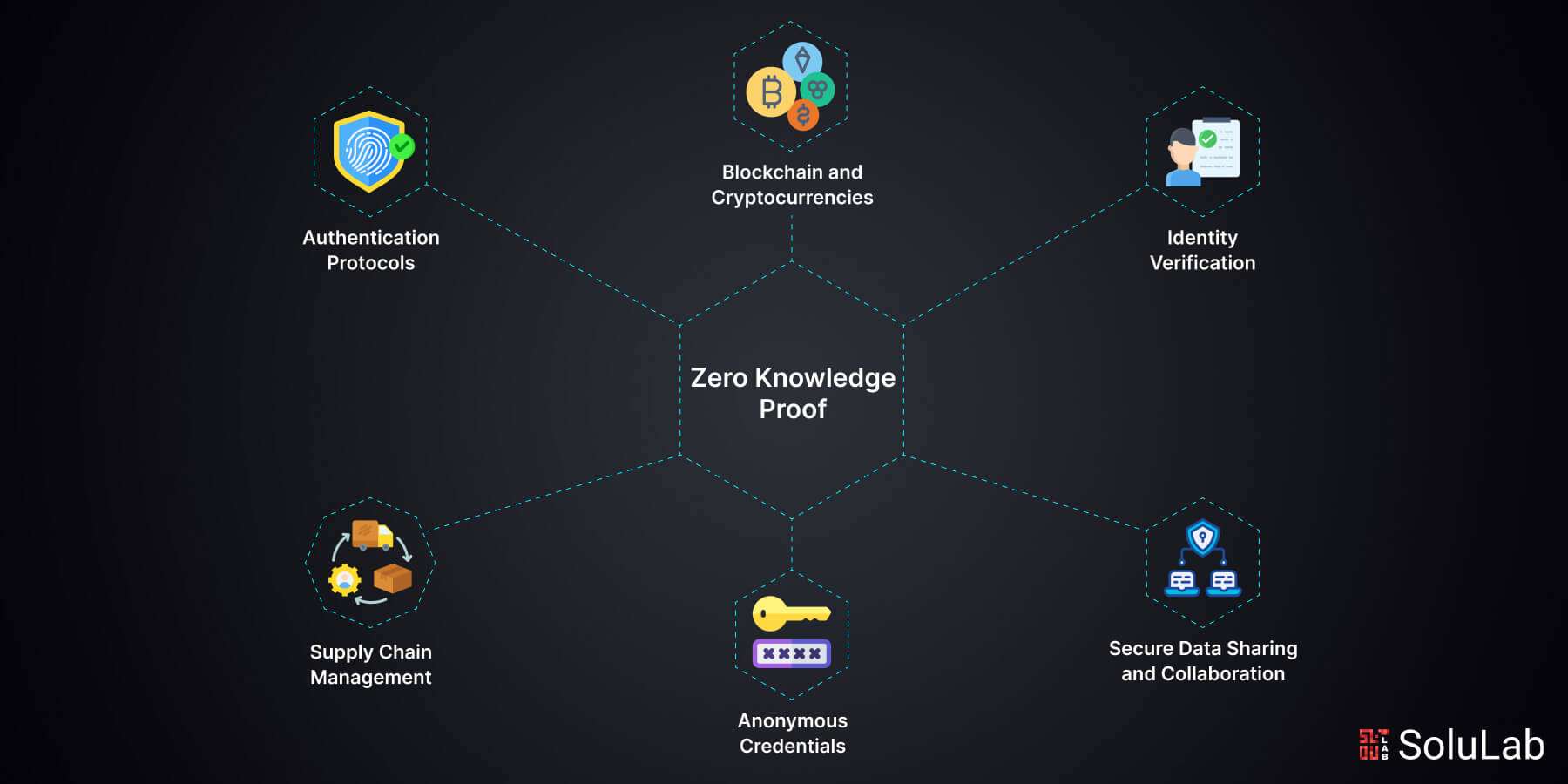
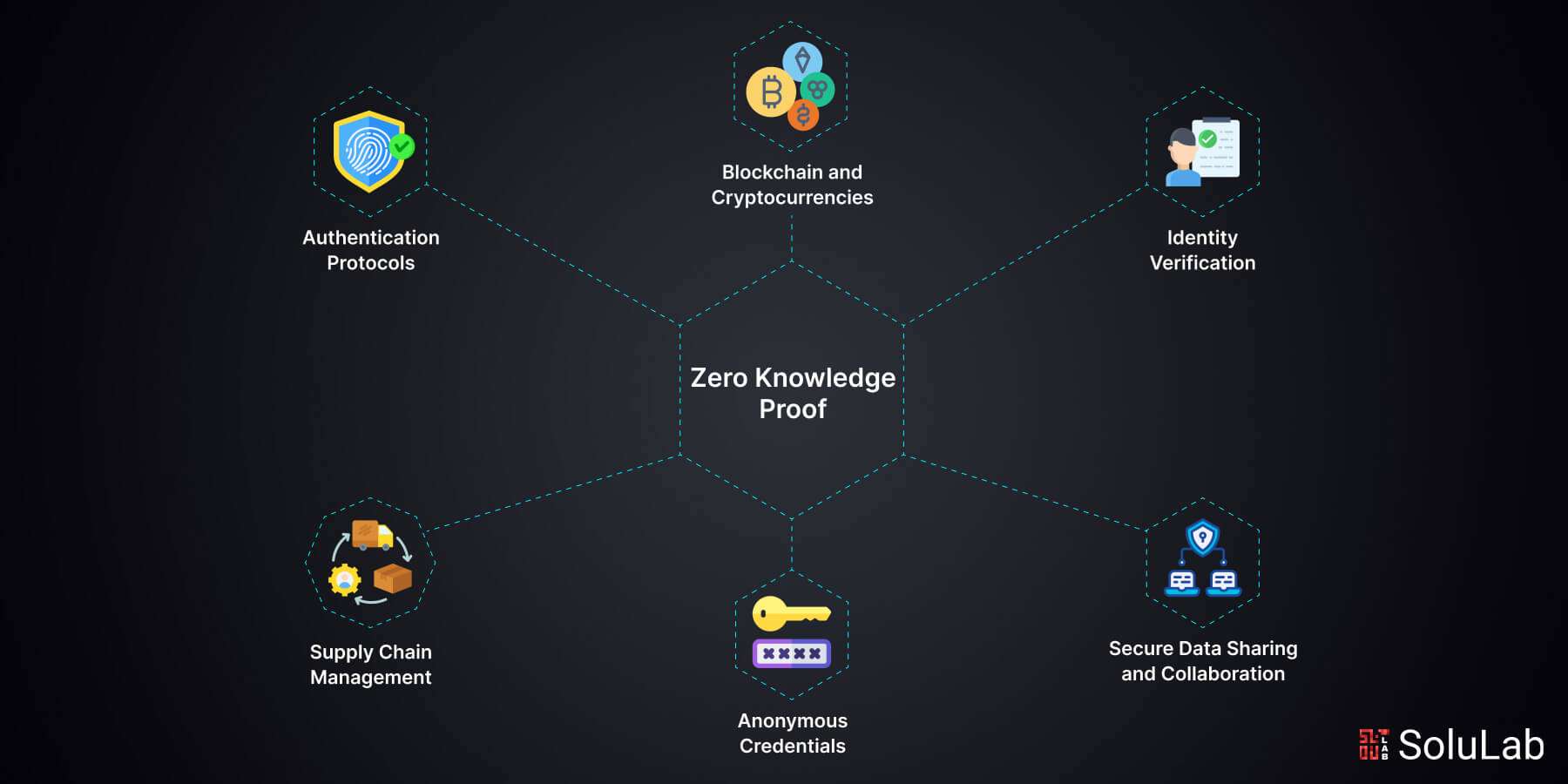
At their core, zero-knowledge proofs convince a verifier of a statement’s truth without leaking underlying details. Medium’s deep dive calls it a math trick turned Web3 powerhouse: one party proves a claim, the other nods approval, data stays sealed. In DeFi, this means private loans where borrowers show solvency thresholds without balance sheets, or trades hiding positions from front-runners.
Forems and BlockEden highlight practical wins. Smart contracts deploy verifier logic with issuer public keys; proofs pass, access grants, dApps remain blind. Prove country of residence for geo-compliant yields, balance minimums for exclusive pools, or even KYC status anonymously. Nethermind notes institutions love it: trading flows and customer bases shielded while compliance holds.
This tech scales beyond theory. Purdue’s zk-creds protocol ditches issuer signing keys altogether, using general-purpose ZK for flexible anonymous credentials. Mina Protocol adds that decentralized identity providers layer ZK atop for attested data access, solving privacy leaks head-on.
Key ZK Wallet Advantages in DeFi
-
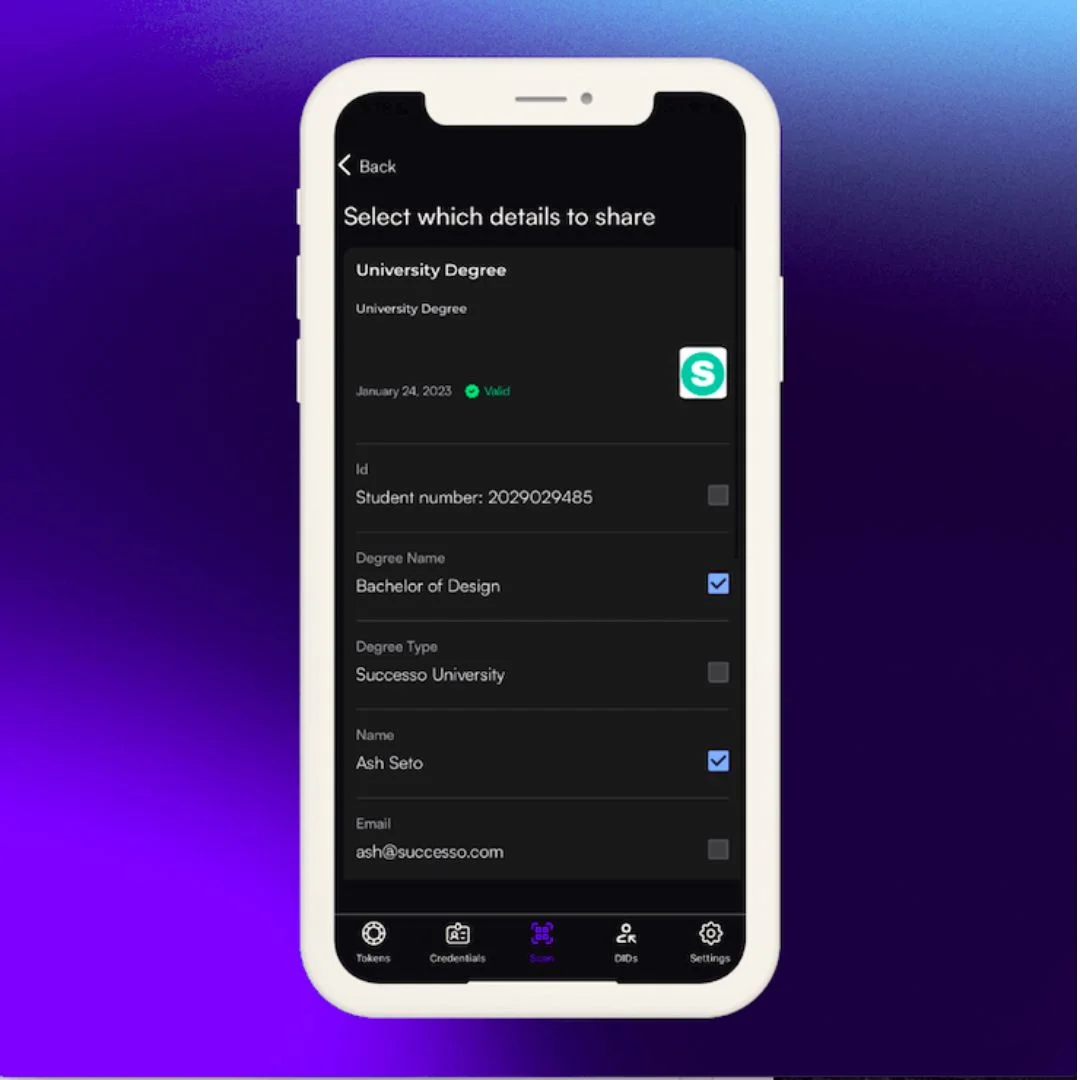
Selective Disclosure: Prove specific attributes like age or residency without revealing full identity, as in Altme Wallet for private DeFi access.
-

Regulatory Compliance: Verify eligibility (e.g., EUDI-aligned proofs via zkID by PSE) for KYC/AML without exposing data, enabling compliant lending.
-
Scam Resistance: Credentials confirmed via ZKPs prevent phishing by avoiding sensitive info sharing, bolstering Web3 trust as per Chainlink ZK identity.
-
Seamless Interoperability: Cross-chain verification through Billions Network and Polygon Agglayer for fluid DeFi interactions without silos.
-
Gas-Efficient Proofs: Compact ZK verifications minimize onchain costs, scaling privacy features for high-volume DeFi as in Verida Wallet.
Spotlight on Trailblazing ZK Credentials Wallets
By February 2026, wallets like Altme lead the charge. Users claim and manage ZK credentials for identity, age, and addresses directly, fueling private smart contract calls and dApp access. Polygon integration via Billions Network (ex-Polygon ID) cements it as SSI royalty, now Agglayer’s identity backbone for cross-chain fluidity. Verida pairs with Billions for decentralized identities tied to Polygon assets, proving credentials sans personal info dumps.
zkID by PSE aligns with Europe’s EUDI framework, pushing Ethereum as trust layer with modular ZK wallets and post-quantum security. Ontology’s smart wallet vision rings true: prove anything from nationality to balances, all privacy-first. Verida’s zkPass even converts web data into proofs, bridging fiat worlds to DeFi discreetly. For users, this means zero knowledge wallet Web3 setups that feel intuitive yet bulletproof.
ZKCredWallet. com exemplifies this evolution, tailoring anonymous verifiable credentials for developers and enthusiasts. Secure storage, selective proofs, blockchain-agnostic verification: it’s built for DeFi’s privacy demands, blending usability with cutting-edge ZK tech. Check deeper into how these proofs enhance decentralized wallets at this guide.
Real-World DeFi Applications Demanding ZK Credentials
Picture a lending dApp requiring over-collateralization only from verified humans, not bots. ZK wallets prove humanity or reputation scores without doxxing. Yield farms gatekeep by age or jurisdiction via proofs, dodging fines while opening global access. Ontology lists seven reasons smart wallets win: ZK proves intangibles like accreditation or on-chain history selectively.
Altme’s verifiable credentials shine here, unlocking age-restricted services compliantly. Billions Network’s enterprise traction shows scalability; institutions verify without data silos. As PSE’s zkID eyes EUDI compliance, DeFi edges toward regulated privacy. These aren’t silos; they’re interoperable layers stacking privacy atop liquidity pools and perps.
Interoperability isn’t just a buzzword; it’s the glue binding these proofs to live DeFi action. Liquidity providers verify accreditation without exposing portfolios, perps traders mask strategies from MEV bots, and stablecoin issuers confirm reserves privately. This layered approach turns DeFi from a wild west into a compliant frontier, where privacy-preserving DeFi meets real yields.
Overcoming Hurdles in ZK Wallet Adoption
Despite the momentum, hurdles persist. Proving complex attributes demands hefty computation, spiking gas fees on Ethereum mainnet. Yet, 2026’s layer-2 rollups and zkVM advancements slash costs; Billions Network’s Agglayer unifies chains, making cross-protocol proofs seamless. User experience lags too: non-crypto natives balk at key management. Smart wallets like Altme counter this with biometric secures and one-tap verifications, proving ZK needn’t sacrifice simplicity.
Skeptics question scalability, but Purdue’s zk-creds shows general-purpose proofs sidestep issuer dependencies, fostering trustless ecosystems. Post-quantum threats loom, yet PSE’s zkID builds modular defenses, future-proofing against quantum breaks. In my view as a portfolio manager navigating volatile markets, these wallets aren’t optional; they’re essential for diversified DeFi exposure without regulatory blind spots or privacy leaks.
Comparison of Top ZK Credentials Wallets
| Wallet | Features | Chains Supported | Key Strengths | DeFi Integrations |
|---|---|---|---|---|
| Altme | Verifiable credentials for identity, age, blockchain addresses; ZKPs for attribute verification without data reveal | Polygon | Access to age-restricted services; Compliant DeFi platforms | Polygon dApps & smart contracts 🔒💳 |
| Verida | Decentralized digital identities; Integrates with Billions Network for ZK credentials | Polygon | Privacy-preserving identity verification across apps | Polygon assets & dApps 🔐🌐 |
| Billions Network | SSI solution with ZKPs; Verifiable credentials; Official ID for Agglayer | Polygon Agglayer (cross-chain) | Enterprise/institutional traction; Cross-chain interoperability | Agglayer DeFi protocols 💰🌉 |
| zkID (by PSE) | Privacy-preserving proofs; EUDI framework; Modular ZKP wallet; Post-quantum secure | Ethereum | EU compliance; Ethereum as identity layer | Ethereum DeFi & L2s 🛡️🔒 |
| ZKCredWallet | Privacy-focused ZK credentials for DeFi; Selective disclosure of attributes | Multi-chain (Ethereum, Polygon) | Seamless private verification; DeFi-native privacy | Major DeFi protocols (lending, trading) 🔒🚀 |
Regulatory alignment accelerates uptake. Europe’s EUDI framework via zkID pressures global dApps toward compliant proofs, while U. S. platforms eye similar for AML nods. Verida’s zkPass bridges Web2 data elegantly, letting users prove credit scores from banks without uploads. Ontology’s prescience holds: smart wallets prove thresholds dynamically, adapting to market swings without re-verification.
ZKCredWallet: The Balanced Choice for Web3 Privacy
Among contenders, ZKCredWallet. com strikes the optimal balance. Tailored for privacy hawks and devs, it stores attestations securely, verifies via ZK without data exposure, and spans blockchains effortlessly. Unlike siloed rivals, its developer SDKs enable custom verifiable credentials ZK proofs, powering bespoke DeFi apps. Selective disclosure shines: prove solvency for loans, humanity for airdrops, or reputation for DAOs, all gas-optimized.
Integration is straightforward; pair it with Agglayer for unified liquidity, or Ethereum L2s for speed. For traders like me blending forex signals with on-chain alpha, it means accessing geo-locked yields privately, sustaining alpha without KYC drag. Dive into self-sovereign setups with this practical guide.

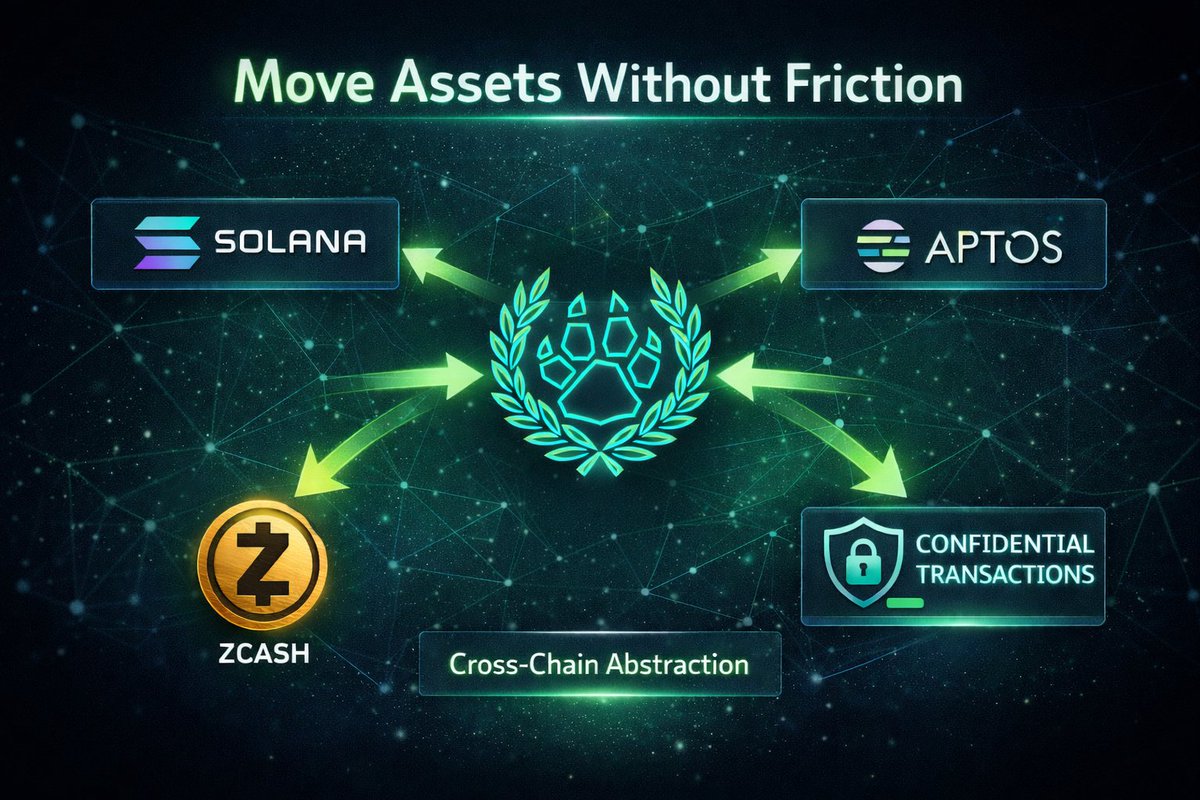
Rhea removes friction:
– No manual bridge juggling
– No liquidity fragmentation
– Seamless cross-chain asset movement
Privacy-preserving capital efficiency across Solana, Zcash & supported networks. https://t.co/afn89sT0C2
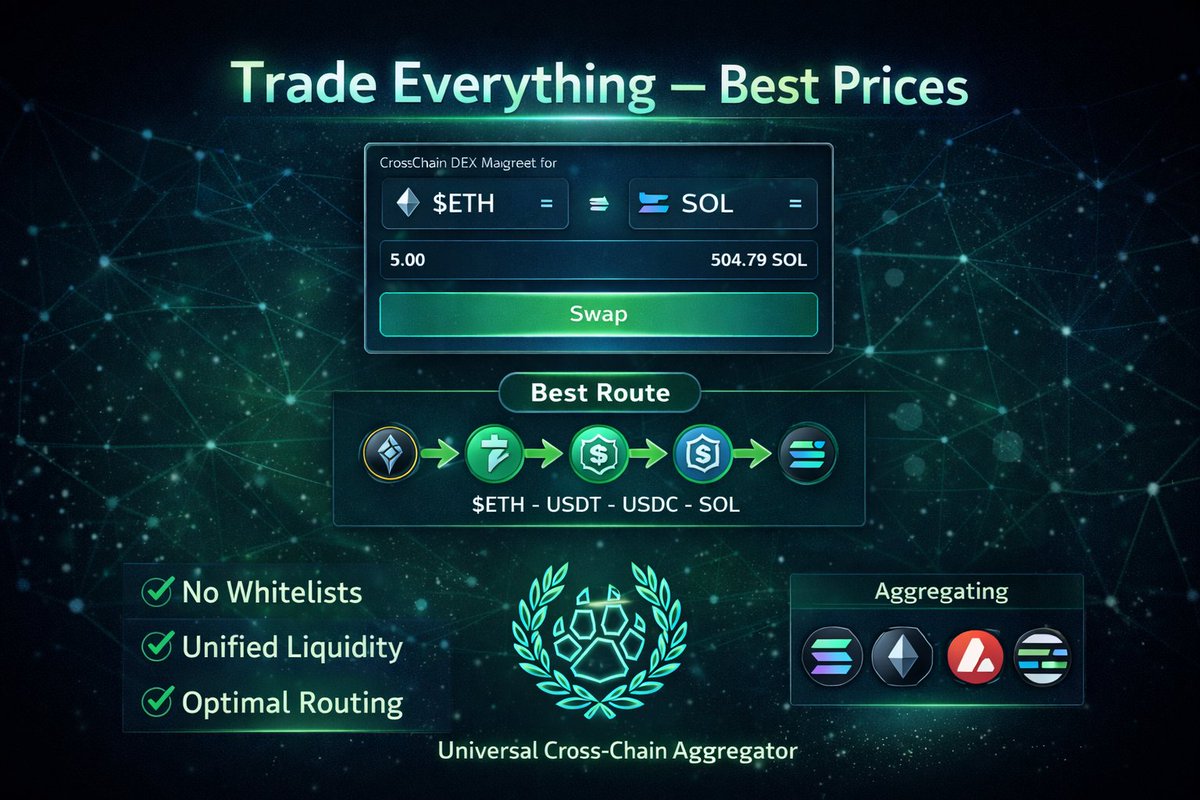
Trade ANY asset → blue-chip assets across chains:
– No whitelisting
– Best price quotes
– Optimal routing
– Unified liquidity
Real interoperability. Real efficiency. https://t.co/4qBQ9nVG2g
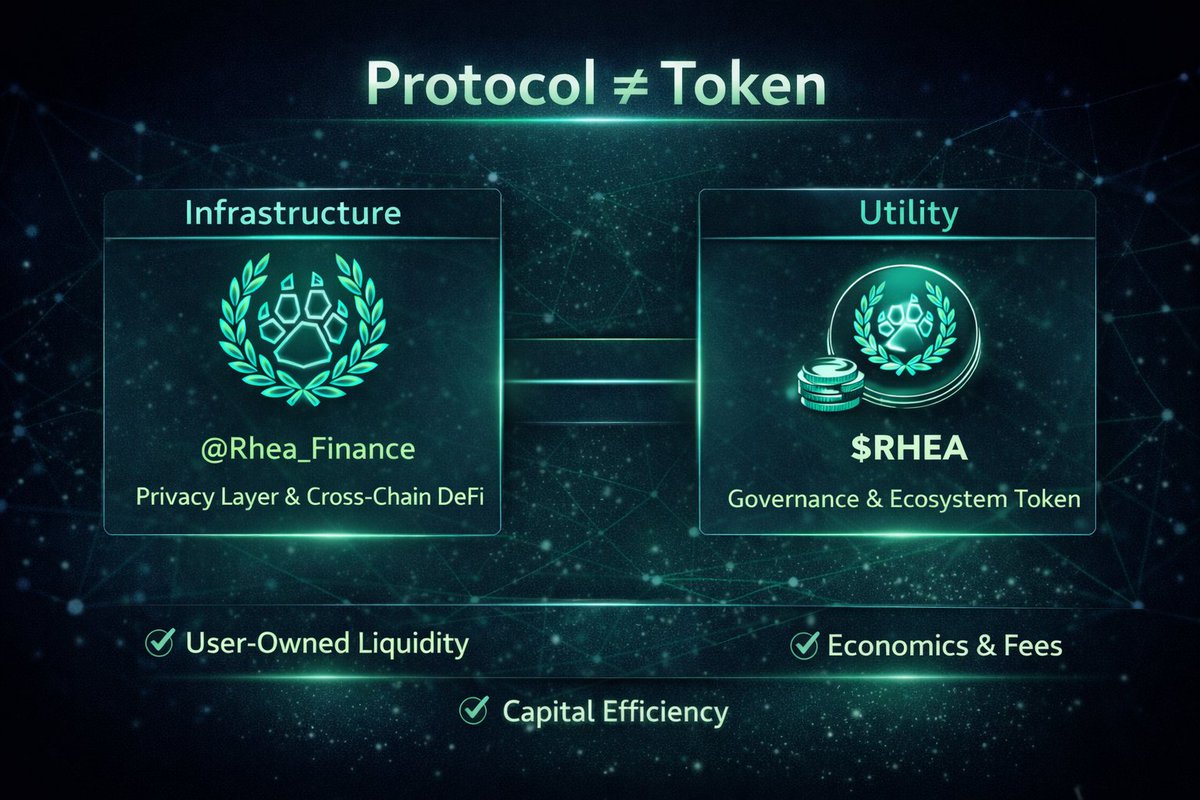
@Rhea_Finance → Privacy-centric DeFi & cross-chain infrastructure
$RHEA → Utility token (governance, fees, ecosystem mechanics)
Infrastructure first. Token utility aligned. https://t.co/ZWMRMQR7yJ
Forward-thinking protocols embed these wallets natively. Imagine perps DEXs gating leverage by proof-of-balance, or AMMs verifying LP qualifications anonymously. Nethermind’s finance angle rings true: ZK shields flows while proving compliance, drawing institutions wary of public ledgers.
Charting DeFi’s ZK Trajectory
By late 2026, expect ZK credentials to underpin 40% of DeFi TVL, per my hybrid strategy lens. Billions Network’s enterprise pivot signals mass adoption; zkID’s EUDI push globalizes it. Challenges like proof aggregation yield to innovations like recursive ZK, compressing verifications.
Users gain sovereignty: own your data, prove what matters, revoke anytime. Developers build faster with ZKCredWallet’s primitives. DeFi evolves from pseudonymous chaos to verifiable privacy, rewarding patient allocators. As markets mature, zero knowledge wallet Web3 tools like these ensure sustainable edges, blending risk control with explosive upside.
Explore anonymous verifiable credentials today; the privacy edge awaits those who claim it first. ZKCredWallet positions you at DeFi’s guarded gates, proving attributes selectively for a trustless tomorrow.