ZK Verifiable Credentials Wallet for Private DeFi Onboarding: Verify Once Use Everywhere

In the high-stakes world of decentralized finance, onboarding remains a stubborn barrier. Users face repetitive KYC checks, data leaks, and privacy erosion every time they approach a new protocol. Enter ZK verifiable credentials wallets, the game-changer enabling private DeFi onboarding with ZK proofs. Verify once, then seamlessly prove compliance across platforms without exposing your data. This isn’t just tech hype; it’s a structural shift toward true self-sovereign identity in Web3.

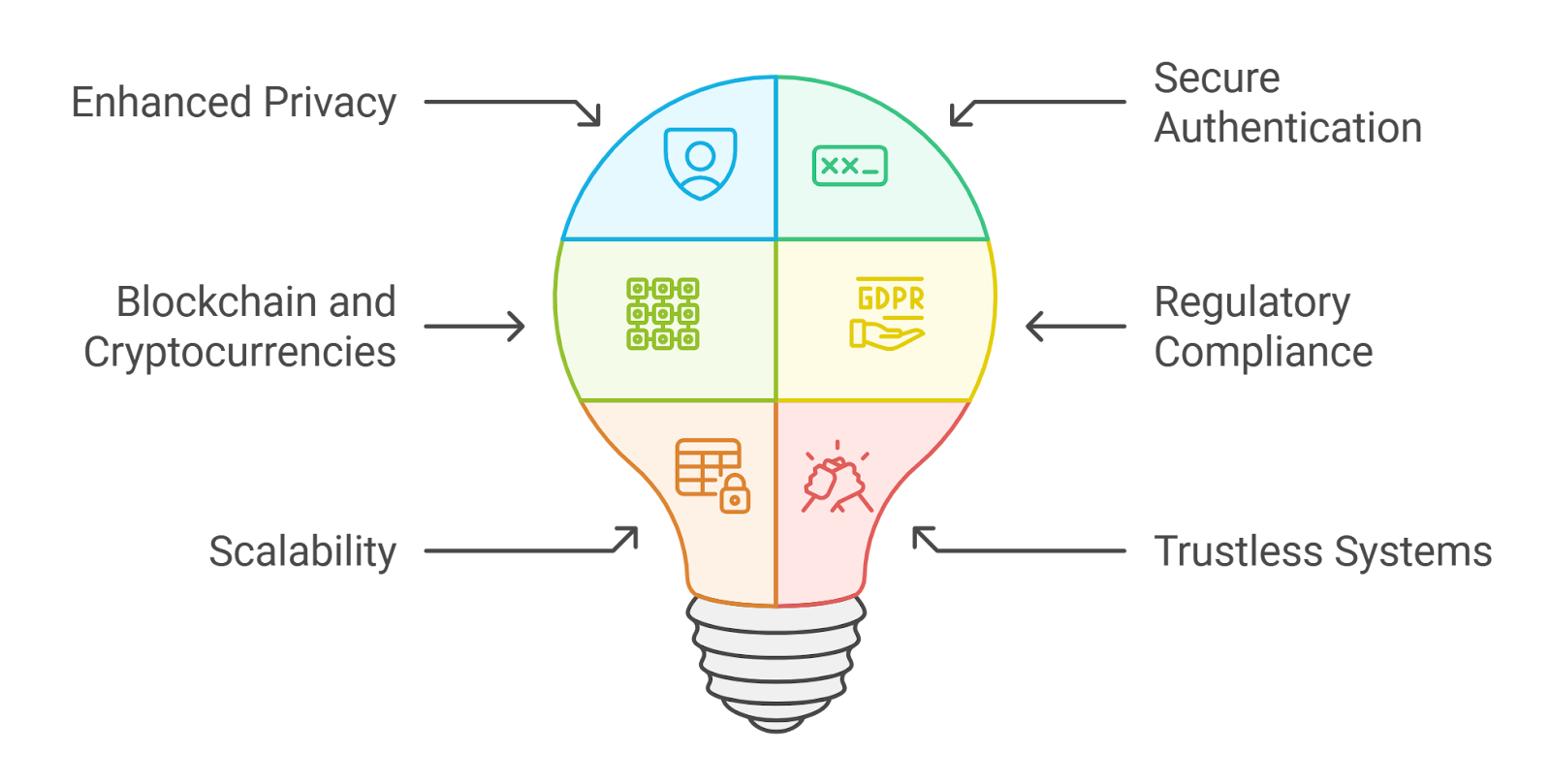
DeFi’s promise of borderless access crumbles under regulatory weight. Platforms demand endless identity verifications, turning fluid capital flows into bureaucratic slogs. Traditional wallets store keys, but they don’t handle attestations intelligently. Reusable verifiable credentials in Web3 fix this by packaging proofs into portable, privacy-preserving artifacts. Imagine attesting your age, residency, or KYC status once via a trusted issuer, then reusing that proof indefinitely. No more uploading passports to every dApp.
Breaking Down KYC Fatigue in DeFi
Current DeFi entry points force users into a cycle of disclosure. Centralized exchanges hoard personal data, breeding hacks and surveillance. Even permissionless protocols retrofit AML gates, fragmenting liquidity. Deutsche Bank’s analysis underscores verifiable credentials as enablers of automated KYC and AML, porting proofs to sidestep repetitive hurdles. Yet, without zero-knowledge layers, these credentials risk mirroring Web2 flaws.
Privacy-conscious traders know the drill: one breach cascades across ecosystems. Zero knowledge identity for DeFi flips the script. Users generate succinct proofs attesting to facts – “over 18,” “KYC-compliant, ” “US non-resident” – verifiable on-chain without revealing underlying data. Projects like Self’s zk Passport app demonstrate this, securing portable identities with ZKPs akin to advanced Web3 cryptography. Google Wallet’s ZKP age verification for apps like Bumble signals mainstream traction.
Key Advantages of ZK VC Wallets
-
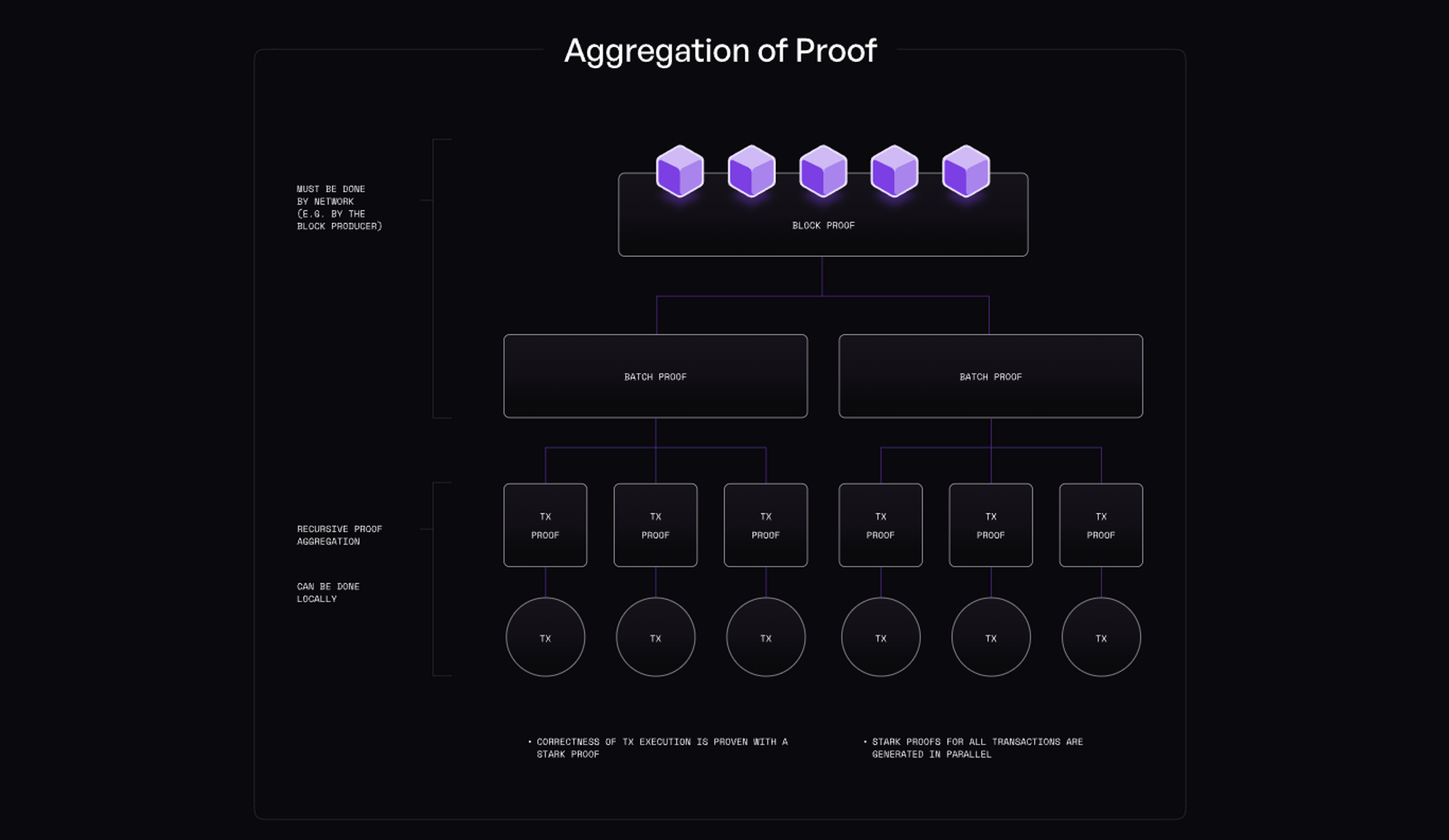
1. Reuse proofs across DeFi platformsZK verifiable credentials enable portable identity proofs, as in Altme Wallet on Polygon or Verida‘s interoperable solutions, allowing one-time verification for multiple DeFi apps without repetition.
-
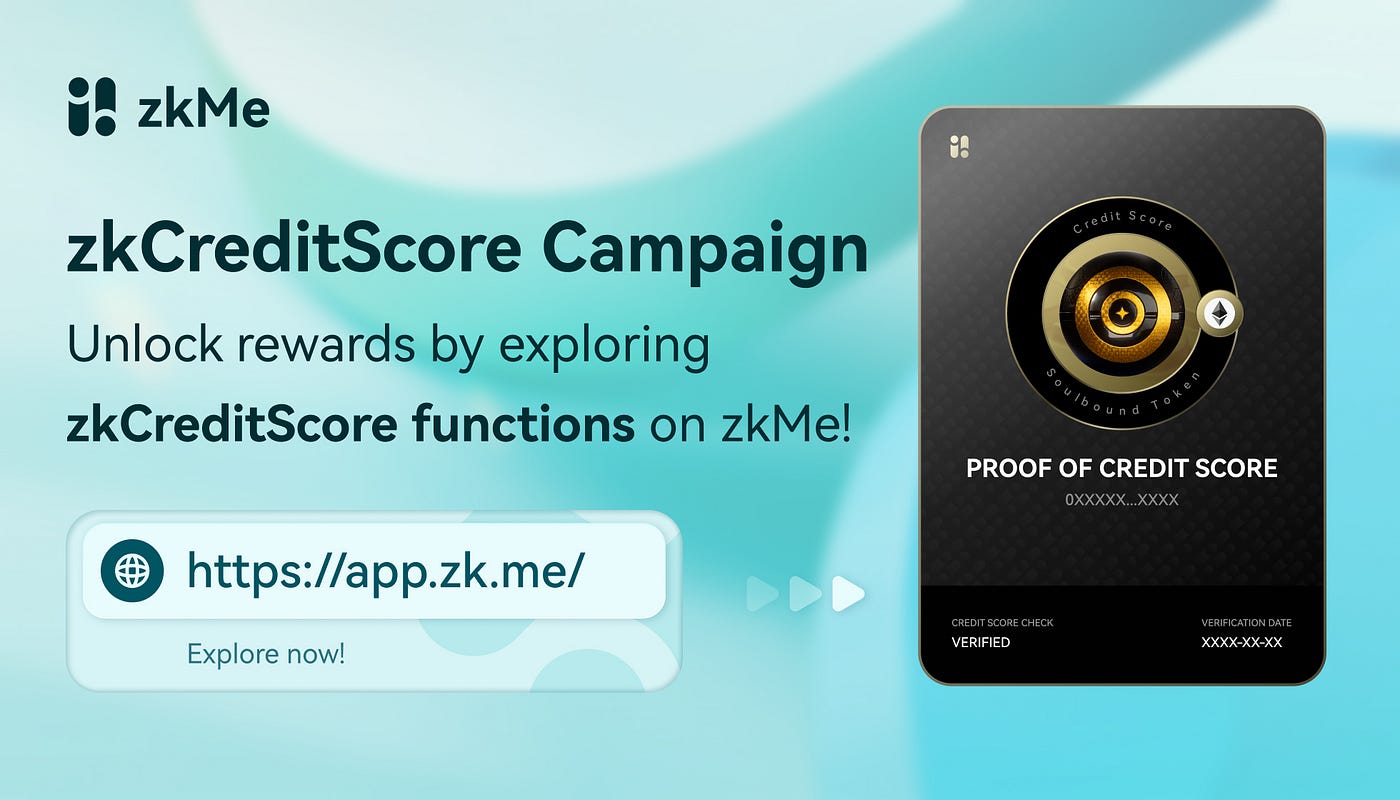
2. No personal data exposureZero-knowledge proofs verify attributes like age or KYC status without revealing underlying data, exemplified by zkMe Protocol‘s MPC-secured SSI wallet and zkID by ZKVerge for anonymous compliance.
-

3. Compliance without centralizationAchieve KYC/AML via decentralized proofs, as in Billions Network & Tria partnership for private DeFi onboarding and Deutsche Bank’s automated controls.
-
4. Enhanced user sovereigntyUsers control their data with self-sovereign wallets like Self zk Passport, managing portable ZK-secured identities across Web3 without intermediaries.
-
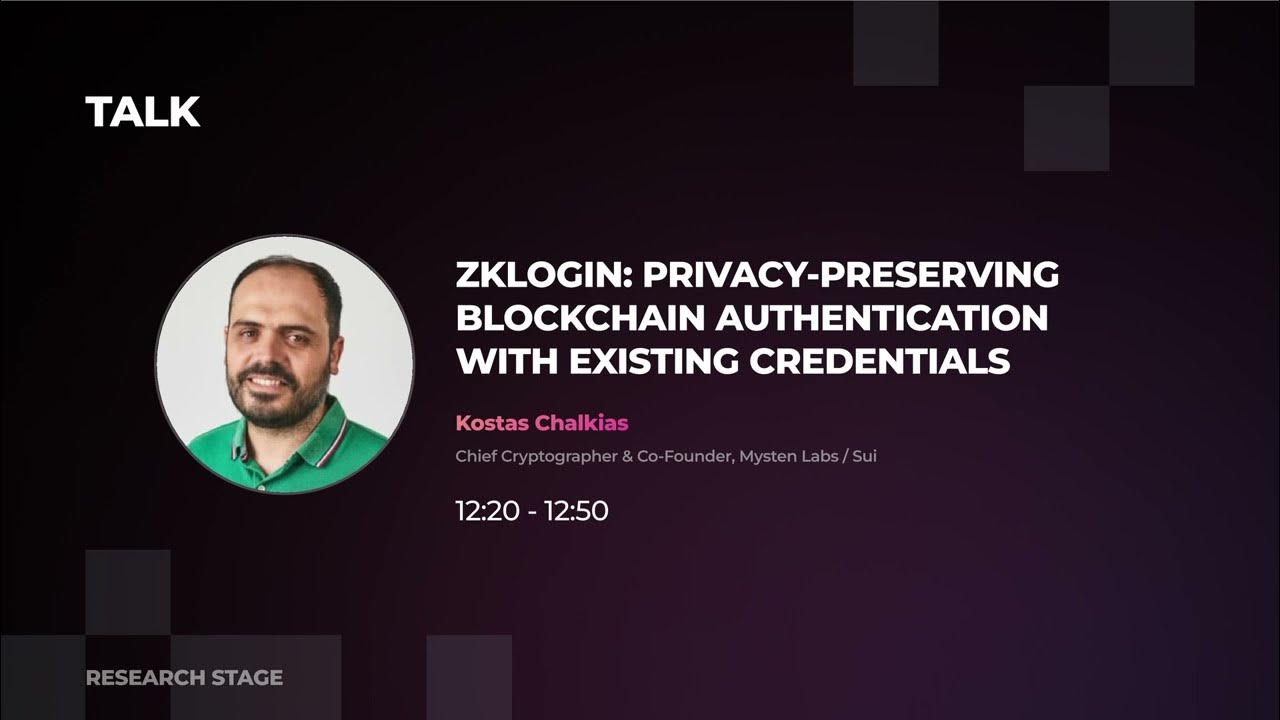
5. Reduced onboarding frictionStreamline access with zkLogin using platform tokens (e.g., Google) or Google Wallet’s ZKP age verification, enabling seamless, privacy-preserving DeFi entry.
Mechanics of Zero-Knowledge Proofs in Credentials
At core, zero-knowledge proofs let provers convince verifiers of a statement’s truth sans additional info. In credentials, this manifests via SNARKs or STARKs transforming issuer-signed attestations into compact proofs. Take zkLogin: it harnesses OAuth tokens from Google or Facebook, bundling them into ZK evidence for blockchain auth. No identity linkage persists on-chain.
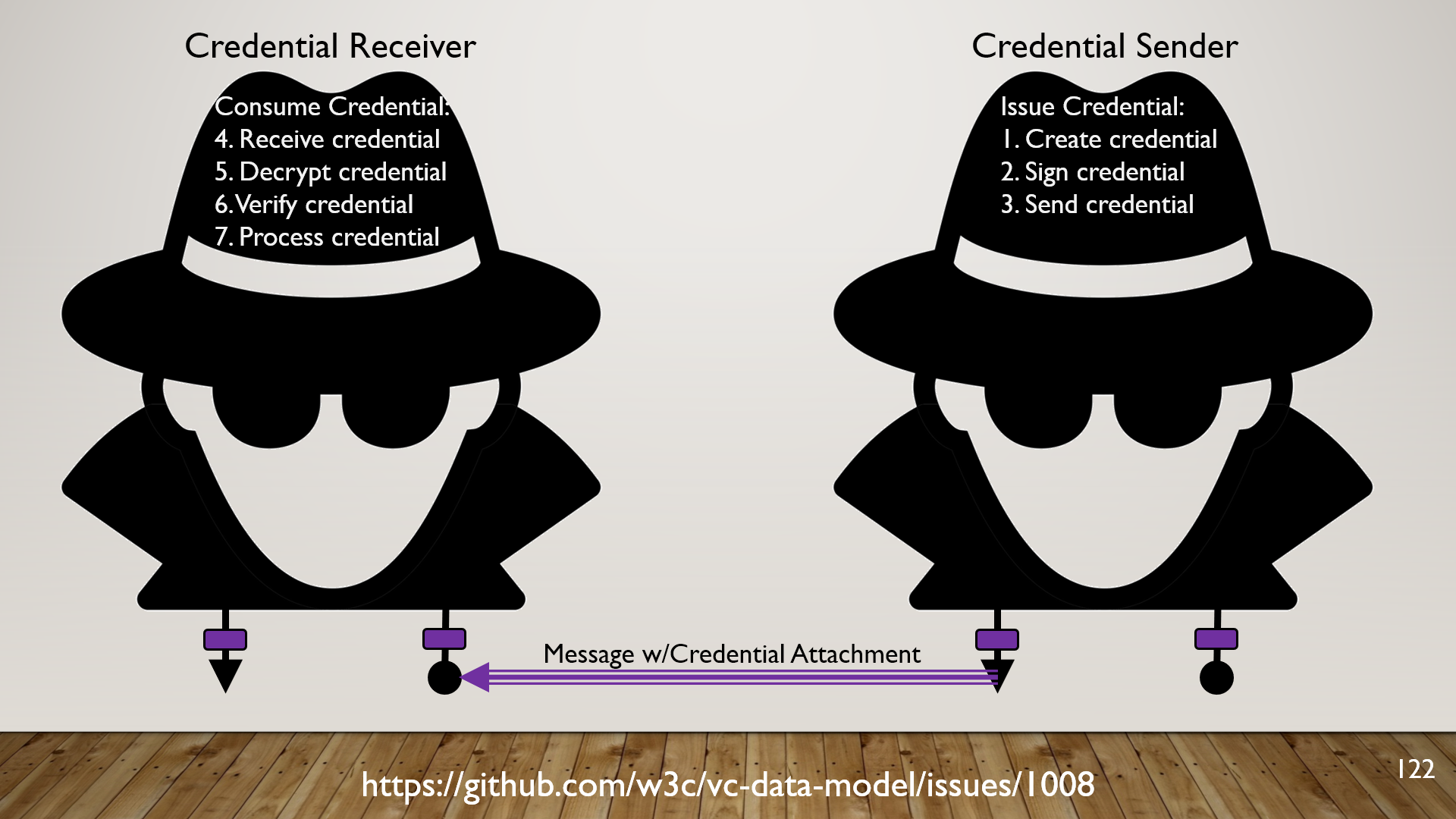
Consider a verifiable credentials privacy wallet workflow. A regulator or bank issues a credential encoding your compliance status. Your wallet computes a ZK proof proving “I hold a valid credential matching these attributes” for a DeFi lender. The protocol verifies instantly, grants access, and discards the proof. Academic work like ZKlaims refines this, using SNARKs for attribute-based presentations from third-party credentials without content leaks.
Zero-knowledge proofs stand at the forefront of blockchain identity innovation, enabling mathematical verification of facts without disclosing personal details. – DappRadar on Digital Identities
Trailblazing Wallets Reshaping DeFi Access
Altme Wallet pioneers in Polygon, issuing ZKPs for age and residency to unlock restricted services compliantly. Users tap into DeFi without data dumps. zkMe’s SSI wallet leverages MPC for anonymized storage, verifying credentials from entities like governments sans PII exposure. zkID by ZKVerge targets KYC/AML proofs, decoupling documents from wallets for seamless DeFi integration.
Verida’s interoperable solutions bridge issuers and verifiers, supporting ZK proofs alongside KYC and licenses. Partnerships like Billions Network with Tria in 2025 launched ZK KYC for credit cards, paving private verifiable paths. ZK-TanitID offers enterprises eligibility checks minimizing liability. These aren’t silos; they form an ecosystem where one verification fuels everywhere access. For deeper dives on portable on-chain identity solving KYC fatigue, check this resource. Self-sovereign setups shine in ZK identity wallets.
Developers gain too. zkLogin streamlines auth, while ZK-TanitID replaces PII silos. The result? DeFi onboarding shrinks from days to minutes, privacy intact. As adoption swells, expect these wallets to dominate, rewarding patient builders with network effects.
Builders embedding these tools sidestep the pitfalls of legacy identity systems, crafting protocols that scale with user trust rather than extract it. Commodities markets thrive on verifiable scarcity; DeFi will mirror this through ZK verifiable credentials wallets, where proofs act as unforgeable chits of compliance.
Overcoming Hurdles to Mainstream Adoption
Interoperability tops the list of skeptics’ concerns. Siloed credentials falter if chains can’t converse. Yet, standards like those in Verida’s network knit issuers across ecosystems, while Polygon-backed Altme ensures cross-dApp utility. Scalability bites too – SNARK generation demands compute – but layer-2 optimizations and hardware accelerators erode this edge. zkMe’s MPC fortifies against single points of failure, distributing key management for robust resilience.
Strategies Accelerating ZK Credentials in DeFi
-
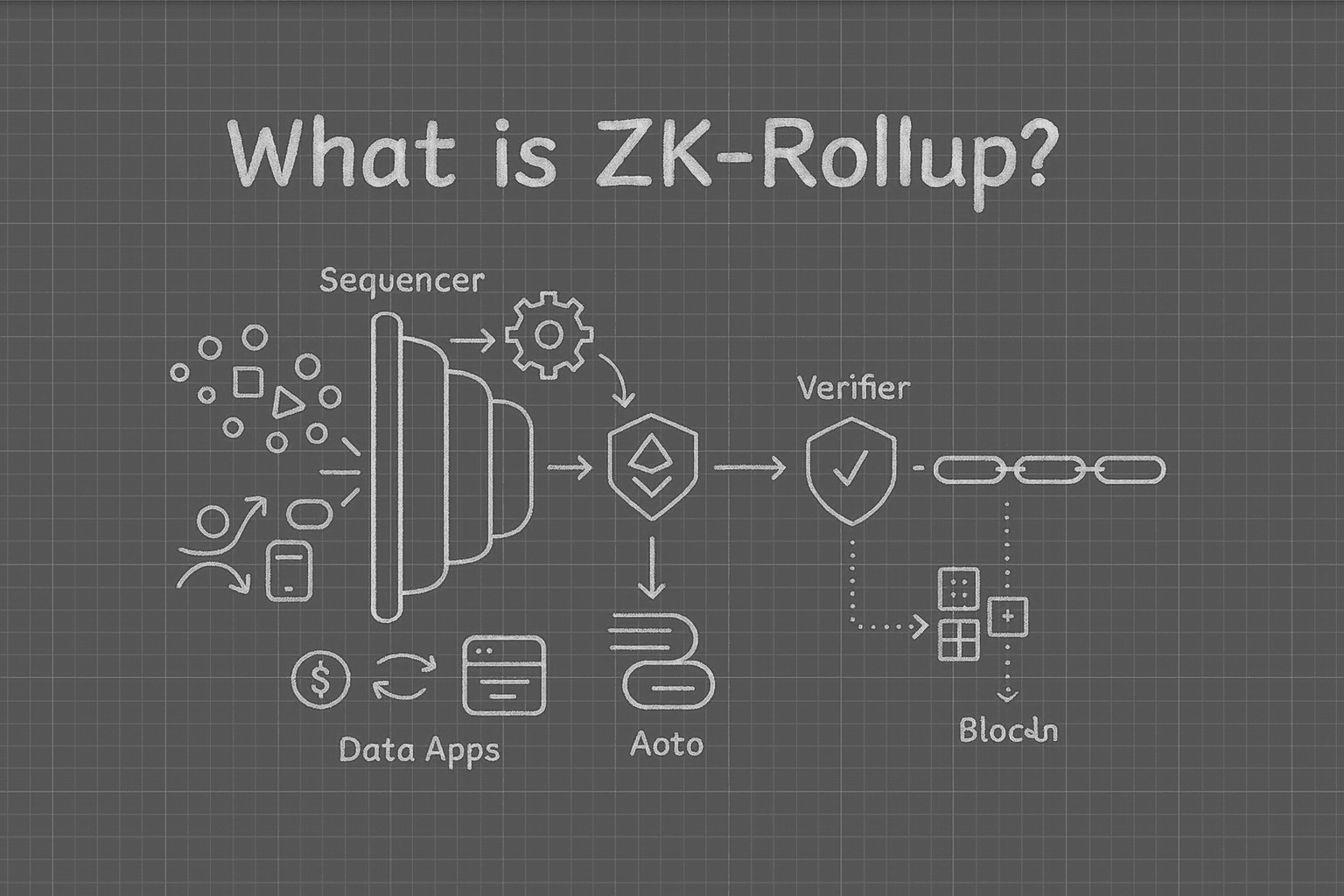
2. Layer-2 integration for cheap ZK proofs, as in Altme Wallet on Polygon ecosystem, reducing costs for DeFi verification while maintaining privacy.
-
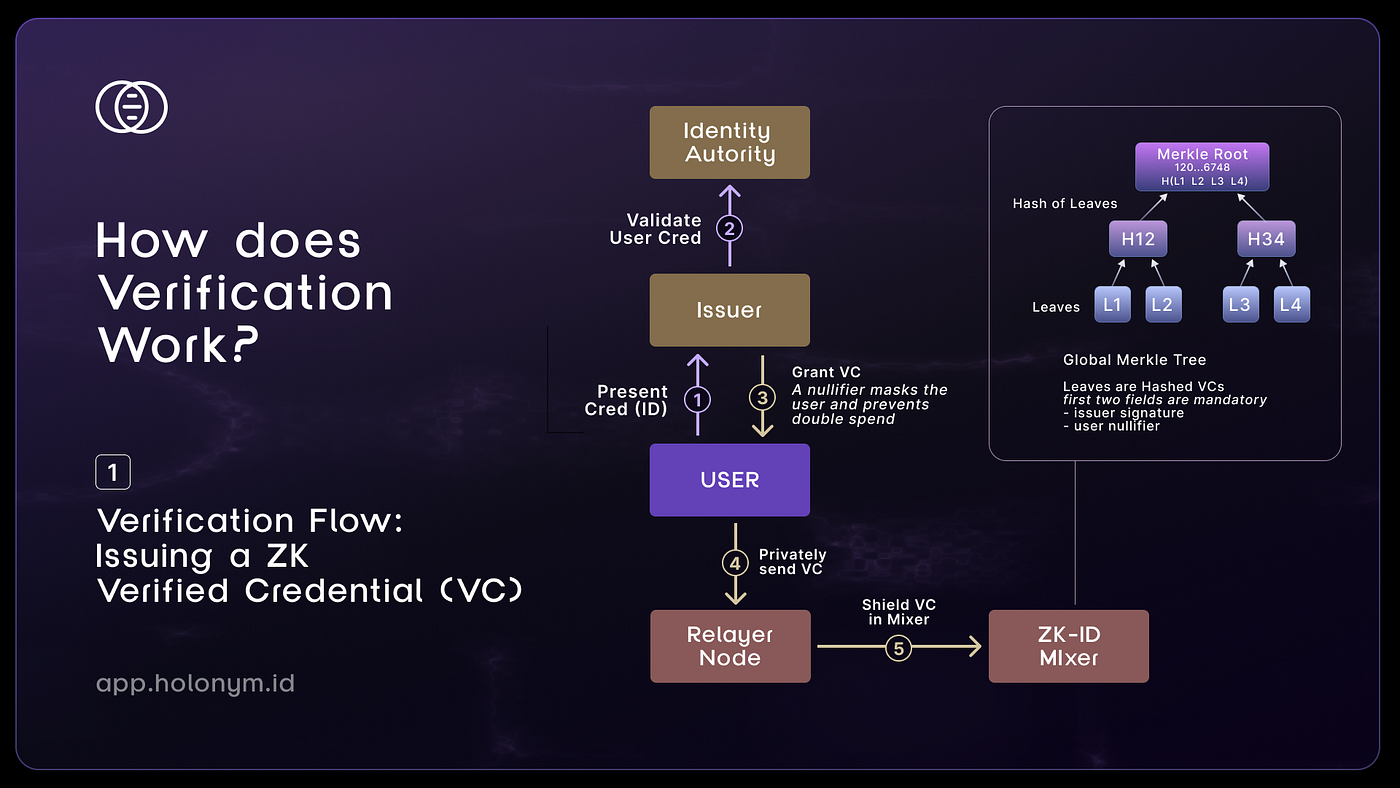
3. Trusted issuer networks leveraging credentials from verified entities, like zkID by ZKVerge and ZKlaims SNARKs, ensuring DeFi compliance without PII exposure.
-
4. User-friendly mobile apps like Self zk Passport, zkMe Protocol wallet, and Google Wallet ZKP age verification for easy private onboarding.
-
5. Regulatory sandboxes testing compliance, such as Billions Network-Tria zk-KYC partnership for crypto credit cards, accelerating safe DeFi adoption.
Regulatory fog lingers, but frameworks evolve. EU’s MiCA nods to reusable proofs, and US pilots eye ZK for streamlined AML. Billions Network’s Tria tie-up proves viability in credit products, blending privacy with audit trails. Projects like ZK-TanitID shield enterprises from PII liabilities, validating eligibility sans storage burdens. These aren’t hypotheticals; they’re battle-tested ramps to compliant scale.
For user experience upgrades with on-chain attested KYC, explore this analysis. It spotlights how attested credentials cut repetition, aligning with private DeFi onboarding ZK proofs.
ZKCredWallet: Pinnacle of Verifiable Credentials Privacy
Amid this surge, ZKCredWallet. com stands unrivaled. Tailored for the discerning, it fuses cutting-edge ZK tech with intuitive management, letting you store attestations securely and prove attributes selectively. No more juggling apps; one wallet handles KYC from banks, age from services, residency from oracles – all verifiable trustlessly. Developers embed our SDKs effortlessly, supercharging dApps with reusable verifiable credentials Web3.
Privacy reigns supreme. Unlike basic wallets, ZKCredWallet computes proofs client-side, shielding data from nodes or issuers post-verification. DeFi lenders query “KYC-passed?” and get instant yes/no, fueling loans sans dossiers. Traders prove accreditation for high-leverage pools, bypassing gatekeepers. This zero knowledge identity DeFi ethos extends to DAOs, games, and beyond, where credentials unlock tiers without doxxing.
Real traction builds. Imagine swapping into yield farms post-single verification, or minting NFTs gated by professional creds – all private. Google Wallet’s ZKP foray hints at convergence; ZKCredWallet accelerates it for blockchain natives. zkID’s wallet decoupling inspires our architecture, ensuring no wallet links betray you.
Charting the Path Forward
Visionaries see ZK credentials as DeFi’s nervous system, pulsing verifications across chains. With zkLogin bridging Web2 logins to on-chain proofs, mass onboarding beckons. Academic rigor in ZKlaims fortifies selective disclosure, while apps like Self zk Passport polish the interface. Expect explosive growth: protocols mandating ZK compliance will capture sober capital, marginalizing data vampires.
Patient observers – those heeding supply chain verities in identity – position now. ZKCredWallet equips you for this paradigm, where privacy compounds like quality collateral. Secure your edge in Web3’s compliant frontier; the proofs await activation.