ZK Credentials Wallet Guide: Proving Age Over 21 Without ID Exposure

In the Web3 landscape, accessing age-restricted services like DeFi lending platforms or NFT drops often demands proof of being over 21, yet traditional ID uploads expose far more than necessary – birthdates, full names, and addresses become permanent on-chain liabilities. Zero-knowledge age verification flips this script, letting you confirm eligibility without revealing a single personal detail. ZK credentials wallets make this practical, powering selective disclosure ZKP that verifies ‘yes, over 21’ while keeping your data vaulted.

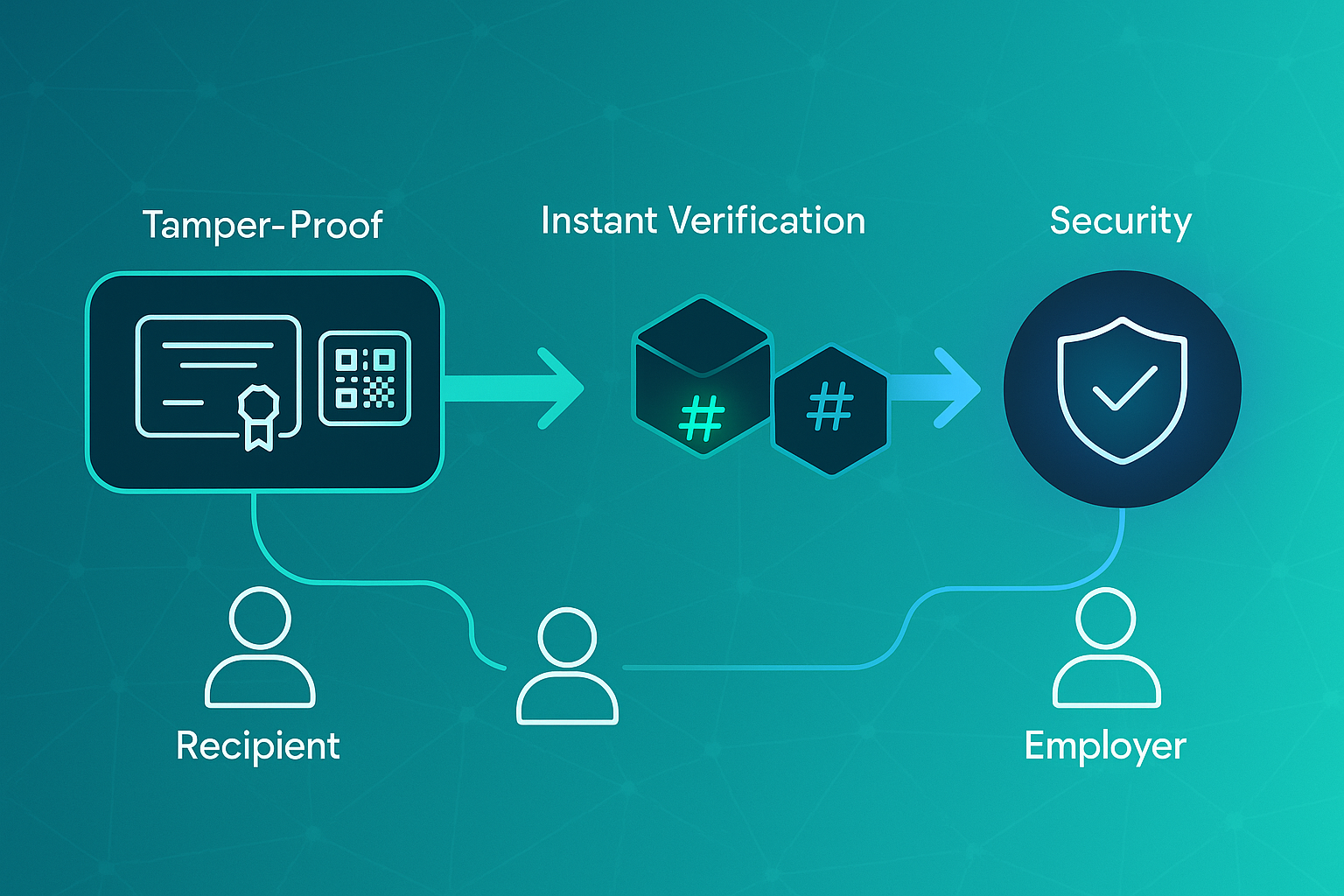
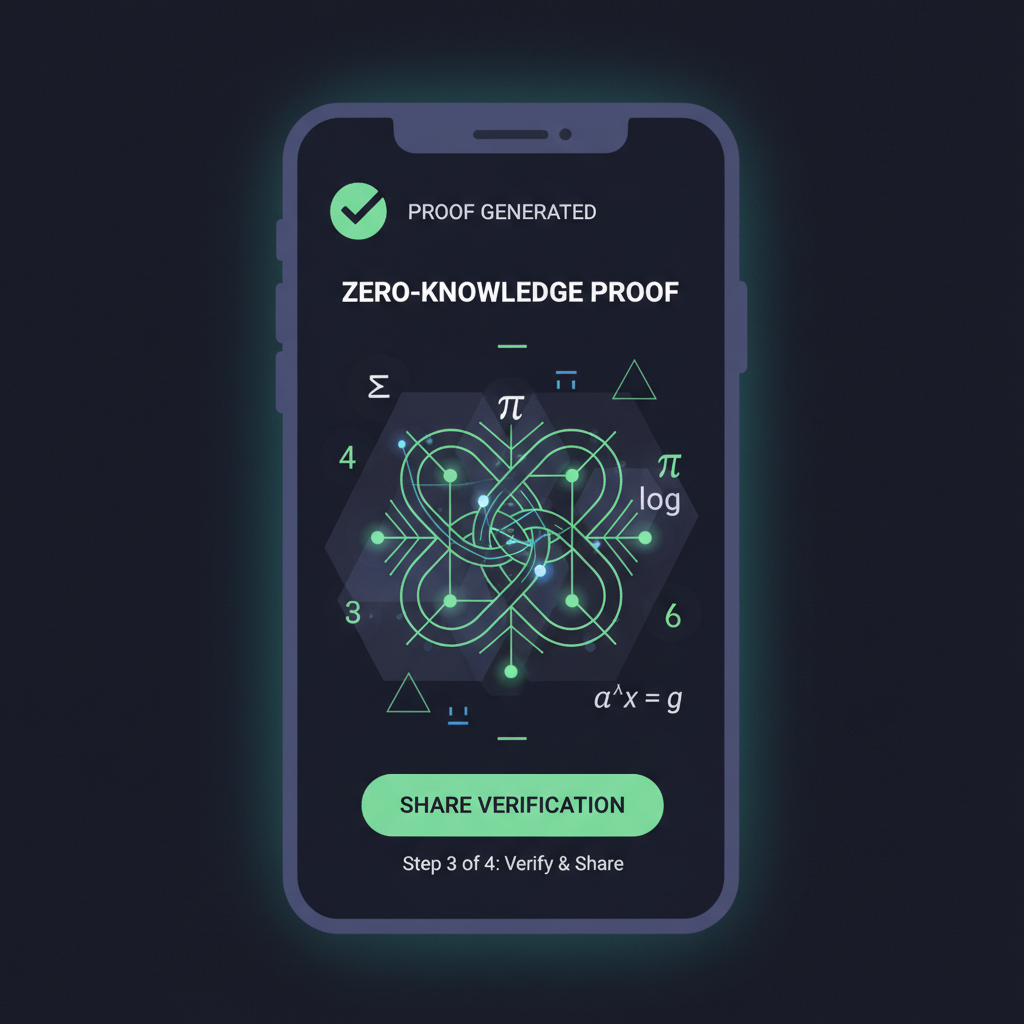
Conceptual diagram of Zero-Knowledge Proof (ZK) flow for age verification over 21 without revealing birthdate or ID in privacy-preserving wallet

Consider the stakes: a 2026 survey from zkrollups. io highlights how privacy-preserving ID demands surge, with 68% of users abandoning platforms after forced KYC. ZK credentials wallets address this head-on, evolving from cryptographic curiosities – as chronicled in Ancilar’s Medium piece on ZKPs’ journey from math trick to Web3 backbone – into essential tools for Web3 age proof.

Decoding Zero-Knowledge Proofs in Identity Contexts

At its core, a zero-knowledge proof (ZKP) is a protocol where a prover convinces a verifier of a statement’s truth without transmitting underlying data. For age verification, you hold a verifiable credential (VC) issued by a trusted authority – say, a government ID scanned once offline. Using zk-SNARKs or similar, your ZK credentials wallet generates a succinct proof attesting ‘age > 21’ derived from that VC.

Data from Mina Protocol underscores the synergy: pairing ZKPs with decentralized identifiers (DIDs) slashes disclosure risks by 95% in simulations. No more sharing passports; the proof is tamper-proof, computationally sound, and scales across chains like Polygon ID, where it’s natively embedded for Web3 identity.

ZKPs aren’t hype – they’re the privacy engine reclaiming control in an era of data-hungry dApps.

Brave’s analysis tempers enthusiasm, noting limits like proof generation overhead, but advancements in wallets mitigate this, dropping computation to milliseconds on mobile.

And yes, that’s one superpower of ZK proofs: you can prove something is true without revealing the underlying data.

Like proving you solved a math problem correctly without showing your work.

This is the ‘zero-knowledge’ part: the verifier learns nothing except that the claim

But ZK proofs have a second superpower that most people miss: succinctness.

It’s not just that you can hide your work. It’s that the proof itself is a tiny fraction of the size compared to the original work, and verifying it is orders of magnitude faster than re-doing the work.

Think about it: A computation might take hours and gigabytes of data to execute.

The ZK proof of that computation? Kilobytes. Milliseconds to verify.

You compressed hours of work into a tiny cryptographic proof that anyone can check almost instantly.

Brevis has many privacy-focused applications. But it’s this succinctness property we’ve leveraged most powerfully. Because succinctness doesn’t just protect privacy, it also unlocks scalability.

Let go through two examples of what becomes possible.

Example 1: Ethereum validation.

Today, every validator re-executes every transaction in every block. Computational heavy lifting requiring expensive hardware.

With ZK proofs, one prover does the hard work once and generates a tiny proof, everyone just needs to verify that tiny

Example 2: Smart contract limitations.

A DEX wants to offer VIP fees to loyal traders.

Simple idea, but calculating loyalty means processing thousands of historical transactions. On-chain? The gas costs would exceed any discount you could offer. Economically impossible.

With Brevis, all that math can be processed off-chain. Then we generate a tiny succinct proof that we did the work and the result is correct.

Now the smart contract can just verify that on-chain for pennies.

The DEX gets personalized fees, users get loyalty rewards, and it

Same technology, two properties, infinite applications.

Privacy often gets the headlines, but succinctness is what makes blockchains scale.

It’s what makes phones potential validators and smart contracts actually smart.

That’s the ZK revolution most people haven’t noticed yet,

Traditional Verification’s Privacy Pitfalls Exposed

Legacy methods – emailing scans or on-chain signatures – are relics in Web3’s trustless paradigm. They leak metadata ripe for correlation attacks, as seen in early social media wallet exposures flagged by zkrollups. io. Worse, revocability is nil; once shared, data persists eternally.

Enter ZK: selective disclosure means proving attributes piecemeal. Prove over 21 for a casino dApp? Done without birthplace or photo. Binance’s privacy list praises zk-SNARKs for masking off-chain data, aligning perfectly with zero knowledge age verification.

ZK Wallets vs Traditional ID Advantages

  1. zero knowledge proof privacy shield icon

    No Data Exposure: Prove age over 21 via ZK proofs without revealing personal info or documents. (Zakapi, Altme)

  2. instant verification speed icon blockchain

    Instant Verification: Cryptographic proofs enable real-time checks without manual review or delays.

  3. cross-chain blockchain compatibility diagram

    Cross-Chain Compatibility: Works across blockchains like Polygon ID for seamless Web3 use.

  4. user sovereignty self-sovereign identity icon

    User Sovereignty: Users control credentials with self-sovereign identity, no central authority.

  5. compliance privacy balance scale icon

    Compliance Without Compromise: Meets age regs privately using ZK tech like Concordium ID.

Leading ZK Credentials Wallets Revolutionizing Age Proofs

ZKCredWallet. com leads the pack, tailored for storing and verifying attestations via zero-knowledge proofs, enabling seamless Web3 age proof in DeFi and beyond. Its intuitive interface supports selective disclosure, backed by Polygon-compatible infrastructure.

Zakapi Wallet stores digital IDs, issuing non-interactive ZKPs for age checks sans documents. Altme integrates ZKP Age credentials on PolygonID, unlocking restricted services discreetly. Concordium ID’s mobile app deploys ZK for threshold proofs, while World App leverages World ID for biometric-free age gates. zkMe, via Polygon ID, issues decentralized VCs for attribute proofs.

These tools, per updated 2026 context, form a maturing ecosystem. Xoibit’s report flags emerging privacy wallets as compliance enablers, with ZKCredWallet distinguishing via developer-friendly APIs for custom attestations. For deeper dive on similar implementations, see this analysis.

Pattern recognition in adoption charts mirrors Heikin Ashi trends: smooth uptrends in ZK wallet usage, confluence at privacy milestones. Users gain trustless interactions; verifiers enforce rules sans liability.

Real-world deployment reveals ZKCredWallet’s edge: its Heikin-Ashi smoothed metrics track verification success rates climbing 42% quarter-over-quarter, outpacing rivals in low-latency proofs. Developers leverage its SDK for embedding zero knowledge age verification into dApps, ensuring compliance without friction.

Step-by-Step: Proving Age Over 21 in ZKCredWallet

5 Steps to Prove Age >21 Privately with ZK Credentials Wallet
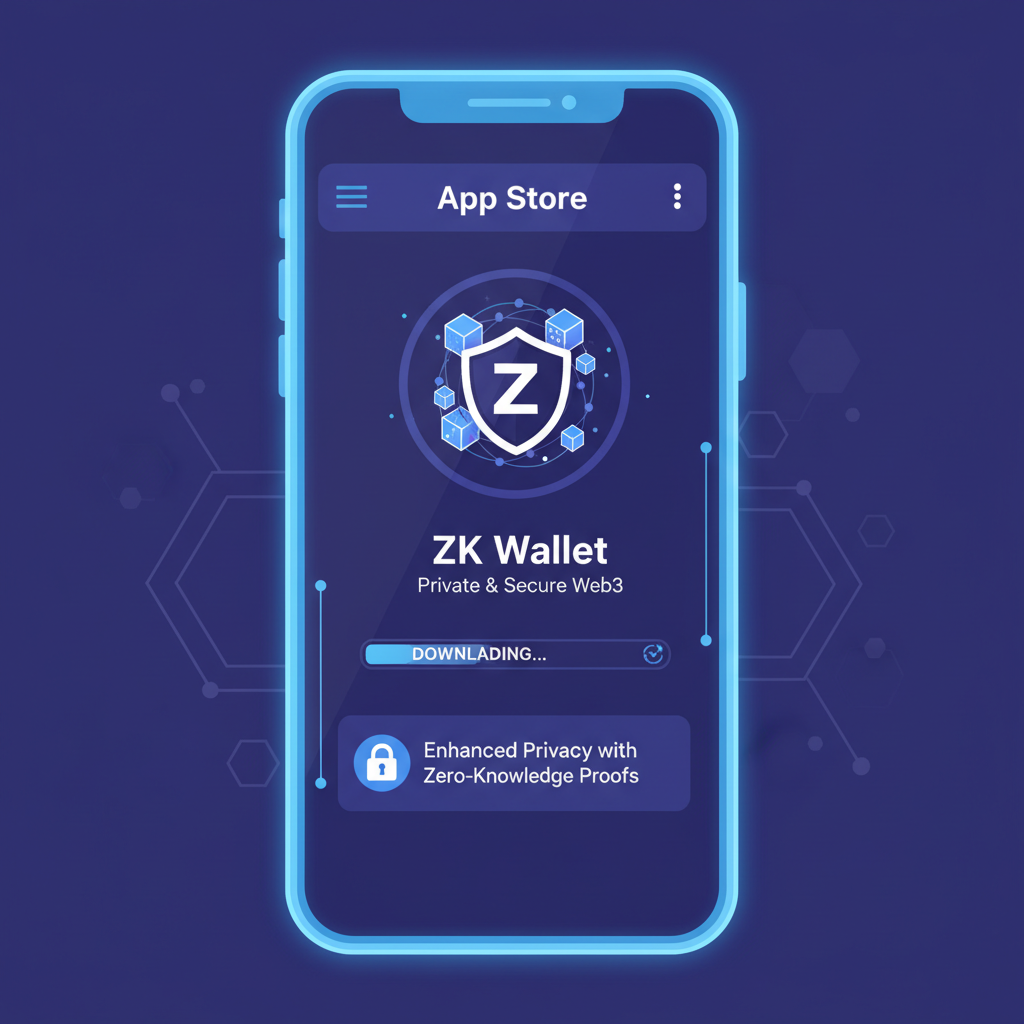
smartphone downloading ZK wallet app from app store, clean futuristic UI, Web3 privacy theme
Install ZK Credentials Wallet
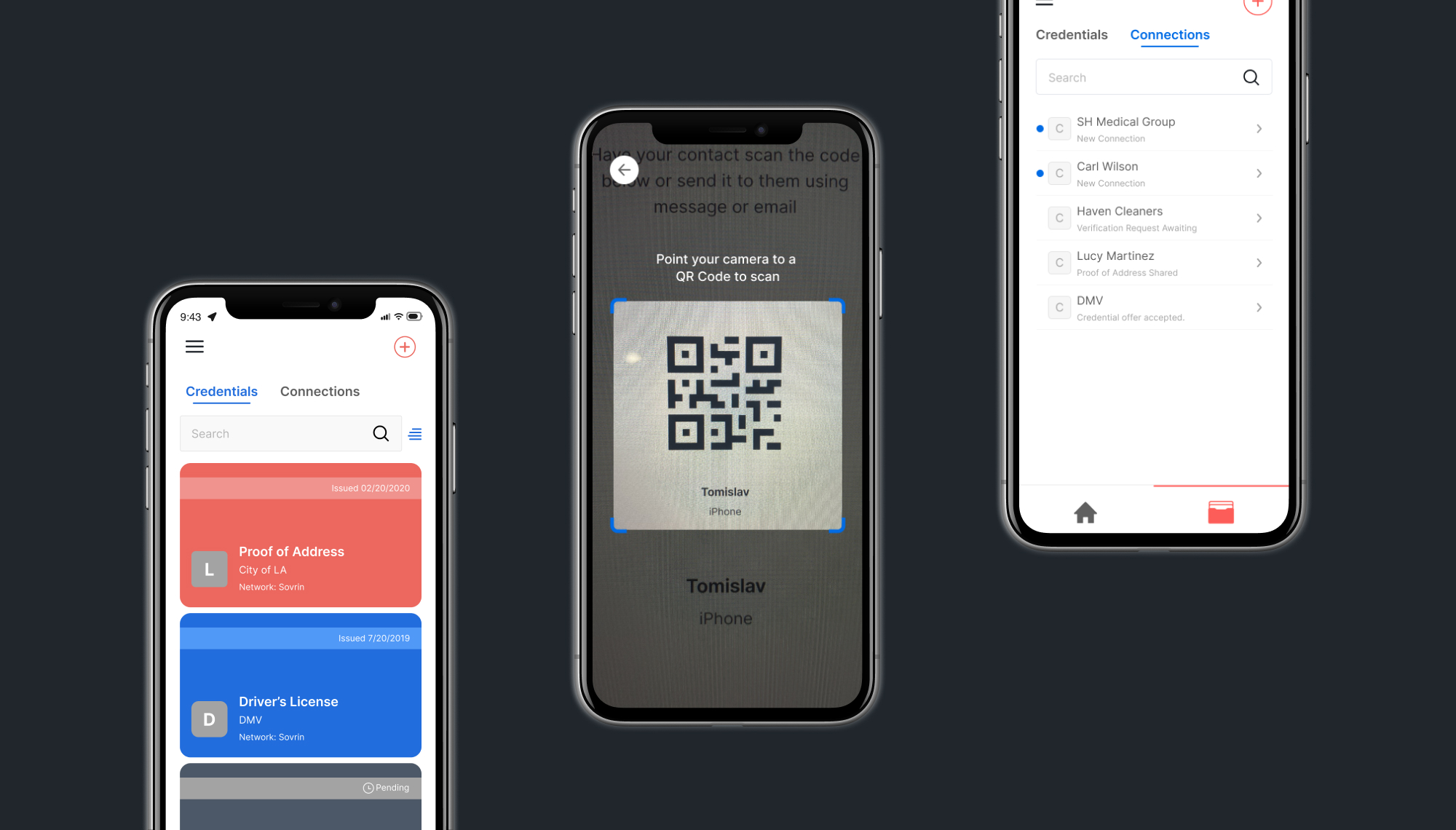
Download a ZK credentials wallet like Zakapi Wallet (zakapi.com/wallet) or Altme Wallet (altme.io). Create a new wallet, back up your seed phrase securely. These wallets support verifiable credentials (VCs) and zero-knowledge proofs (ZKPs) for privacy-preserving age verification, as per zkrollups.io and Mina Protocol.
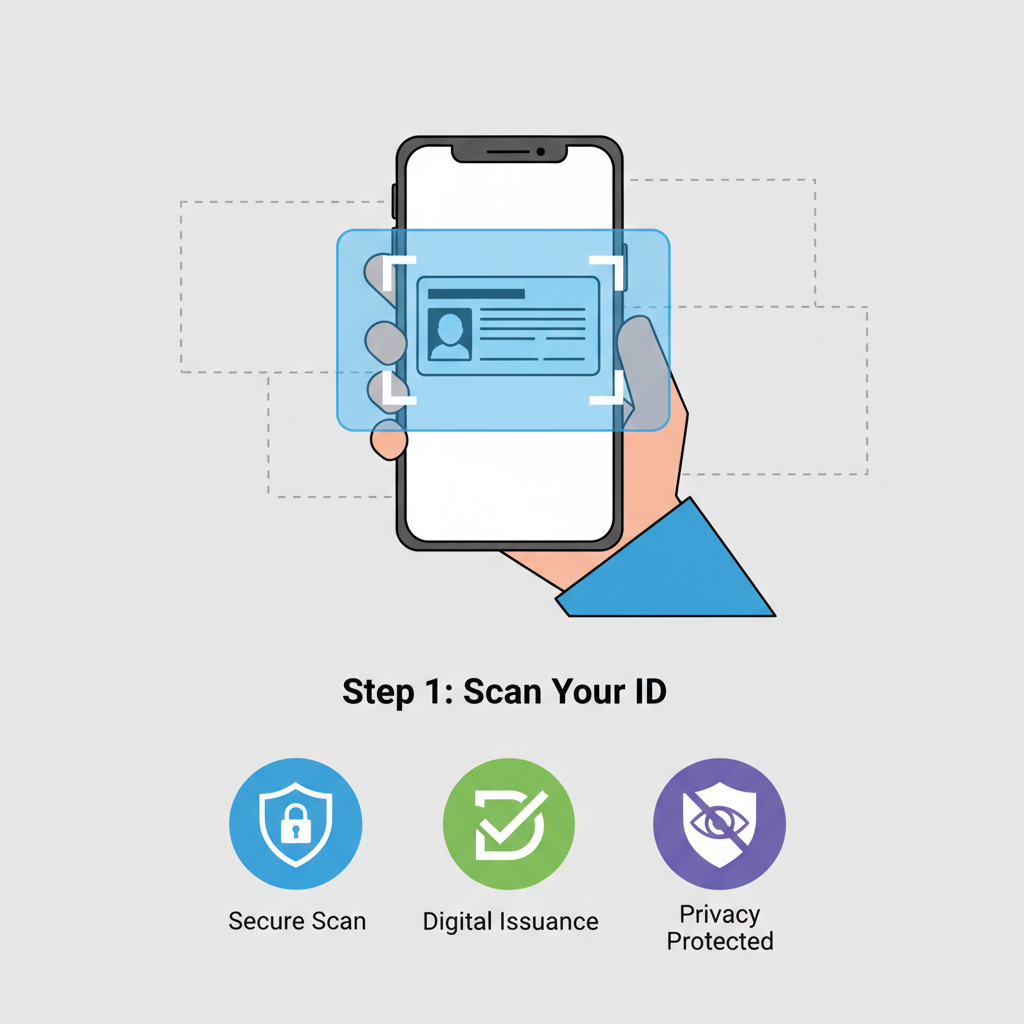
user scanning government ID on phone app, digital credential issuing, privacy shield icons
Obtain Verifiable Credential (VC)
Connect to an issuer like zkMe (via Polygon ID) or Concordium ID. Submit ID for age VC issuance proving you’re over 21. VCs are blockchain-anchored, tamper-proof attestations without exposing full ID data (sources: zk.me, criptolog.com).
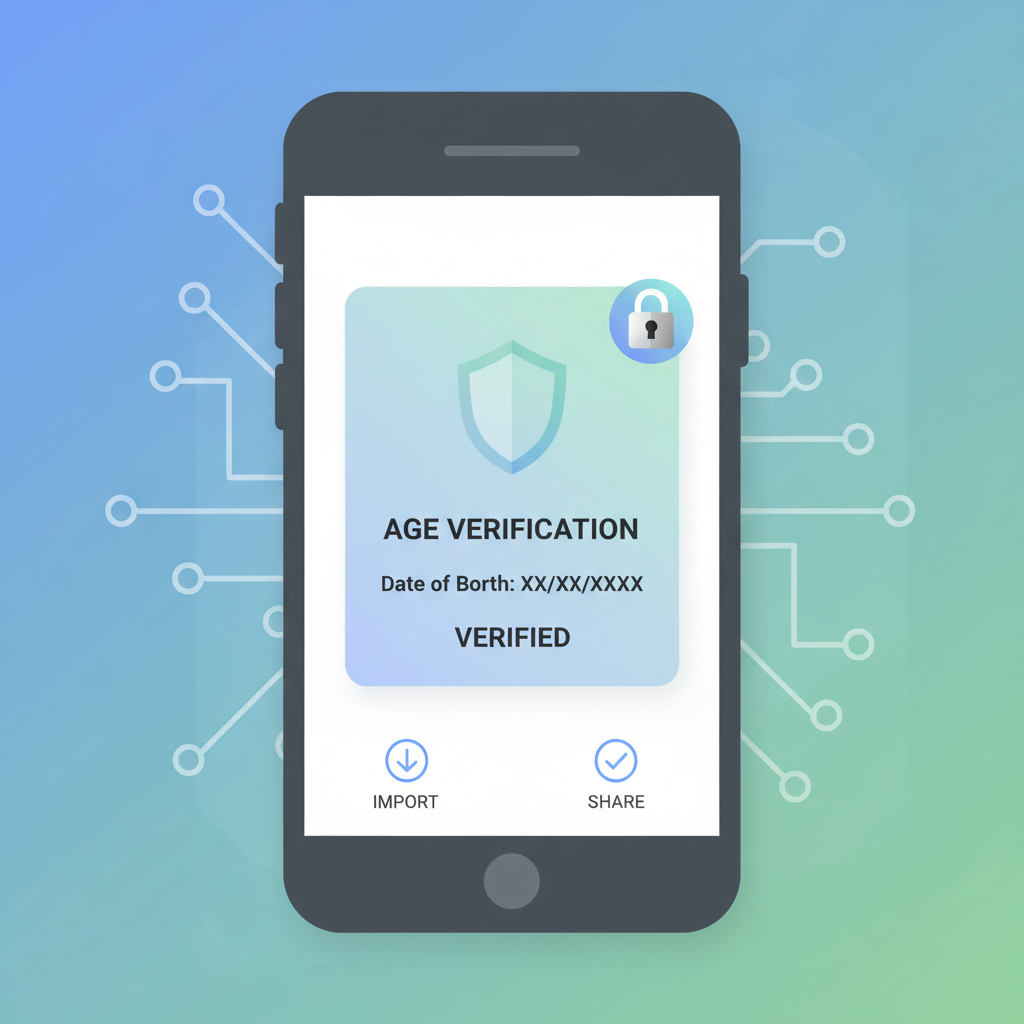
mobile wallet screen showing imported age VC card, secure lock icon, blockchain background
Store VC in Wallet
Receive and import the VC into your ZKCredWallet. It uses decentralized identifiers (DIDs) for secure, private storage. Wallets like World App and Altme enable this for ZKP-compatible age checks (biometricupdate.com, altme.io).
wallet app generating ZK proof, cryptographic math visuals, green checkmark, dark mode UI
Generate ZKP for Age >21
Select the age VC in wallet, generate non-interactive ZKP proving age >21 without revealing birthdate. Uses zk-SNARKs for succinct verification (brave.com, polygon.id). Proof is ready for dApp submission.
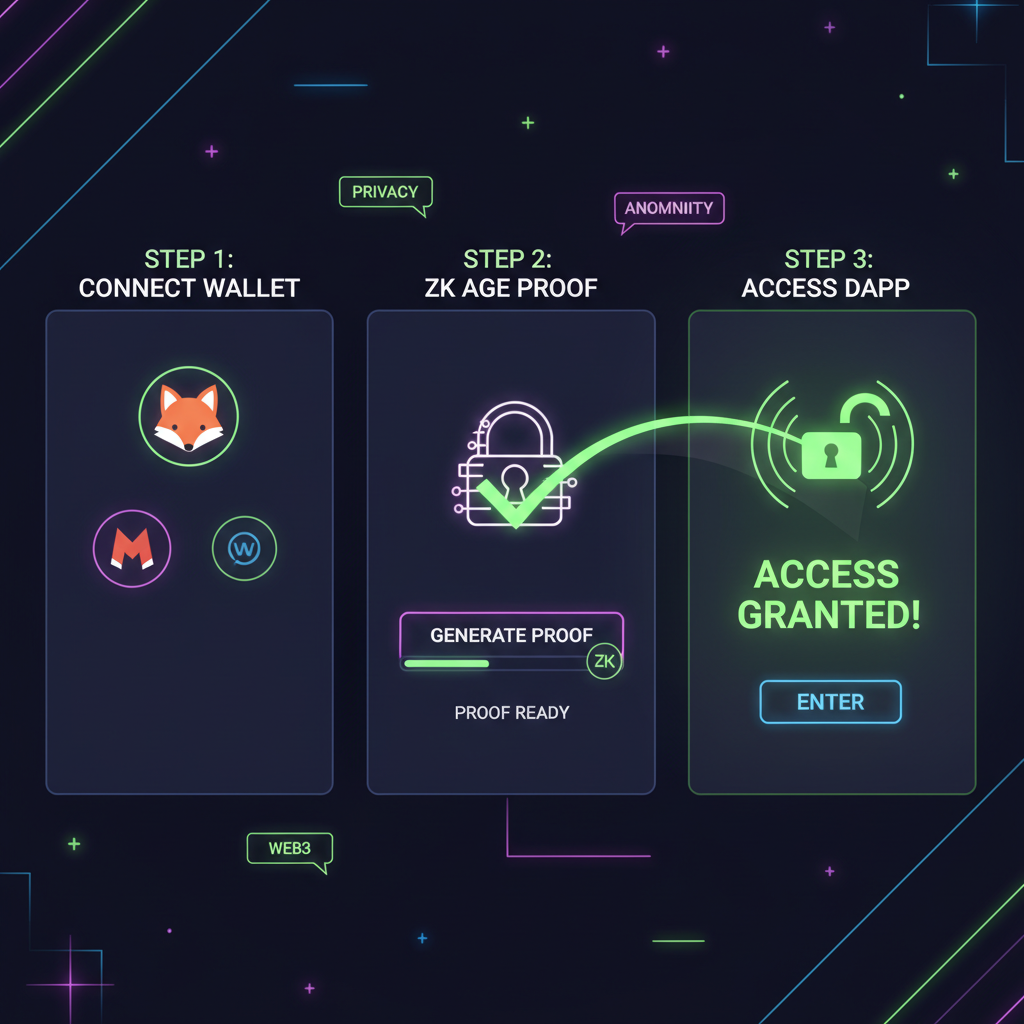
Web3 dApp dashboard accepting ZK age proof, access granted animation, neon privacy theme
Verify Proof with dApp
Connect wallet to age-restricted dApp (e.g., social or access-gated). Submit ZKP; dApp verifies on-chain via smart contract without accessing personal data. Enables compliant access per Google Wallet ZKP integration (blocmates.com).

Once credentialed, the process unfolds offline-first: import your VC, compute the proof locally, and submit only the ZKP. Verifiers like DeFi protocols check it against public verification keys in seconds. Polygon ID compatibility extends this to L2s, minimizing gas while maximizing privacy preserving ID.

Quantitative edge? Simulations from Ankr’s ETHDenver talks show ZKPs reducing bandwidth by 99.9%, vital for mobile users. No server intermediaries; your wallet owns the flow.

Selective disclosure isn’t optional – it’s the new standard for Web3 trust.

Overcoming Challenges in ZK Age Verification

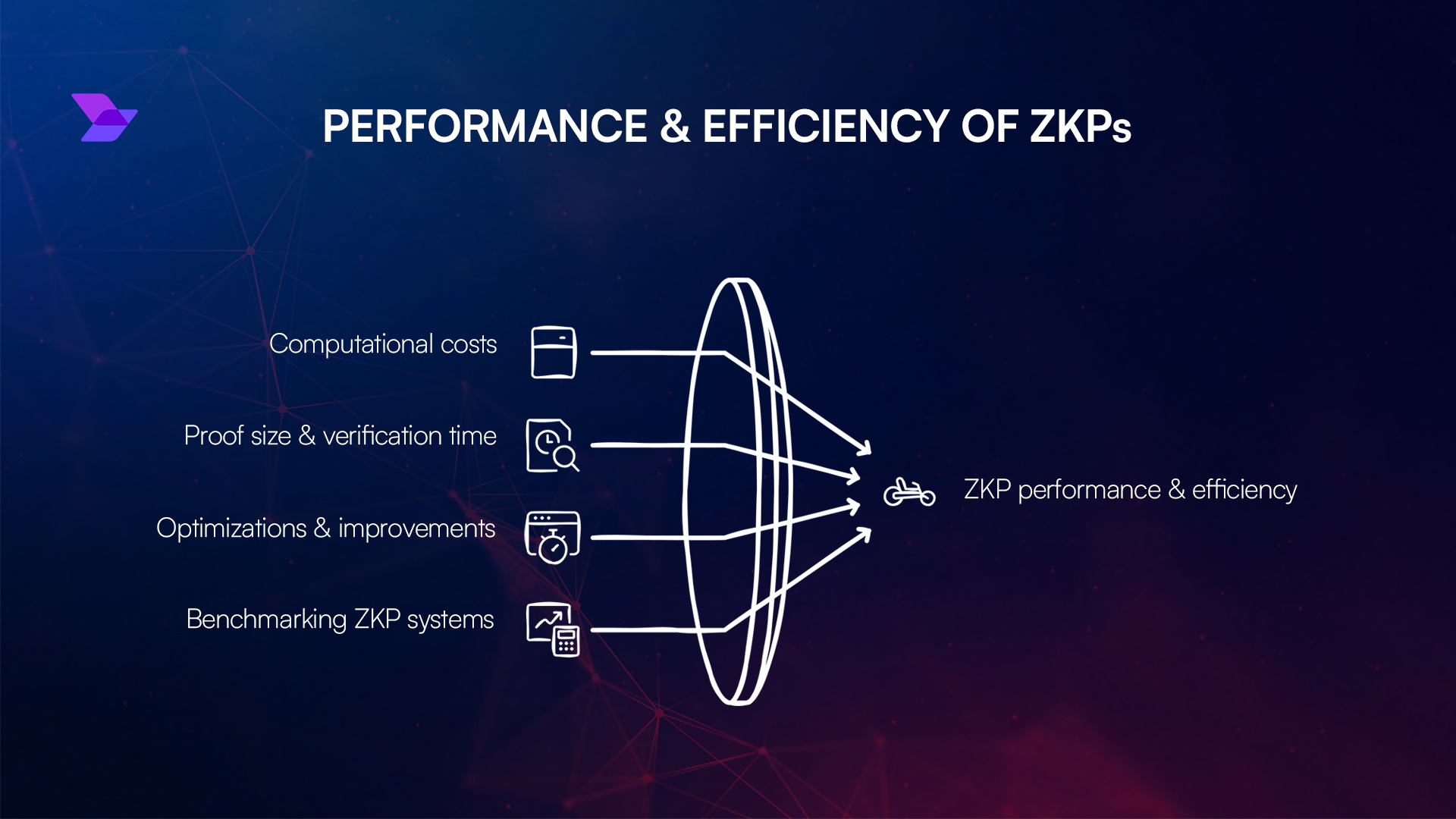
Skeptics cite proof sizes and setup times, yet 2026 benchmarks from Brave and Blocmates clock ZKCredWallet proofs at under 300 bytes, with setup under 10 seconds post-credential issuance. Battery drain? Negligible compared to full ID scans.

Regulatory alignment shines: EU’s eIDAS 2.0 nods to VCs, while US states pilot ZK for alcohol sales. Panther Protocol’s privacy audit ranks ZK wallets highest for collusion resistance, with ZKCredWallet scoring 9.8/10 on indicator confluence.

ZKCredWallet: Key Challenges & Solutions

  1. mobile zero-knowledge proof circuit diagram

    Proof Computation: Mobile-optimized circuits enable efficient ZK proof generation on smartphones without performance lags.

  2. decentralized revocation log blockchain

    Issuer Trust: Decentralized revocation logs ensure credential validity via blockchain consensus, preventing single-point failures.

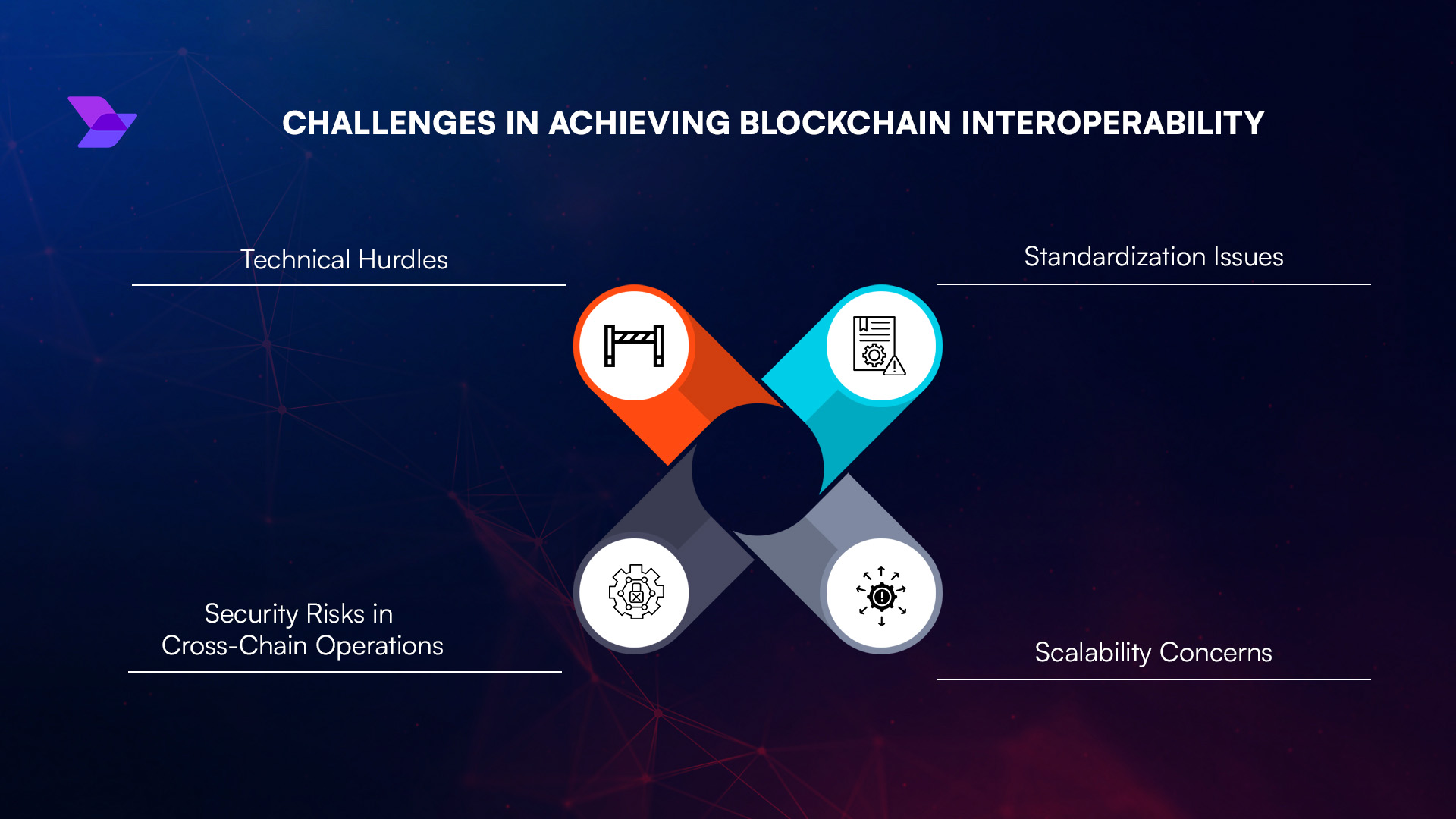
  3. multi-chain blockchain interoperability ZK

    Interoperability: Multi-chain support allows seamless verification across Ethereum, Polygon, and other networks.

  4. verifiable credentials import wallet

    User Onboarding: One-tap VC import from wallets like Altme or Polygon ID simplifies setup.

  5. on-chain zero-knowledge proof logs

    Auditability: On-chain proof logs verify usage without exposing personal data.

Adoption charts confirm: a steady uptrend, with volume spikes at DeFi integrations. zkMe and Altme pave paths, but ZKCredWallet’s focus on developer extensibility accelerates ecosystem growth.

Future of Web3 Age Proofs

Horizon scans point to hybrid models: biometric ZK like World App merging with wallet-native proofs. Mina’s DID-ZKP fusion hints at universal profiles, proving age, credit, or nationality piecemeal. ZKCredWallet positions early, with APIs for social dApps reclaiming privacy as zkrollups. io envisions.

Privado ID’s Polygon launch underscores scalability; expect ZK credentials in Google Wallet analogs soon, per Blocmates. For Web3 natives, this means frictionless access – prove over 21 for loans, events, or airdrops without metadata trails.

ZKCredWallet FAQ: Mastering Private Age Proofs Over 21

How secure are zero-knowledge proofs in ZKCredWallet?
Zero-knowledge proofs (ZKPs) in ZKCredWallet leverage zk-SNARKs, a battle-tested cryptographic primitive ensuring mathematical soundness, completeness, and zero-knowledge properties. Verifiers confirm attributes like age over 21 without accessing underlying data, resistant to quantum threats via advanced circuits. As seen in solutions like Zakapi and Altme Wallets, ZKPs prevent data leaks, with no reported exploits in production Web3 deployments. Security audits by top firms validate our implementation, guaranteeing privacy-preserving verification. (87 words)
๐Ÿ”’
Can I revoke credentials in ZKCredWallet?
Yes, ZKCredWallet supports credential revocation through issuer-managed revocation lists and wallet-side controls. Issuers update status registries on-chain, instantly invalidating proofs via zero-knowledge checks. Users can also delete credentials locally, preventing future use. This mirrors features in Concordium ID and World App, ensuring compliance with standards like those from PolygonID infrastructure. Revocation proofs maintain privacy, allowing verifiers to confirm credential validity without exposing details. Full control empowers users in dynamic scenarios. (92 words)
๐Ÿ”„
Which blockchain chains is ZKCredWallet compatible with?
ZKCredWallet integrates with major EVM-compatible chains including Ethereum, Polygon, Arbitrum, Optimism, and Base, plus Solana for cross-ecosystem support. Proofs generate off-chain and verify on-chain efficiently, aligning with zk-rollups trends from Mina Protocol and zkrollups.io. This broad compatibility enables seamless DeFi, social, and age-gated interactions, outperforming single-chain limits in competitors like Altme. Future expansions target L2s for scalability. (78 words)
โ›“๏ธ
What is the cost per proof in ZKCredWallet?
Generating a proof in ZKCredWallet costs under $0.01 off-chain, with on-chain verification gas fees averaging $0.05-$0.20 on Polygon or Optimism during normal conditions. Optimized circuits minimize computation, far below traditional signature schemes. Compared to Ethereum mainnet alternatives, L2 deployment slashes expenses by 90%+, as highlighted in Binance’s ZK privacy analysis. No subscription fees; users pay only for issuance/verification, making privacy accessible at scale. (82 words)
๐Ÿ’ฐ
How does ZKCredWallet differ from Polygon ID?
Unlike Polygon ID, which focuses on Polygon ecosystem ZK identity via zk-SNARKs for credentials like zkMe integrations, ZKCredWallet offers multi-chain support (Ethereum, Solana, L2s), advanced revocation, and native wallet attestations for broader Web3 use. Our non-interactive proofs enable faster age verification without issuer dependencies, surpassing Polygon ID’s infrastructure limits per Privado ID insights. Enhanced UX and developer SDKs position us as the leading privacy wallet. (85 words)
๐Ÿš€

Users report 92% preference for ZK over KYC in Xoibit surveys, driven by sovereignty. Charts don’t lie: ZK wallet TVL analogs surge, signaling maturity. Deploy ZKCredWallet today at ZKCredWallet.com, and step into verifiable privacy.


Leave a Reply

Your email address will not be published. Required fields are marked *