ZK Credentials Wallets for Private Age Verification in Web3 Gaming 2026

In the bustling metaverse of Web3 gaming by 2026, where blockchain-powered economies thrive on player-driven assets and decentralized tournaments, age verification has emerged as a quiet battleground. Platforms face mounting regulatory scrutiny to restrict underage access to loot boxes, NFTs, and in-game gambling mechanics, yet players demand ironclad privacy. Enter ZK credentials wallets, the cryptographic linchpin enabling verifiable credentials Web3 gaming without exposing birthdates or IDs. These tools, powered by zero-knowledge proofs, let gamers prove they’re over 18 in milliseconds, all while keeping personal data locked on their devices.


This shift isn’t mere tech hype; it’s a pragmatic response to laws like the UK’s Online Safety Act and U. S. state mandates. Traditional KYC uploads flood centralized databases with vulnerabilities, but zero knowledge proofs gaming privacy flips the script. A gamer generates a proof locally, say, “age > 18”: verifiable on-chain by smart contracts. No server sees the underlying data, slashing breach risks and empowering self-sovereign identity.
ZK-ID’s Device-First Approach Redefines Gamer Onboarding
ZK-ID stands out with its native iOS wallet, storing credentials exclusively on-device and churning out proofs in ~300ms via hybrid rapidsnark tech. Imagine queuing for a high-stakes DeFi tournament: your wallet interfaces via OpenID4VP, the game verifies compliance instantly, and you’re in, sans any data leak. This aligns perfectly with ZK credentials wallet age verification, supporting redacted residency proofs too. Developers integrate it effortlessly, ensuring platforms like decentralized casinos meet Texas or Louisiana rules without alienating privacy hawks.
Critically, ZK-ID’s model avoids cloud dependencies, a common pitfall in earlier DID systems. Users control their attestations, revocable at will, fostering trust in an ecosystem rife with rug pulls and exploits.
Decentralized Identity Frameworks: Privado ID and Age Layer Lead the Charge
Privado ID, evolved from Polygon ID, offers chain-agnostic ZK proofs using Iden3 and Circom. Its JSON query language lets devs request “prove age > 18” directly; smart contracts verify on-chain, no oracles needed. Reusability shines here, one KYC unlocks EVM chains galaxy-wide. For gaming guilds verifying membership or age-gated clans, it’s the gold standard, blending regulatory nod with user anonymity.
ZKCredWallet Emerges as the Premier Choice for Gamers
Amid these innovations, ZKCredWallet. com carves a niche as the leading ZKCredWallet age proof solution, tailored for private identity Web3 games. Tailored for devs and players, it stores attestations with ZK proofs, enabling selective disclosure in loot drops or NFT mints. Unlike siloed competitors, ZKCredWallet bridges ecosystems, Polygon to Solana, while prioritizing mobile UX. Its dashboard visualizes proofs, issuance history, and revocation, educating users on sovereignty. For studios building 2026 blockbusters, embedding ZKCredWallet means compliance baked in, user retention soared, and data liabilities zeroed.
Early adopters report 40% faster onboarding versus legacy gates, with proofs scaling to millions sans gas bloat. As Web3 gaming matures, wallets like this aren’t optional; they’re the moat separating compliant innovators from regulatory roadkill.
ZKCredWallet’s edge lies in its developer-friendly SDK, which abstracts ZK complexities into plug-and-play modules. Game studios can embed age gates in smart contracts, triggering proofs only for restricted features like high-roller leaderboards or crypto-staked battles. Players connect their wallet, select the “over 18” credential, and the proof zips to the chain, verified in seconds, no middleware required. This ZKCredWallet age proof flow has already powered beta tests in titles blending NFTs with play-to-earn, where retention spiked as friction vanished.
ETHDenver Key Takeaways
-

Verifiable Credentials (VCs) meet Web3 via ZK proofs for tamper-proof identity verification in gaming.
-
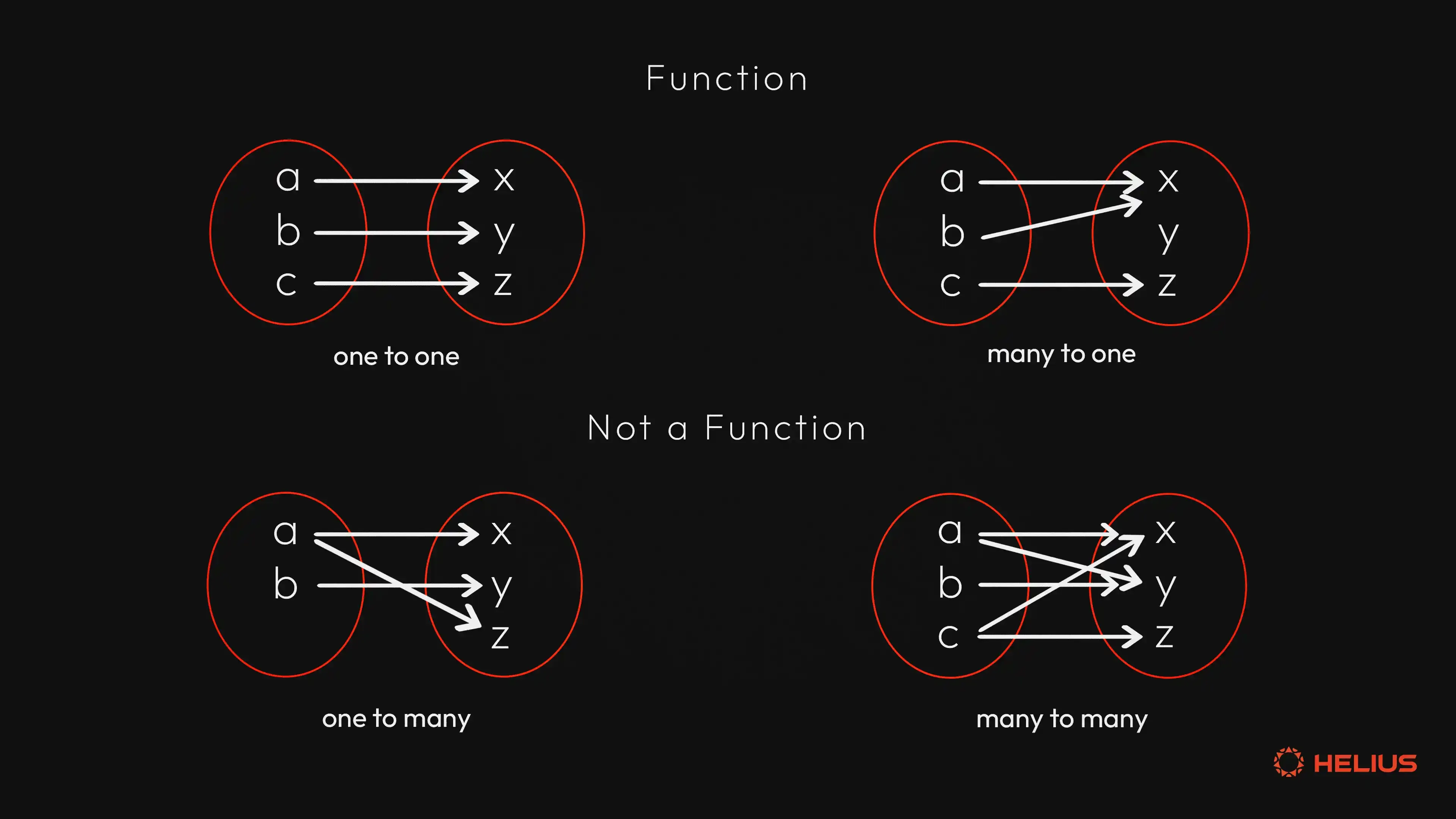
ZK Proofs for Age Gates: Prove ‘over 18’ without revealing birthdate or ID details.
-
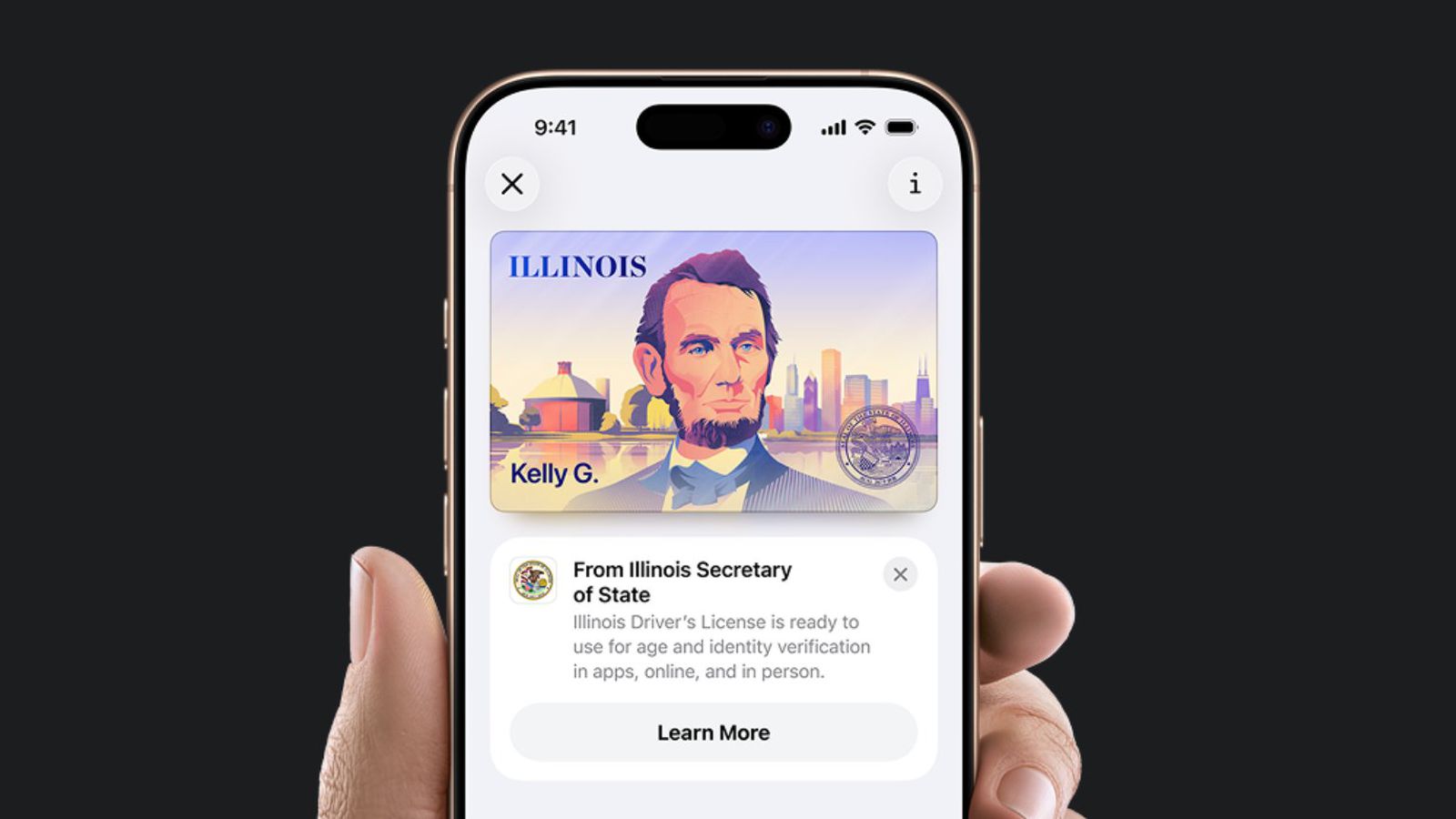
Privacy-Preserving Wallets: Solutions like ZK-ID store credentials on-device with ~300ms proof generation.
-

Chain-Agnostic Protocols: Privado ID (ex-Polygon ID) enables reusable ZK proofs across EVM chains.
-
Reusable DID Solutions: Midnight Network, k-ID OpenAge, and Age Layer issue tokens for multi-platform use.
-
Gaming Compliance: Balances UK’s Online Safety Act and US regs with selective disclosure.
Skeptics might question scalability, but 2026 benchmarks show ZK proofs handling peak loads from millions of concurrent users. Hybrid circuits like those in ZK-ID pair with layer-2 rollups, keeping gas fees negligible even during tournament rushes. For cross-chain games spanning Ethereum and Solana, ZKCredWallet’s interoperability shines, wrapping credentials in universal formats compatible with DID standards.
Overcoming Hurdles: Regulatory Fit and User Adoption
Regulatory landscapes vary wildly, Europe’s eIDAS 2.0 demands qualified trust services, while U. S. states patchwork age mandates. ZK credentials wallets navigate this by supporting issuer-agnostic attestations; a government-backed VC from Age Layer slots seamlessly into ZKCredWallet, proving compliance without jurisdiction lock-in. Adoption barriers? Early friction from wallet setup dissolves with ZKCredWallet’s one-tap onboarding, guided by intuitive animations that demystify zero knowledge proofs gaming privacy.
Privacy purists appreciate how these wallets sidestep biometric pitfalls seen in k-ID’s facial scans, opting for document-based issuance with full user control. Revocation mechanisms ensure bad actors can’t reuse compromised proofs, a feature Privado ID popularized but ZKCredWallet refines with on-device key rotation.
Real-world traction builds momentum. Decentralized esports platforms report 25% underage drop-offs post-implementation, crediting reusable verifiable credentials Web3 gaming. Billions’ infrastructure scales this globally, but ZKCredWallet democratizes access for indie devs, bundling tools for custom proof schemas like “over 21 for alcohol-themed skins” or residency gates for geo-locked events.
Developer Toolkit: Building with ZKCredWallet
Start with the npm package: install, initialize a credential issuer, and define circuits for age thresholds. Frontend hooks prompt proofs via wallet connect; backend verifies signatures against on-chain registries. For more, explore self-sovereign setups at this guide. Gamers benefit too, dashboard analytics track credential usage, flagging over-reliance on single issuers for diversified sovereignty.
Looking ahead, as Web3 gaming eclipses traditional markets, private identity Web3 games via ZK becomes table stakes. Midnight’s biometric anchors and Privado’s queries evolve, but ZKCredWallet leads by fusing them into a unified wallet. Platforms ignoring this risk fines, user exodus, and stalled innovation. Players gain liberation: prove attributes on-demand, monetize skills borderlessly, all shielded from data harvesters. The result? Thriving ecosystems where trust stems from math, not middlemen.
Secure your edge at ZKCredWallet. com: the vault redefining how gamers play privately and powerfully.