The zk cred wallet limits to account for
A ZK Cred Wallet isn’t just a digital wallet; it’s a cryptographic gatekeeper. The core constraint is that it must verify a credential’s validity without exposing the underlying data. This creates a tension between privacy and interoperability. If the zero-knowledge proof fails, access is denied. If it succeeds, the verifier learns only the truth of the claim, not the source.
This design forces a strict dependency on standardized credential formats. You cannot simply “upload” a PDF driver’s license. The document must be issued in a machine-readable format compatible with zero-knowledge protocols, such as the MDOC standard used in mobile driver’s licenses. This limits adoption to jurisdictions and issuers who have invested in this specific infrastructure.
Consider the Longfellow-zk implementation for Google Wallet. It allows selective disclosure of attributes from an MDOC document. The user proves they are over 21 without revealing their birthdate, address, or license number. The constraint here is technical: the verifier must support the specific ZK circuit required by the issuer. If the verifier uses a different protocol, the wallet cannot satisfy the request.
The result is a fragmented landscape. A ZK Cred Wallet works seamlessly within a closed ecosystem but struggles across boundaries. Users must ensure their wallet supports the exact ZK scheme expected by the verifier. This is not a minor inconvenience; it is a fundamental barrier to universal adoption. The technology is sound, but the standards are still solidifying.
Zk cred wallet choices that change the plan
Choosing a zero-knowledge credential wallet requires balancing privacy guarantees against practical utility. The landscape is shifting rapidly as major platforms like Google integrate ZK proofs into their digital wallets, but standardization remains incomplete. You must evaluate how different architectures handle proof generation, data storage, and interoperability before committing to a specific solution.
Proof Generation and Performance
Most ZK systems rely on complex mathematical proofs that can strain device resources. Mobile implementations, such as those seen in recent Google Wallet integrations, use optimized circuits for ECDSA signatures to keep verification fast. However, older or more generic SSI wallets may require heavier computation, leading to slower user experiences during identity verification.
Data Storage and Sovereignty
True privacy depends on where your credentials live. Some wallets store data locally on your device, giving you full control but risking loss if your phone is damaged. Others use decentralized storage or cloud backups, which offer convenience but introduce potential attack vectors. The EUDI Wallet framework, for instance, explores hybrid models that balance local control with trusted third-party attestation.
Interoperability and Standards
Not all ZK wallets speak the same language. The Longfellow-zk protocol, for example, is designed specifically for MDOC/MDL document compatibility, enabling selective disclosure for travel and identification. In contrast, other SSI-compliant systems may focus on broader credential types but lack seamless integration with existing government or enterprise ID systems. Check if the wallet supports the specific credential formats you need.
Security and Attestation
Security models vary significantly. Some wallets use hardware-backed secure enclaves (SGX) to prove the integrity of the proof generation process, adding a layer of trust but requiring specific hardware. Others rely on software-only solutions, which are more accessible but potentially more vulnerable to sophisticated attacks. Understanding the attestation model is critical for high-stakes identity verification.
| Factor | Local-Only Wallet | Hybrid/Cloud-Backed | Attestation-Based |
|---|---|---|---|
| Privacy Control | High | Medium | High |
| Data Recovery | None | High | Medium |
| Proof Speed | Variable | Fast | Slower |
| Hardware Req. | Low | Low | High |
How to choose the right ZK cred wallet for your use case
Deciding on a ZK cred wallet requires matching your specific identity needs to the wallet’s technical capabilities. Not all zero-knowledge implementations are equal, and the wrong choice can lead to compatibility issues with service providers or unnecessary privacy leaks. Use this framework to evaluate your options based on credential type, interoperability, and regulatory compliance.
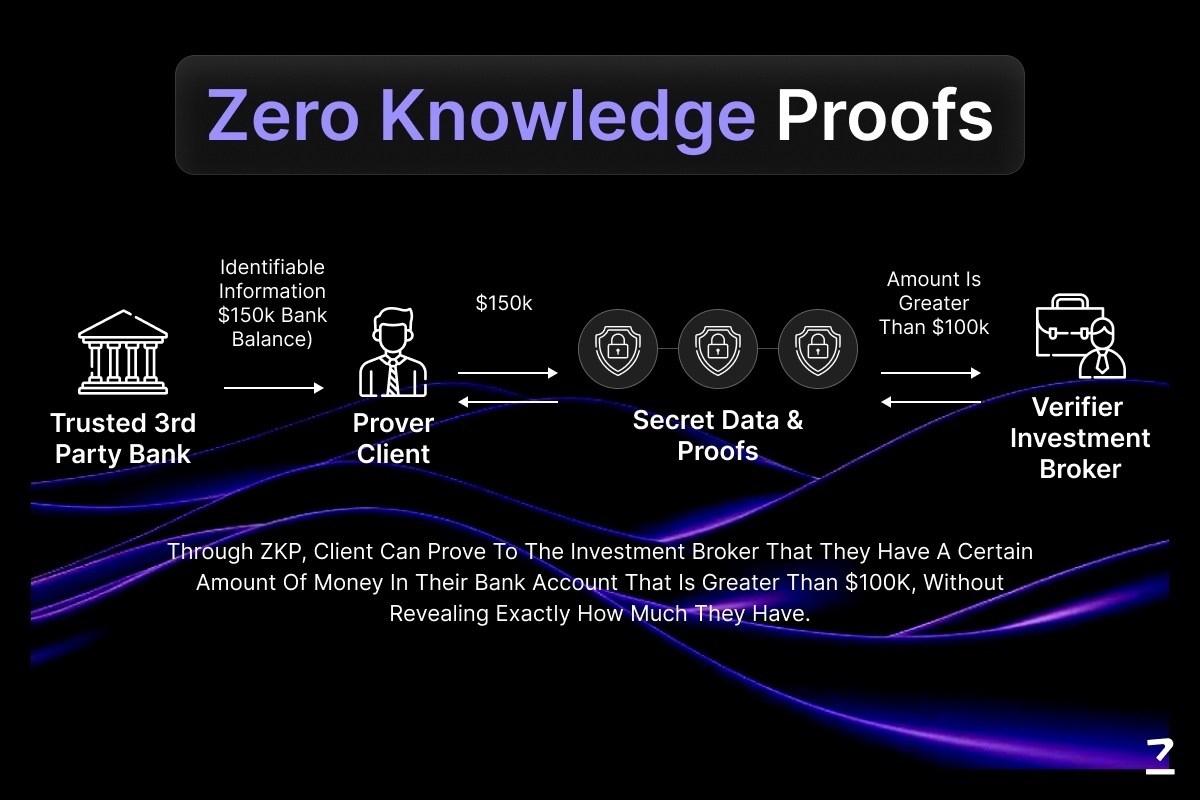
Ensure the wallet supports the specific credential issuers you rely on, such as government-issued IDs or academic degrees. For example, if you need to present a driver’s license, check if the wallet integrates with protocols like Longfellow-zk, which enables selective disclosure for MDOC/mdl documents. Compatibility with existing issuers is the first step in avoiding dead-end investments.
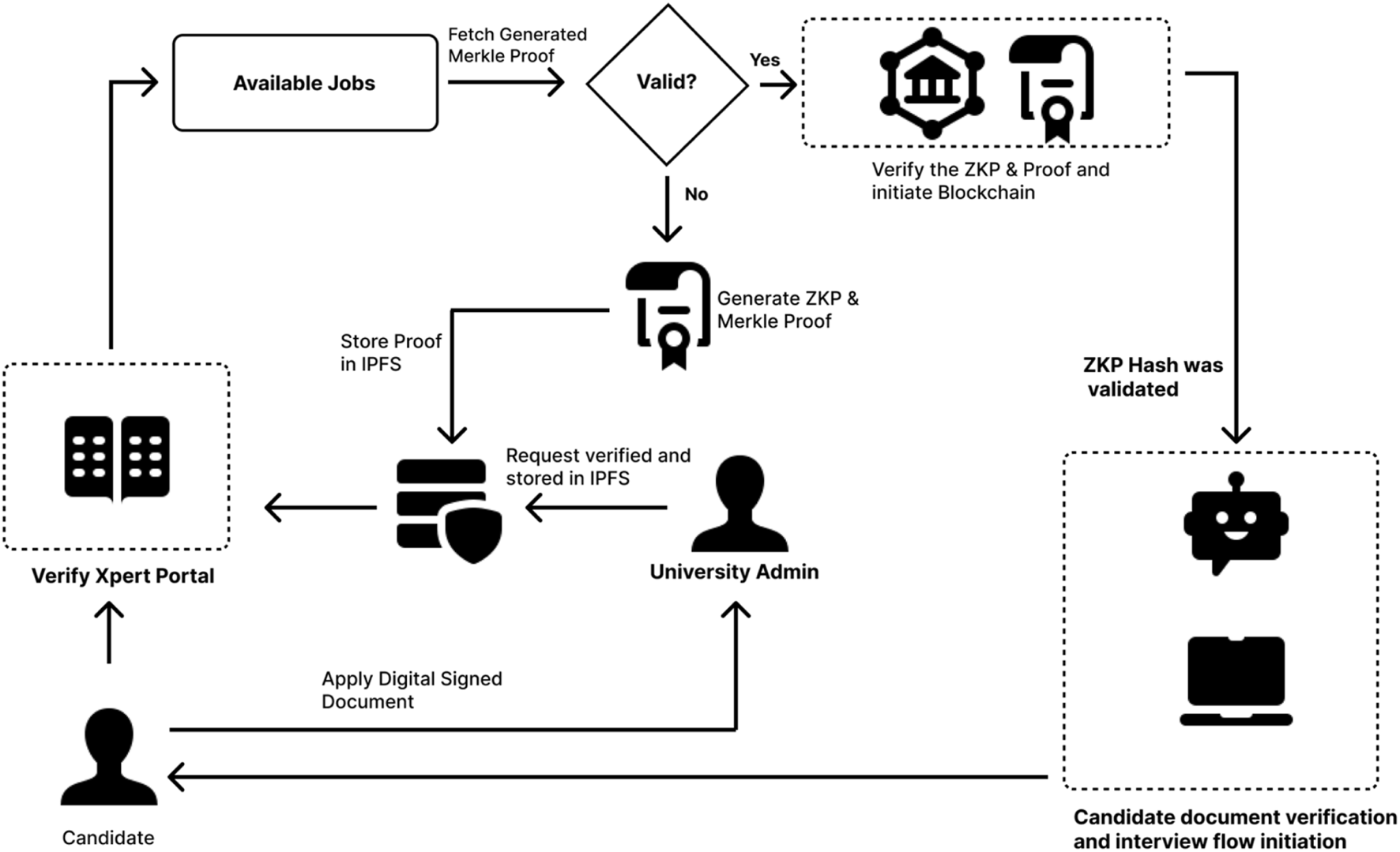
Look for wallets that adhere to open standards like W3C Verifiable Credentials. This ensures your identity data can move between different services and platforms without being locked into a single ecosystem. Interoperability is critical for long-term utility, especially as the ZK landscape evolves and new providers enter the market.
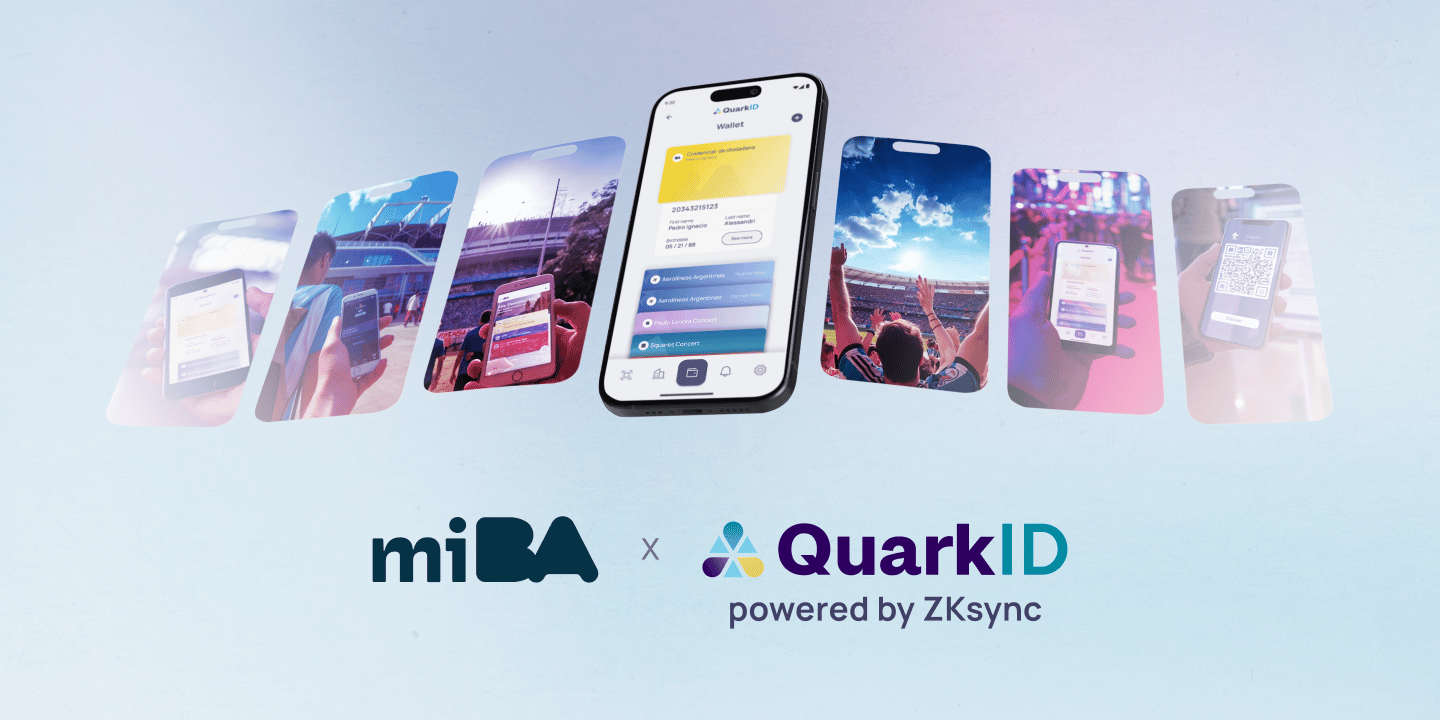
Evaluate how selectively you can disclose information. The best ZK cred wallets allow you to prove specific attributes (e.g., "over 21") without revealing the underlying data (e.g., your exact birthdate or full name). This level of granularity is what distinguishes privacy-first identity verification from traditional KYC processes.
If you are operating in a regulated industry, ensure the wallet’s audit trails meet local legal requirements. While zero-knowledge proofs protect privacy, some jurisdictions require certain levels of transaction logging for anti-money laundering (AML) compliance. Choose a wallet that offers configurable compliance features to balance privacy with legal obligations.
Why ZK Cred Wallet Is the 2026 Standard for Privacy-First Identity Verification
Many platforms still rely on basic data sharing, which exposes users to unnecessary risks. ZK Cred Wallets address this by using zero-knowledge proofs to verify identity without revealing personal details. This approach is becoming the standard for privacy-first identity verification in 2026.
Weak Options to Avoid
Some services claim privacy but fall short. Here are common pitfalls:
- Full Data Exposure: Sharing all personal data when only age is needed.
- Centralized Storage: Keeping data in one place, creating a single point of failure.
- No Proof of Validity: Failing to prove credentials are current and unexpired.
The ZK Advantage
ZK Cred Wallets offer a better way. They allow selective disclosure, meaning you only share what is necessary. This reduces the risk of data breaches and identity theft. For example, proving you are over 18 does not require revealing your birth date.
Real-World Applications
Several platforms are already adopting ZK technology. Google Wallet, for instance, has integrated zero-knowledge proofs for secure credential verification. This shows the practicality and scalability of ZK Cred Wallets.
What to Look For
When choosing a ZK Cred Wallet, check for:
- Selective Disclosure: Ability to share only specific data points.
- Decentralized Storage: No central repository for personal information.
- Transparent Proofs: Clear mechanisms for verifying credentials.
By avoiding weak options and choosing a robust ZK Cred Wallet, you can ensure your identity remains private and secure in 2026.
Zk cred wallet: what to check next
Zero-knowledge (ZK) credentials are shifting from academic experiments to practical tools. Google Wallet’s recent integration of ZK proofs for age verification and the EU’s push for SSI-compliant digital identities show how these systems handle real-world data. Below are the most common questions about ZK Cred Wallet.
These questions highlight the trade-offs between privacy and convenience. As ZK technology matures, expect more seamless integrations with official identity providers.
No comments yet. Be the first to share your thoughts!