What a ZK Cred Wallet Actually Does
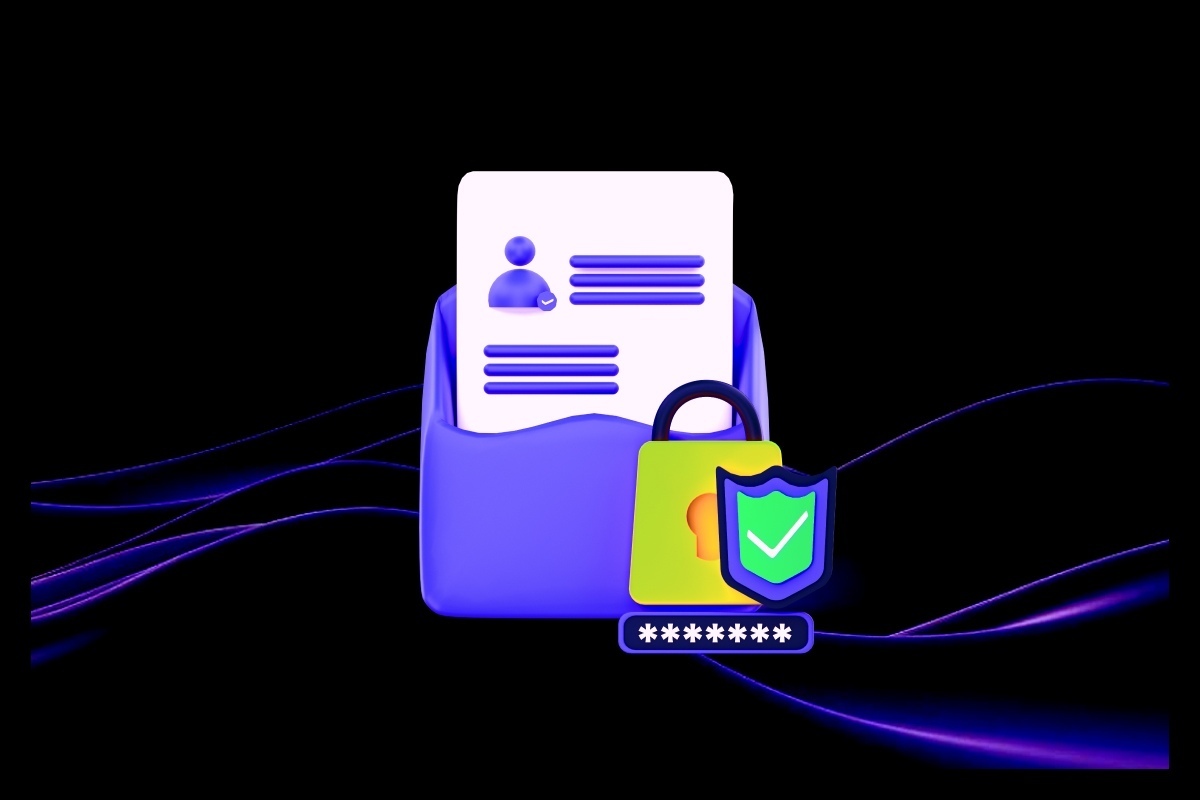
A ZK Cred Wallet functions as a selective disclosure tool, allowing users to prove specific attributes about their identity without revealing the underlying raw data. Unlike traditional identity wallets that often expose full credentials—such as a complete government ID or a full credit history—this architecture isolates the proof from the data itself. The wallet holds the private credentials, and when a service requests verification, it generates a cryptographic proof that satisfies the required condition while keeping the rest of the information hidden.
This mechanism relies on zero-knowledge proofs (ZKPs), a concept formalized in cryptographic research to allow one party to prove to another that they know a value or satisfy a condition without conveying any information apart from the fact that the condition is met. In the context of identity, this means a user can confirm they are over a certain age, belong to a specific jurisdiction, or possess a valid license without sharing their birthdate, address, or license number. This distinction is critical for privacy-preserving compliance, as it minimizes the data surface available for potential breaches or misuse.
The practical application of this technology is gaining traction among major technology providers. For instance, Google has integrated zero-knowledge credential verification into its wallet infrastructure, enabling users to verify age or residency status directly within the app. This approach aligns with broader industry efforts to standardize digital identity, moving away from the "show everything" model of traditional KYC (Know Your Customer) processes toward a "prove only what is necessary" framework. By decoupling the verification of truth from the exposure of personal details, ZK Cred Wallets offer a more secure and user-centric alternative for digital interactions.
The shift toward selective disclosure addresses a growing regulatory and consumer demand for privacy. Traditional identity verification often requires uploading documents or sharing extensive personal histories, creating significant privacy risks. ZK Cred Wallets mitigate this by ensuring that only the minimal necessary information is shared to complete a transaction or access a service. This not only protects individual privacy but also reduces the liability for service providers who no longer need to store or secure large volumes of sensitive personal data.
Google Wallet and the Longfellow Protocol
Google’s integration of zero-knowledge proofs into Google Wallet marks a decisive shift in how digital identity operates at scale. By adopting the Longfellow protocol, Google moved beyond simple credential storage to enable selective disclosure. This mechanism allows users to prove specific attributes—such as being over a certain age—without revealing the underlying personal data. For legal and regulatory audiences, this represents a tangible implementation of privacy-preserving verification that aligns with emerging data minimization standards.
The Longfellow protocol, developed in collaboration with researchers from Google and academia, is designed to work with mobile driver’s license (MDL) documents issued under the MDOC standard. Instead of transmitting the full digital ID, the wallet generates a zero-knowledge proof that verifies the user meets a specific criterion. For example, a retailer can verify a customer is over 21 without ever seeing their date of birth, name, or address. This selective disclosure reduces the attack surface for identity theft and limits the liability for businesses collecting sensitive information.
| Verification Type | Data Exposed | Privacy Impact |
|---|---|---|
| Traditional ID Scan | Full name, DOB, address, license number | High exposure; data retained by verifier |
| Google ZK (Longfellow) | Range proof (e.g., age > 21) | Minimal exposure; no raw PII shared |
This approach shifts the trust model from centralized databases to cryptographic verification. Users retain control over their data, while verifiers receive only the necessary proof of eligibility. The technology relies on efficient zero-knowledge circuits that can run on standard mobile devices, ensuring that the verification process is both fast and secure. As regulatory frameworks like the EU’s eIDAS 2.0 evolve, such interoperable, privacy-first solutions will likely become the baseline for digital identity interactions.
Enterprise ZK Credential Standards
Implementing ZK Cred Wallets requires a structured approach to constraint definition and tradeoff analysis. The process begins by defining the specific regulatory or business constraint, followed by a comparison of realistic technical options. Each option must be tested against these constraints to identify hidden costs, such as latency in proof generation or compatibility issues with existing legacy systems. The final selection should prioritize the path that remains viable under non-ideal conditions, ensuring robustness over theoretical efficiency.
Market Adoption and Regulatory Risks
The 2026 landscape for ZK credential wallets is defined by a tension between sovereign privacy and mandatory regulatory compliance. As these wallets move from experimental prototypes to mainstream financial infrastructure, they must satisfy stringent Know Your Customer (KYC) and Anti-Money Laundering (AML) requirements without surrendering the user data they were designed to protect. This balance is not merely a technical challenge; it is a fundamental design constraint for any ZK identity system seeking legal adoption.
The primary mechanism for resolving this conflict is selective disclosure. Rather than revealing the entire identity profile, ZK proofs allow a wallet to verify specific attributes—such as age of majority or residency—while keeping all other data hidden. This approach aligns with the principle of data minimization, a core tenet of modern privacy frameworks. For instance, ZK identity systems can verify "unique humanity" to prevent sybil attacks or bot manipulation without exposing the underlying personal identity information, thereby satisfying fraud prevention mandates while preserving anonymity [src-serp-5].
Regulatory acceptance, however, hinges on the cryptographic integrity of these proofs. Authorities require assurance that the verification process is robust and cannot be easily forged. Recent research into SSI-compliant wallets highlights the use of ZK SGX attestation provers, which leverage Intel’s root of trust to certify the integrity of the credential issuance environment [src-serp-4]. This hardware-backed attestation provides a layer of assurance that the ZK proof was generated by a legitimate, untampered wallet application, a critical requirement for financial institutions and government agencies auditing compliance.
Despite these technical solutions, adoption remains cautious. Traditional financial institutions are hesitant to integrate ZK wallets due to the complexity of auditing zero-knowledge circuits and the lack of standardized legal precedents. Until regulatory bodies like the SEC or EU regulators provide clear guidance on the admissibility of ZK proofs in compliance reporting, widespread integration will likely remain limited to niche use cases. The path forward requires not just better cryptography, but also clearer legal frameworks that recognize ZK verification as a compliant alternative to traditional data dumping.
No comments yet. Be the first to share your thoughts!