
Zk cred wallet limits to account for
The Zk cred wallet represents a specific architectural approach to on-chain identity, relying on zero-knowledge proofs to verify credentials without exposing underlying data. This constraint defines the boundary between traditional identity management and the newer, privacy-first models emerging in 2026. Understanding this distinction is essential for evaluating which wallets truly support selective disclosure versus those that merely obfuscate public records.
At its core, a zk cred wallet allows users to prove attributes like age or residency without revealing the full credential document. This mechanism aligns with initiatives like the Longfellow ZK project, which enables zero-knowledge presentation for MDOC/mdl documents. By integrating these proofs, wallets can interact with decentralized applications while maintaining user privacy, a shift from the transparent-by-default nature of earlier blockchain eras.
However, this constraint introduces trade-offs. Implementing zero-knowledge circuits requires significant computational overhead and complex key management. Users must balance the enhanced privacy against the potential for increased friction during onboarding and transaction signing. The ecosystem is still maturing, with major tech players like Google exploring integrations to bring ZK capabilities to broader audiences.
For readers navigating this space, the primary focus should be on wallets that prioritize verifiable, privacy-preserving credentials. The choice between different zk cred wallet implementations often comes down to the specific compliance standards they support and the ease of integrating these proofs into daily DeFi or social interactions.
Zk cred wallet choices that change the plan
Choosing a zero-knowledge credential wallet means balancing privacy guarantees against user experience and regulatory compliance. The technology solves a specific problem: proving you meet a requirement without revealing the underlying data. However, the implementation details vary significantly between providers, affecting how easy the system is to use and how well it works with existing apps.
The most common tradeoff involves the scope of disclosure. A well-designed ZK wallet allows you to prove you are over 21 without sharing your exact birth date or full name. This selective disclosure is the core privacy benefit. But if the verifier requires a full identity check, the ZK layer may add friction without adding much value. You must evaluate whether the wallet supports the specific proofs required by the services you intend to use.
Another critical factor is interoperability. Some wallets, like those exploring integration with Google Wallet, aim for broad compatibility with mainstream apps. Others focus on niche, high-security use cases like government credentials or decentralized identity standards. A wallet that is too specialized may not work with the platforms you rely on daily. Check if the wallet supports standard protocols like W3C Verifiable Credentials or if it is locked into a single ecosystem.
Finally, consider the technical overhead. Generating zero-knowledge proofs requires computational power. On mobile devices, this can drain battery life or cause delays. Some wallets offload this work to the cloud, which introduces trust assumptions about the server processing your data. A local-only approach preserves privacy but may be slower. Weigh the convenience of fast proofs against the risk of trusting a third-party prover.
| Feature | Privacy Level | Usability | Compatibility |
|---|---|---|---|
How to choose a ZK cred wallet in 2026
Selecting a zero-knowledge credential wallet requires balancing privacy guarantees with the specific verification needs of your target ecosystem. The technology is moving fast, with major integrations like Google Wallet and Longfellow-zk setting new standards for selective disclosure. This guide breaks down the evaluation process into concrete steps, helping you identify wallets that offer genuine utility without compromising on security.
Not all wallets support zero-knowledge proofs natively. Prioritize platforms that handle proof generation and verification on-device or via trusted execution environments. Avoid wrappers that merely obfuscate data; true ZK wallets allow you to prove attributes (like age or residency) without revealing the underlying data. Look for documentation detailing the specific ZK circuits used, such as Groth16 or PLONK, which impact proof speed and cost.

A ZK wallet is only as useful as the services that accept its credentials. Ensure the wallet integrates with your primary use cases, whether that’s DeFi protocols, government ID verification (like Longfellow-zk), or consumer apps. Check if the wallet supports standard verifiable credential formats (W3C VC) and if it can interface with major identity providers like Google or Microsoft. Interoperability is key to avoiding vendor lock-in.
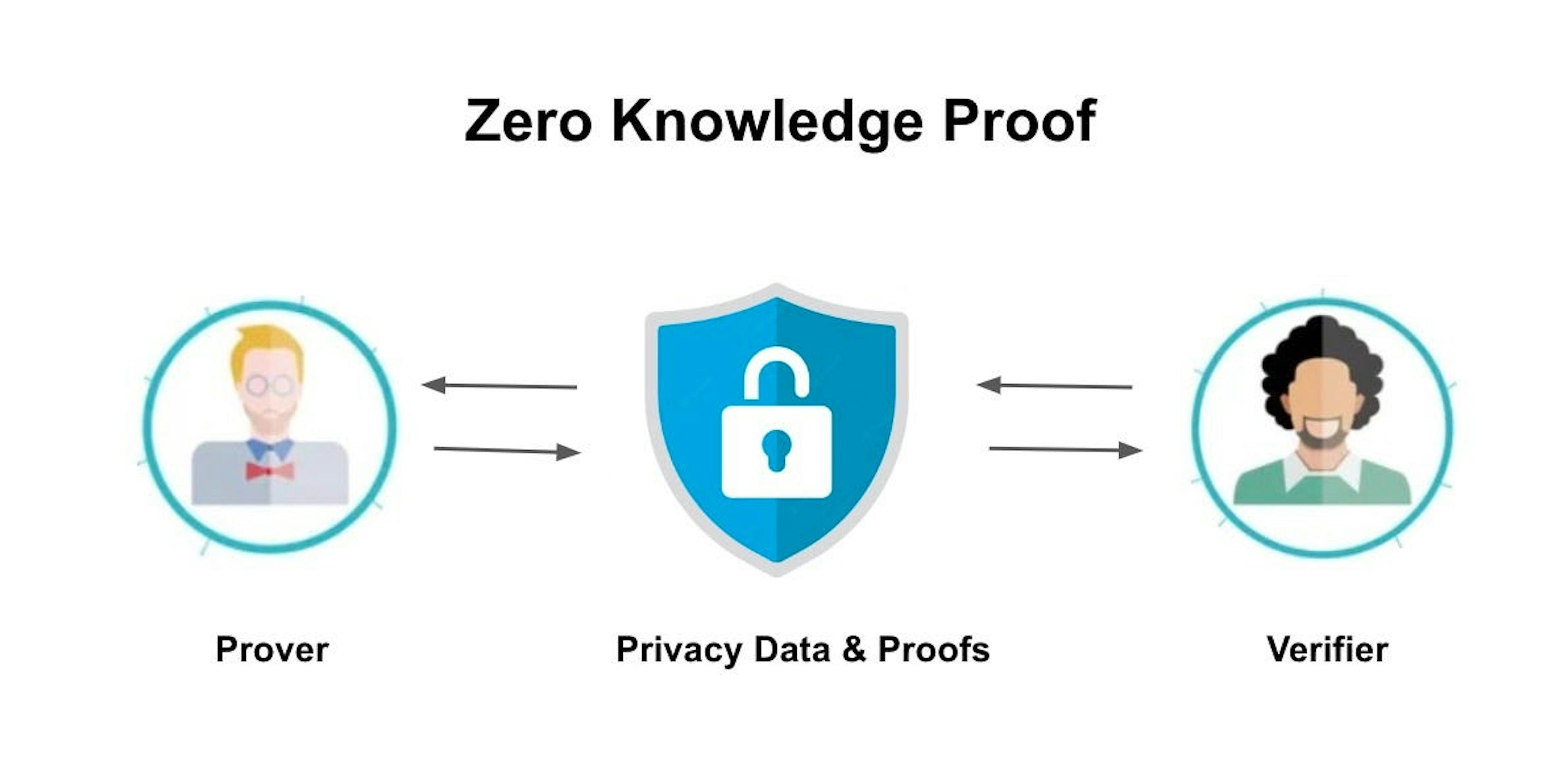
Zero-knowledge systems often rely on complex key structures. Evaluate how the wallet handles private key storage and recovery. Does it use multi-party computation (MPC) or social recovery? Avoid wallets that store your seed phrase in plain text or rely solely on centralized backup servers. The best ZK wallets offer robust, decentralized recovery options that maintain privacy even during account restoration.
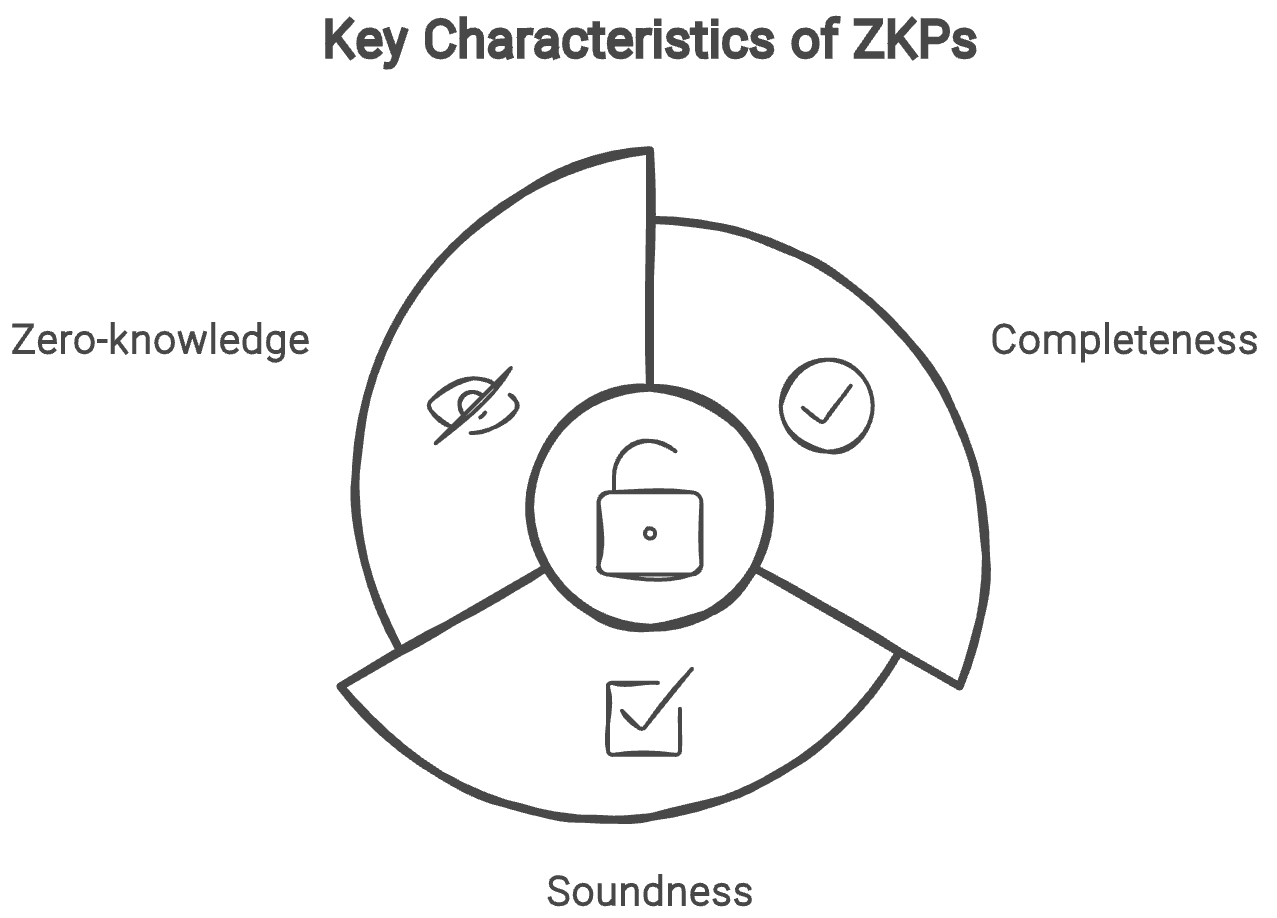
Generating ZK proofs can be computationally expensive. Check the wallet’s performance metrics: how long does it take to generate a proof? Are there gas fees or subscription costs for proof generation? Look for wallets that optimize proof generation through hardware acceleration or batch processing. High latency or excessive costs can make the wallet impractical for everyday use.
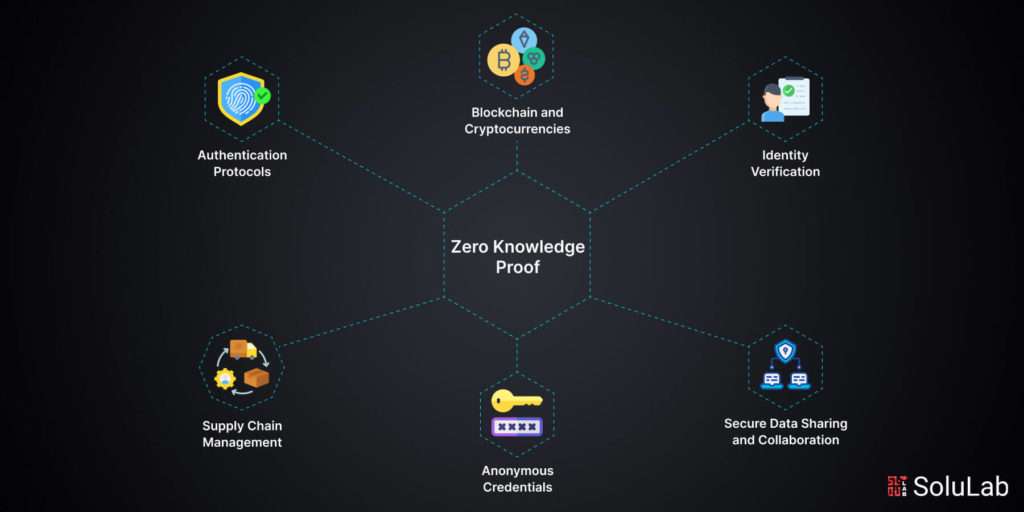
Review the wallet’s security history. Has it undergone independent audits? Are there any known vulnerabilities or past breaches? Check if the project has a bug bounty program and a transparent disclosure policy. A strong security track record is non-negotiable for any wallet handling sensitive identity data. Prioritize wallets with active development and regular security updates.


As an Amazon Associate, we may earn from qualifying purchases.
Spotting Weak ZK Cred Wallet Options
Many projects market zero-knowledge credentials as a silver bullet for on-chain privacy, but the reality is often more fragmented. While major tech players like Google are exploring ZK integration into digital wallets (src-serp-2), the broader ecosystem suffers from compatibility gaps. A wallet that supports Longfellow-zk for selective disclosure (src-serp-1) may not interoperate with other ZK standards, leaving users with credentials they cannot use elsewhere.
Be wary of wallets claiming "full ZK support" without specifying the underlying proof systems. Some options rely on older, less efficient circuits that slow down transaction verification. Others lack clear documentation on how private data is stored, raising security concerns. Always verify if the wallet supports the specific ZK protocol required by the dApp you intend to use.
The most common mistake is assuming all ZK wallets offer the same level of privacy. Some only mask transaction amounts while still revealing addresses. Others may leak metadata through timing patterns. Choose a wallet that explicitly details its privacy guarantees and open-source codebase. Avoid options that use vague marketing terms like "military-grade encryption" without technical specifics.
Zk cred wallet: what to check next
What is zk in crypto?
In the context of crypto wallets, "zk" stands for zero-knowledge proofs. This cryptographic method allows a user to prove they possess certain information—like being over 18 or holding a specific identity credential—without revealing the underlying data. Instead of uploading your entire passport or birth certificate to a server, a ZK credential wallet generates a proof that confirms the specific claim is true while keeping the rest of your data private.
Is zero-knowledge proof crypto legit?
Yes, zero-knowledge proofs are a legitimate and mathematically rigorous field of cryptography, not a speculative trend. Major technology companies, including Google, are actively integrating ZK protocols into digital wallets to verify age and identity without exposing personal details. The technology is backed by peer-reviewed research and is increasingly used in enterprise and regulatory-compliant identity systems.
Does bitcoin use ZKP?
Bitcoin does not currently use zero-knowledge proofs for its standard transactions or consensus mechanism. Bitcoin relies on proof-of-work for security and public ledger verification. However, ZKP technology is being developed for Bitcoin layer-2 solutions and sidechains to enable private transactions and complex smart contracts without compromising the base layer's transparency and security model.
What is a zk wallet?
A zk wallet is a digital identity tool that stores credentials using zero-knowledge cryptography. Unlike traditional wallets that broadcast all transaction history, a zk wallet lets you selectively disclose only the necessary information. For example, you can prove you are eligible to vote in a specific jurisdiction without revealing your home address, name, or voting history to the verifier.
No comments yet. Be the first to share your thoughts!