
Defining the ZK Cred Wallet Standard
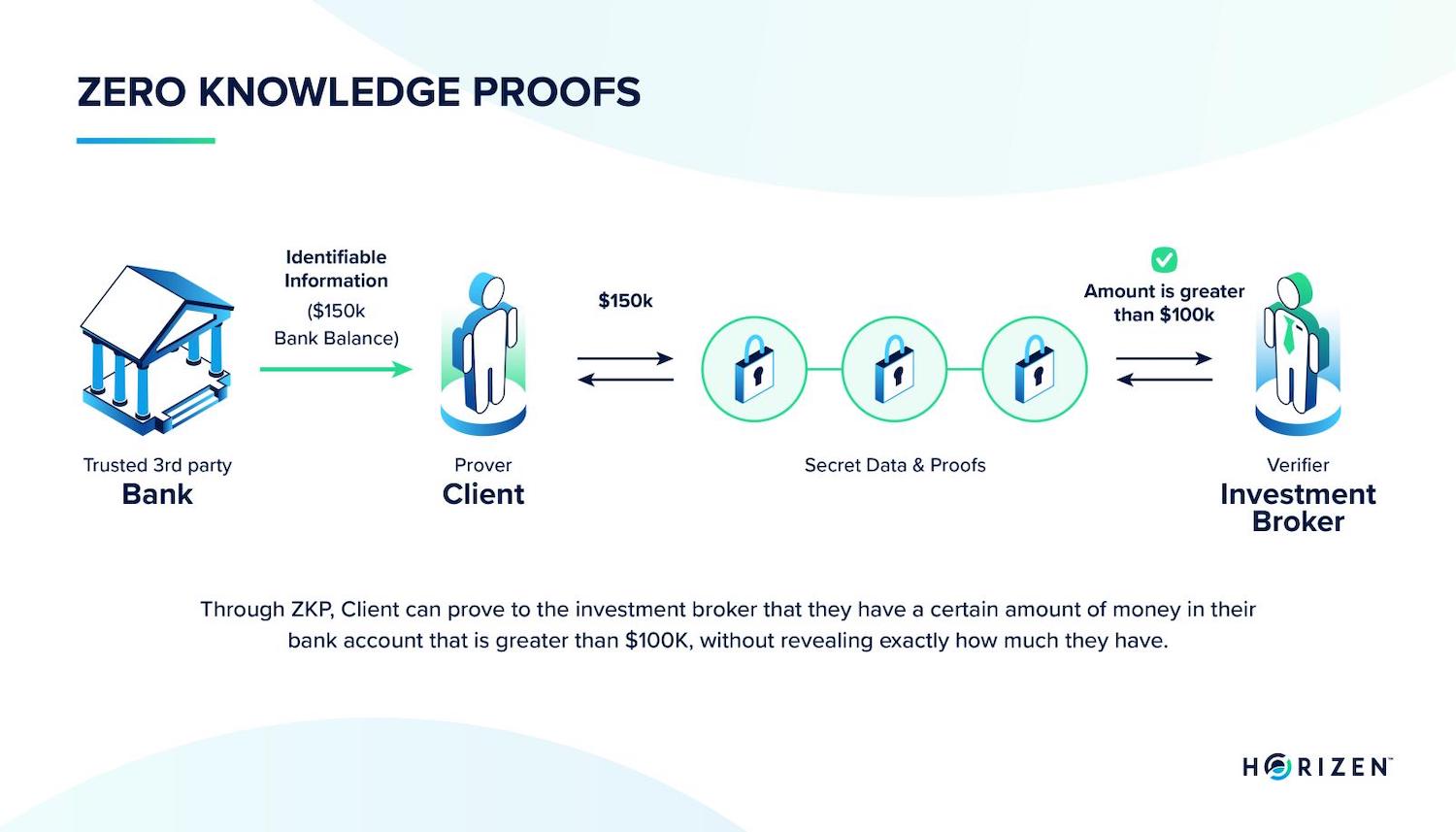
A ZK Cred Wallet is a digital identity tool that stores credentials and generates zero-knowledge proofs. This technology allows users to verify attributes—such as age or residency—without exposing the underlying personal data. Unlike traditional digital wallets that often require revealing sensitive information to complete a transaction, or legacy verifiable credential systems that may leak metadata, a ZK Cred Wallet minimizes data exposure by design.
In the context of 2026, this standard distinguishes itself from earlier identity models by prioritizing cryptographic proof over data disclosure. Projects like cheqd have integrated Zero Knowledge Credentials (ZKCreds), also known as AnonCreds, into decentralized identity networks. This shift enables protocols to verify "unique humanity"—confirming a wallet belongs to a unique person—without requiring that person to reveal their full identity profile. Such implementations are becoming foundational for compliance in jurisdictions like the EU and US, where data minimization is increasingly mandated.
The distinction lies in the verification process. Traditional systems often rely on centralized databases that store and process personal information, creating single points of failure. Legacy verifiable credentials, while improving on this by using decentralized identifiers (DIDs), still frequently require the presentation of full credential payloads. A ZK Cred Wallet changes this dynamic. It holds the raw credentials locally and generates a proof that satisfies the verifier's requirements without revealing the credential's contents. This approach aligns with the principle of least privilege, ensuring that only the necessary information is shared for a specific interaction.
For legal and regulatory audiences, this distinction is critical. The ZK Cred Wallet standard supports compliance with data protection regulations by technically enforcing data minimization. It allows organizations to verify eligibility or identity without maintaining large repositories of personal identifiable information (PII). As of 2026, this standard is recognized in official guidance on decentralized identity, marking a move toward more privacy-preserving digital interactions.
The technology does not eliminate the need for identity verification; it redefines how it is conducted. By separating the proof of truth from the data itself, ZK Cred Wallets offer a robust framework for identity management. This standard is not merely a technical upgrade but a structural shift in how digital trust is established, balancing the needs of verification with the rights to privacy.
Major Implementations Shaping 2026
The transition from theoretical zero-knowledge cryptography to deployed infrastructure is now measurable through specific platform integrations. In 2026, the ZK Cred Wallet standard is defined by three primary implementations: the integration of anonymous credentials into Google Wallet, the deployment of AnonCreds on decentralized identity networks, and the alignment of European SSI wallets with zero-knowledge attestation protocols. These deployments establish the baseline for privacy-preserving identity verification in regulated markets.
Google Wallet Integration
Google has integrated zero-knowledge proof capabilities into Google Wallet, enabling users to verify attributes such as age or identity without exposing underlying personal data. This implementation leverages the Longfellow framework to support selective disclosure for mobile document (MDOC) standards. By allowing a user to prove they are over a certain age without revealing their birth date, this system reduces the data surface area available to third-party merchants. This shift marks a move from centralized identity silos to user-controlled, minimal-disclosure verification.
Decentralized Identity Networks
Decentralized identity networks have adopted AnonCreds (Anonymous Credentials) to facilitate privacy-preserving interactions. Platforms such as cheqd have introduced Zero Knowledge Credentials (ZKCreds) as a core protocol feature. This implementation allows verifiers to check the validity of a credential issued by a trusted source without accessing the credential's raw content. The architecture ensures that the ZK Cred Wallet can interact with external systems while maintaining the cryptographic proof of authenticity. This approach is increasingly relevant for compliance frameworks requiring proof of eligibility without full identity disclosure.
European SSI Wallet Standards
In the European Union, the implementation of the European Digital Identity (EUDI) Wallet is incorporating zero-knowledge attestation mechanisms. Recent technical specifications describe the use of ZK SGX attestation provers to validate credentials issued within the SSI ecosystem. These systems utilize root-of-trust certificates to verify that the wallet environment is secure before processing sensitive identity data. This standardization ensures that ZK Cred Wallet implementations in the EU meet strict regulatory requirements for data protection and user sovereignty.
Compliance and Regulatory Alignment
As the European Union finalizes the implementation of eIDAS 2.0 and GDPR enforcement intensifies globally, the demand for digital identity solutions that balance privacy with regulatory oversight has reached a critical threshold. ZK Cred Wallets address this tension by shifting the compliance model from data storage to data minimization. Instead of retaining full identity records, these wallets store only the cryptographic proofs necessary to verify specific claims, ensuring that sensitive personal data remains under the user's control.
The architecture supports auditability without compromising privacy. By utilizing zero-knowledge proofs, a ZK Cred Wallet can demonstrate compliance with age restrictions, residency requirements, or professional licensing standards without revealing the underlying documents. This approach aligns with the GDPR principle of data minimization, allowing organizations to verify eligibility while limiting the exposure of personally identifiable information (PII) to the absolute minimum required for the transaction.
Technical implementations are already evolving to meet these high-stakes requirements. Recent developments, such as the integration of ZK-based verification in Google Wallet and SSI-compliant systems leveraging trusted execution environments (SGX), demonstrate the feasibility of secure, privacy-preserving attestation. These systems allow for the verification of credentials against official roots of trust, ensuring that the proofs generated are valid and tamper-resistant. This technical foundation provides the necessary assurance for regulatory bodies and financial institutions to accept ZK-based identity verification as a compliant alternative to traditional data-sharing models.
-
Data Minimization: Verify that the wallet stores only hashed or proof-based credentials, not raw PII.
-
Proof Validity: Ensure zero-knowledge proofs are generated using trusted execution environments or standardized cryptographic protocols.
-
Jurisdictional Recognition: Confirm compatibility with eIDAS 2.0 qualified electronic seals and GDPR data processing requirements.
-
Audit Trail Integrity: Validate that non-repudiation logs are maintained without exposing underlying user identity data.
Technical Foundations and Trust Models
The ZK Cred Wallet relies on a convergence of cryptographic proof systems, hardware-based attestation, and standardized credential formats to ensure privacy-preserving identity verification. These components work together to allow users to prove attributes without revealing underlying personal data, meeting the rigorous security expectations of legal and regulatory frameworks in 2026.
Zero-Knowledge Proofs and zkSNARKs
At the core of the system is the use of zkSNARKs (Zero-Knowledge Succinct Non-Interactive Arguments of Knowledge). This cryptographic method allows a prover to demonstrate that a statement is true without revealing any information beyond the validity of the statement itself. As demonstrated in the zk-creds framework, this enables flexible anonymous credentials where users can privately show that a credential meets specific access criteria. This approach minimizes data exposure during verification, aligning with privacy-by-design principles required by modern data protection standards.
SGX Attestation for Trusted Execution
To ensure the integrity of the zero-knowledge proofs, the ZK Cred Wallet employs SGX (Software Guard Extensions) attestation. This hardware-level security feature creates a trusted execution environment (TEE) within the processor, isolating sensitive operations from the rest of the system. The SSI-Wallet model utilizes a ZK SGX attestation prover, which takes Intel's root of trust certificate as input to verify that the proof generation occurred in a secure, untampered environment. This hardware-backed trust layer is essential for preventing tampering and ensuring that the cryptographic proofs are generated by legitimate, verified software.
AnonCreds and SSI Standards
The wallet integrates with the AnonCreds standard, a widely adopted specification for anonymous credentials in Self-Sovereign Identity (SSI) systems. AnonCreds provides a structured format for issuing, storing, and presenting credentials while maintaining user privacy. By adhering to these established standards, the ZK Cred Wallet ensures interoperability with existing identity ecosystems and regulatory requirements, such as those outlined in the EU's eIDAS framework. This standardization allows for consistent verification processes across different jurisdictions and service providers, reducing fragmentation in the digital identity landscape.
No comments yet. Be the first to share your thoughts!