What makes a ZK cred wallet different
A traditional digital wallet works like a physical glove box: it holds the actual items you own. If you use a standard crypto wallet or a digital credential app, you are storing the raw data—your public address, your transaction history, or your scanned diploma. The wallet is a repository. If the repository is compromised, or if you choose to share its contents with a third party, that data is exposed in its entirety.
A ZK cred wallet shifts the function from storage to verification. Instead of keeping the credential itself, the wallet holds a cryptographic proof. This proof demonstrates that a specific condition is met without revealing the underlying data. For example, you can prove you are over 21 without revealing your birthdate, or prove you have sufficient funds without showing your bank balance. This is the core mechanism of zero-knowledge identity, allowing you to verify personal data onchain without revealing sensitive information Chainlink.
This distinction changes how decentralized identity operates. Networks like cheqd have integrated Zero Knowledge Credentials (ZKCreds), also known as AnonCreds, to enable this privacy-first approach cheqd. In a ZK cred wallet, the "credential" is not a file you carry; it is a mathematical guarantee that you hold a valid, issued credential, without ever exposing the issuer's details or the credential's content to the verifier.
How zero-knowledge privacy works in practice
Zero-knowledge (ZK) proofs allow you to prove a statement is true without revealing the underlying data. In a decentralized identity context, this means you can verify specific claims about yourself—such as your age or citizenship status—without exposing your entire digital identity. This mechanism, known as selective disclosure, is the cornerstone of the ZK Cred Wallet 2026 architecture, shifting the balance of power from centralized databases to the individual user.
The technology relies on generating a cryptographic proof that satisfies a verifier’s requirements while keeping the original attributes private. For example, instead of handing over a full driver’s license to prove you are over 21, you generate a ZK proof that confirms only the age condition. The verifier accepts the proof without ever seeing your name, address, or license number. This approach mirrors the concept of anonymous credentials, where the issuer attests to facts, but the holder controls exactly which facts are shared.
Google’s integration of anonymous credentials into Google Wallet demonstrates how this theory translates to consumer technology. By leveraging the Longfellow-zk protocol, Google Wallet enables users to present verifiable credentials from mobile document (MDOC) standards, such as digital driver’s licenses. This implementation allows for selective disclosure in real-world scenarios, such as proving age at a retail store without revealing your full identity details. The system ensures that the proof is cryptographically sound and resistant to forgery, providing a robust layer of privacy for everyday transactions.
The cheqd network further illustrates this mechanism by providing a decentralized infrastructure for issuing and verifying these credentials. Unlike traditional systems that rely on a single issuer’s database, cheqd uses a distributed ledger to manage the public keys and status of credentials. This ensures that verifiers can check the validity of a ZK proof without depending on a central authority. The combination of ZK proofs and decentralized infrastructure creates a privacy-preserving identity layer that scales across different platforms and jurisdictions.
Top ZK Cred Wallet Options for 2026
Choosing the right zero-knowledge cred wallet depends on whether you need to interact with enterprise identity standards, government-recognized digital IDs, or mainstream payment systems. The landscape is splitting into specialized tools that support specific proof formats and broader platforms integrating ZK privacy as a feature.
cheqd: The Enterprise Identity Standard
cheqd is positioning itself as the infrastructure layer for decentralized identity, being one of the first networks to enable Zero Knowledge Credentials (ZKCreds), also known as AnonCreds. This wallet option is ideal for developers and organizations building on the W3C Verifiable Credentials standard. It supports a wide range of issuers and focuses on interoperability rather than consumer-facing simplicity. If your use case involves issuing or verifying professional credentials, cheqd provides the necessary protocol support.
Wirex: ZK Privacy in Payments
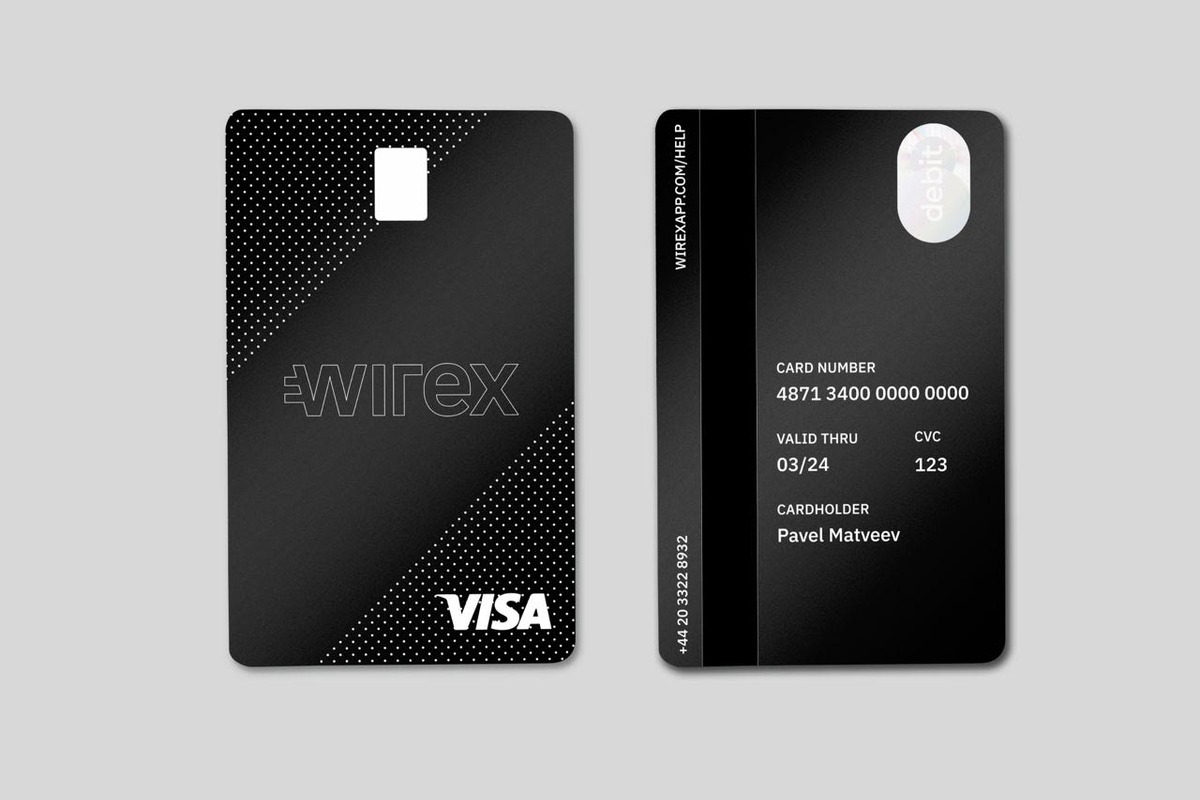
For users who want zero-knowledge privacy integrated into everyday transactions, Wirex offers a non-custodial crypto debit card service that leverages zero-knowledge proofs. This approach allows users to prove they meet certain criteria (such as age or residency) without revealing the underlying personal data to the merchant or the card network. It is a practical example of ZK technology moving from theoretical identity management to real-world financial utility.
Google Wallet: Mainstream Verification
Google has begun integrating zero-knowledge capabilities into Google Wallet to improve age and identity verification. By using cryptography rather than relying on third-party redaction services, Google Wallet offers a superior service for verifying attributes like age without exposing the entire identity document. This option is best for users who are already embedded in the Google ecosystem and need a seamless way to verify credentials for age-restricted purchases or access.
European Digital Identity Wallet (EUDI)
The European Digital Identity Wallet framework explicitly includes zero-knowledge proof generation as a core feature. A Wallet Unit can generate a ZKP to prove it knows a witness (such as an attestation) without revealing the witness itself. This is the primary option for EU residents who need a government-backed digital identity that complies with strict privacy regulations while maintaining the ability to prove eligibility for services.
| Wallet | Proof Type | Best For |
|---|---|---|
| cheqd | AnonCreds/ZKCreds | Enterprise & Developer Identity |
| Wirex | ZKP for Payments | Crypto Debit & Privacy Transactions |
| Google Wallet | Cryptographic Verification | Mainstream Age & ID Verification |
| EUDI Wallet | ZKP Generation | EU Regulatory Compliance |


As an Amazon Associate, we may earn from qualifying purchases.
Security risks and regulatory compliance
Zero-knowledge credential wallets sit at the intersection of high-stakes identity verification and evolving legal frameworks. While the technology promises privacy, it introduces complex liabilities around key management and regulatory alignment. Understanding these risks is essential for anyone deploying or using decentralized identity solutions.
Regulatory alignment: GDPR and eIDAS 2.0
The European Union’s eIDAS 2.0 regulation formally recognizes digital identity wallets, creating a clear mandate for interoperability and privacy. This framework heavily influences the adoption of zero-knowledge proof (ZKP) standards, as it requires systems to minimize data collection while ensuring verifiability. Wallet units under this architecture generate ZKPs to prove attributes without exposing the underlying witness data, aligning with the GDPR principle of data minimization.
Key loss and protocol vulnerabilities
Beyond regulation, the technical reality of self-custody presents immediate risks. In traditional systems, a lost password can be reset. In ZK cred wallets, losing the private key often means permanent loss of access to verified identity attributes. There is no central authority to restore access. This "key loss" risk is compounded by the complexity of the cryptographic protocols themselves. Any vulnerability in the ZKP circuit or the underlying blockchain infrastructure could lead to unauthorized impersonation or credential forgery.
Mitigating risk through design
To address these challenges, developers must prioritize robust key recovery mechanisms and rigorous smart contract audits. The goal is to create a system where privacy does not come at the cost of accessibility or security. As the landscape evolves, regulatory clarity and technical maturity will determine which wallets become trusted standards for decentralized identity.
No comments yet. Be the first to share your thoughts!