
How ZK cred wallets protect DeFi privacy
Zero-knowledge credentials (ZKCreds) allow users to prove they meet specific criteria without revealing the underlying data. This cryptographic approach separates identity verification from data exposure, a critical distinction for decentralized finance (DeFi) compliance. Instead of uploading a full government ID to a protocol, a user can generate a proof that confirms they are over 18, accredited, or residing in a permitted jurisdiction.
The technology relies on a prover-verifier model. The prover generates a cryptographic proof that a statement is true, while the verifier checks its validity without accessing the original information. This mechanism aligns with frameworks like the European Digital Identity Wallet, which emphasizes generating "correlation proofs" that preserve user privacy to the extent required by regulation 1.
Implementations such as cheqd’s AnonCreds network demonstrate this capability in practice. By enabling decentralized identity networks to issue ZKCreds, platforms can satisfy Know Your Customer (KYC) and Anti-Money Laundering (AML) requirements while maintaining the pseudonymous nature of blockchain transactions 2. This ensures that sensitive personal information remains off-chain and under the user’s control, reducing the risk of large-scale data breaches in DeFi ecosystems.
Top ZK Cred Wallet Options for 2026
The landscape for zero-knowledge credential (ZK Cred) wallets is shifting from experimental prototypes to regulated infrastructure. For 2026, the primary differentiation is no longer just cryptographic novelty, but compliance with legal standards and integration with existing DeFi protocols. The following options represent the most viable paths for users requiring privacy-preserving identity verification.
cheqd: The AnonCreds Infrastructure
cheqd is not a traditional consumer wallet but the decentralized identity network enabling AnonCreds. It serves as the foundational layer for many ZK Cred wallets, allowing issuers to generate credentials and verifiers to check them without exposing underlying data. For users, this means accessing wallets built on cheqd’s registry, which offers a neutral, open-source standard for zero-knowledge proofs.
The primary advantage is interoperability. By adhering to the AnonCreds specification, cheqd-based systems ensure that credentials issued by one entity (e.g., a bank) can be verified by another (e.g., a DeFi protocol) without a central authority. This reduces the risk of vendor lock-in and supports the legal requirement for auditable, yet private, identity trails.
Google Wallet: Enterprise-Grade ZK Integration
Google Wallet represents the mainstream adoption of ZK technology, particularly for age and identity verification. Recent updates allow users to prove they meet specific criteria (such as being over 18) without revealing their actual date of birth. This "selective disclosure" is the core utility of ZK Creds in a legal context.
While Google Wallet is custodial, its integration of ZK proofs sets a benchmark for user experience. For DeFi users, this model highlights the potential for hybrid identities where traditional KYC is handled by trusted providers, and the resulting ZK credentials are used to interact with decentralized applications. It is less of a "crypto wallet" and more of an identity hub that can interface with ZK-enabled dApps.
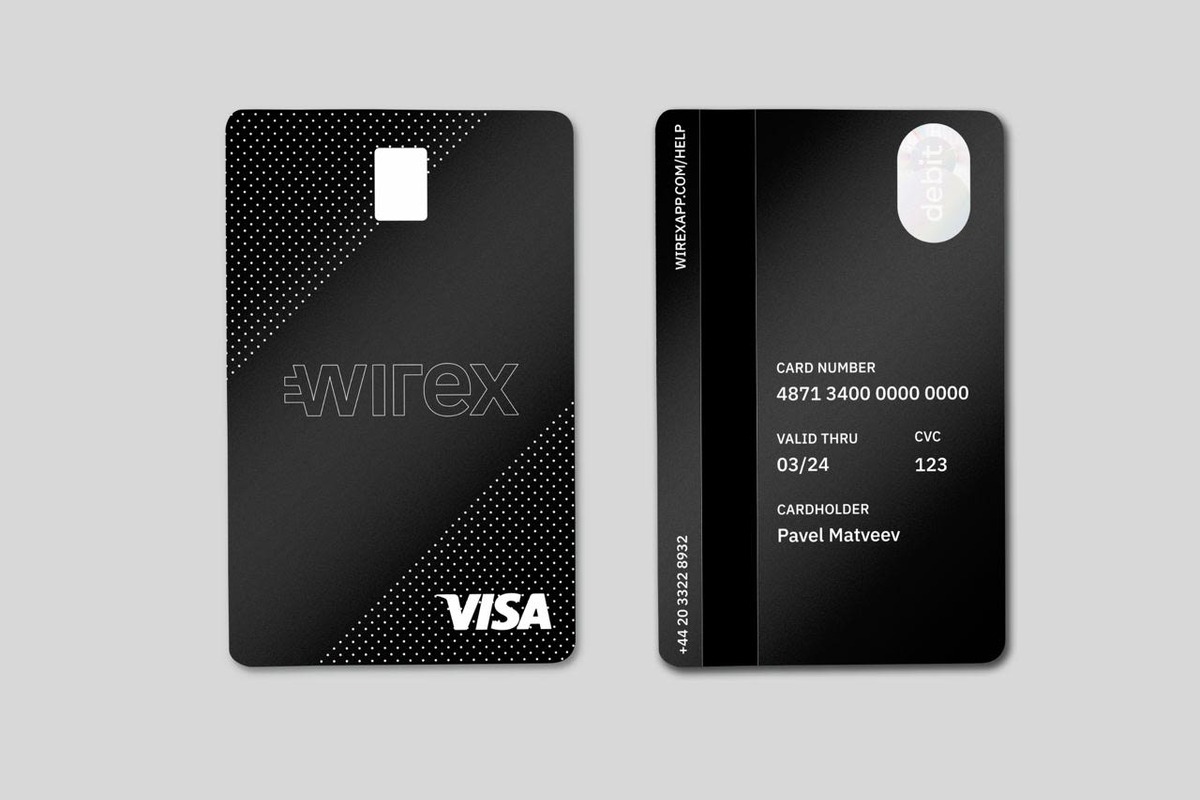
Wirex: ZK-Enabled Debit Card Integration
Wirex has introduced non-custodial crypto debit card services that leverage zero-knowledge proofs for transaction privacy. This approach allows users to spend cryptocurrency while maintaining the privacy of their on-chain history. The system verifies sufficient funds and compliance without broadcasting the full transaction details to the public ledger.
This is particularly relevant for users who need to bridge traditional finance with DeFi. By using ZK Creds for card transactions, Wirex reduces the exposure of user financial data to third-party merchants and public auditors. It demonstrates a practical application of ZK technology in everyday spending, rather than just complex DeFi interactions.
Comparison of ZK Cred Wallet Features
The table below compares the key technical and functional attributes of the leading ZK Cred solutions for 2026.
| Feature | cheqd | Google Wallet | Wirex |
|---|---|---|---|
| ZK Standard | AnonCreds | Proprietary ZK | Proprietary ZK |
| DeFi Compatibility | High (Open Standard) | Low (Closed Ecosystem) | Medium (Card Bridge) |
| Custody Model | Non-Custodial | Custodial | Hybrid |
| Primary Use Case | Identity Infrastructure | Age/ID Verification | Spending Privacy |
Recommended Hardware for Secure Storage
For users managing ZK Cred wallets, the security of the underlying private keys is paramount. Since ZK proofs rely on the secrecy of the witness data, compromising the key can lead to identity theft or credential forgery. Hardware wallets provide an isolated environment for key generation and signing.


As an Amazon Associate, we may earn from qualifying purchases.
Technical standards: AnonCreds and Longfellow
Use this section to make the ZK Cred Wallet decision easier to compare in real life, not just on paper. Start with the reader's actual constraint, then separate must-have requirements from details that are merely nice to have. A practical choice should survive normal use, maintenance, timing, and budget. If a recommendation only works in an ideal situation, call that out plainly and give the reader a fallback path.
The simplest way to use this section is to write down the must-have criteria first, then compare each option against those criteria before weighing nice-to-have features.
Integrating ZK wallets with DeFi protocols
Zero-knowledge (ZK) wallets bridge the gap between public blockchain transparency and private identity verification. In DeFi contexts, this allows users to interact with protocols that require Know Your Customer (KYC) or Anti-Money Laundering (AML) compliance without exposing their full transaction history or personal data on-chain. The core mechanism relies on generating "correlation proofs" that verify specific credentials while preserving user privacy to the extent required by the protocol.
Compliance Without Leakage
Traditional KYC processes often require users to upload sensitive documents to centralized servers, creating a single point of failure for data breaches. ZK wallets shift this model by allowing users to hold verifiable credentials in a decentralized manner. When a DeFi protocol demands proof of residency or age, the wallet generates a cryptographic proof that the user meets the criteria without revealing the underlying data. This approach aligns with frameworks like the European Digital Identity Wallet, which emphasizes the use of ZK schemes to generate correlation proofs that maintain privacy while satisfying regulatory obligations.
Practical Implementation
Integration typically involves a three-party interaction: the user, the credential issuer, and the DeFi protocol verifier. For example, a user might hold a verifiable credential from a recognized identity provider. When accessing a regulated DeFi lending pool, the user presents a ZK proof confirming they are not from a sanctioned jurisdiction and are over the legal age of majority. The protocol’s smart contract validates the proof mathematically. If valid, the user gains access; if not, the transaction is rejected. This process ensures that only the minimum necessary information is shared, reducing the attack surface for identity theft.
Market Context
The adoption of ZK-integrated wallets is closely tied to the broader growth of privacy-preserving DeFi infrastructure. As regulatory scrutiny increases, protocols that can offer compliant yet private user experiences are gaining traction. The performance and cost of ZK proofs are improving, making them more viable for high-frequency DeFi interactions.
No comments yet. Be the first to share your thoughts!