
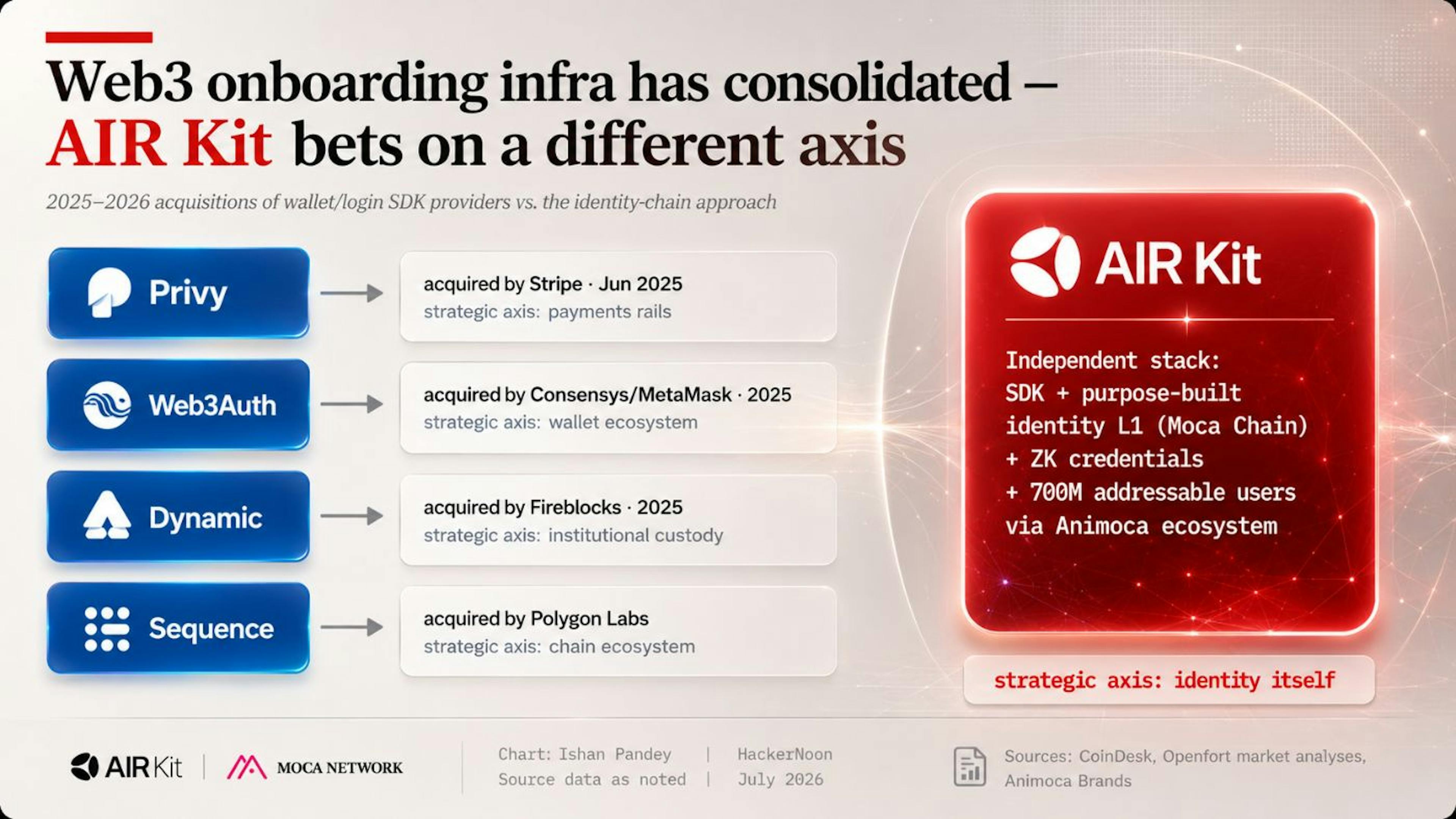
Zk Cred Wallet: The Constraint Reality
The Zk Cred Wallet represents a shift from simple crypto storage to verifiable identity management. It allows users to prove attributes—like age or residency—without revealing the underlying data. This selective disclosure is the core value proposition for privacy-conscious finance. However, the technology is not yet a standalone consumer product. It is an infrastructure layer embedded within larger ecosystems.
The infrastructure limits to account for
You won’t find a standalone "Zk Cred Wallet" app on the App Store or Play Store today. Instead, zero-knowledge proof capabilities are integrated into existing wallet frameworks and decentralized identity protocols. The constraint is usability and interoperability. Users must navigate complex setups involving DID (Decentralized Identifier) registrars and verifiable credential issuers. The friction is high because the standard is still maturing.
Integration Over Independence
Most current implementations are experimental or enterprise-focused. For example, Google’s integration of zero-knowledge proofs into Wallet for driver’s licenses demonstrates the potential for selective disclosure in a familiar interface. Similarly, projects like Longfellow-zk focus on specific document types, such as MDOC/mdl documents. These examples show that ZK credentials work best as features within established platforms, not as isolated wallets. The future lies in seamless integration, not new apps.
What This Means for Users
If you are looking for a plug-and-play solution, it does not exist. The Zk Cred Wallet is a concept in development. Users interested in this space should focus on wallets that support DID standards like W3C Verifiable Credentials. Look for compatibility with major issuers. The technology is promising, but the ecosystem is fragmented. Patience is required as the standards solidify and user interfaces improve.
Zk cred wallet choices that change the plan
Zero-knowledge identity verification offers a compelling promise: prove you meet a requirement without revealing your personal data. In practice, this balance comes with distinct tradeoffs that affect daily usability, security, and cost. Before adopting a ZK cred wallet, you need to weigh these concrete factors against your specific financial or regulatory needs.
Privacy vs. Recoverability
Traditional wallets rely on a private key that, if lost, means total loss of access. ZK systems often introduce additional complexity around key recovery. While some implementations allow social recovery or multi-party computation, these methods can reintroduce central points of failure or reduce the anonymity guarantees that made ZK attractive in the first place. You must decide if the privacy benefit outweighs the risk of irreversible account loss.
Verification Speed and Cost
Generating zero-knowledge proofs requires computational power. For the user, this often translates to slower transaction times or higher gas fees compared to standard blockchain transactions. While hardware acceleration is improving, the cost of proof generation remains a barrier for micro-transactions or high-frequency trading. If you are verifying your identity for a low-value transaction, the overhead of ZK generation may not be economically viable.
Ecosystem Compatibility
The ZK ecosystem is still fragmented. A wallet that supports a specific proof system (like PLONK or STARKs) may not be compatible with all dApps or financial services. You might find that your preferred platform only accepts standard KYC credentials, forcing you to maintain multiple wallets. Check the interoperability standards before committing to a specific ZK provider.
| Feature | ZK Wallet | Traditional Wallet | Hybrid Wallet |
|---|---|---|---|
| Privacy Level | High (Selective Disclosure) | Low (Public Ledger) | Medium |
| Recovery Options | Complex/Multi-Party | Seed Phrase | Flexible |
| Transaction Speed | Slower (Proof Gen) | Fast | Variable |
| Cost | Higher Gas/Fees | Standard | Moderate |
| Compliance | Harder for Regulators | Easy (KYC) | Balanced |
How to choose a ZK credential wallet
Zero-knowledge identity verification is moving from academic research into practical applications like Google Wallet and mobile driver’s licenses. Selecting the right wallet requires balancing privacy guarantees with real-world usability. Most users will prioritize seamless integration with existing identity providers over raw cryptographic complexity.
1. Verify identity provider compatibility
The most critical factor is whether the wallet supports the credentials you already hold. Look for support for W3C Verifiable Credentials and specific standards like ISO/IEC 18013-5 for mobile driver’s licenses. If a wallet cannot natively parse credentials from major issuers, its zero-knowledge features become theoretical rather than functional.
2. Evaluate selective disclosure capabilities
Not all zero-knowledge proofs are equal. A robust wallet should allow you to prove specific attributes—such as being over 21—without revealing your birth date or full name. Check if the wallet supports fine-grained selective disclosure. This ensures you are not leaking unnecessary personal data to every service you interact with.
3. Assess the user onboarding flow
Zero-knowledge technology should simplify identity, not complicate it. The best wallets hide the cryptographic complexity behind a familiar interface. Look for wallets that offer smooth onboarding, clear error messages, and intuitive proof generation. If the process requires manual key management or technical jargon, it may not be suitable for mainstream adoption yet.
4. Check security and backup mechanisms
Since you are holding sensitive identity data, the wallet’s security model is paramount. Ensure it uses secure enclave storage on your device and offers reliable recovery options. Avoid wallets that rely solely on paper seed phrases for identity recovery, as losing access to your digital identity can be more disruptive than losing funds.

As an Amazon Associate, we may earn from qualifying purchases.
Spotting Weaknesses in ZK Cred Wallet Claims
Zero-knowledge (ZK) identity verification promises privacy, but the current market is crowded with misleading claims. As a high-stakes financial tool, "ZK Cred Wallet" solutions must withstand rigorous scrutiny. Many providers overstate their capabilities, leaving users vulnerable to privacy leaks or regulatory non-compliance. We need to look past the marketing gloss to find what actually works.
The "Anonymous" Trap
Many wallets claim full anonymity, but this is often a misnomer. In regulated finance, you need verifiable credentials, not just invisibility. Look for selective disclosure features, like those seen in the Longfellow ZK protocol for driver's licenses. If a wallet cannot prove you are over 21 without revealing your birthdate, it is not useful for finance. True utility lies in proving specific attributes without exposing the whole record.
Compatibility Gaps
A major mistake is assuming all ZK standards are interchangeable. The ecosystem is fragmented. For instance, Google Wallet's integration with modern anonymous credentials shows how big tech is adopting specific ZK stacks. If your wallet only supports a niche protocol, you might find it incompatible with major platforms. Check if the wallet supports widely adopted standards like W3C Verifiable Credentials before committing.
The Compliance Reality
Ignoring AML/KYC requirements is a fatal flaw. A secure finance tool must balance privacy with regulatory obligations. If a wallet cannot generate audit trails for compliant institutions, it will be rejected by banks. Ensure the solution offers a clear path for regulatory reporting while maintaining user privacy. Don't trust wallets that claim "no data ever" if they intend to serve financial institutions.
Zk cred wallet: what to check next
Zero-knowledge (ZK) identity verification is moving from academic theory to mainstream utility, with major tech players like Google integrating ZK proofs into Wallet for age and identity checks. This shift raises practical questions about security, usability, and the future of digital credentials.
The transition to ZK-based identity is gradual. As of 2026, it is best viewed as a privacy-enhancing layer for existing digital identities rather than a replacement for them. Users should prioritize wallets that offer clear key recovery options and are backed by reputable issuers.
No comments yet. Be the first to share your thoughts!