
How the zk cred wallet handles real-world limits to account for
The ZK Cred Wallet isn't a magic shield; it's a cryptographic filter. Its primary function is to let you prove you meet specific criteria without handing over the underlying data. For credit scores, this means demonstrating you are over 18, have a score above 700, or fall within a specific income bracket, while keeping the actual number, name, and address hidden from the lender.
This selective disclosure relies on zero-knowledge proofs (ZKPs). Instead of uploading a PDF credit report, the wallet generates a mathematical proof that the data inside satisfies the lender's conditions. If the proof verifies, the transaction proceeds. If not, it fails. No middleman sees your raw financial history.
However, this system introduces new constraints. You must hold valid, verifiable credentials in your wallet before you can use them. If a credit bureau hasn't issued a ZK-compatible credential for your score, you cannot use the wallet for that specific check. The wallet doesn't create credit history; it only transports it securely.
Another limitation is verifier adoption. A ZK Cred Wallet is only useful if the lender accepts ZK proofs. Currently, most traditional credit checks still require traditional data formats. The wallet works best in ecosystems that have explicitly integrated ZK verification, such as certain DeFi lending protocols or privacy-focused identity platforms.
The tradeoff is clear: you gain privacy and reduce data exposure, but you lose the ability to use the wallet everywhere. It is a specialized tool for specific, ZK-ready environments, not a universal replacement for traditional credit reporting.
Zk cred wallet choices that change the plan
Choosing a zero-knowledge credential wallet requires balancing privacy, regulatory compliance, and technical maturity. The landscape is shifting rapidly, particularly as major tech firms like Google integrate ZK proofs into digital wallets for identity verification. However, not all implementations are equal. You must evaluate how each wallet handles selective disclosure, attestation, and long-term interoperability.
Verification vs. Privacy
The core tension in any ZK wallet is the level of proof required versus the data kept private. Some wallets use zero-knowledge proofs to verify age or residency without revealing the underlying document. This is ideal for casual use but may fall short for high-stakes financial or legal compliance where full audit trails are mandatory. Check if the wallet supports selective disclosure for specific claims, such as proving you are over 21 without sharing your birthdate.
Regulatory Compliance and Attestation
For users in regulated industries, the source of the credential matters. Newer standards like SSI-Wallets employ ZK SGX attestation provers, linking credentials to Intel’s root of trust. This adds a layer of hardware-backed security but may limit compatibility with standard mobile devices. If you need to comply with EU Digital Identity (EUDI) frameworks, ensure the wallet supports the required attestation protocols rather than relying on simple cryptographic signatures.
Interoperability and Ecosystem Lock-in
A ZK wallet is only useful if the verifier accepts its proofs. Some proprietary systems create walled gardens where credentials issued in one app cannot be verified in another. Look for wallets that support open standards like W3C Verifiable Credentials or those integrated into broader ecosystems like Google Wallet. The latter offers broader acceptance but may introduce centralization risks that contradict the privacy benefits of zero-knowledge proofs.
| Feature | Privacy Level | Compliance | Ecosystem |
|---|---|---|---|
| Selective Disclosure | High | Moderate | Low |
| ZK SGX Attestation | Medium | High | Low |
| Google Wallet Integration | Low | High | High |
Choose the next step
ZK Cred Wallet Review works best as a clear sequence: define the constraint, compare the realistic options, test the tradeoff, and choose the path with the fewest hidden costs. That order keeps the advice usable instead of decorative. After each step, pause long enough to check whether the recommendation still fits the reader's actual situation. If it depends on perfect timing, unusual access, or a best-case budget, include a simpler fallback.

Watch for misleading claims and weak options
Zero-knowledge credential wallets promise to decouple identity from data, but the market is split between mature, compliant systems and experimental prototypes. Before integrating a ZK cred wallet, you must distinguish between projects with audited code and those relying on vague "privacy-first" marketing. The difference often lies in how they handle selective disclosure and whether they support standard verification protocols.
Red flags in ZK credential wallets
Many wallets claim full anonymity, but most require a trusted setup or rely on centralized issuance authorities. If a wallet cannot explicitly name its zero-knowledge proof system (e.g., zk-SNARKs vs. STARKs) or its verifier contract, treat it as high-risk. Legitimate projects like those emerging from academic research (e.g., Longfellow-zk for MDOC/mdl documents) provide transparent documentation on selective disclosure mechanics. Avoid wallets that obscure their cryptographic foundations or lack open-source verification logic.
The reality of "anonymous" credit scores
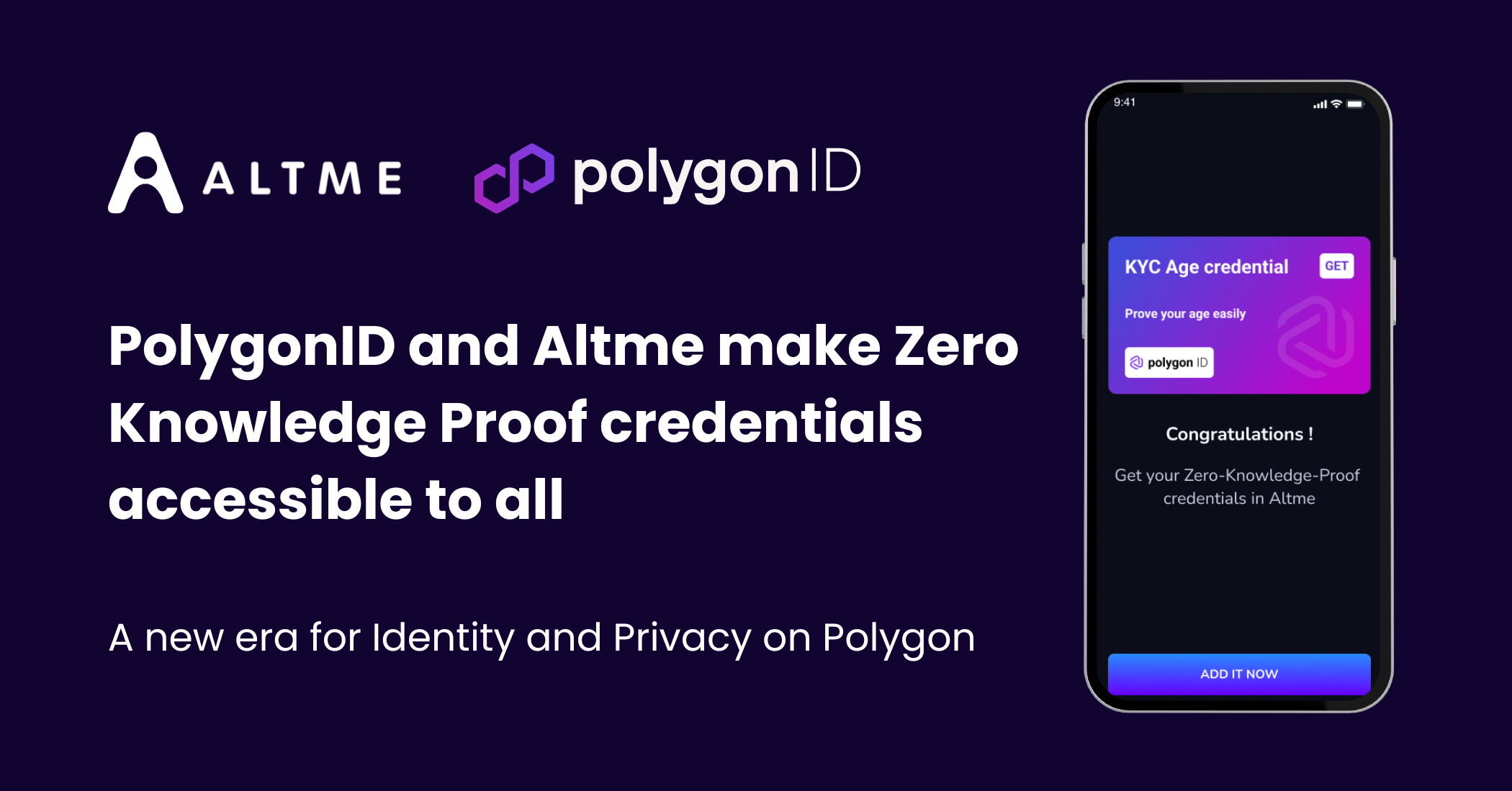
ZK proofs allow you to prove a credit score exceeds a threshold without revealing the number itself. However, this only works if the issuer (e.g., a bank or credit bureau) signs the credential. Most consumer-facing "ZK credit" products are still in beta or partner with limited issuers. If a wallet claims to generate your own credit score from on-chain activity alone, it is likely a speculative metric, not a recognized financial instrument. Verify that the wallet supports verifiable credentials (W3C standard) and not just custom token balances.
Common mistakes in ZK wallet selection
- Ignoring interoperability: A ZK wallet that only works with one blockchain or issuer is fragile. Prioritize wallets supporting DID (Decentralized Identifiers) and VC (Verifiable Credentials) standards.
- Overlooking key management: Some ZK wallets use smart contract wallets for key recovery, which can compromise privacy. Understand if your private key is stored locally or on-chain.
- Assuming universal acceptance: ZK credentials are not yet widely accepted by traditional financial institutions. Check if the wallet’s issuers are recognized by your target lenders or employers.
The technology is promising, but the ecosystem is fragmented. Focus on wallets with clear, audited privacy guarantees and broad issuer support, not just flashy UIs.
Zk cred wallet: what to check next
Helpful gear
Use these product recommendations as a starting point, then choose the size, material, and price point that fit how you actually use the gear.


![QLD 2026 Wallet for Men - RFID Blocking [Functional & Practical] Bifold Slim Minimalist Credit Card Holder Pop Up Wallet Metal Case with Cash Slot, Front Pocket with ID Window, Gift Boxed](https://m.media-amazon.com/images/I/71f19vKZSUL._AC_UL960_QL65_.jpg)
As an Amazon Associate, we may earn from qualifying purchases.
No comments yet. Be the first to share your thoughts!