

What a ZK Cred Wallet Actually Does
A ZK Cred Wallet functions as a privacy shield for your digital identity, allowing you to prove you are who you say you are without handing over your personal data. Unlike traditional identity wallets that require you to upload or display full credentials—such as a scanned passport or birth certificate—a ZK Cred Wallet uses zero-knowledge proofs to verify specific facts while keeping the underlying details hidden. This distinction is the core difference between sharing information and sharing proof.
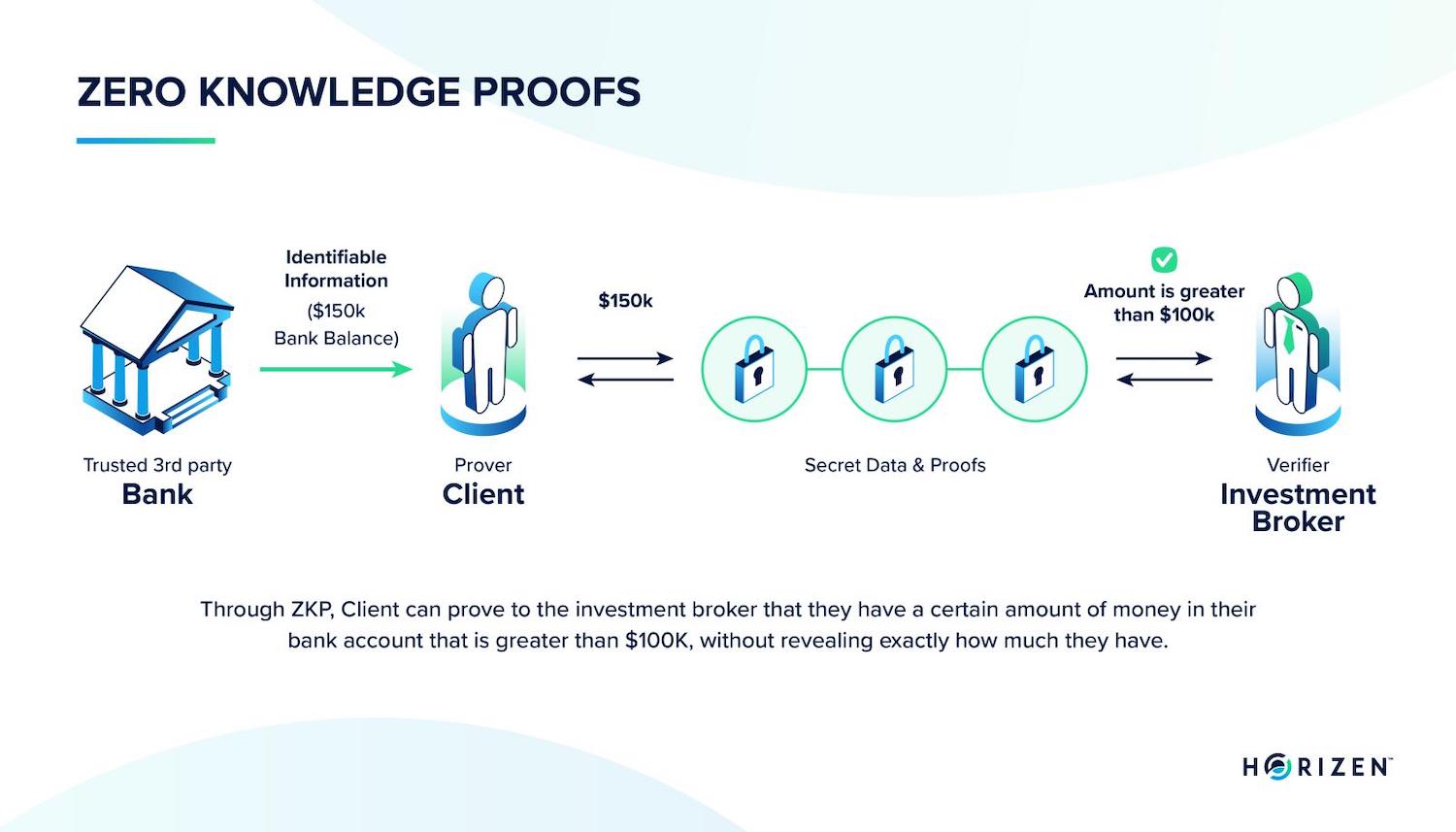
The technology relies on cryptographic algorithms to generate a mathematical proof that satisfies a verifier’s requirements. For example, if a service needs to confirm you are over 21, a ZK Cred Wallet generates a proof stating "age > 21" without revealing your actual birth date or name. This selective disclosure means you retain control over your data, sharing only the minimum necessary to complete a transaction or access a service.
By keeping your raw credentials stored locally and only transmitting encrypted proofs, ZK Cred Wallets significantly reduce the attack surface for identity theft. Even if a third-party service is breached, the attacker gains access only to the proof of compliance, not your sensitive personal information. This approach aligns with emerging standards in digital identity, such as those outlined by the European Digital Identity Wallet framework, which emphasize user sovereignty and data minimization.
The result is a more secure and respectful interaction with the digital world. You no longer need to trust a service provider with your entire identity history; you only need to trust the cryptographic protocol that validates your eligibility. This shift from "trust but verify" to "verify without trusting" is what makes ZK Cred Wallets a critical tool for privacy-first identity management in 2026.
Top ZK Cred Wallets for 2026
The ZK Cred Wallet landscape is shifting as major platforms integrate zero-knowledge proofs to balance identity verification with user privacy. In 2026, the most reliable options are those that support standardized credential formats like AnonCreds (ZKCreds) and W3C Verifiable Credentials, allowing you to prove attributes—such as age or residency—without exposing underlying data. The following wallets are selected for their robust protocol support and adherence to privacy-first design principles.
1. cheqd Identity Wallet
cheqd is leading the charge in decentralized identity by integrating Zero Knowledge Credentials (ZKCreds), also known as AnonCreds, directly into its ecosystem. This makes cheqd one of the first Decentralised Identity networks to enable this specific standard, ensuring high compatibility with government and enterprise issuers. For users who need to interact with official credentialing bodies, cheqd offers a native environment that handles the complex cryptographic proofs required for ZK verification.
2. Google Wallet
Google has expanded its Wallet capabilities to include advanced identity verification features using zero-knowledge technology. Users can now store government-issued IDs and prove specific attributes, such as age, without revealing the full document to the verifier. This integration brings ZK privacy to a mainstream audience, leveraging Google's existing infrastructure to provide a seamless experience for everyday transactions where age or identity checks are required.
3. Wirex
Wirex has introduced a non-custodial crypto debit card service that utilizes zero-knowledge proof-based verification. This approach allows users to complete compliance checks and transaction validations while keeping their private keys and sensitive personal data secure on their own devices. Wirex represents the convergence of traditional fintech convenience with the self-sovereign identity model, making ZK credentials accessible for daily spending.
Feature Comparison
The table below compares the core capabilities of these leading ZK Cred Wallets, focusing on protocol support and issuer compatibility.
| Wallet | Primary Protocol | Issuer Compatibility | Privacy Model |
|---|---|---|---|
| cheqd Identity Wallet | AnonCreds (ZKCreds) | Decentralised Networks, Government | Native ZKP Support |
| Google Wallet | W3C VC, Custom ZK Extensions | Government, Enterprise | Attribute-Based Verification |
| Wirex | Proprietary ZK Protocols | Fintech, Compliance Providers | Non-Custodial Verification |
Hardware Security Considerations
While software wallets are convenient, storing ZK credentials often involves managing private keys that unlock access to your digital identity. For high-value assets or sensitive identity data, pairing your ZK Cred Wallet with a hardware wallet provides an additional layer of security against digital theft.

As an Amazon Associate, we may earn from qualifying purchases.
How zero-knowledge proofs secure identity
Zero-knowledge proofs (ZKPs) function like a sealed envelope. You can prove the contents match a specific requirement without ever opening the envelope or revealing what is inside. In the context of identity, this means a ZK Cred Wallet can verify that you are over 18, or that you hold a valid license, without exposing your birthdate, address, or ID number to the verifier.
This technology shifts the burden of trust from the data holder to the mathematical proof. Traditional digital identity systems require you to share raw data with every service you use, creating a trail of personal information stored on third-party servers. ZKPs eliminate this exposure. The verifier receives only a cryptographic guarantee that the data meets their criteria, leaving the underlying personal details private.
Recent implementations have moved this from theory to practice. Google Wallet’s integration of anonymous credentials demonstrates how ZKPs can handle complex verification tasks, such as confirming age or residency, while keeping the user’s actual identity hidden from the merchant. This approach ensures that identity verification becomes a privacy-preserving utility rather than a data extraction exercise.
Choosing the Right ZK Cred Wallet
Selecting a ZK Cred Wallet requires balancing privacy guarantees with practical utility. The technology is only as strong as its implementation, so you must evaluate the wallet against three non-negotiable criteria: ecosystem compatibility, issuer support, and independent security audits. A wallet that cannot interact with your target dApps or verify credentials from trusted authorities is functionally useless, regardless of its cryptographic sophistication.
Before committing to a ZK Cred Wallet, check which blockchains and decentralized applications it supports. Most wallets are optimized for specific networks like Ethereum, Polygon, or ZK-rollups. If a wallet lacks native support for the chains where your target services operate, you will face friction when trying to use your credentials. Look for wallets that offer broad interoperability or at least support the primary chains in your ecosystem.
A credential is only valuable if the issuing authority trusts the wallet that holds it. Ensure the wallet supports the standard formats used by your target issuers, such as W3C Verifiable Credentials or specific enterprise schemas. Some wallets prioritize certain issuers, making it easier to verify age, employment, or identity proofs from those specific organizations. Without this alignment, you may find yourself unable to present credentials where they matter most.
Zero-knowledge cryptography is complex, and implementation errors can lead to catastrophic privacy leaks. Prioritize wallets that have undergone rigorous third-party security audits from reputable firms. Look for publicly available audit reports that detail the verification of the underlying zero-knowledge circuits. As noted by the European Digital Identity Wallet framework, the security of a Wallet Unit depends on the robustness of its underlying proof generation mechanisms. Do not rely on internal claims of security; demand external validation.
When evaluating these factors, remember that privacy is a feature, not a default setting. A ZK Cred Wallet that leaks metadata or fails to properly anonymize proof generation undermines its core purpose. By focusing on compatibility, issuer trust, and verified security, you can choose a solution that protects your identity without sacrificing functionality.
No comments yet. Be the first to share your thoughts!